
Parrots for Kids | Learn about these incredibly colorful creatures!
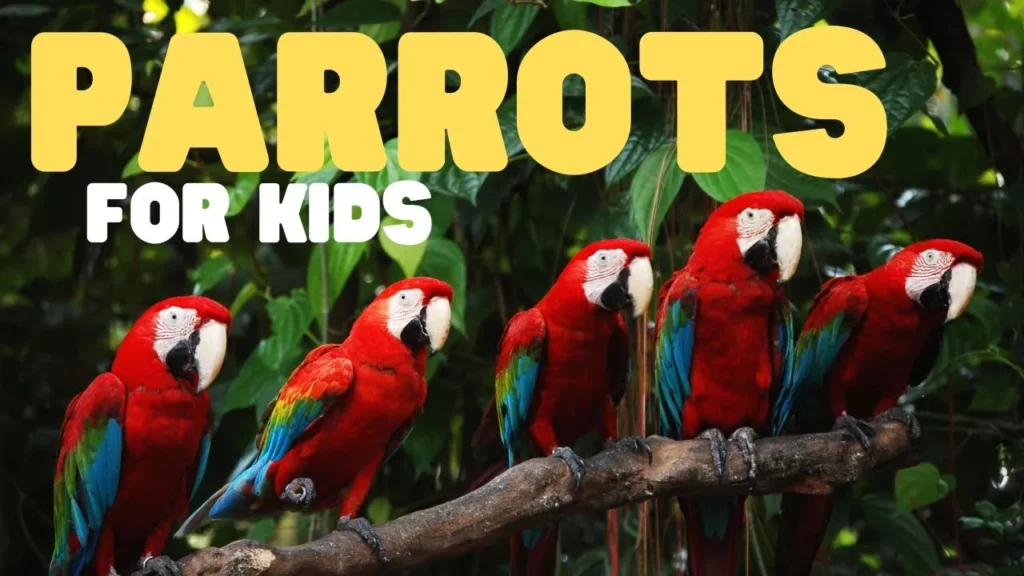
In this lesson, students explore the fascinating world of parrots, known for their vibrant colors and unique features. They learn about the birds’ physical characteristics, such as their strong beaks and specialized feet, as well as their social behaviors, diet, and parenting practices. The lesson emphasizes the ecological importance of parrots and the need for their conservation due to threats like habitat loss.
ASL 7 Continents of the World

In this lesson, students embark on an exciting exploration of the seven continents, learning about their unique characteristics, geographical features, and the countries they encompass. The lesson highlights North America, Asia, Africa, South America, Antarctica, Europe, and Australia, emphasizing their sizes, populations, and notable landmarks. Overall, it encourages curiosity about the diverse regions that make up our planet.
Hamsters for Kids | Learn fun facts all about these cute mammals
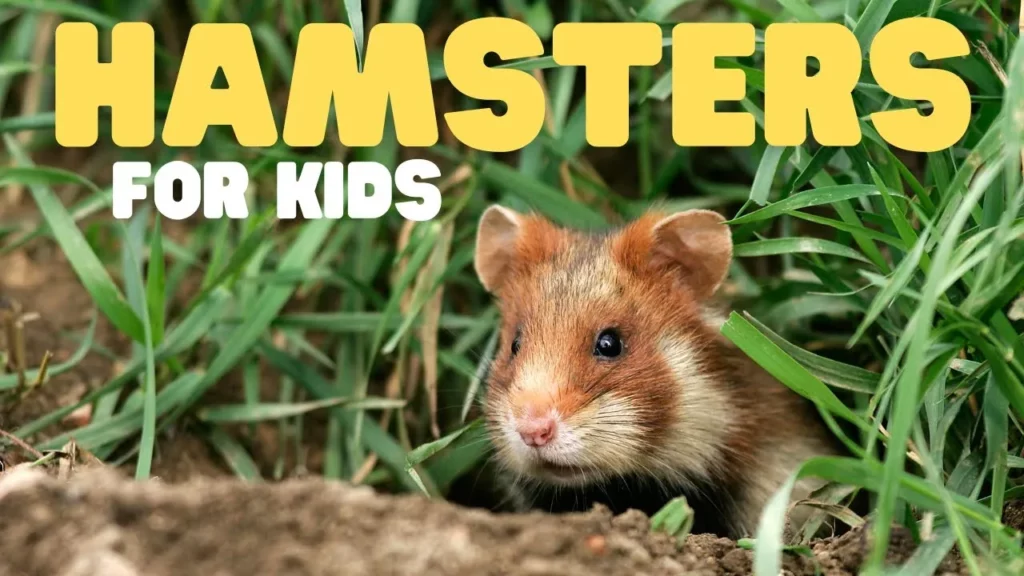
In today’s lesson, we explored the fascinating world of hamsters, small animals known for their round bodies, cheek pouches, and nocturnal habits. We learned about their natural habitats, family dynamics, omnivorous diet, and unique behaviors like torpor and digging. Additionally, we discussed the ecological importance of hamsters and the need to protect their habitats for their continued survival.
ASL Abraham Lincoln for Kids
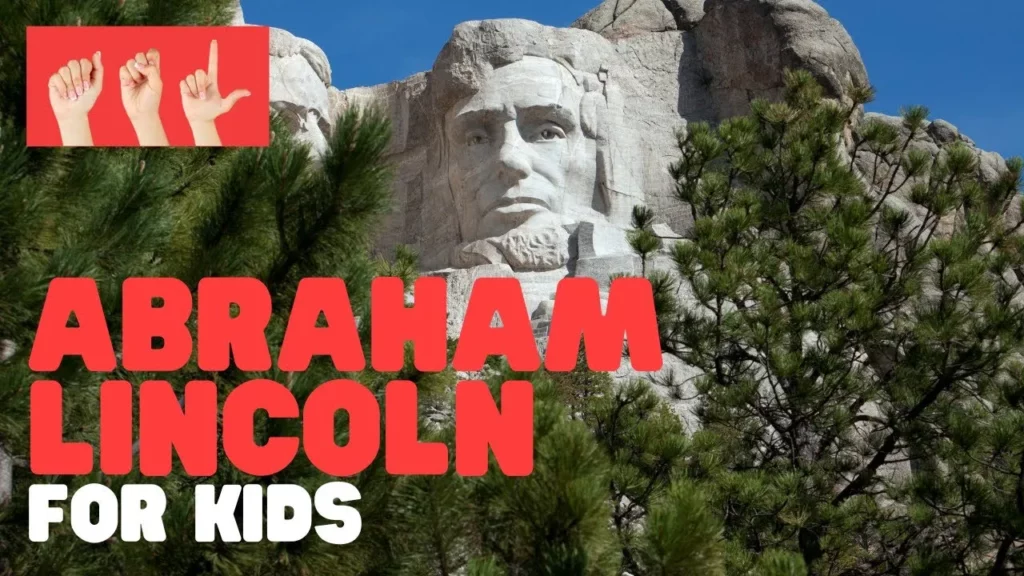
In this lesson, students learn about Abraham Lincoln, the 16th president of the United States, who was not only a remarkable leader but also an accomplished wrestler. The lesson covers Lincoln’s early life, his journey into politics, his leadership during the Civil War, and his enduring legacy, including the Emancipation Proclamation and the 13th Amendment, which abolished slavery. Fun facts and a quiz at the end reinforce key points, encouraging students to remember Lincoln’s contributions to freedom and equality.
ASL 50 States for Kids

The lesson outlines the formation of the United States from thirteen distinct British colonies, emphasizing the role of external pressures from the British Empire in uniting them for independence. It details key milestones, including the adoption of the Declaration of Independence in 1776, the conclusion of the Revolutionary War in 1783, and significant land acquisitions that expanded the nation, culminating in the transition from 13 colonies to 50 states.
Punctuation for Kids | Learn all about the different punctuation marks and what they do
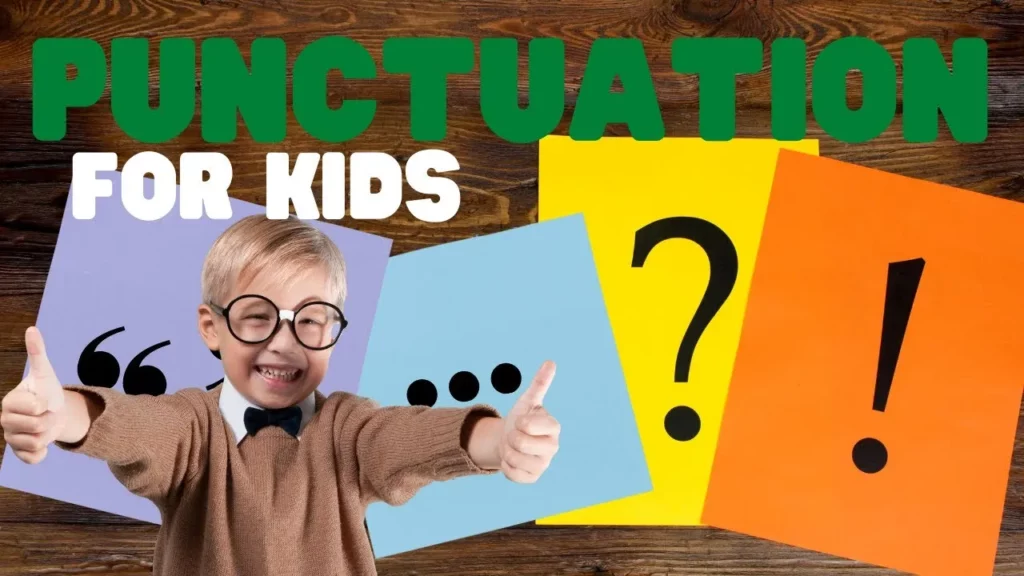
In the “Punctuation Fun!” lesson, students learn about the importance and various types of punctuation marks that help convey meaning in writing. The lesson covers ending punctuation (periods, question marks, and exclamation points), as well as internal punctuation (commas, quotation marks, semicolons, colons, dashes, parentheses, and apostrophes), highlighting how each mark serves a unique purpose in enhancing clarity and expression in sentences. By understanding and using punctuation effectively, students can make their writing more engaging and impactful.
Niagara Falls for Kids | Learn about one of the world’s most famous waterfalls
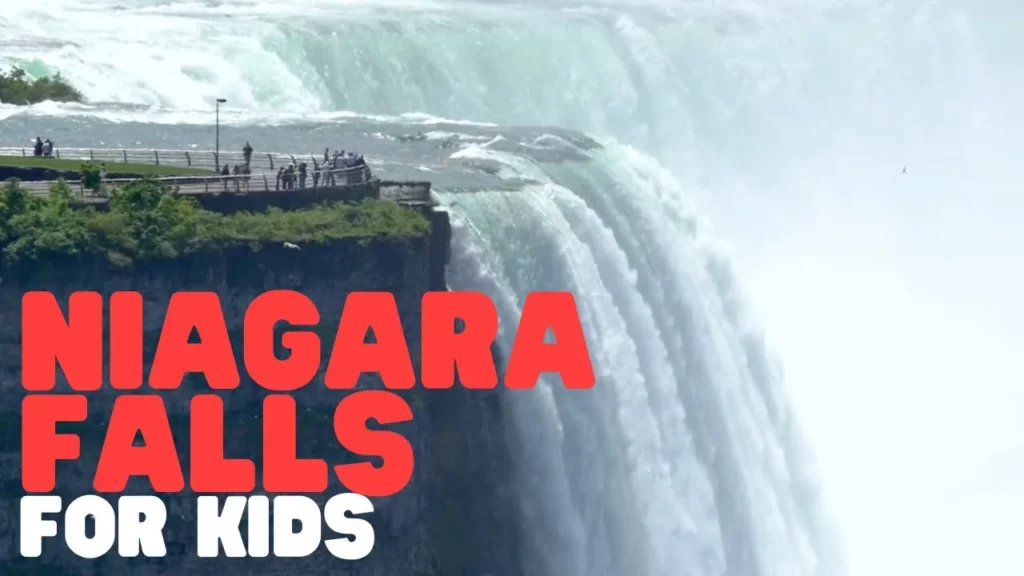
In this lesson, students embark on a virtual adventure to explore Niagara Falls, one of the world’s most famous natural wonders located on the border between the United States and Canada. They learn about the three distinct waterfalls that make up Niagara Falls, the immense power of the water flow, its geological history, and fascinating historical events associated with the site, including daring stunts performed by individuals over the years. The lesson concludes with a quiz to reinforce their understanding of the key concepts discussed.
ASL Layers of the Earth for Kids
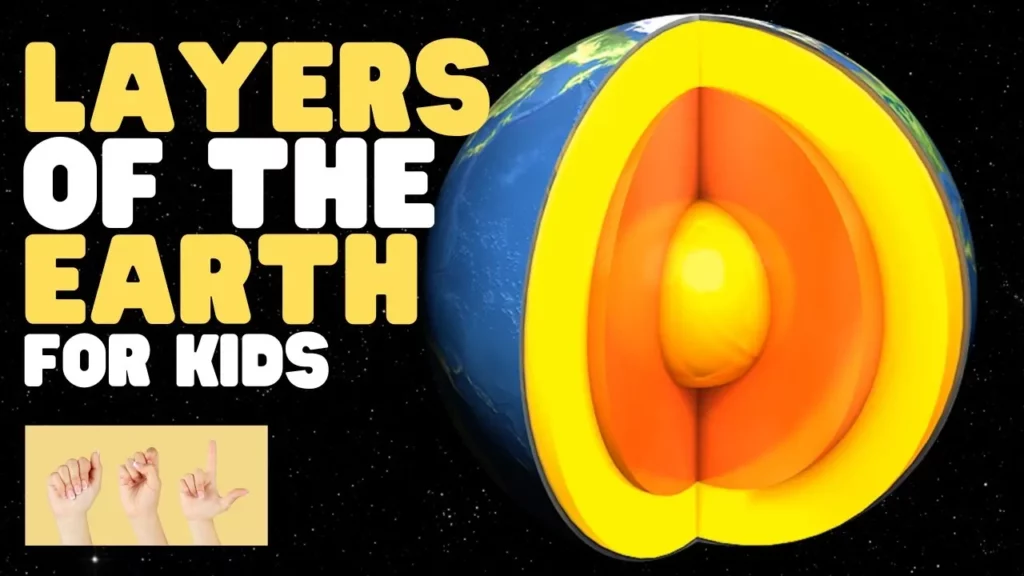
In the lesson “Layers of the Earth for Kids,” students explore the Earth’s structure, which consists of four main layers: the crust, mantle, outer core, and inner core. They learn about the characteristics of each layer, including the thickness, composition, and temperature, as well as the movement of tectonic plates that can cause earthquakes. The lesson concludes with a quiz to reinforce their understanding of these geological concepts.
ASL Roman Numerals for Kids
In this lesson, students learn about Roman numerals, a numerical system created by the ancient Romans using letters from the Latin alphabet to represent numbers. The lesson covers the seven basic Roman numerals, rules for reading and writing them, and provides practice with constructing larger numbers, emphasizing the unique characteristics of this numeral system, such as the absence of zero and specific addition and subtraction rules.
Floods for Kids | Learn about the three types of floods
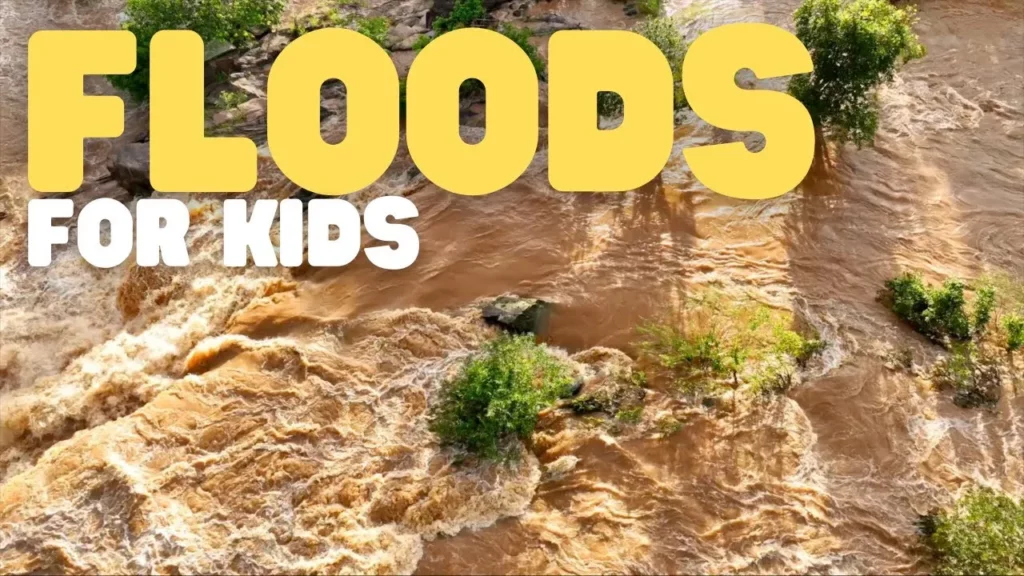
In this lesson, students explored the concept of floods, learning that they occur when water overflows onto typically dry land and can be caused by various factors such as heavy rain or dam failures. The lesson highlighted three types of floods—slow onset, rapid onset, and flash floods—emphasizing that flash floods are the most dangerous. Additionally, students discovered that while floods can cause damage, they also enrich soil with nutrients, and discussed ways to mitigate their impact, such as planting trees.