
Climate Change for Kids | A fun engaging introduction to climate change for kids
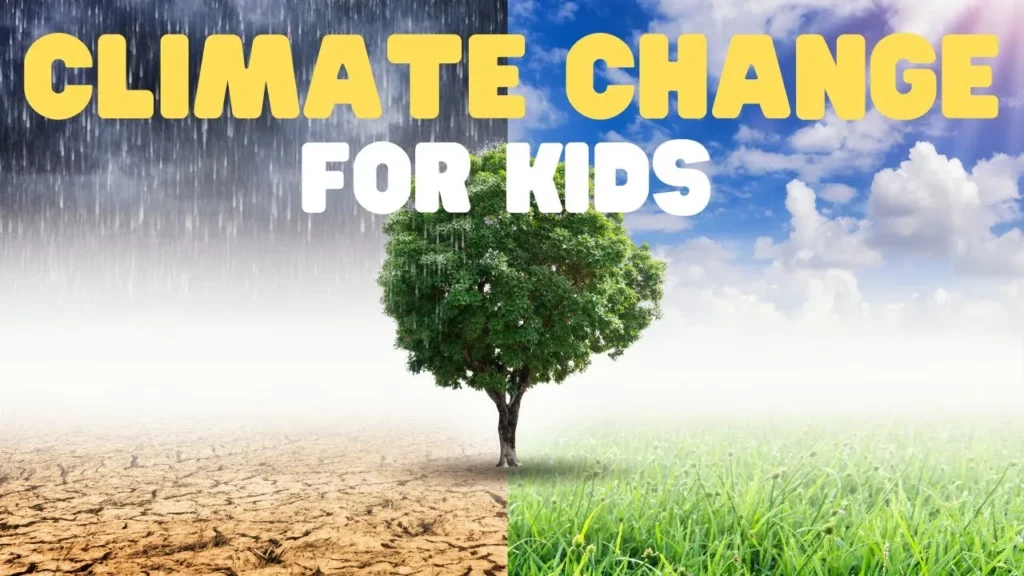
This lesson explains the difference between weather and climate, highlighting that while weather changes frequently, climate represents the long-term average of weather patterns in a specific area. It discusses climate change, particularly global warming, and its causes, including human activities like burning fossil fuels, agriculture, and deforestation, which contribute to the greenhouse effect. The lesson concludes by emphasizing the importance of individual actions, such as reducing energy use and planting trees, to mitigate climate change and its adverse effects on the planet.
Types of Communities | Learn about communities for kids and help them learn how to identify them
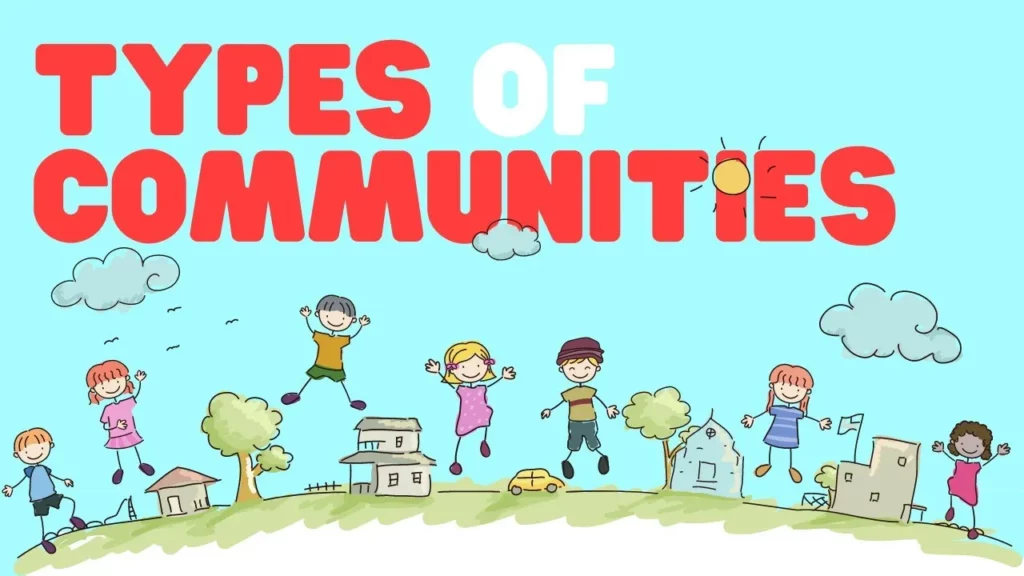
The lesson explains that communities are places where people live together, ranging from small neighborhoods to large cities, and emphasizes the importance of rules and laws for maintaining safety and respect among citizens. It highlights the different types of communities—urban, suburban, and rural—and the diversity within them, showcasing how unique backgrounds contribute to the richness of community life. Additionally, the lesson encourages being a good citizen by following rules and helping others, fostering a sense of cooperation and enjoyment in community living.
The 13 Original Colonies for Kids | Learn all about the first 13 American Colonies
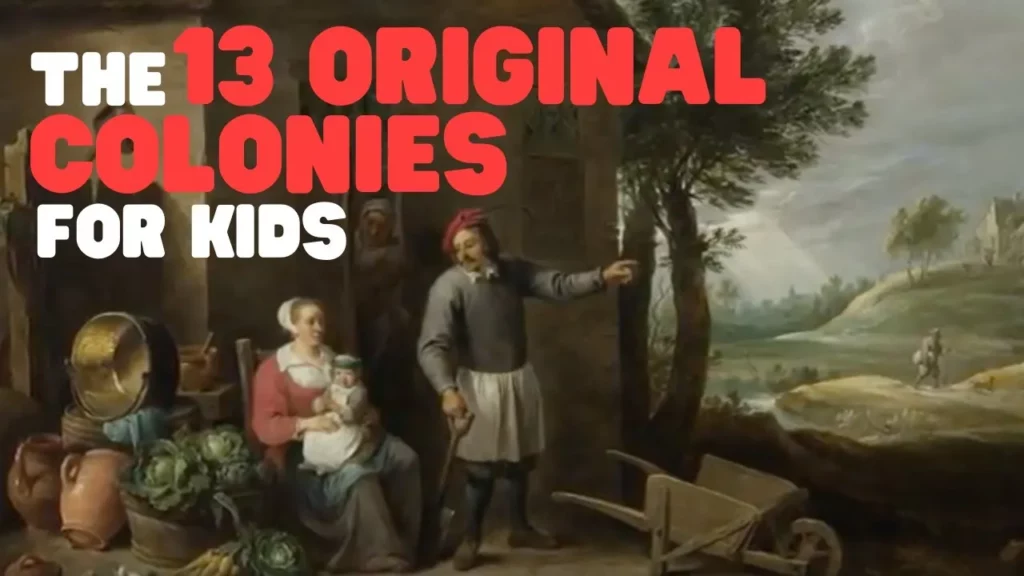
The lesson explores the 13 original colonies of the United States, detailing their establishment by European explorers and settlers, particularly the English, who sought land, resources, and religious freedom. It categorizes the colonies into three regions: New England, known for its fishing and shipbuilding; the Middle Colonies, recognized as the “Bread Basket” for their wheat production; and the Southern Colonies, which thrived on cash crops like tobacco through the use of slave labor. The lesson emphasizes the growing sense of American identity among the colonies, fueled by dissatisfaction with British control and taxation.
ASL Air Pollution for Kids
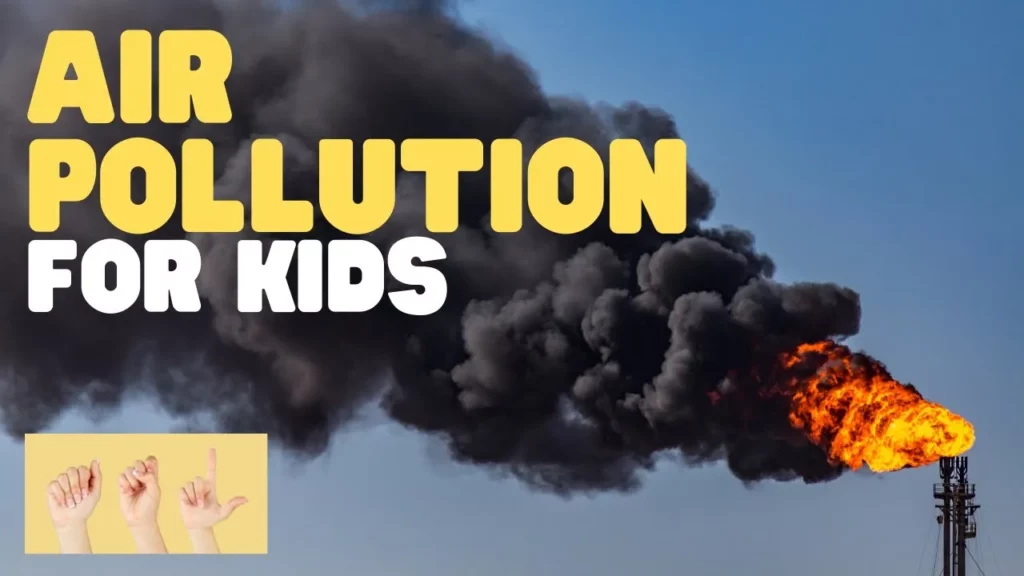
The lesson on air pollution highlights its significance as a major environmental issue that impacts all living beings on Earth. It explains that air pollution is caused by both natural sources and human activities, leading to harmful effects on health and the environment. The lesson also emphasizes the importance of taking action to reduce pollution through various methods, such as using less electricity, carpooling, and planting trees, to ensure cleaner air for everyone.
Making Inferences for Kids | What is an inference? | Inference and reading comprehension practice
The lesson on “Understanding Inferences” teaches that making inferences involves using clues and prior knowledge to draw conclusions about situations or characters, even when information isn’t explicitly stated. Through the example of Bradley and Mandy, students learn to identify details that lead to deeper understanding, such as how Mandy’s reaction to a guitar reveals her sadness connected to her father. By practicing inference-making, readers can enhance their comprehension of stories and real-life situations.
ASL All about Fish for Kids
The lesson “Discovering the World of Fish” explores the diverse characteristics and habitats of fish, highlighting their cold-blooded nature, unique features like gills for breathing underwater, and various diets based on species. It also discusses the importance of fish in ecosystems and human diets, while distinguishing them from other aquatic creatures. Overall, the lesson emphasizes the fascinating diversity and ecological significance of fish in our world.
ASL Simple and Compound Sentences for Kids
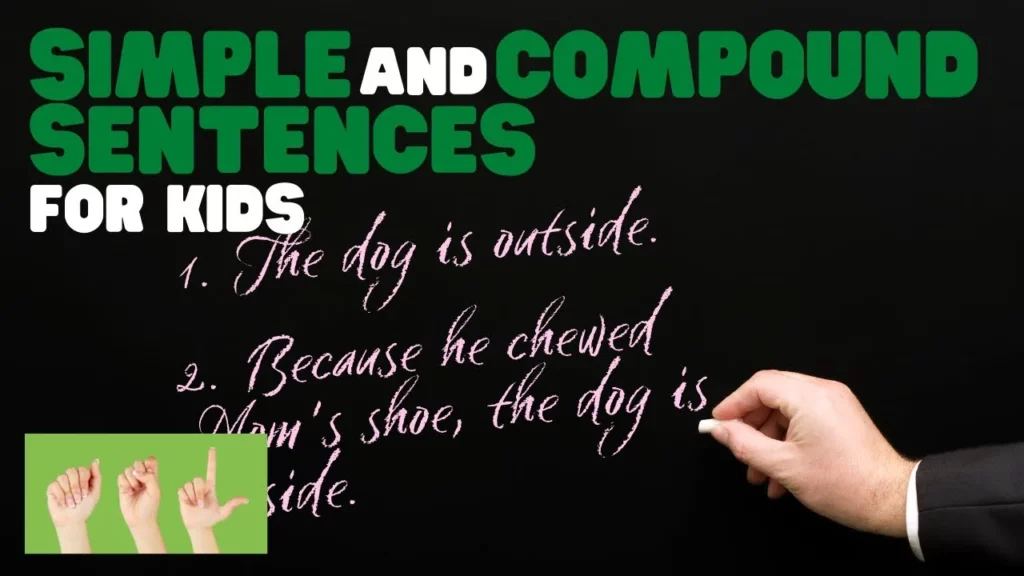
In this lesson, kids learn about simple and compound sentences, which are essential for effective communication. A simple sentence contains one subject and one predicate, while a compound sentence combines two simple sentences using conjunctions like “and” or “but.” By understanding these sentence types, students can enhance their writing and make it more engaging.
Checks and Balances for Kids | Three Branches of Government | Checks and Balances Explained
The lesson on “Understanding Checks and Balances” explains how the U.S. Constitution establishes a system to prevent any one branch of government from becoming too powerful. It outlines the roles of the three branches—legislative, executive, and judicial—and describes how checks and balances work, such as Congress making laws while the President can veto them, and the Supreme Court ensuring laws comply with the Constitution. This system is crucial for maintaining fairness and order in the government.
ASL Fossils for Kids
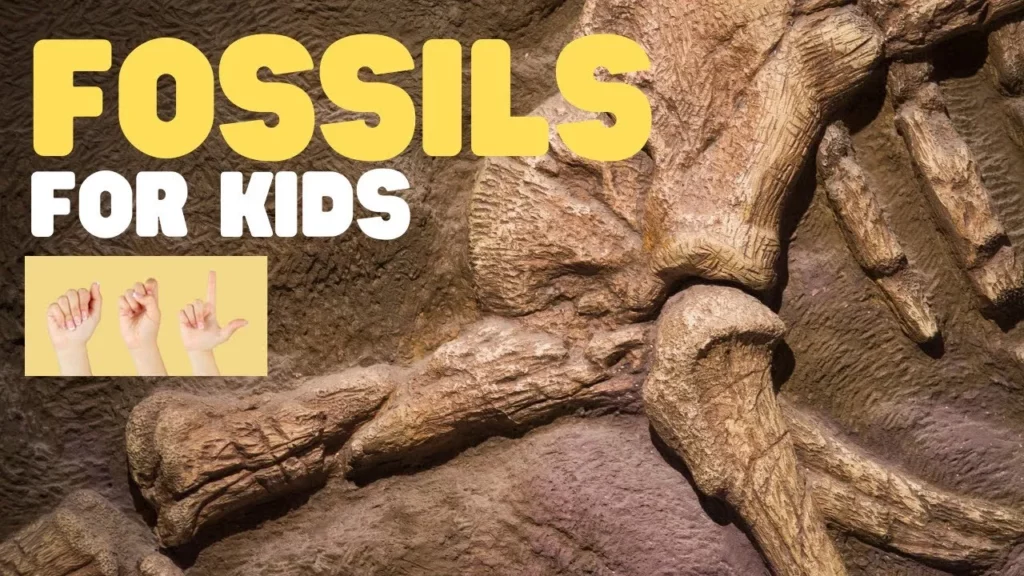
The lesson “Discovering Fossils: Nature’s Time Capsules” introduces students to fossils as preserved remnants of ancient life, highlighting their significance in understanding Earth’s history and the evolution of living organisms. It explains the fossilization process, the role of paleontologists in studying these remnants, and the different types of fossils, including body, trace, and mummified fossils. The lesson encourages curiosity and exploration, inspiring students to look for fossils in their own environments.
What Is the Electoral College? | Electoral college explained for kids
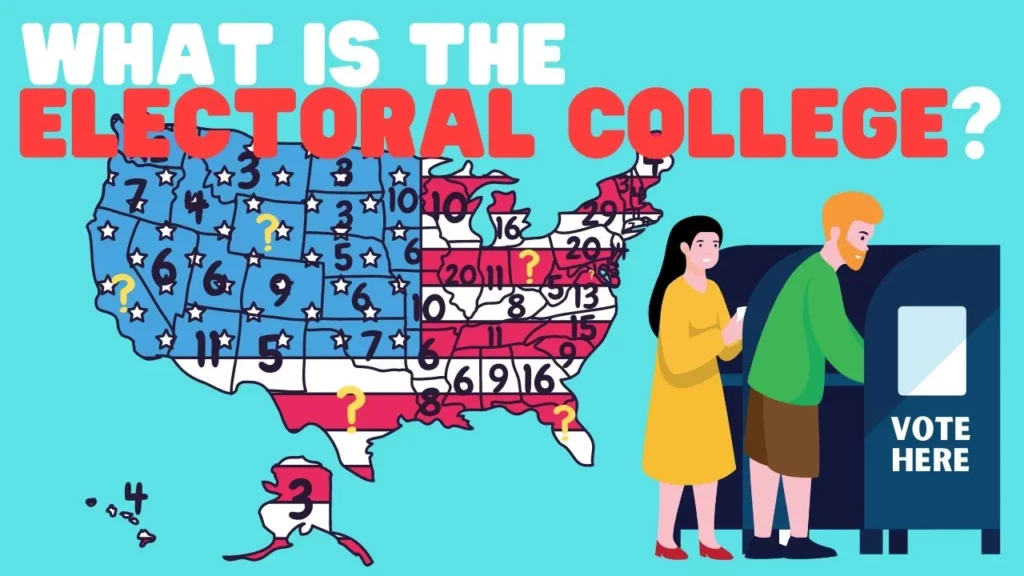
In this lesson, we explored the Electoral College, a system used in the United States to elect the president. Unlike a direct popular vote, candidates must secure a majority of the 538 electoral votes, with each state contributing a number of votes based on its population. This system ensures that both large and small states have a voice in the election process, promoting a more balanced representation across the country.