
ASL All about South America for Kids

In this lesson, students are introduced to South America, exploring its rich history, geography, and culture. Key highlights include the Incan civilization, the continent’s diverse countries and languages, and its remarkable natural features like the Andes Mountains and the Amazon rainforest. The lesson encourages curiosity about South America’s wonders, including famous landmarks and unique wildlife.
Absolute Value for 6th Grade | Learn how to solve absolute value equations
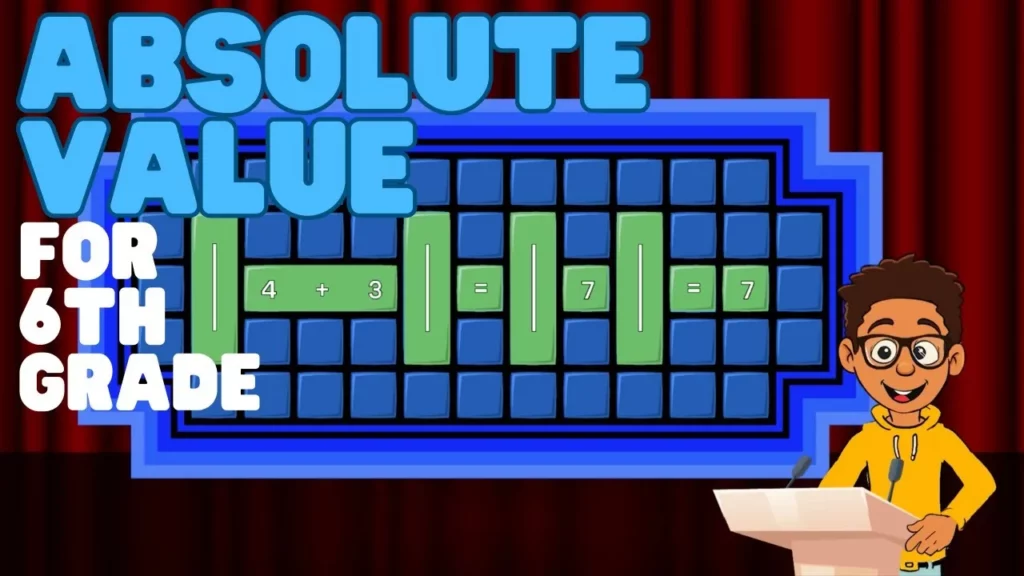
In this lesson, we explored the concept of absolute value, which represents the distance of a number from zero on a number line, regardless of its sign. We learned that every number, except zero, has an absolute value, and that the placement of negative signs is crucial in determining the outcome of calculations involving absolute values. Through examples and real-life scenarios, we practiced how to find absolute values and apply them in mathematical equations.
ASL Making Inferences for Kids
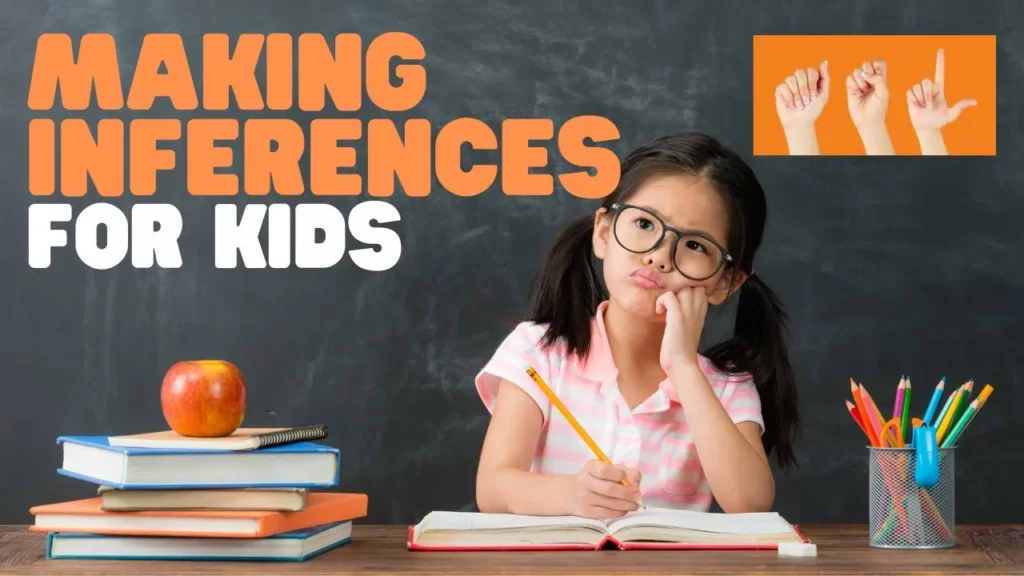
The lesson on “Understanding Inferences” teaches that making inferences involves using prior knowledge and clues to deduce information that isn’t explicitly stated. By following a simple four-step process—reading the text, identifying clues, combining details with existing knowledge, and making a guess—readers can enhance their comprehension of stories. The example of Bradley and Mandy illustrates how inferences can reveal deeper emotional contexts, helping readers connect with characters and their experiences.
Compare and Contrast for Kids | Learn how to compare and contrast anything!

In this lesson, kids learn about comparing and contrasting, which involves identifying similarities and differences between two items or concepts. Through relatable examples like apples and oranges, as well as basketballs and soccer balls, students discover how to analyze characteristics and attributes. The lesson encourages them to practice this skill with their own comparisons, fostering critical thinking and observational skills.
ASL The Human Heart for Kids

The lesson on “The Amazing Human Heart” explores the heart’s vital role in the circulatory system, highlighting its automatic beating, structure, and the journey of blood as it circulates oxygen and nutrients throughout the body. It emphasizes the importance of maintaining heart health through exercise, a balanced diet, hydration, and regular movement. Overall, the heart is presented as an incredible organ essential for sustaining life, with practical tips for keeping it strong and healthy.
ASL Rocks for Kids
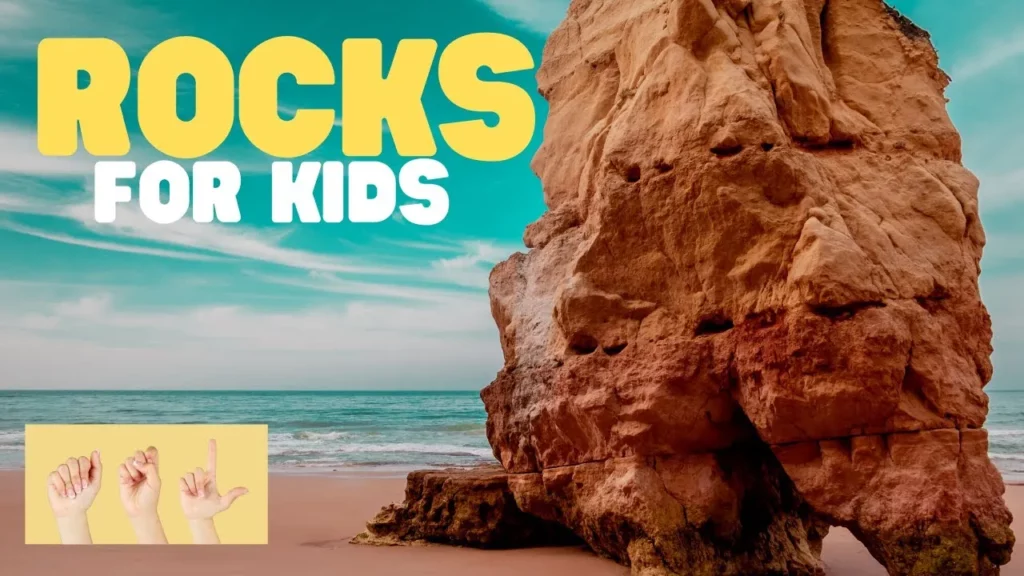
In this lesson, students learn about geology, the science of studying the Earth and its rocks, and the role of geologists. They explore the three main types of rocks—sedimentary, metamorphic, and igneous—understanding how each type is formed and their unique characteristics. The lesson encourages curiosity about rocks and emphasizes the importance of sustainable living in harmony with the Earth.
ASL Plate Tectonics for Kids
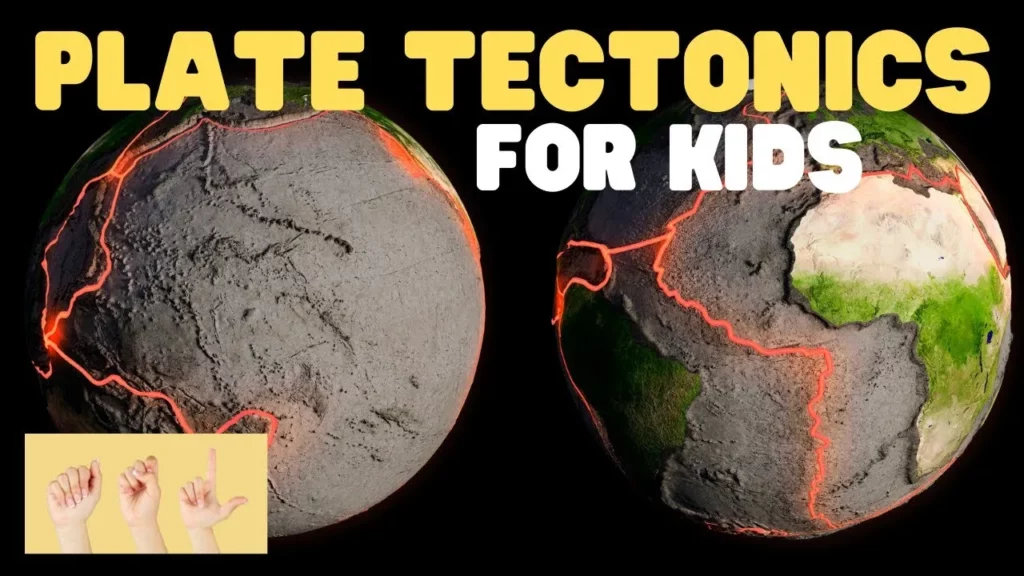
In this lesson, we explored the concept of plate tectonics, which describes the movement of large sections of the Earth’s crust known as tectonic plates. We learned about the different types of plates, their boundaries—convergent, divergent, and transform—and how these movements can lead to geological features like mountains, rift valleys, and earthquakes. Additionally, we discussed the historical supercontinent Pangea and how scientists track plate movements using GPS technology to better understand our dynamic planet.
ASL The Respiratory System for Kids
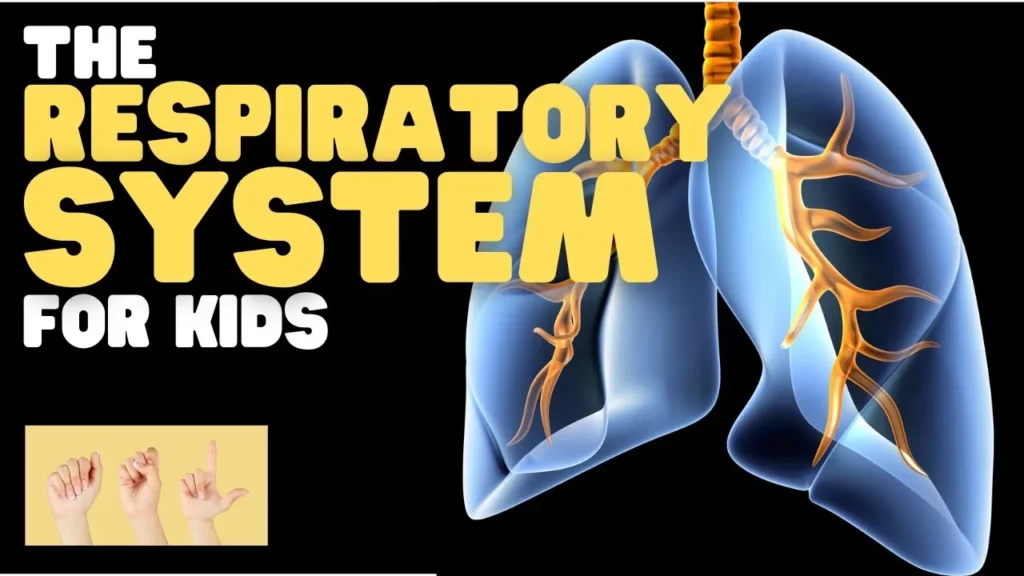
In this lesson, students are introduced to the respiratory system, focusing on the lungs and their vital role in bringing oxygen into the body and removing carbon dioxide. Key components such as the trachea, pharynx, and alveoli are explained, along with fun facts about breathing, hiccups, and the importance of the diaphragm. The lesson concludes with a review of the material, emphasizing the significance of respiration and the incredible efficiency of the lungs.
ASL Parts of Plants for Kids
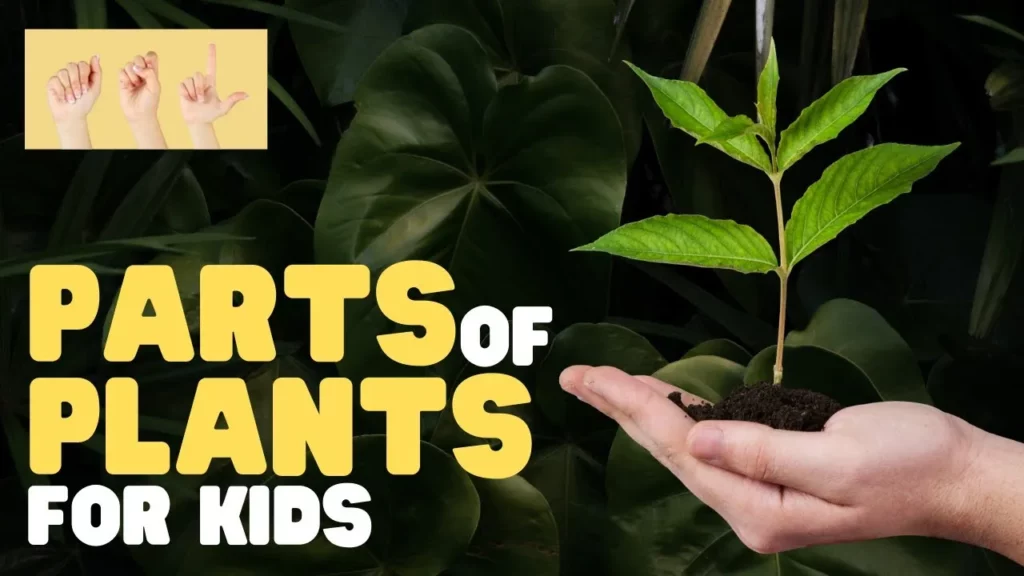
In this lesson, we explored the fascinating world of plants, highlighting their importance in our lives as sources of food, oxygen, and materials for everyday items. We learned about the different parts of a plant—roots, stems, leaves, flowers, fruits, and seeds—and their specific roles in growth and survival. Additionally, we discussed the essential care plants need to thrive, emphasizing their vital role in our ecosystem.
Simple and Compound Sentences for Kids | Learn the difference between simple and compound sentences
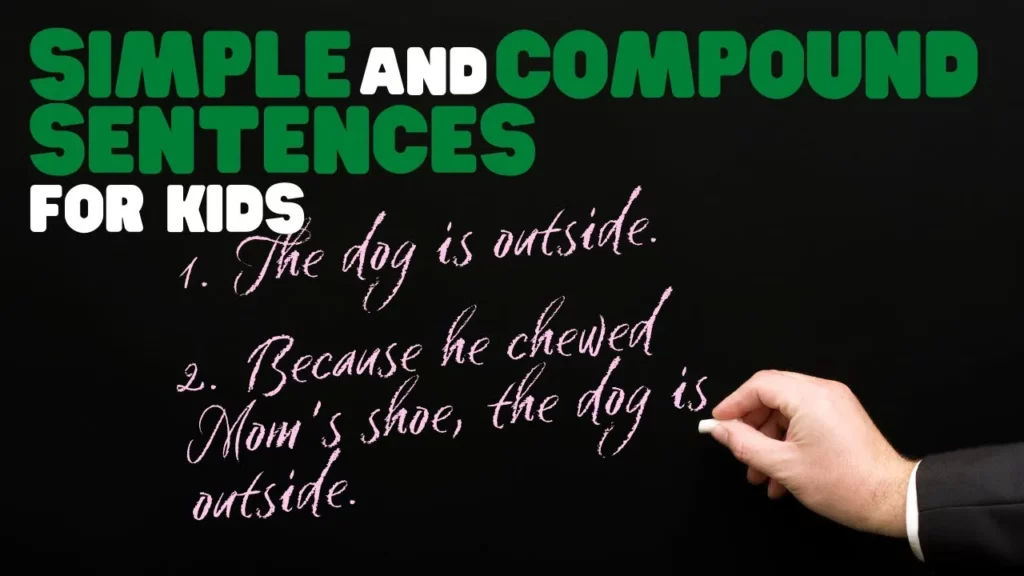
In this lesson, students learn about two types of sentences: simple and compound sentences. A simple sentence contains one subject and one verb, conveying a complete idea, while a compound sentence combines two simple sentences using conjunctions like “and,” “but,” or “so.” The lesson emphasizes the importance of proper punctuation and encourages students to incorporate both types of sentences in their writing for added interest.