
ASL Living and Non-living Things for Kids
In this lesson, students explore the differences between living and non-living things. Living things, such as animals and plants, have the ability to grow, take in nutrients, and reproduce, while non-living things, like rocks and cars, do not possess these characteristics. Through interactive activities, learners practice identifying and distinguishing between living and non-living entities in their environment.
ASL Decoding Words for Kids
In this lesson on decoding words, students learn that words are everywhere and sometimes challenging to pronounce or understand. The lesson introduces decoding as a method for figuring out new words by breaking them down, using context clues, and recognizing familiar parts. By following specific steps to decode words, students can enhance their reading skills and vocabulary, ultimately becoming better readers across various subjects.
ASL What Is a Volcano? for Kids
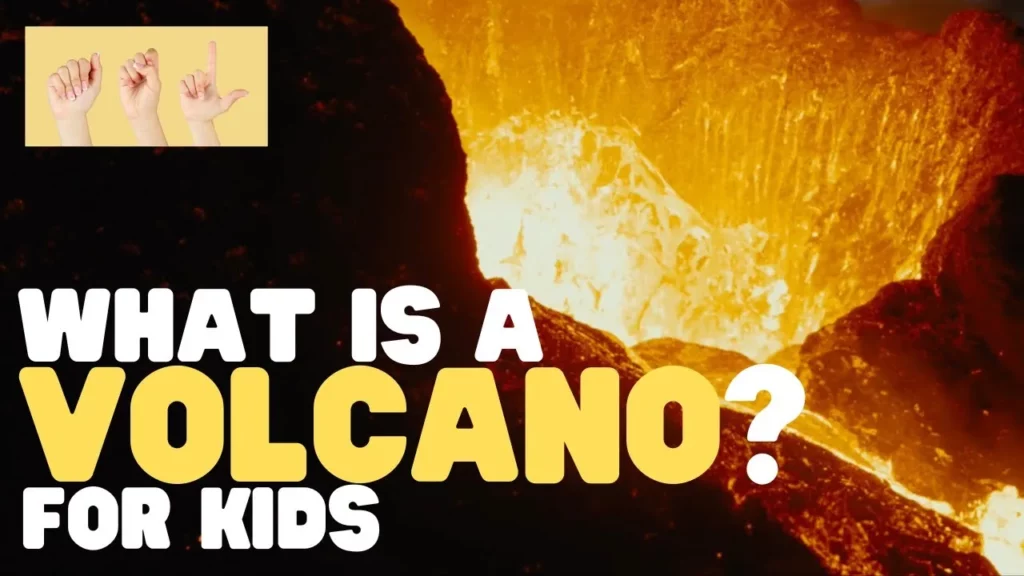
In this lesson, students learn about volcanoes, including their formation, types, and locations, with a focus on the active volcanoes found in the United States and the Pacific “Ring of Fire.” The lesson includes a hands-on experiment where students create a model volcano using simple materials, allowing them to observe the eruption process and compare it to real volcanic activity. This engaging approach helps to deepen their understanding of geological concepts while fostering a love for science.
ASL Dinosaur Facts for Kids
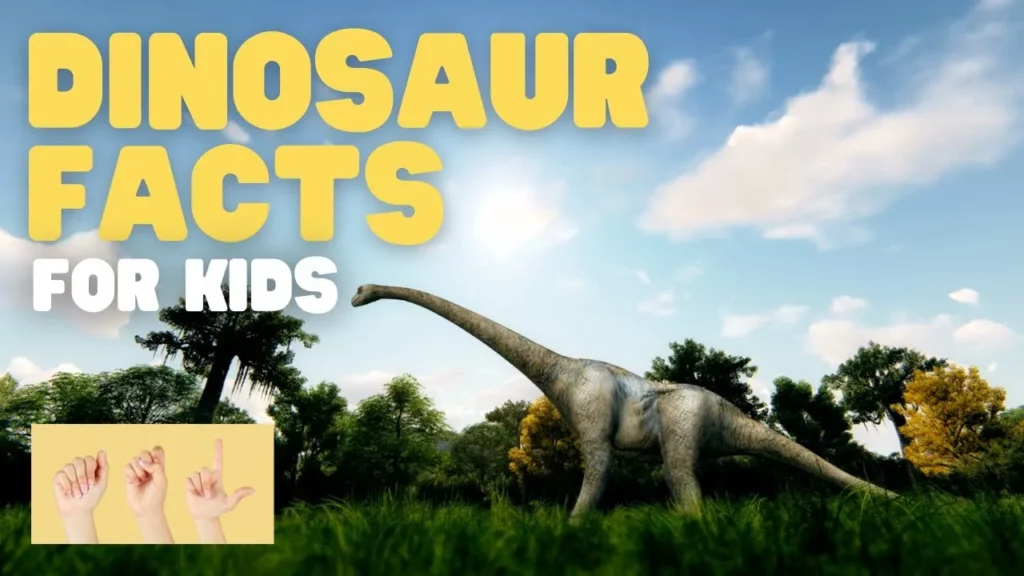
In this lesson, students embark on an exciting journey to explore the fascinating world of dinosaurs, learning about their existence during the Mesozoic Era, their evolution, and the theories surrounding their extinction. They discover the diversity of dinosaurs, including their sizes, diets, and connections to modern birds, while also engaging with interactive quizzes to reinforce their knowledge. Ultimately, the lesson emphasizes the importance of paleontology in uncovering the mysteries of these ancient creatures and inspires curiosity about future discoveries.
George Washington Carver for Kids | Learn all about his incredible life and story
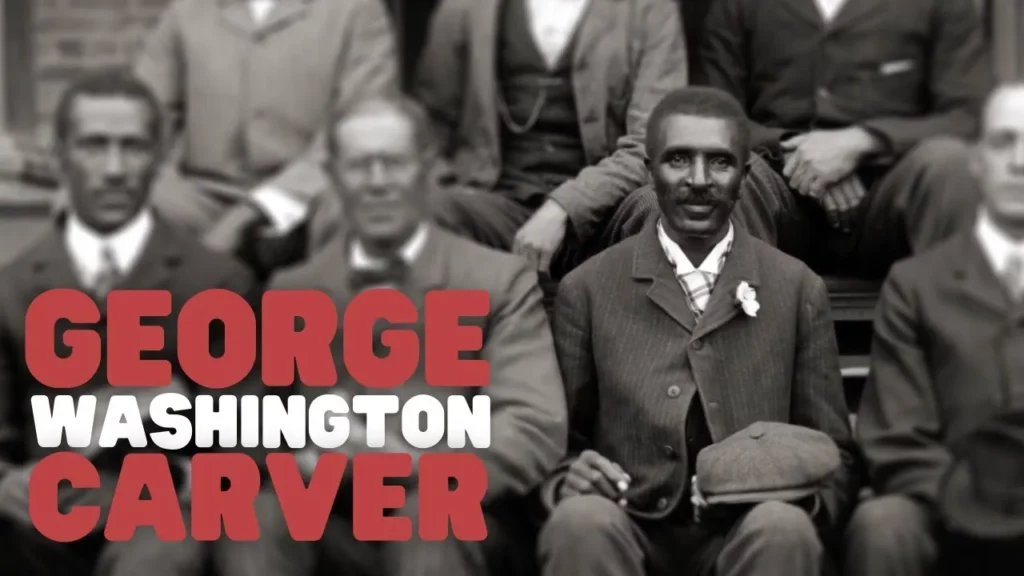
The lesson introduces George Washington Carver, a pioneering scientist and educator known for his innovative work with plants, particularly peanuts, and his dedication to helping farmers improve their agricultural practices. Despite facing significant challenges, including racial discrimination in education, Carver became a prominent figure at the Tuskegee Institute, where he taught sustainable farming techniques and promoted crop rotation to enhance soil health. His legacy continues to inspire, as he is celebrated for his contributions to agriculture and his commitment to empowering Black farmers.
Decoding Words | Examples for kids learning how to decode words includes decoding words worksheets
In this lesson, students learn how to decode unfamiliar words by using various strategies, such as sounding out letters, blending sounds, breaking words into smaller parts, and looking for contextual clues within sentences. The lesson emphasizes the importance of reading and understanding new vocabulary to enhance comprehension across different subjects. By practicing these decoding techniques, students can become more confident in their ability to tackle challenging words and expand their language skills.
ASL Financial Literacy—Calculating Interest

In this lesson, students explore the concept of interest with the help of Frankie Finance, learning how it functions in both borrowing and saving scenarios. Key terms such as principal and rate are introduced, along with a simple formula for calculating interest: Interest = Principal × Rate × Time. The lesson emphasizes the importance of understanding interest for financial literacy, encouraging students to practice their skills and share their knowledge.
Cobras for Kids | Learn all about these fascinating reptiles!
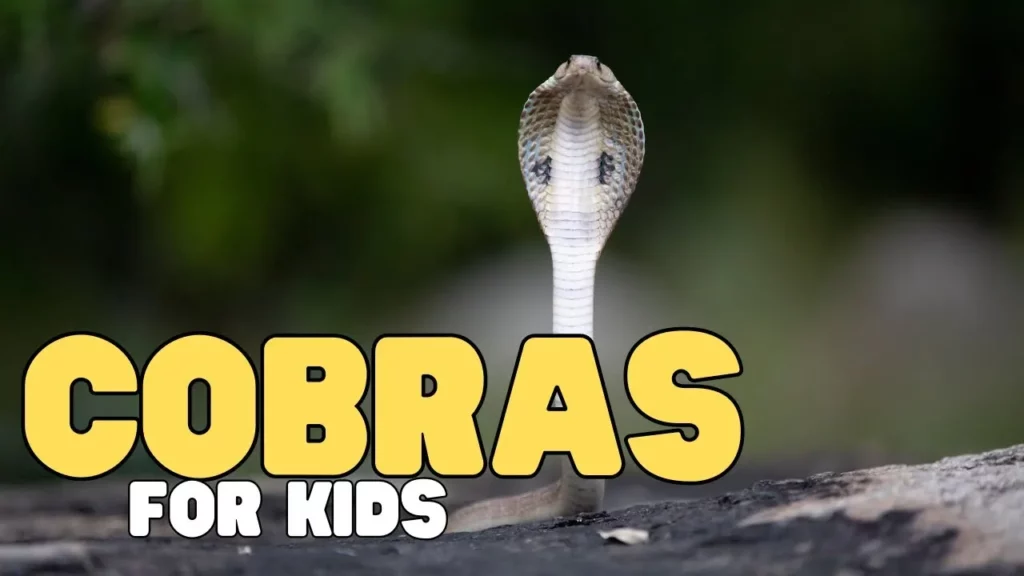
In today’s lesson, we explored the fascinating world of cobras, unique snakes known for their distinctive hoods and venomous fangs. We learned about their habitats, diet, and the important role they play in controlling small animal populations in the ecosystem. Additionally, we discussed their reproductive habits and the challenges some cobra species face due to habitat loss.
ASL What Is a Rainbow?
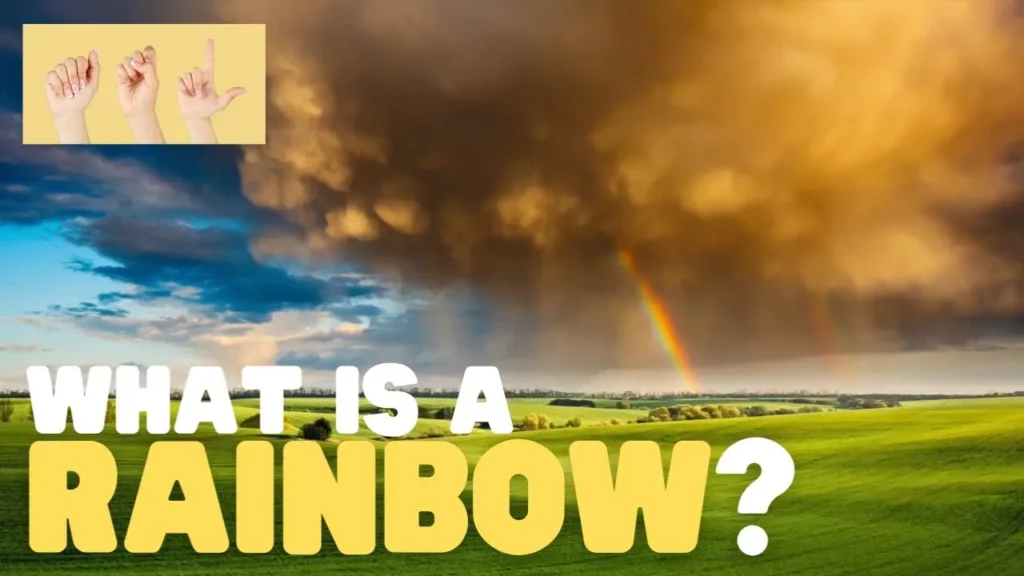
In this lesson, students explore the science behind rainbows, learning that they are formed when sunlight refracts and reflects through water droplets in the atmosphere, revealing the spectrum of colors: red, orange, yellow, green, blue, indigo, and violet. The lesson emphasizes that rainbows are optical illusions that cannot be touched and highlights fun facts, such as the existence of moonbows and double rainbows. Students are encouraged to create their own rainbows using a garden hose, reinforcing the connection between sunlight, water, and the colorful phenomenon.
Black History Month for Kids | Learn about the month-long celebration of African American history
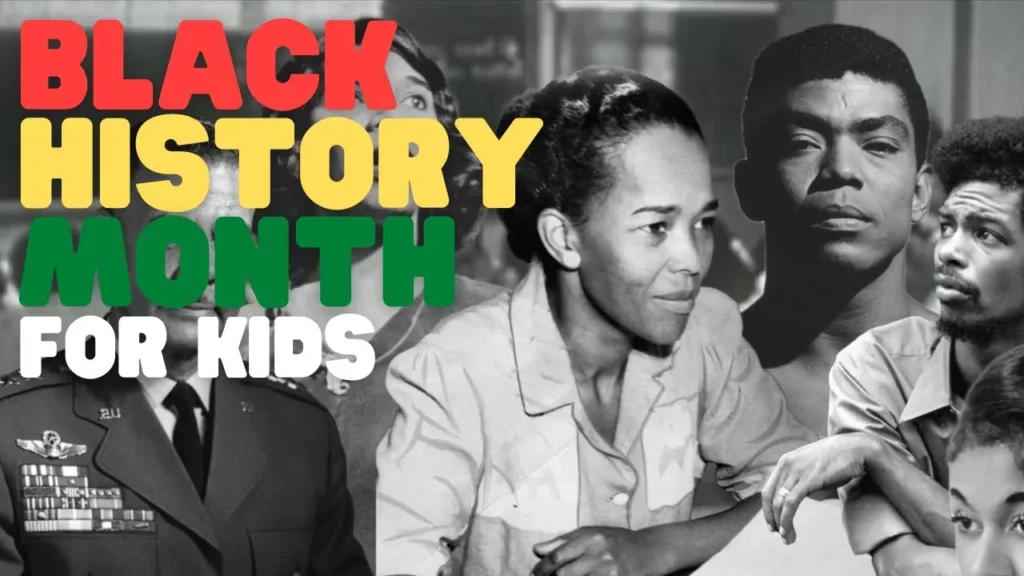
Black History Month, celebrated every February, honors the achievements and contributions of African Americans throughout history, highlighting figures like Martin Luther King Jr. and Harriet Tubman. Established by historian Carter G. Woodson in 1926 as Negro History Week and later expanded to a month in 1976, this observance serves to educate people about the often-overlooked history of African Americans and to promote ongoing efforts toward equality and justice. Engaging in activities such as reading works by Black authors and participating in events can help individuals celebrate and recognize the significance of this important month.