
Living and Non-living Things for Kids | Learn why some things are alive and others are not
In this lesson, we explored the differences between living and non-living things. Living things possess three key characteristics: they grow, take in nutrients, and reproduce, while non-living things do not exhibit these traits and have never been alive. Through engaging examples and activities, students learned to identify and differentiate between living and non-living entities in their environment.
What Is a Rainbow? | Rainbows for Kids | Learn how and why rainbows form
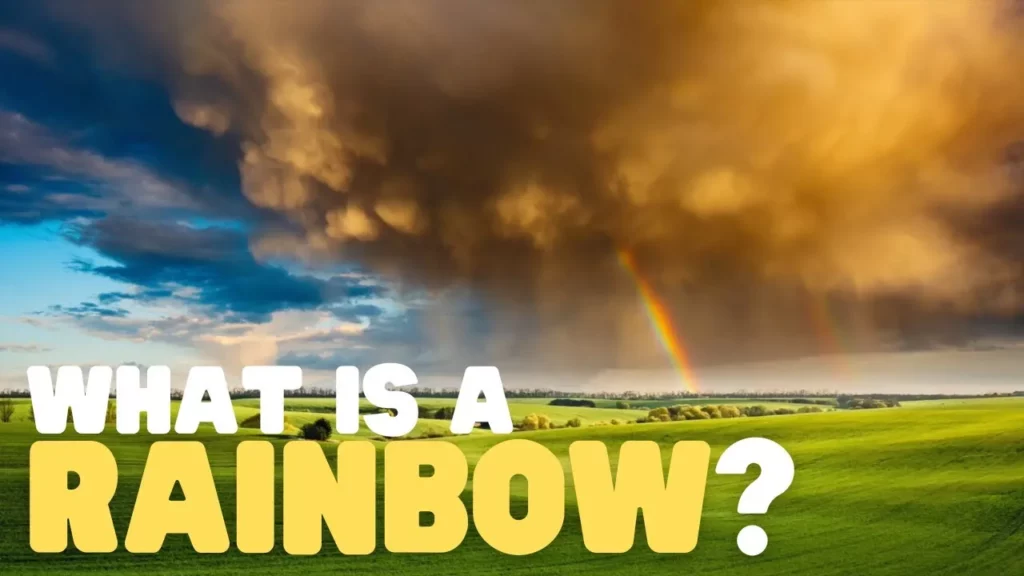
In this lesson, students explore the fascinating phenomenon of rainbows, learning how they form through the refraction and reflection of sunlight in raindrops. The lesson covers the seven colors of a rainbow, the conditions needed to see one, and fun facts about different types of rainbows, including moonbows and double rainbows. Students are encouraged to create their own rainbows using a garden hose, reinforcing the connection between light, water, and the visual spectacle of rainbows.
Bill of Rights for Kids | Learn about these 10 amendments of the Constitution
The lesson on the Bill of Rights explains its significance as a foundational element of the United States Constitution, established to protect individual rights and freedoms. It distinguishes between rights, which are inherent and cannot be taken away, and privileges, which can be revoked. The lesson details the ten amendments that comprise the Bill of Rights, highlighting their importance in safeguarding citizens’ liberties and ensuring fair treatment under the law.
The Food Chain for Kids | What is a food chain? | Come learn about producers, consumers and more!
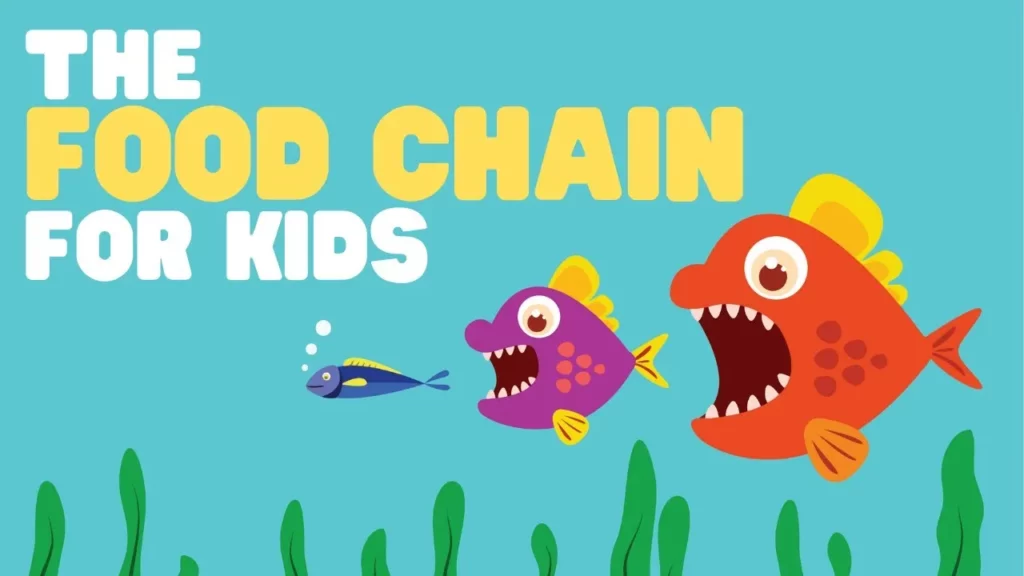
The lesson on “Understanding the Food Chain” explains the journey of energy from the sun through producers, consumers, and decomposers. It highlights the role of producers, primarily plants that use photosynthesis to create energy, and distinguishes between primary and secondary consumers, including herbivores, carnivores, and omnivores. Finally, it emphasizes the importance of decomposers in recycling nutrients back into the soil, completing the cycle and encouraging students to consider their food choices in relation to the food chain.
The Respiratory System for Kids
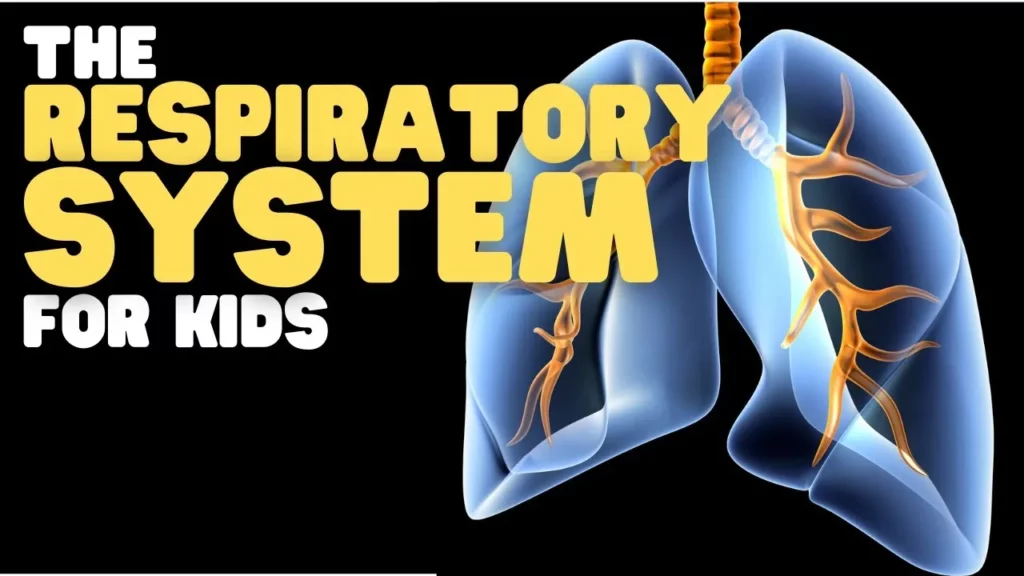
In this lesson, students are introduced to the respiratory system, focusing on the lungs and their vital role in bringing oxygen into the body and removing carbon dioxide. Key components such as the trachea, pharynx, and alveoli are explained, along with fun facts about breathing, including the function of the diaphragm and the importance of cilia in filtering air. The lesson concludes with a quiz to reinforce learning and highlights the impressive fact that an individual takes around 20,000 breaths in a day.
Harriet Tubman for Kids | Learn about Harriet Tubman and the Underground Railroad
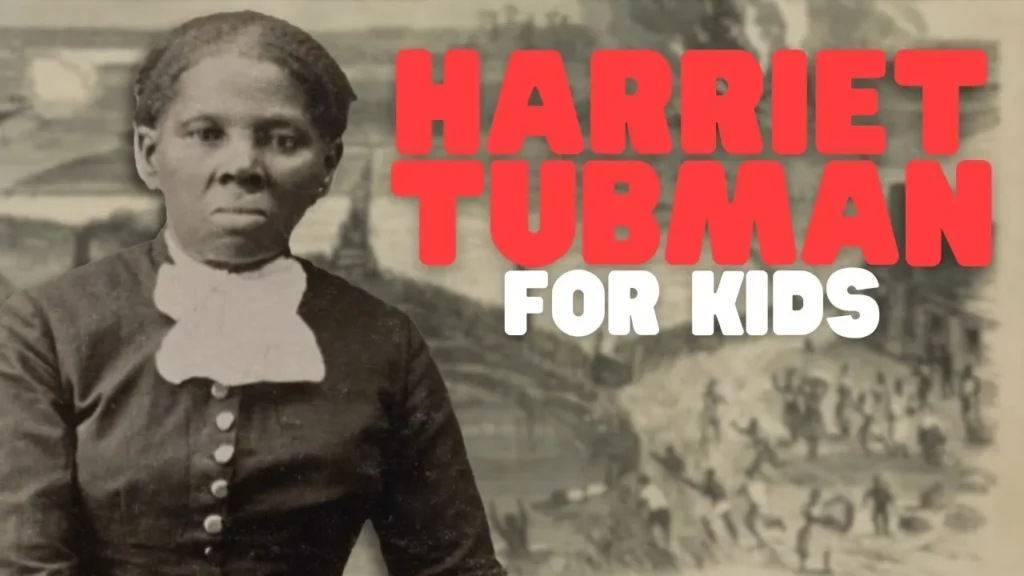
The lesson introduces Harriet Tubman, a remarkable figure in American history known for her bravery and dedication to helping enslaved people find freedom through the Underground Railroad. Born into slavery, Tubman escaped and risked her life by returning to guide others to safety, eventually serving as a scout and spy during the Civil War. Her legacy continues to inspire future generations to stand up for justice and make a difference in the world.
The History of Railroads for Kids | Learn about trains and the first railroad in America
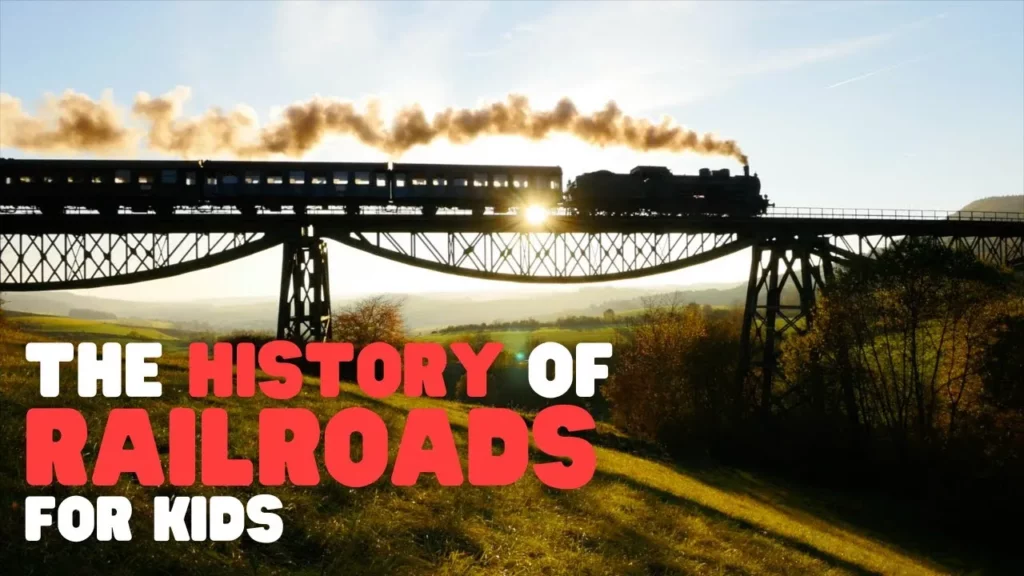
In this lesson, students explored the fascinating history of railroads, beginning with early travel methods and the initial use of horse-drawn train cars. The lesson highlighted the steam revolution, the expansion of railroads across the United States, and the advancements that made train travel safer and more enjoyable during the Golden Age of trains. Finally, it discussed modern high-speed trains and their potential future impact on transportation.
Ancient Greece | Learn the History and Facts about Ancient Greece for Kids
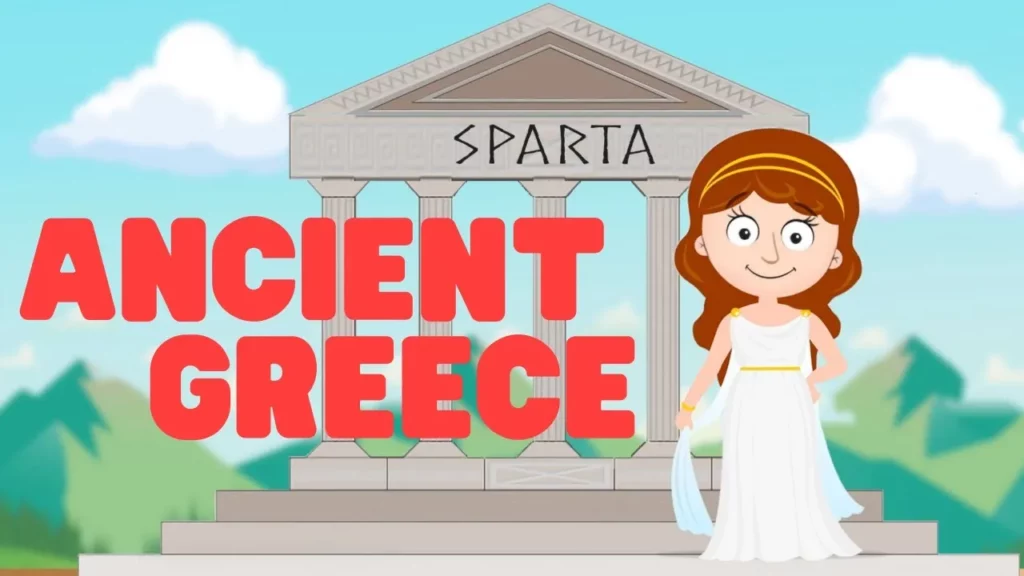
The lesson “Discovering Ancient Greece” explores the rich history and contributions of Ancient Greece, a civilization that thrived for about 700 years before being conquered by the Roman Empire. It highlights key achievements, such as the inception of the Olympic Games, advancements in geometry, and the influence of notable figures like Homer and philosophers such as Socrates and Aristotle. The lesson also discusses the structure of Greek society, including the independent city-states and the daily lives of its inhabitants, emphasizing the lasting impact of Ancient Greece on modern culture, government, and education.
Bats for Kids | Learn cool facts about bats
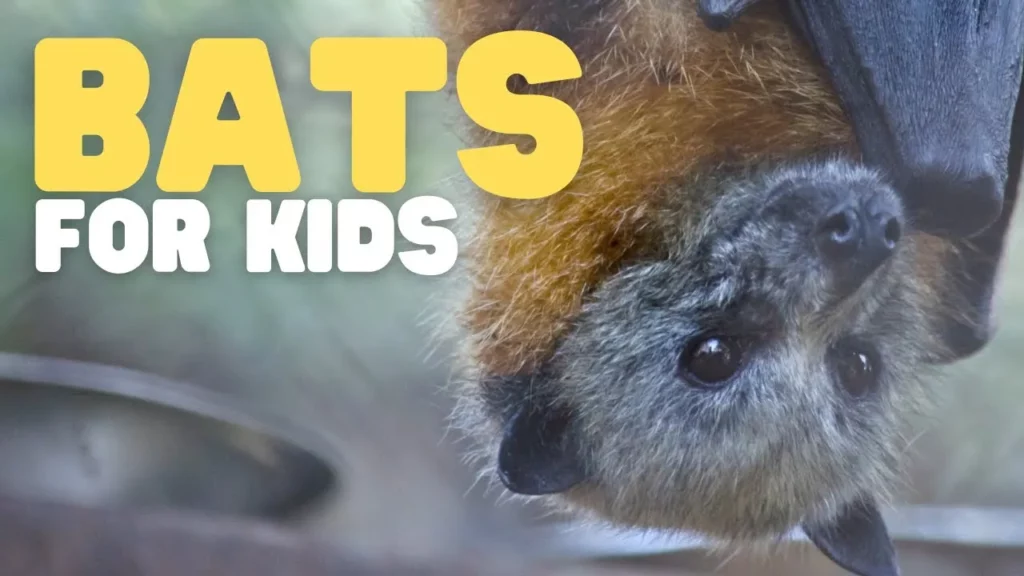
In today’s lesson, we explored the fascinating world of bats, the only mammals capable of true flight, and learned about their unique characteristics, such as their fur, echolocation abilities, and diverse diets. We also discussed the importance of bats in the ecosystem, including their roles in pollination and pest control, as well as the challenges they face, such as habitat loss and disease. By understanding and protecting bats, we can help ensure their survival and the health of our environment.
Water Bodies for Kids | What are the different bodies of water?
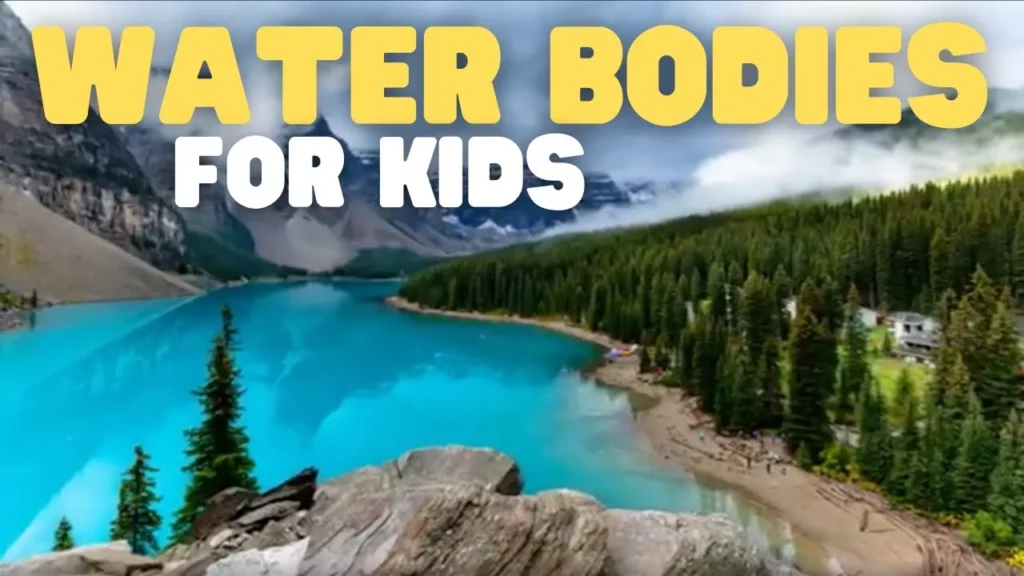
In this lesson, students explore the significance and diversity of water on Earth, discovering that over 70% of the planet’s surface is covered by water, primarily in oceans, which contain salt water, while lakes and rivers hold fresh water. The lesson highlights the importance of water for life, its various forms, and the unique characteristics of oceans, lakes, rivers, and streams, emphasizing their roles in the environment and human activities. Through engaging facts and interactive questions, learners gain a deeper appreciation for the vital role water plays in sustaining life on Earth.