
What Is an Asteroid? | Asteroids for kids | Learn all about asteroids
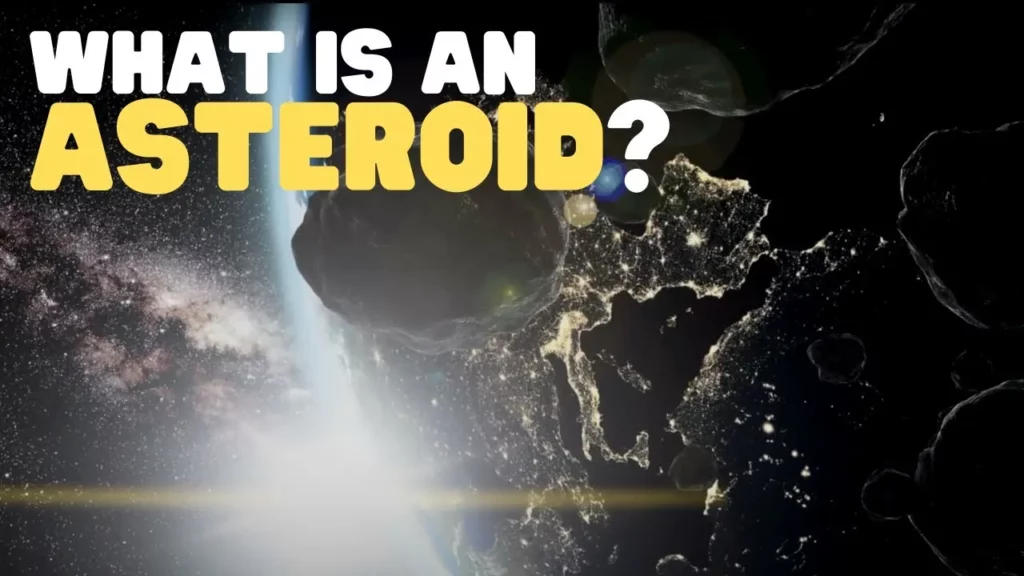
In this lesson, students explore the intriguing world of asteroids, learning about their composition, locations, and visibility in the night sky. They discover that asteroids are remnants from the formation of our solar system, primarily found in the asteroid belt between Mars and Jupiter, and are mostly made of rock, with some containing metals. The lesson encourages curiosity about space exploration and includes fun facts, such as the possibility of living on an asteroid and upcoming events like an asteroid flyby in 2029.
Gravity for Kids | Learn all about how gravitational force works
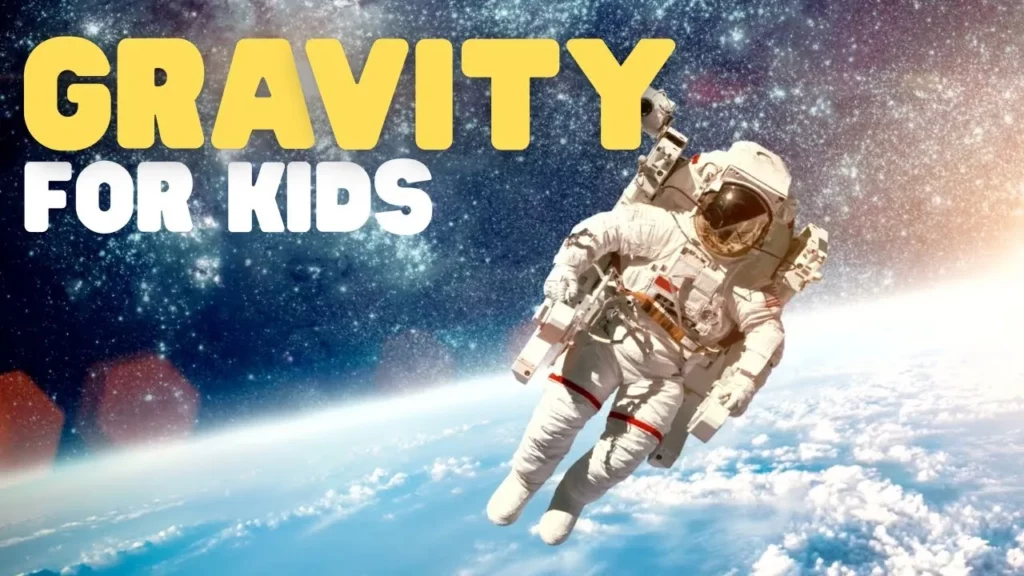
In this lesson, we explored the concept of gravity, a fundamental force that pulls objects toward each other and keeps planets in orbit around the sun. We learned that gravity depends on the mass of objects and their distance from one another, with notable contributions from scientists like Sir Isaac Newton and Albert Einstein, who helped us understand its effects on both mass and light. Ultimately, gravity is essential for life on Earth, influencing everything from our weight on different celestial bodies to the tides in our oceans.
All about North America for Kids | Learn about the countries of the North American Continent
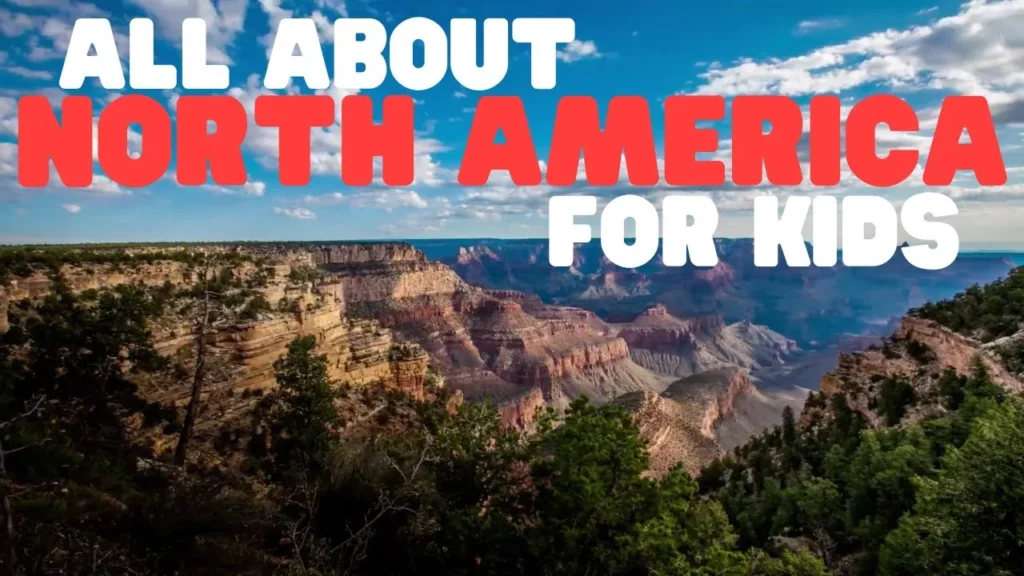
In this lesson, students embark on an exciting exploration of North America, discovering its diverse geography, rich history, and the variety of countries and cultures that inhabit the continent. They learn about the continent’s name origin, notable landscapes, wildlife, and ancient civilizations, as well as fun facts about its countries and famous attractions. The lesson concludes with a quiz to reinforce the knowledge gained about this vibrant and multifaceted region.
Who Is Benjamin Franklin? | Learn about the life and accomplishments of Ben Franklin
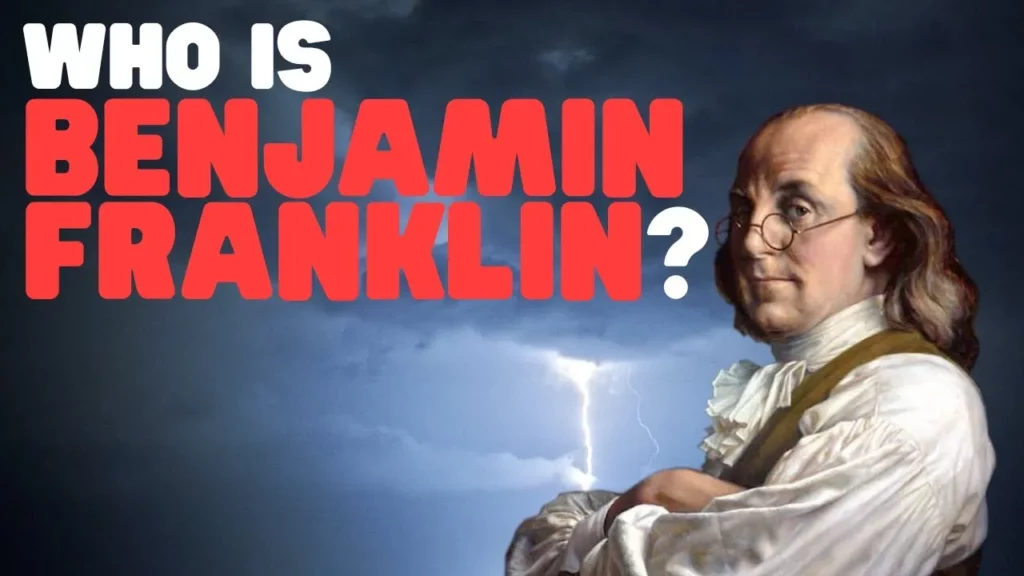
The lesson introduces Benjamin Franklin as a multifaceted individual known for his contributions as an inventor, writer, and Founding Father of the United States. It highlights his early life, innovative publishing efforts, significant role in American independence, and notable inventions, emphasizing his lasting legacy in various fields. Through engaging anecdotes and fun facts, the lesson showcases Franklin’s impact on society and encourages further exploration of his achievements.
The Grand Canyon for Kids | Learn all about this natural wonder of the world
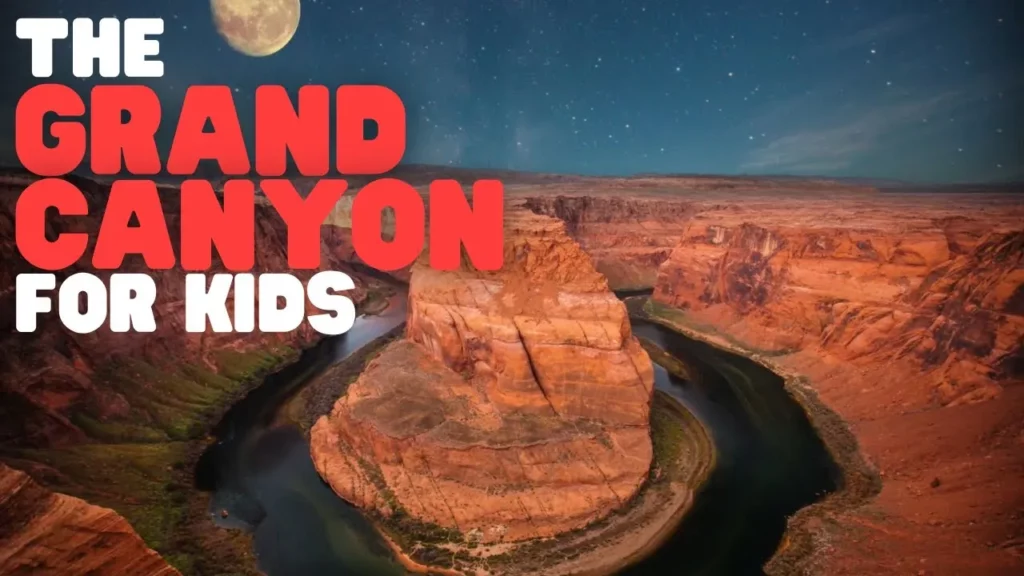
In this lesson, young explorers embark on an adventure to discover the Grand Canyon, a remarkable natural wonder located in Arizona, formed by the Colorado River over millions of years. Students learn about its geological history, the Indigenous peoples who have lived there, its vast size and diverse wildlife, and the various activities available for visitors. The lesson concludes with a fun quiz to reinforce their knowledge about this iconic landmark.
Plate Tectonics for Kids | Tectonic plates explained
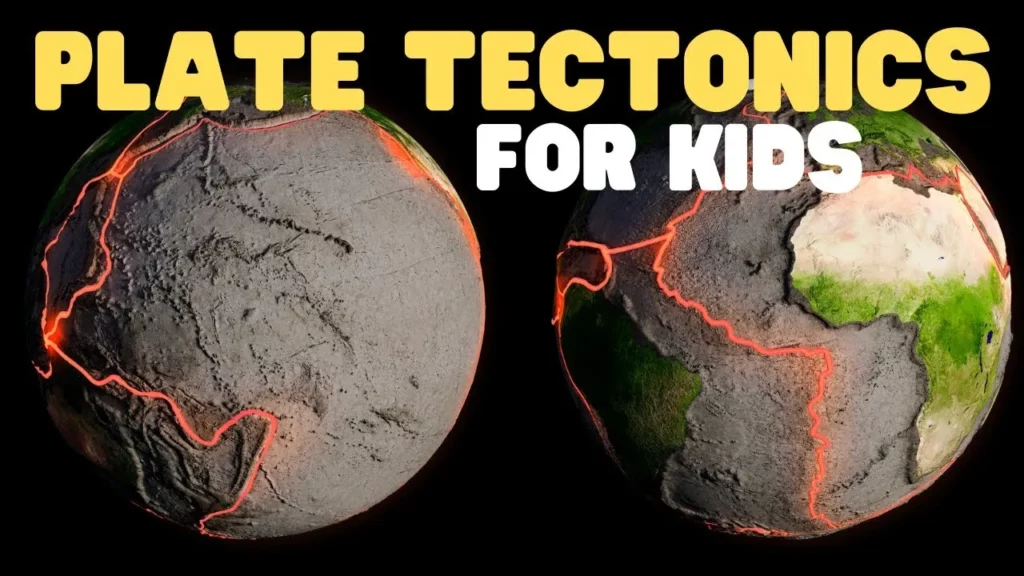
In this lesson on plate tectonics, students learn that the Earth’s lithosphere is divided into tectonic plates that float on the molten asthenosphere beneath. These plates move slowly and interact at boundaries, leading to various geological features and events, such as mountains, rift valleys, and earthquakes. The lesson also touches on the historical supercontinent Pangaea and how scientists use technology to monitor plate movements and predict seismic activity.
Graphs for Kids | Learn all about basic graphs
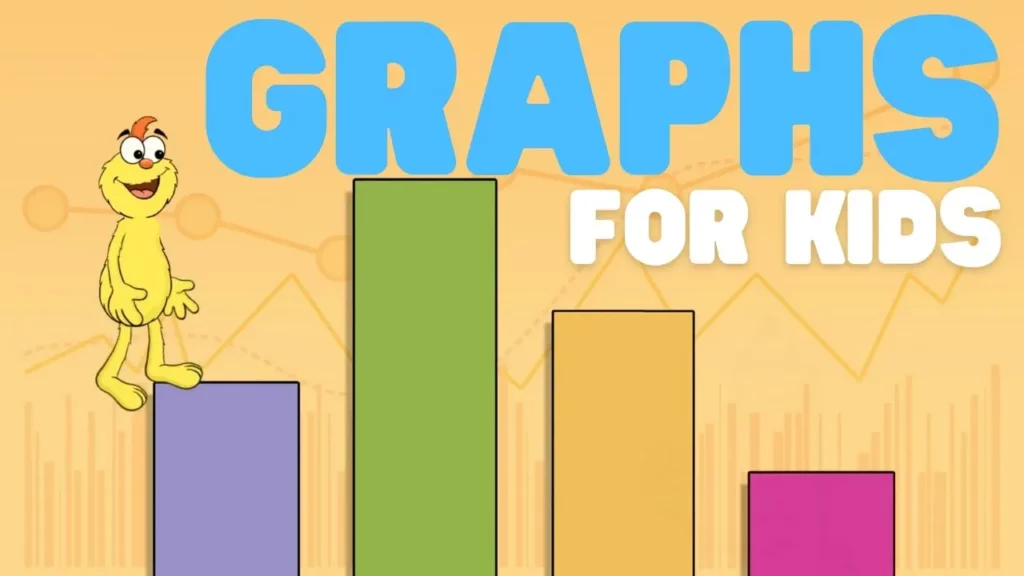
In today’s lesson, we explored the exciting world of graphs, which are visual tools that help us quickly understand information. We learned about four types of graphs: pictographs, bar graphs, line graphs, and pie charts, each serving a unique purpose in displaying data. Finally, students were encouraged to create their own graphs to reinforce their understanding and practice this valuable skill.
Layers of the Earth for Kids | Learn facts about the different layers of Earth
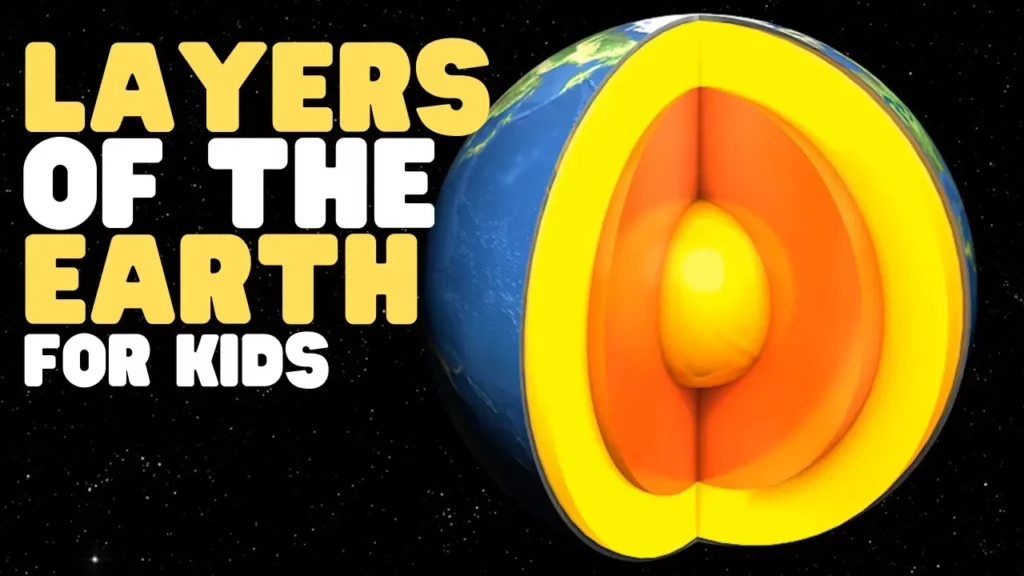
In this lesson, students explore the Earth’s structure, which consists of four main layers: the crust, mantle, outer core, and inner core. They learn about the characteristics of each layer, including their composition, thickness, and temperature, as well as the movement of tectonic plates that can lead to earthquakes. The lesson emphasizes the fascinating complexity of our planet beneath the surface and encourages curiosity about what lies below.
All about the UK for Kids
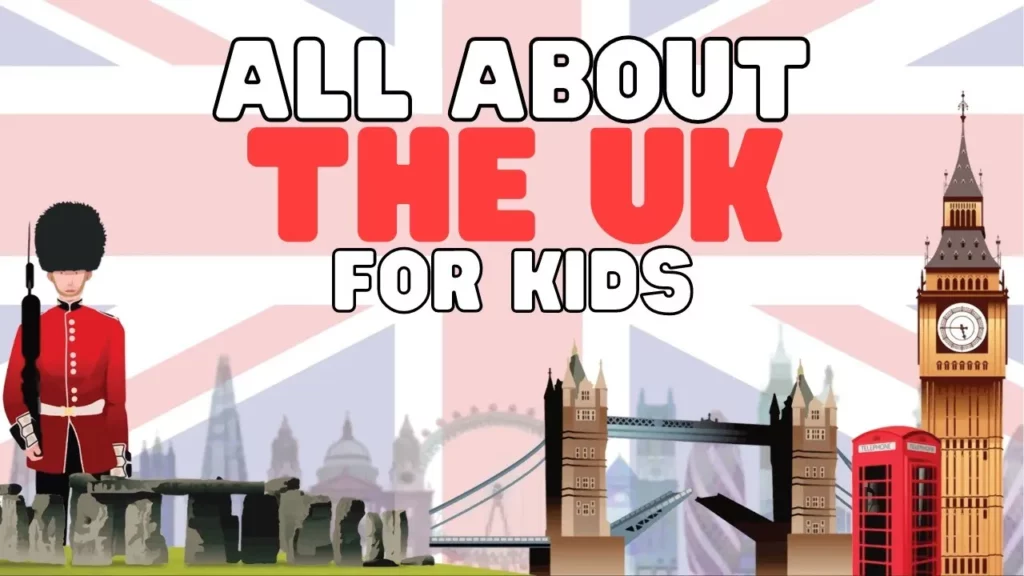
In this lesson, students are introduced to the United Kingdom (UK), an island nation in Western Europe comprised of four countries: England, Scotland, Wales, and Northern Ireland. The lesson covers key facts about the UK’s geography, population, history, and notable landmarks, emphasizing its rich cultural heritage and diverse cities, particularly London. Students also learn fun trivia, such as the UK’s love for tea and the significance of famous sites like Big Ben and Stonehenge.
Ancient Greece for Kids | Learn all Ancient Greek history with this fun overview
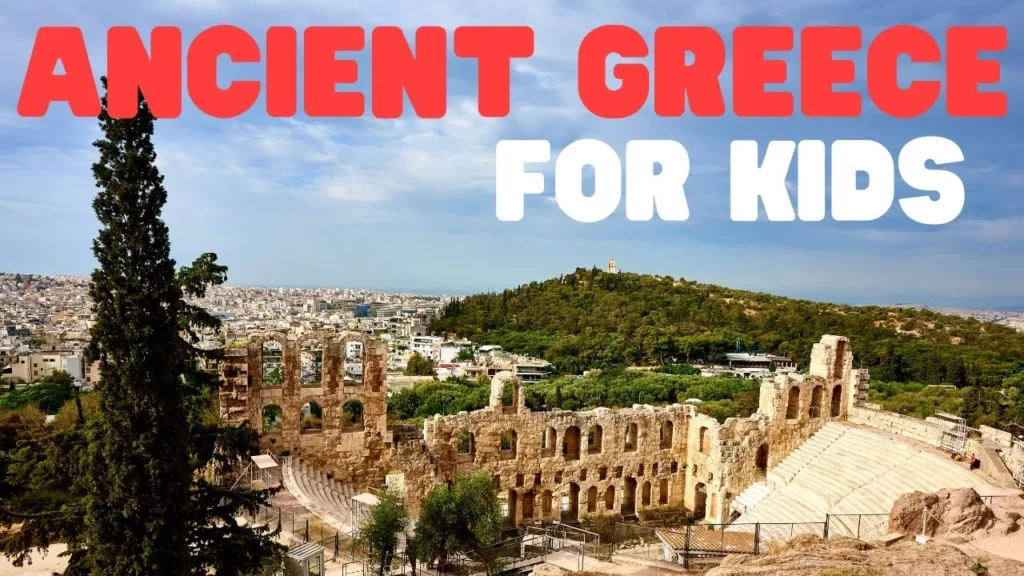
The lesson on “Discovering Ancient Greece” explores the rich history and lasting influence of this ancient civilization, which thrived for approximately 700 years and laid the groundwork for many aspects of modern society. Key topics include the timeline of Greek civilization, notable contributions in architecture, theater, philosophy, and democracy, as well as insights into daily life and the significance of various city-states. Ultimately, the legacy of ancient Greece is evident in contemporary culture, governance, and language.