
Weather for Kids | What is weather, and how does it work?
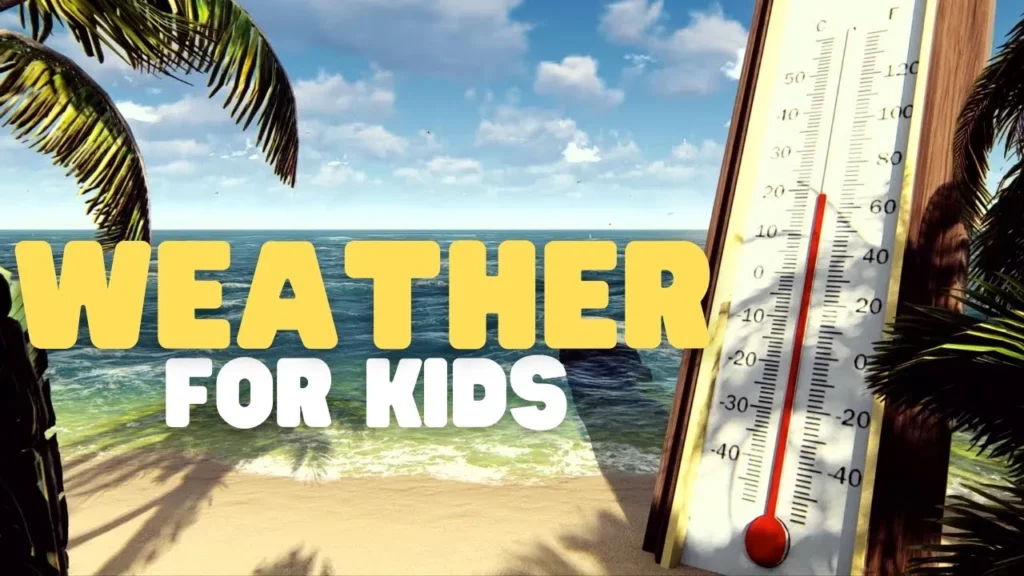
In today’s lesson, we explored the concept of weather, including its various types such as hot or cold, wet or dry, clear or cloudy, and calm or stormy. We learned about the role of the atmosphere in weather changes, the tools used to measure temperature, humidity, air pressure, and wind, and the important work of meteorologists in predicting weather conditions. Understanding the weather helps us make informed choices about what to wear and how to plan our activities.
Recycling for Kids | Learn how to Reduce, Reuse, and Recycle
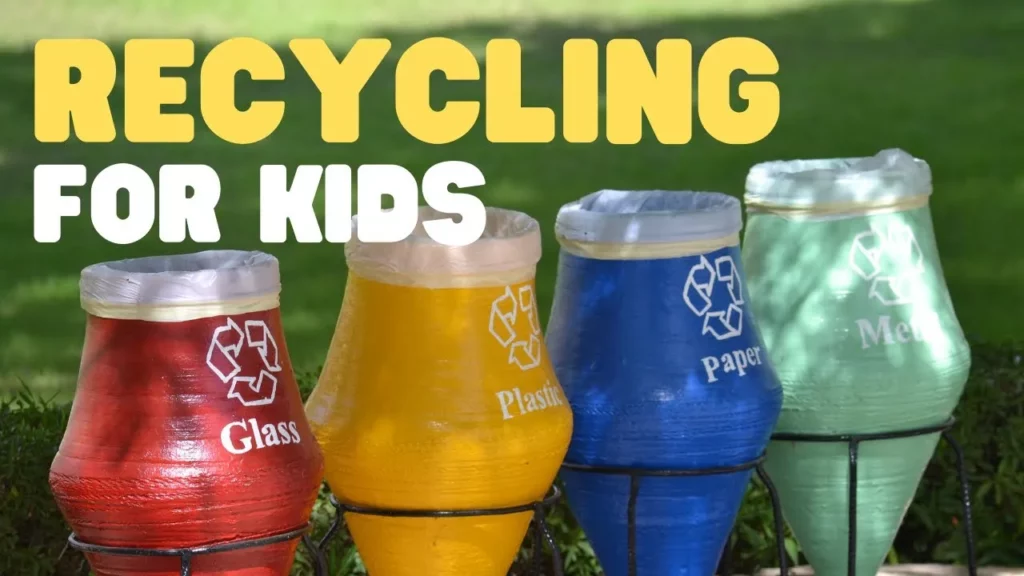
The lesson on “Recycling for Kids” teaches the importance of recycling used materials like paper, plastic, and glass to create new products, which helps conserve natural resources and reduce pollution. It outlines the steps involved in recycling—collection, sorting, and processing—and emphasizes the “Three R’s”: Reduce, Reuse, and Recycle, encouraging kids to adopt these practices in their daily lives. By participating in recycling, children can contribute to a cleaner environment and help protect the planet.
Ocean Animals for Kids | Learn all about the Animals and Plants that Live in the Ocean
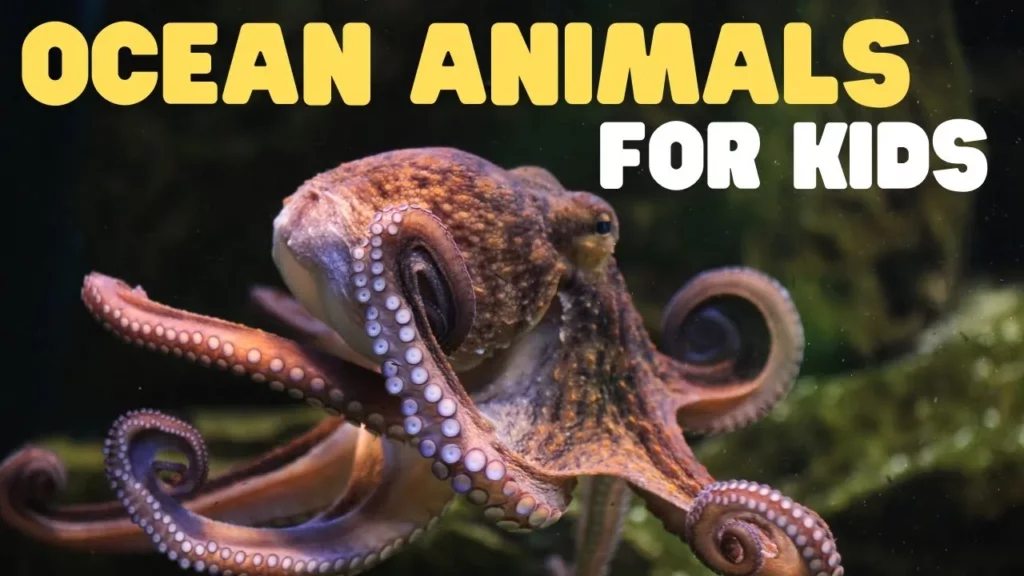
The lesson “Discovering Ocean Animals” explores the vastness of the world’s oceans, which cover over 70% of the planet and host a diverse array of plants and animals. It highlights the significance of oceanic ecosystems, detailing various ocean plants like seaweed, kelp, and coral, as well as animals that depend on these environments, including sea turtles and polar bears. Additionally, the lesson introduces the five major oceans—Pacific, Atlantic, Indian, Southern, and Arctic—emphasizing their unique characteristics and the vital role they play in sustaining life on Earth.
Weathering for Kids | What Is Weathering? Fun Introduction to Weathering for Kids
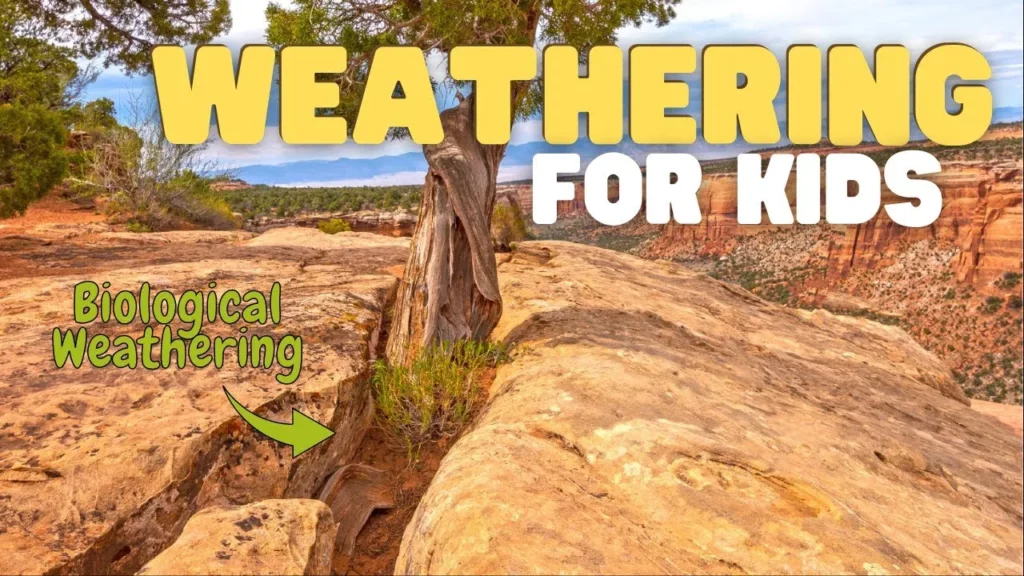
In this lesson, students learn about weathering, the natural process that breaks down rocks and minerals, contributing to the formation of landscapes like the Grand Canyon. The lesson covers three types of weathering: chemical, which involves changes in minerals due to chemical reactions; mechanical, which physically breaks rocks into smaller pieces; and biological, where living organisms contribute to the weathering process. By understanding these concepts, students can appreciate how the Earth’s surface is constantly changing.
Mammals for Kids | Learn all about the unique characteristics of mammals and what mammals are!
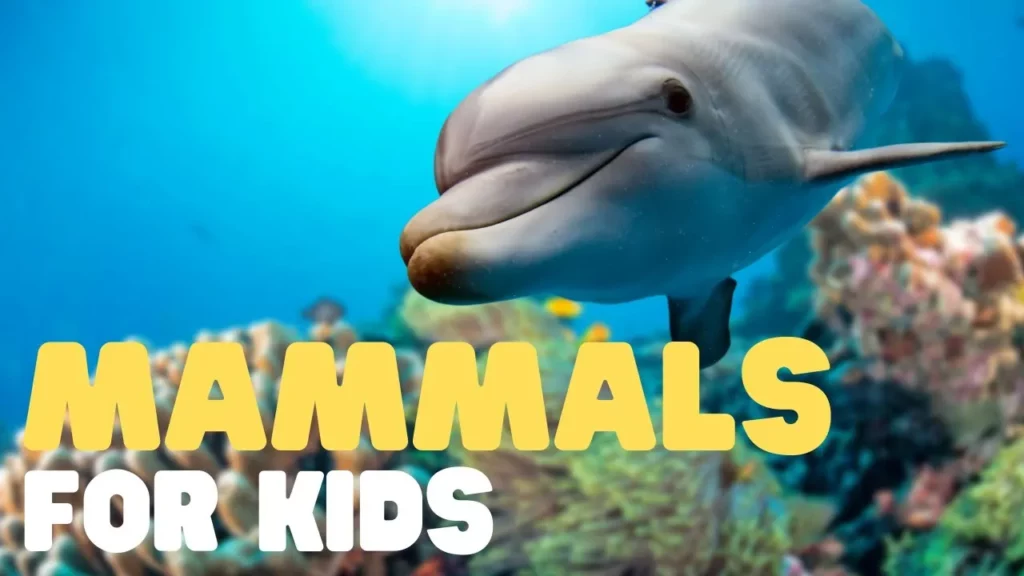
The lesson “All About Mammals” introduces the classification of animals, focusing on mammals as a distinct group of vertebrates characterized by traits such as warm-bloodedness, fur or hair, and the ability to give birth to live young. It highlights the diversity within mammals, noting their various sizes, habitats, and unique adaptations, such as how they regulate body temperature and care for their young. Overall, the lesson emphasizes the importance of understanding mammals and their unique characteristics in the broader context of animal classification.
What Is an Arthropod? | Teach your kids about this curious group of animals
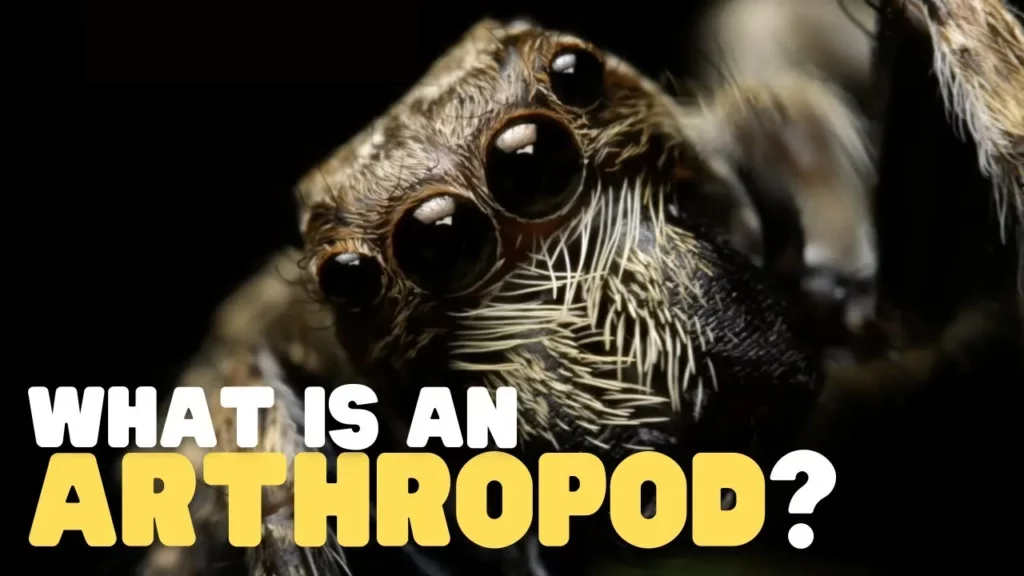
In this lesson, students explore the diverse and fascinating world of arthropods, the most numerous group of animals on Earth, characterized by their jointed legs and segmented bodies. They learn about the four main subgroups of arthropods—Chelicerata, Myriapoda, Hexapoda, and Crustacea—and their unique adaptations, such as exoskeletons and specialized breathing systems. The lesson also highlights the ecological importance of arthropods, including their roles in pollination and as subjects of scientific study, while encouraging students to observe these creatures in their own environments.
The Water Cycle for Kids | Learn all about the water cycle
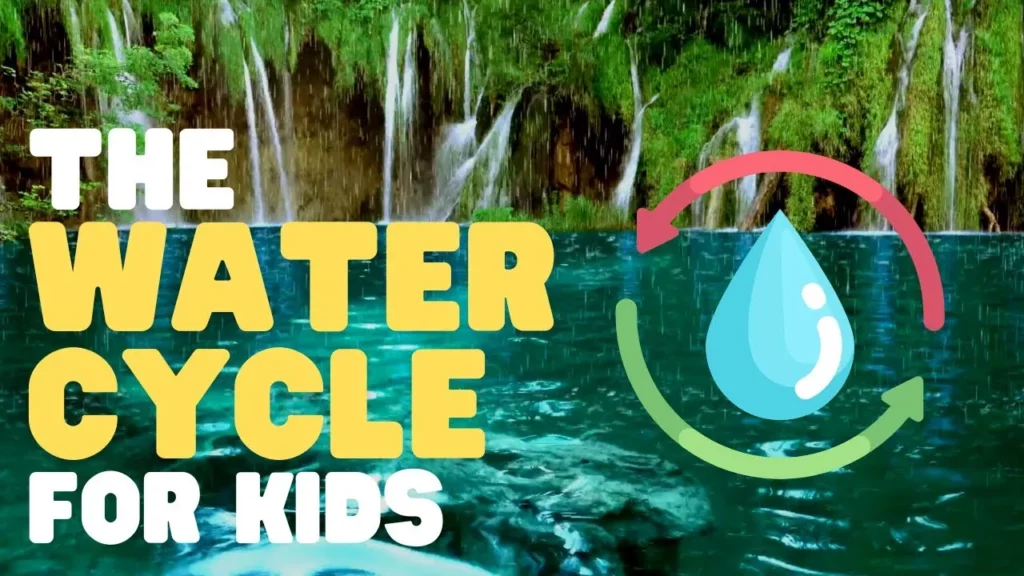
The lesson on “The Amazing Water Cycle” explains the continuous movement of water on Earth through its four main stages: evaporation, transpiration, condensation, and precipitation. It highlights the importance of the water cycle in regulating the Earth’s temperature and emphasizes the need for water conservation and protection, given that only a small percentage of Earth’s water is fresh. Students are encouraged to adopt simple practices to help preserve this vital resource.
Water Pollution for Kids | Learn How to Keep Our Water Clean
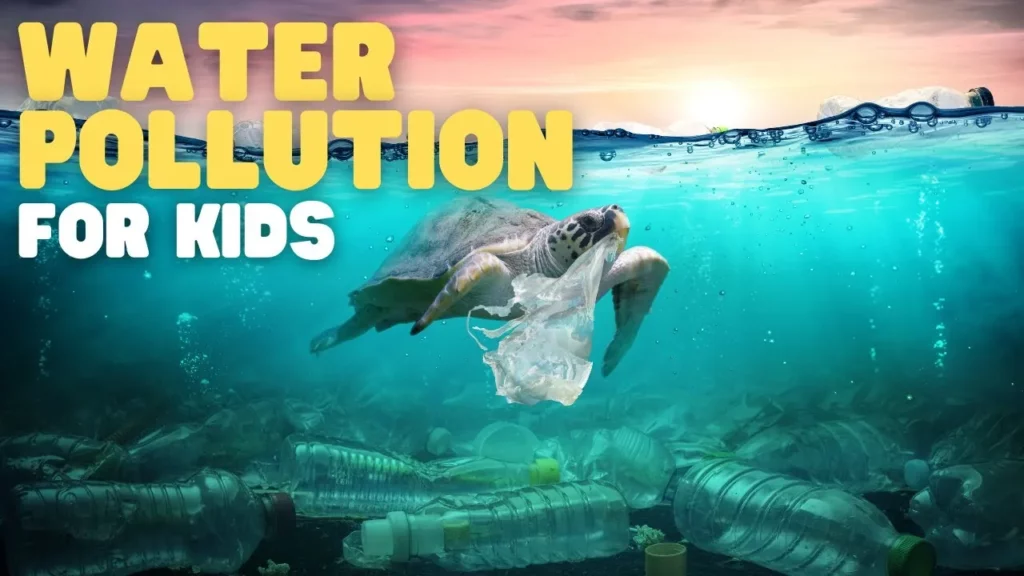
In this lesson on water pollution, students learn about what water pollution is, its causes, and its impact on both human health and the environment. The lesson emphasizes the importance of clean water and provides practical tips for preventing water pollution, such as reducing water waste, recycling, and using reusable items. By understanding the issue and taking action, students are encouraged to contribute to keeping our planet’s water clean.
Circulatory System for Kids | Learn all about how blood travels through the body
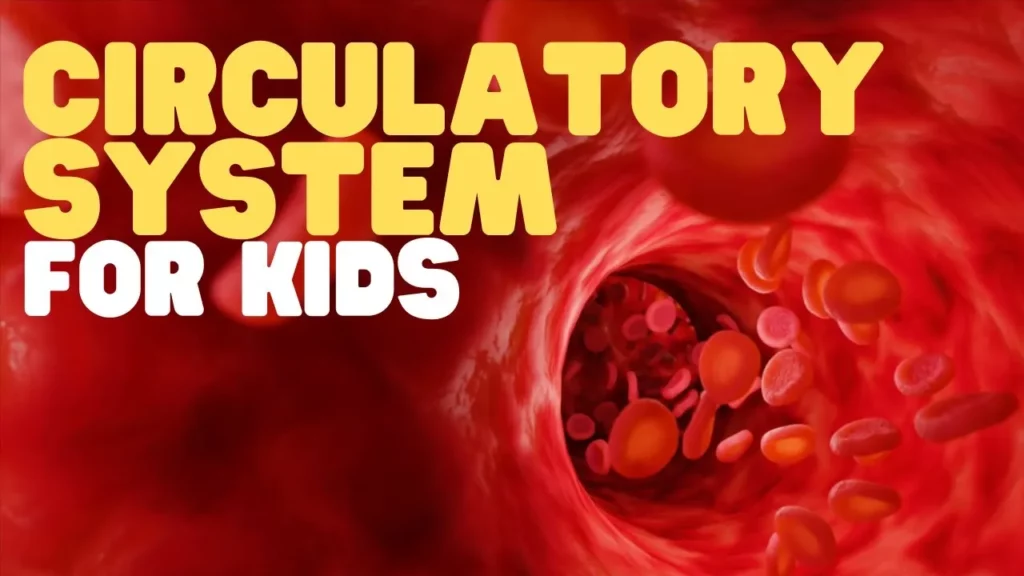
In today’s lesson, we explored the circulatory system, likening it to a vast highway that transports essential nutrients and oxygen throughout the body. We learned about the heart as the central pump with four chambers, the various blood vessels (arteries, veins, and capillaries) that facilitate blood flow, and the key components of blood, including red and white blood cells and platelets. Understanding the circulatory system highlights its vital role in maintaining our health and supporting our activities.
Place Value for Kids | What Is Place Value? Place Value for 1st Graders
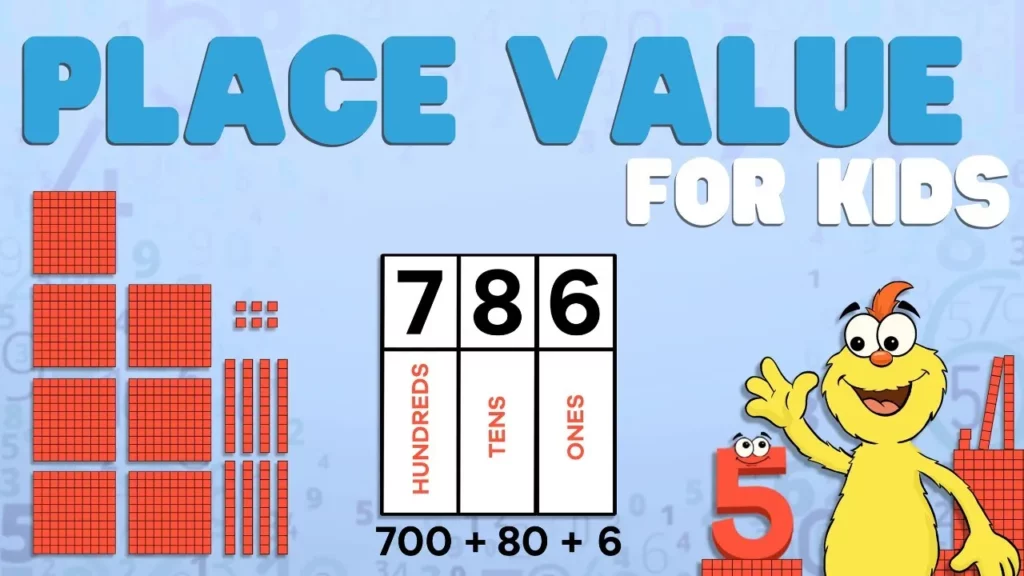
In today’s lesson on place value, students learned that a digit is any number from 0 to 9 and that each digit in a number has a specific place value that determines its worth. Through engaging activities, they explored how to identify the place values in one-digit, two-digit, and three-digit numbers, understanding that the position of a digit affects its value (e.g., 5 in the ones place is 5, but in the tens place, it is 50). The lesson concluded with a review of key concepts and the importance of place value in mathematical operations.