
All about Canada for Kids | Learn about this fun country’s history and culture
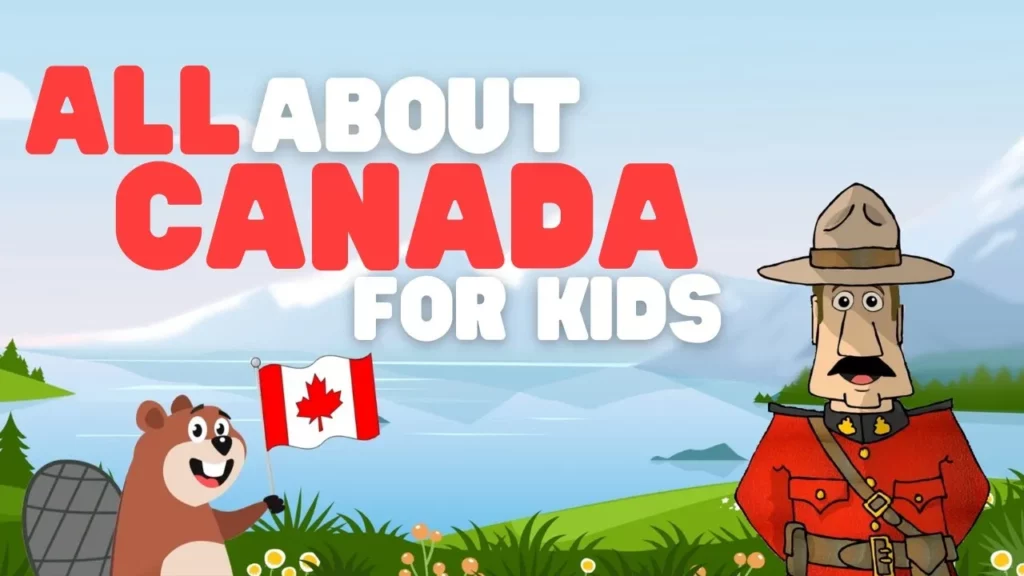
In this lesson, students explore the vast and diverse country of Canada, learning about its impressive size, geography, and rich history. They discover that Canada is the second-largest country in the world, home to ten provinces and three territories, and is known for its stunning natural landscapes and wildlife. The lesson also highlights Canada’s cultural diversity, including its official languages and the historical significance of its Indigenous peoples and colonial past.
Abraham Lincoln for Kids | Learn all about the 16th president of the US
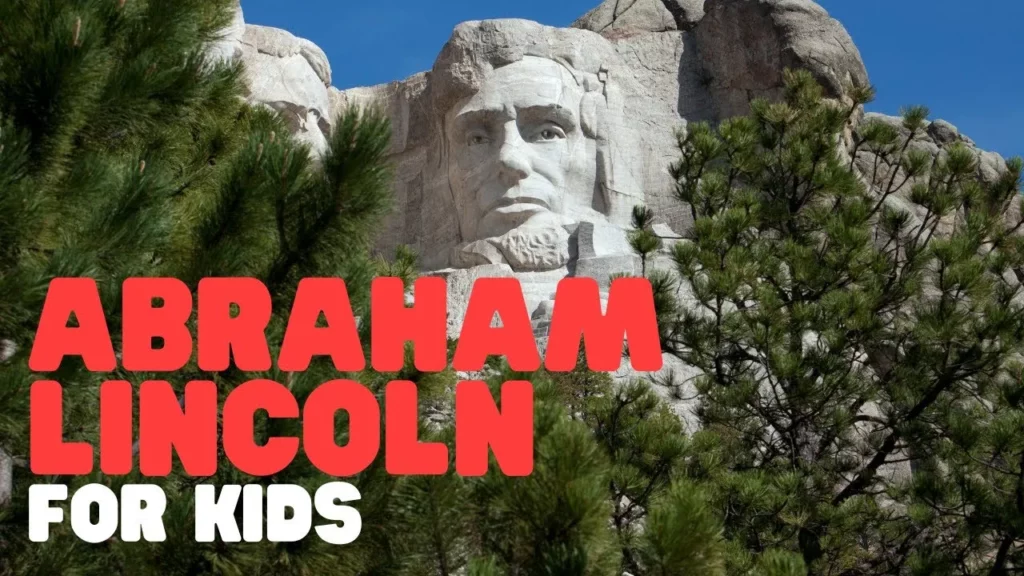
The lesson introduces Abraham Lincoln as a remarkable leader, highlighting his early life, journey to the presidency, and significant contributions during the Civil War. It emphasizes his commitment to ending slavery through the Emancipation Proclamation and the 13th Amendment, as well as his legacy as “the Great Emancipator.” The lesson concludes with fun facts about Lincoln and encourages students to remember his impact on American history.
The Brain for Kids | Learn cool facts about the human brain
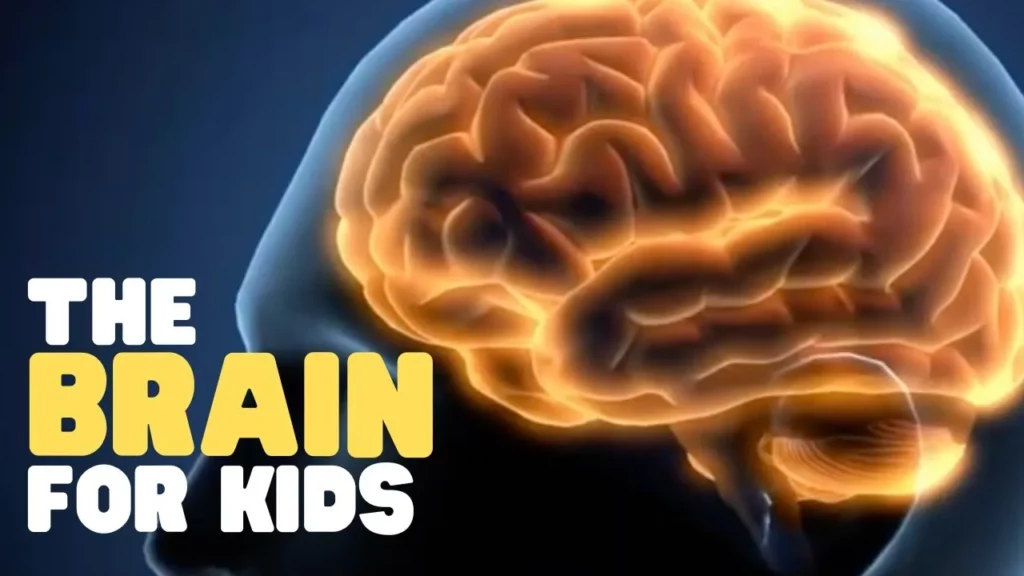
In this lesson, students embark on an exciting journey to discover the incredible functions and parts of the brain, including the cerebrum, brain stem, cerebellum, pituitary gland, hypothalamus, and amygdala. They learn how the brain acts as the control center for the body’s nervous system, managing everything from movement and balance to emotions and vital functions. The lesson emphasizes the importance of brain health through proper nutrition, exercise, and safety precautions.
Galileo Galilei for Kids | Learn about this famous scientist and mathematician
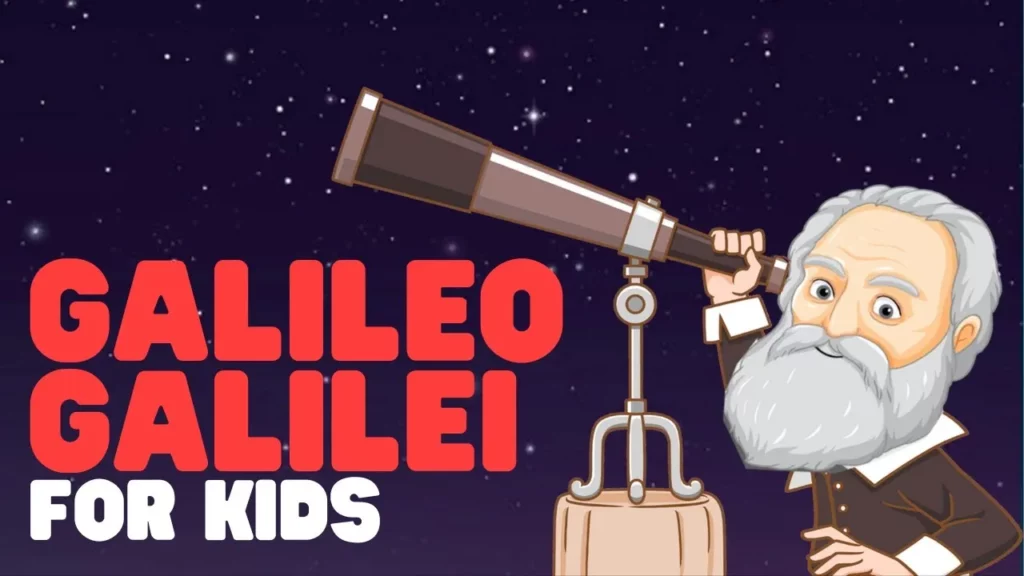
The lesson introduces Galileo Galilei, a pioneering scientist and mathematician known for his groundbreaking discoveries in astronomy and physics. It highlights his early life, his development of the laws of motion, and his improvements to the telescope, which led to significant findings such as the moons of Jupiter and the phases of Venus. Despite facing opposition from the Catholic Church for his support of the heliocentric model, Galileo’s work fundamentally transformed our understanding of the universe and left a lasting legacy.
T-Rex Facts for Kids | All about the Tyrannosaurus Rex
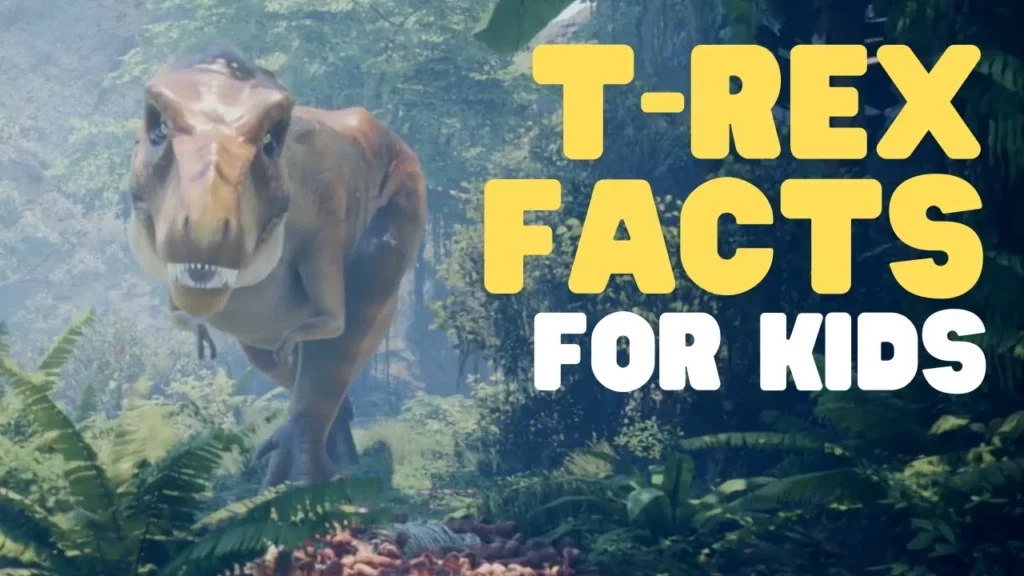
The lesson on the Tyrannosaurus rex highlights its status as an apex predator, its impressive size and speed, and its powerful physical features, including a strong head and sharp teeth. Despite its tiny arms, which remain a subject of scientific curiosity, the T-rex is fascinatingly related to modern birds like chickens. Overall, the lesson emphasizes the unique characteristics and abilities that made the T-rex one of the most formidable dinosaurs in history.
Weathering and Erosion | What Is the Difference between Weathering and Erosion?
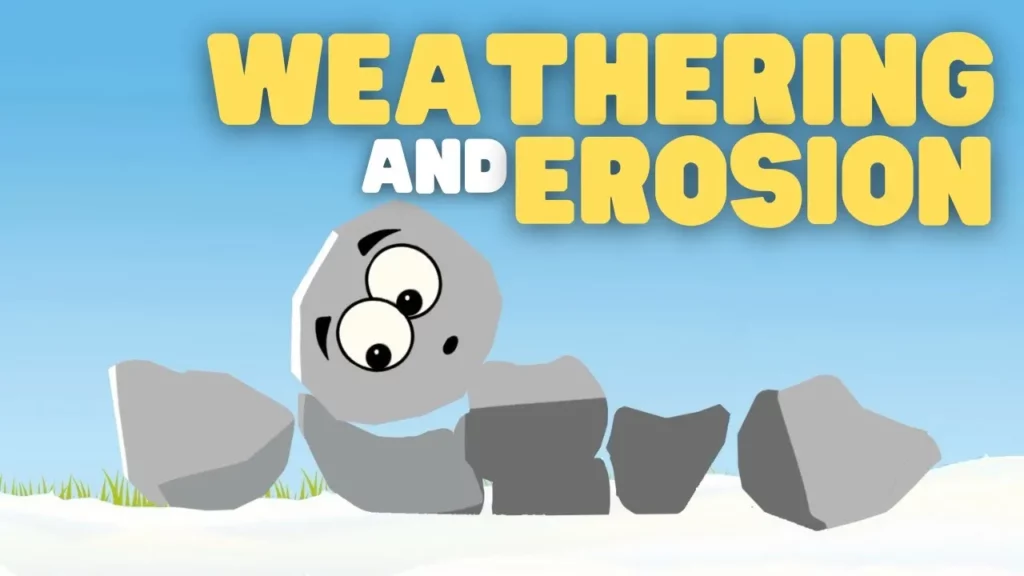
The lesson on “Weathering and Erosion” explains how these two natural processes shape the Earth’s landscape. Weathering breaks down rocks into smaller pieces through chemical, mechanical, and biological means, while erosion involves the movement of these pieces by forces such as water, wind, and ice. Together, they contribute to the formation of various landforms and highlight the dynamic nature of our environment.
Importance of Oceans for Kids | Learn why Earth’s oceans are so significant
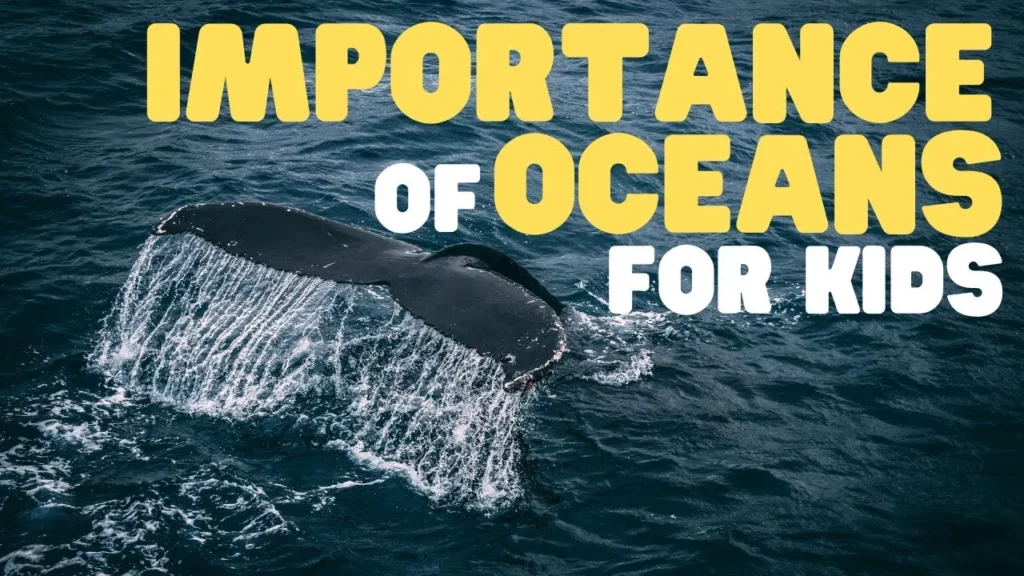
The lesson “Discovering the Wonders of the Ocean” highlights the critical importance of oceans in sustaining life on Earth, including their role in producing oxygen, regulating climate, providing jobs, and serving as a source of food and medicine. It emphasizes the need to protect our oceans from pollution, particularly plastic waste, and encourages proactive measures like recycling and beach clean-ups to preserve these vital ecosystems for future generations.
Leonardo da Vinci for Kids | Learn all about one of the most famous artists of all time
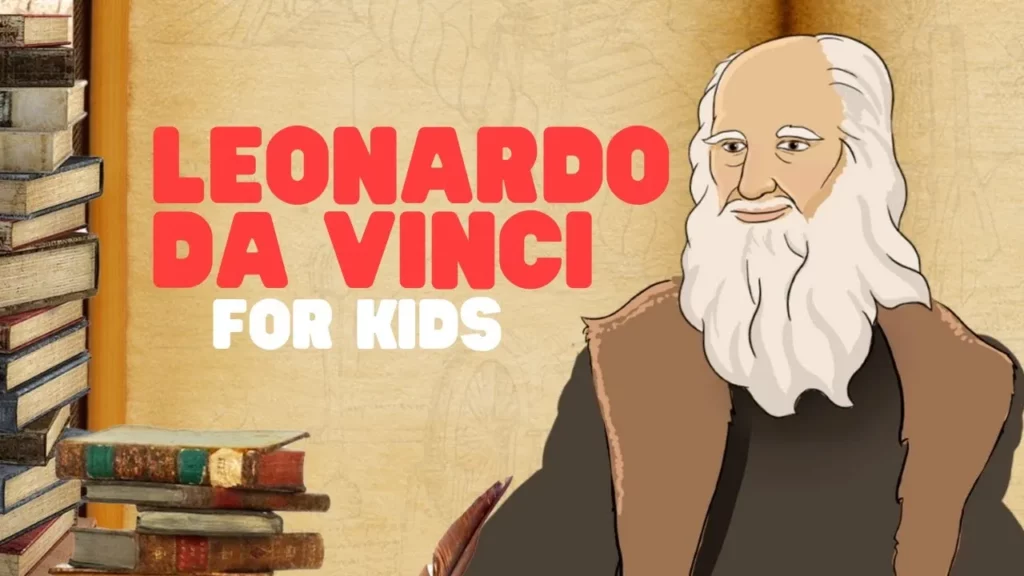
The lesson introduces Leonardo da Vinci, a renowned artist and polymath of the Renaissance, highlighting his early life, education, and remarkable contributions to art and science. Born in Vinci, Italy, in 1452, he became famous for masterpieces like the Mona Lisa and The Last Supper, while also innovating in fields such as engineering and anatomy. Da Vinci’s legacy continues to influence modern thought and creativity, reminding us of his extraordinary talents and ideas.
Parts of Plants for Kids | Learn all about plant parts and their functions
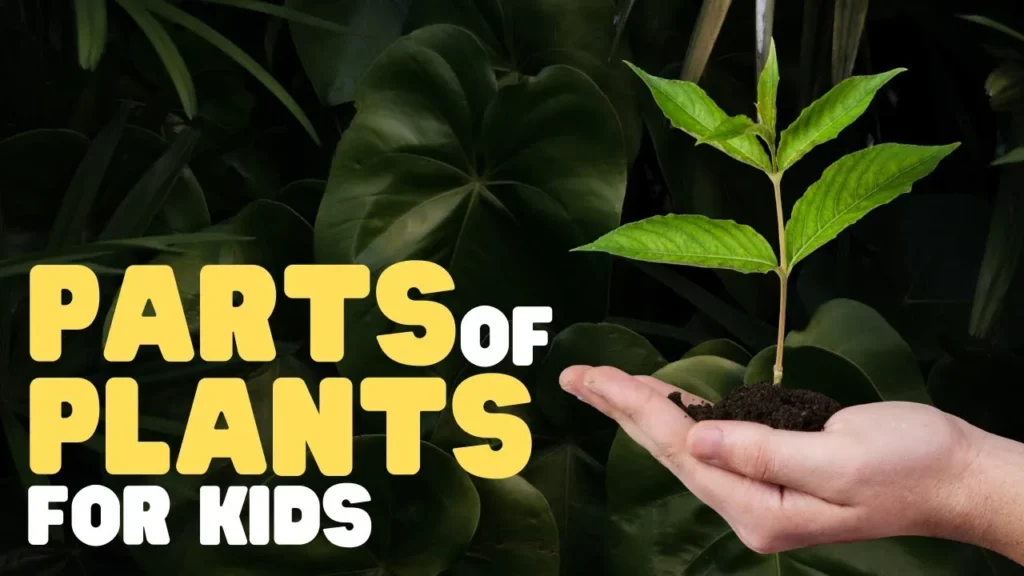
In this lesson, we explored the vital role plants play in our environment, providing oxygen, food, and materials for everyday life. We learned about the different parts of a plant—roots, stems, leaves, flowers, fruits, and seeds—and their specific functions in growth and survival. Additionally, we discussed the importance of caring for plants to ensure they thrive and continue to support both humans and animals.
Extinct and Endangered Animals for Kids | What we can do to protect endangered species
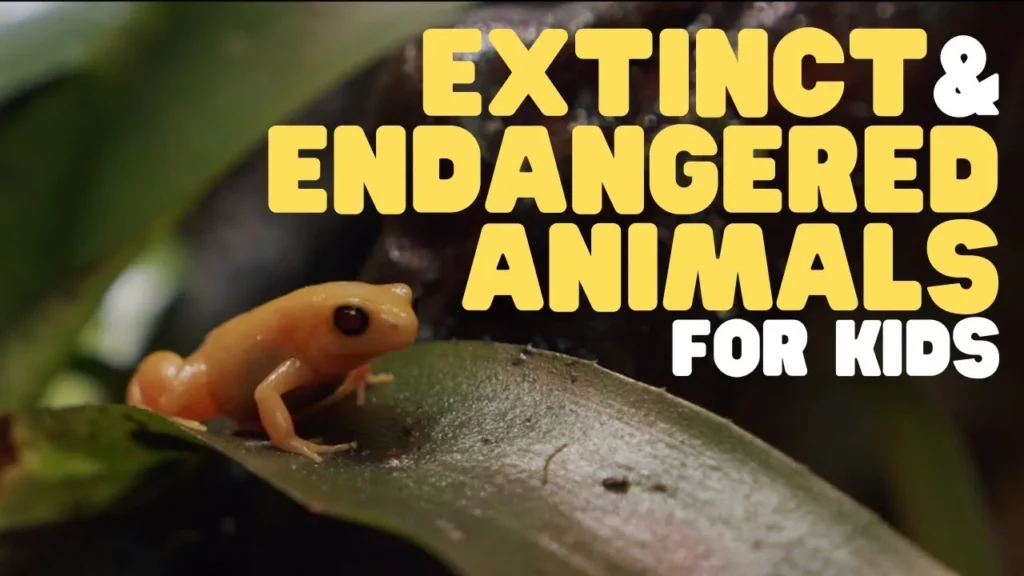
In this lesson, students explored the concepts of extinct and endangered animals, learning that extinction means a species no longer exists, while endangered species are at risk of extinction. The lesson highlighted the natural and human-induced causes of extinction, such as climate change and habitat destruction, and emphasized the importance of taking action to protect endangered animals through simple measures like recycling and supporting conservation efforts.