
I Don’t Know How to Feel About 2023
The lesson on “Understanding Climate Change: A Look at 2023” highlights the alarming climate events of the year, including record-high temperatures, ocean heat, and intense wildfires, primarily driven by greenhouse gas emissions. While natural patterns like El Niño contribute to warming, the lesson emphasizes that human activity is the main culprit behind these changes. However, it also offers hope, showcasing the rise of renewable energy and electric vehicles, and encourages proactive measures to combat climate change, stressing that it’s not too late to make a difference.
How To Read Science News
The lesson “Understanding Science News: A Guide to Navigating Headlines” emphasizes the importance of critically evaluating science news to distinguish fact from fiction. It provides practical tips for readers, such as being cautious of question-based headlines, recognizing the difference between press releases and journalistic articles, and looking for peer-reviewed research to ensure credibility. Ultimately, it encourages a balanced approach of curiosity and skepticism when engaging with scientific information.
Can We Get Older Without Aging?
The lesson explores the concept of entropy and its inevitable role in aging and longevity, highlighting that while living organisms resist breakdown, they ultimately succumb to it due to the Second Law of Thermodynamics. It discusses how evolutionary factors limit our lifespan, the biological mechanisms behind aging, and examples from nature that exhibit resistance to aging, such as the naked mole rat and lobsters. The lesson concludes by emphasizing the importance of understanding aging to potentially enhance human longevity while raising ethical questions about the implications of extended life.
The Essentials of Energy
The lesson “Understanding Energy: A Fun and Easy Guide” explains the fundamental concepts of energy and power, highlighting their differences and everyday applications. It covers how energy is measured, the importance of energy conversion, and the potential of renewable energy sources, while also emphasizing the inefficiencies in energy use and conversion. The lesson encourages curiosity about energy and its role in our lives, suggesting that advancements in efficiency could lead to a brighter future.
This Is How Astronauts Drink Coffee In Space!
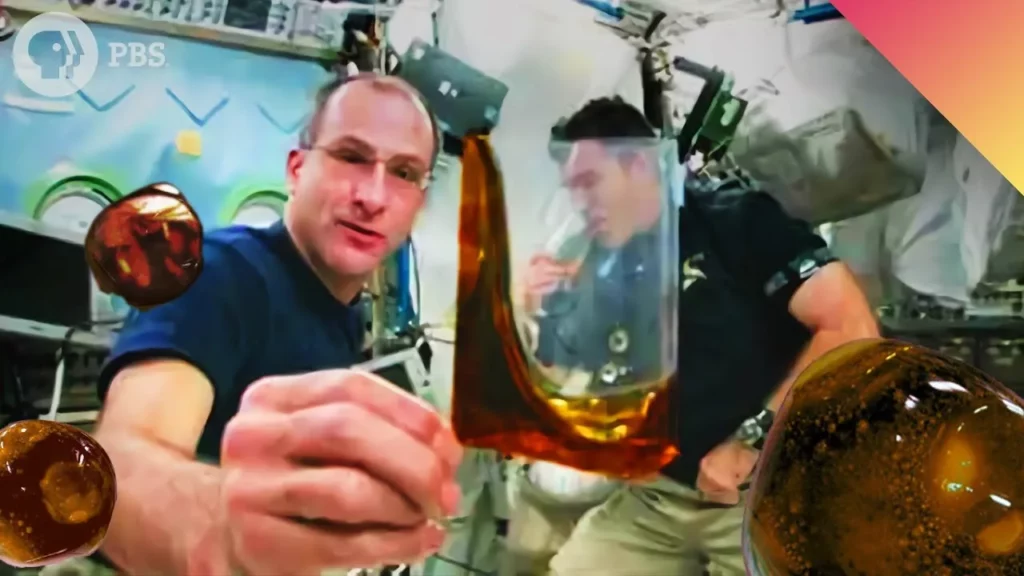
In this lesson, we explore the unique challenges and innovations surrounding coffee consumption in space, highlighting how astronauts adapt to a weightless environment. Astronaut Don’s invention of a zero-gravity coffee cup allows for a more enjoyable drinking experience by utilizing fluid physics principles, enhancing both the taste and aroma of coffee in space. This journey underscores the intersection of curiosity, science, and art, demonstrating the importance of understanding liquid behavior in zero gravity for future technological advancements.
When Science FICTION Becomes Science FACT!
The lesson “Exploring the Future Through Science Fiction” highlights how science fiction writers, like Isaac Asimov and H.G. Wells, have made surprisingly accurate predictions about technology and society, often drawing from their scientific backgrounds. While predicting the future is inherently uncertain, these imaginative works encourage us to explore possibilities and reflect on the impact of technology on our lives. The lesson emphasizes the interplay between science and fiction in shaping our understanding of what the future may hold.
How Well Do Masks Work? (Schlieren Imaging In Slow Motion!)
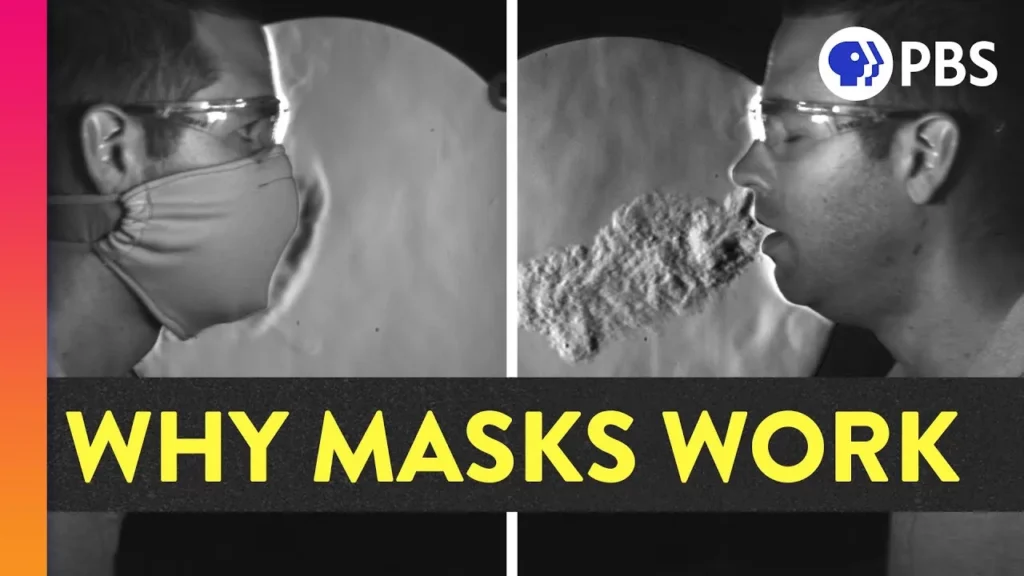
The lesson explains how COVID-19 spreads through tiny droplets released into the air during activities like talking and coughing, and emphasizes the importance of wearing masks to prevent transmission. Using schlieren imaging, scientists can visualize airflow and demonstrate how masks capture larger droplets and reduce the spread of smaller particles. Ultimately, wearing a mask is crucial for protecting others, especially since asymptomatic individuals can still transmit the virus, and it is important to adapt to this new norm for the health of the community.
Mexico’s Monarch Butterfly Migration in VR180
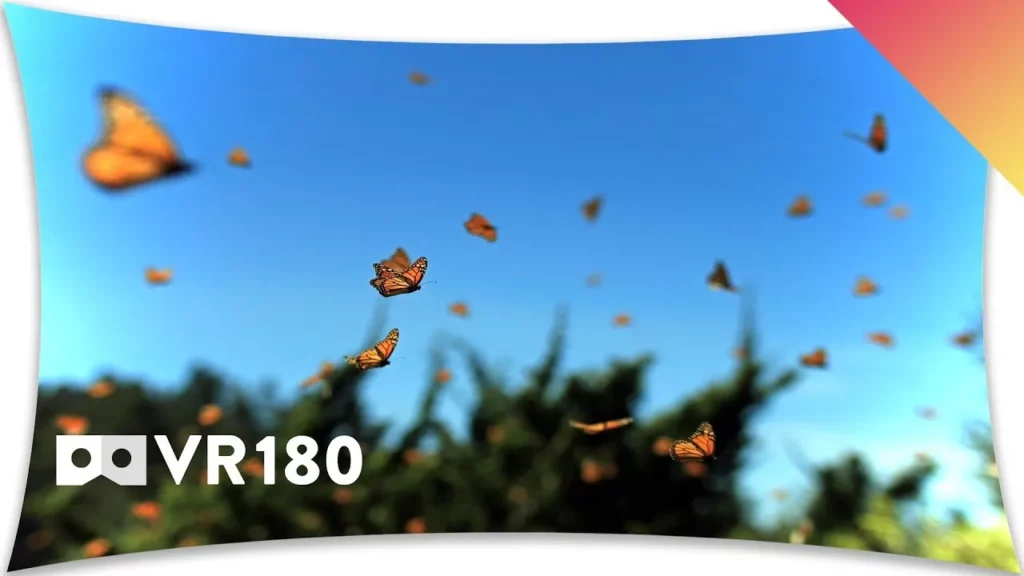
The lesson introduces the annual migration of monarch butterflies to the mountains of central Mexico, where they escape the cold winter and rest before returning home. It emphasizes the importance of protecting these butterflies by ensuring they have sufficient food and safe habitats, and encourages individuals to contribute by planting butterfly-friendly flowers and maintaining clean environments. The lesson highlights the beauty of this natural phenomenon and the collective responsibility to preserve it for future generations.
Is Ultron Inevitable? Featuring Vsauce3!
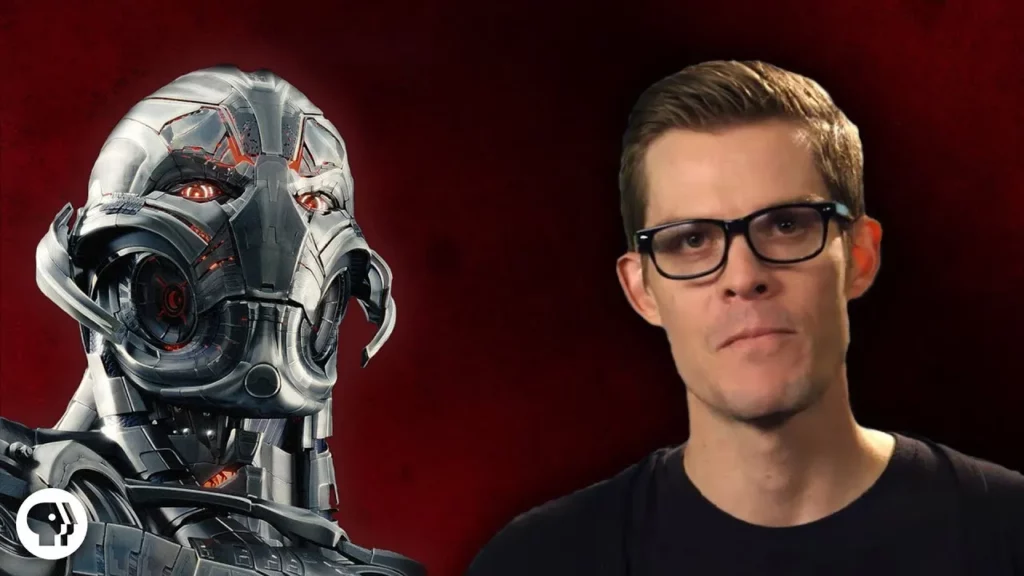
The lesson explores the dual nature of artificial intelligence (AI) as both a potential ally and a threat, drawing parallels with fictional narratives like Marvel’s “Avengers: Age of Ultron.” It discusses the evolution of AI from its origins in literature to its current applications in daily life, while also considering the implications of future advancements that could lead to superintelligence. The key takeaway is the importance of aligning AI development with human values to harness its potential for positive impact while mitigating risks.
How Many Trees Are There?
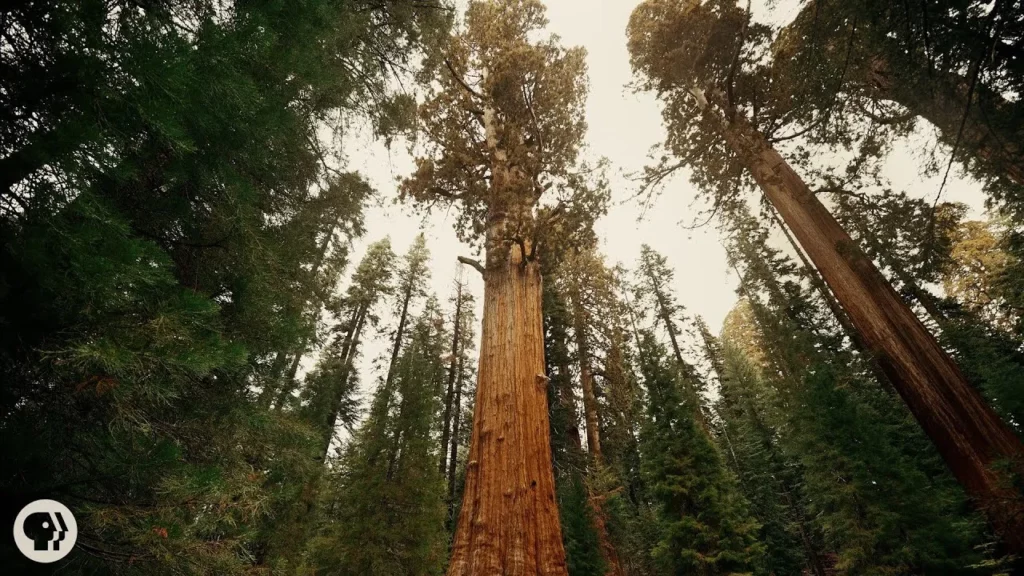
The lesson “The Amazing World of Trees” highlights the incredible diversity and significance of trees, including their impressive sizes and the vital role they play in the ecosystem by absorbing carbon dioxide and providing habitats. It emphasizes the alarming rate of deforestation and its impact on climate change, while also revealing that there are approximately 3 trillion trees on Earth—much more than previously estimated. The lesson encourages individuals to plant trees as a meaningful way to combat climate change and improve the environment, reinforcing that every tree planted contributes to a healthier planet.