
What This Chart Actually Means for COVID-19
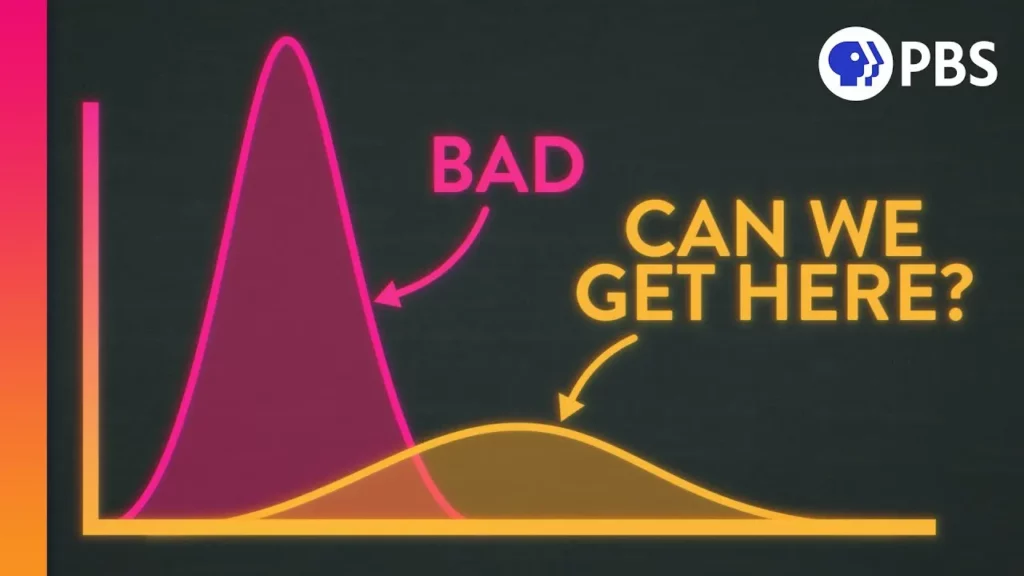
The lesson highlights the deceptive nature of pandemics, where initial appearances of normalcy can quickly give way to widespread illness, necessitating early intervention by health officials. It emphasizes the importance of understanding disease spread dynamics, particularly exponential growth, and the need for proactive measures to prevent overwhelming healthcare systems. Historical examples illustrate that timely actions can significantly mitigate the impact of outbreaks, reinforcing the idea that waiting for personal experience with illness can be too late for effective response.
COVID-19 & Mask Myths DEBUNKED!
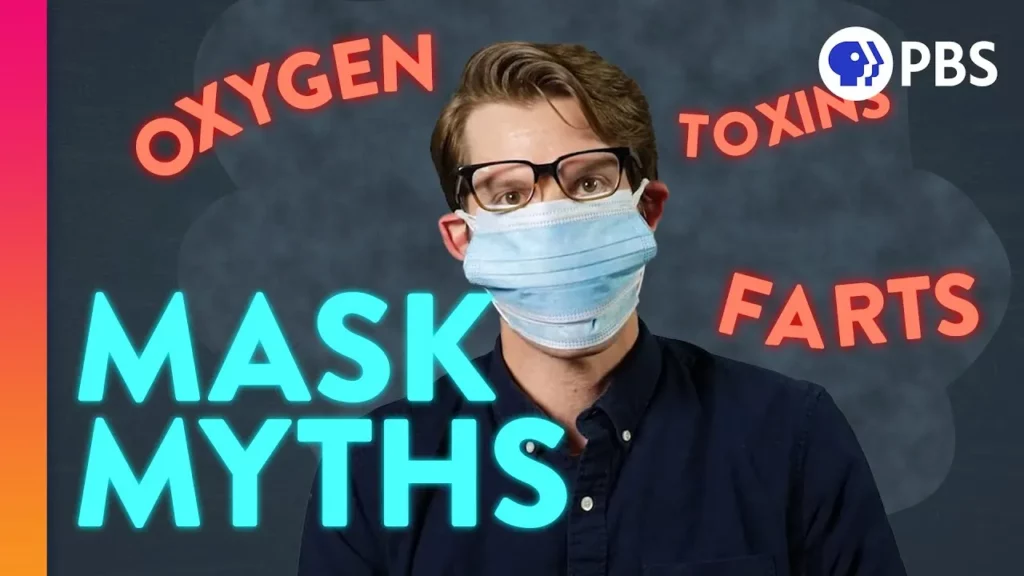
In this lesson, we discuss the importance of wearing masks as a crucial safety measure to prevent the spread of COVID-19. We debunk common myths about masks, emphasizing that they effectively block larger respiratory droplets that carry the virus, do not hinder breathing, and are essential even for asymptomatic individuals. Ultimately, wearing masks, along with other safety practices, is a simple yet impactful way to protect ourselves and others during the pandemic.
The revolution that saved a BILLION lives
The lesson discusses the Green Revolution, a significant agricultural transformation in the mid-20th century led by Norman Borlaug, which introduced high-yield crops and helped prevent widespread famine. It highlights the current challenge of climate change and the need for innovative solutions, such as genetic engineering and the integration of traditional farming methods with modern technology, to ensure food security. Emphasizing the importance of diverse approaches, the lesson advocates for a multifaceted strategy to adapt agriculture to a changing environment.
The Strange Psychology of Superfans (with @smartereveryday)
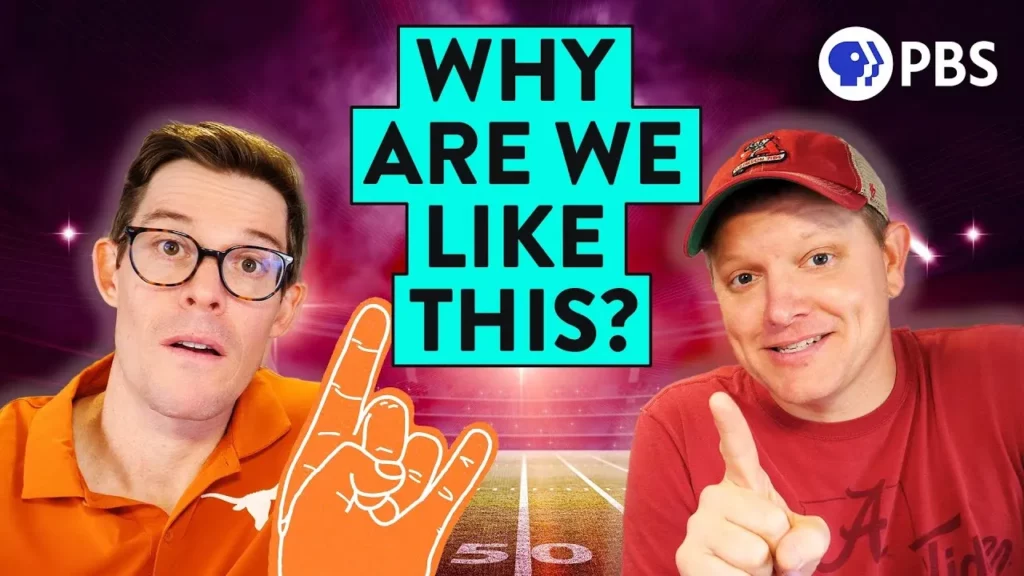
The lesson explores the psychology of fandom, particularly in sports, highlighting how intense emotions and identity connections shape fans’ experiences. It discusses the emotional highs and lows associated with being a fan, the factors influencing fandom, and the innate human desire for belonging that drives this behavior. Ultimately, the lesson emphasizes that fandom is a significant aspect of our social nature, reflecting the complex ways our identities are intertwined with the groups we support.
Making Music From Space!
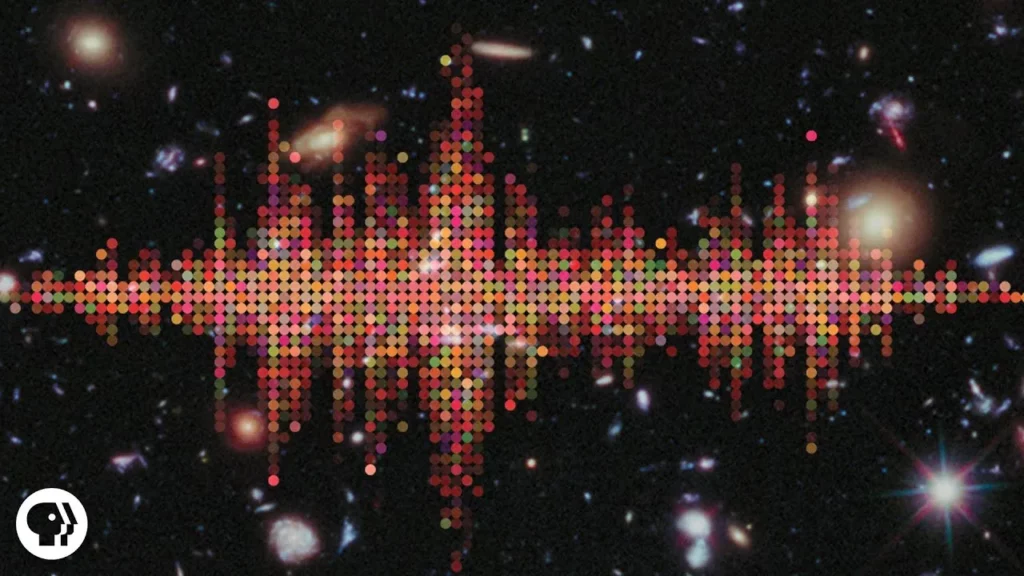
The lesson “The Sound of Space: A Cosmic Symphony” explores the concept of sound in space, highlighting how scientists have transformed various cosmic waves into audible music. It discusses the sun’s radiation, the solar wind, and the Van Allen belts, illustrating how these phenomena create unique sounds that reflect the universe’s rhythm. Ultimately, the lesson invites us to ponder the deeper connection between music and our existence in the cosmos, suggesting that the universe itself may have a symphony waiting to be heard.
Inside the Lab That Invented the COVID-19 Vaccine
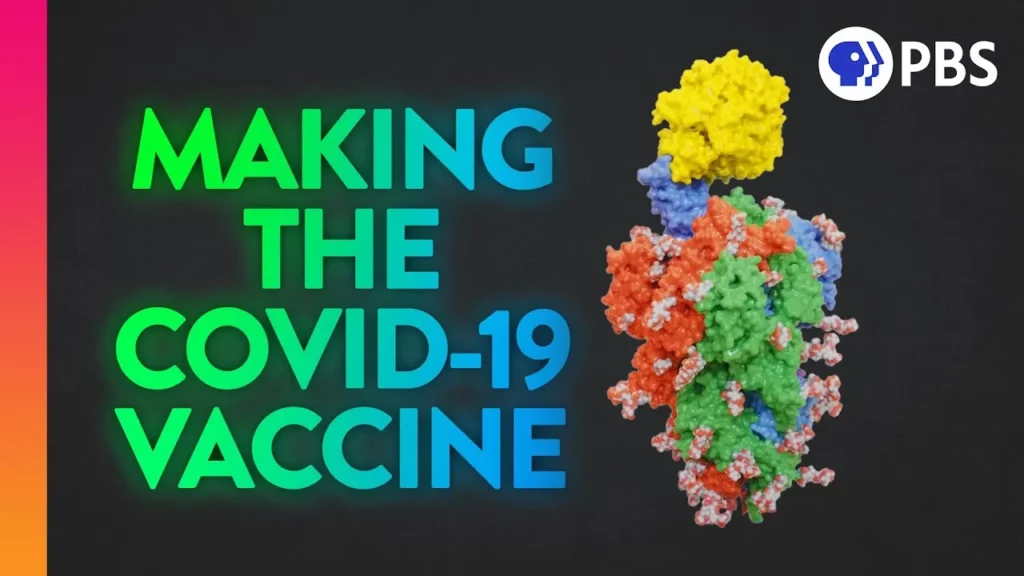
The lesson explains how the coronavirus uses spike proteins to invade human cells and how scientists are leveraging this knowledge to develop effective vaccines. It details the accelerated vaccine development process during the COVID-19 pandemic, highlighting the role of mRNA technology and the importance of scientific research in responding to health crises. Overall, the lesson emphasizes the significance of understanding both the virus and the mechanisms of vaccines to enhance public health safety.
A Brief (Scientific) History of Butts
The lesson “The Amazing Journey of Digestion” explores the crucial role of the rear end of the digestive system, emphasizing its importance in the overall functioning of complex animals, including humans. It highlights the evolution of digestive systems across species, the anatomy and function of the anus, and the unique characteristics of human anatomy that contribute to our health and mobility. Ultimately, the lesson encourages appreciation for the complexity and significance of our digestive processes.
Can you figure out the Castle Illusion? ????????????

In this lesson, students learn about the phenomenon of afterimages through a simple visual trick that involves staring at a dot on a screen. By focusing on the dot without blinking, they experience the surprising effect of seeing colors when they look away from a black and white image, illustrating how the eyes and brain can be tricked. This exercise highlights the adaptability of our sensory perception and encourages further exploration of how our bodies interact with the world.
Ask Joe Stuff #6
In the Q&A session with Joe, he enthusiastically addressed various questions from fans, sharing insights about his favorite video production experiences, his passion for biology, and the complexities of creating educational content. He also discussed intriguing scientific concepts such as time travel, dogs’ perception of time, and shared a fascinating fact about viruses in the ocean. Additionally, Joe reflected on personal interests like running and humorously compared the merits of a lightsaber versus a sonic screwdriver.
You Are Mainly Microbe!
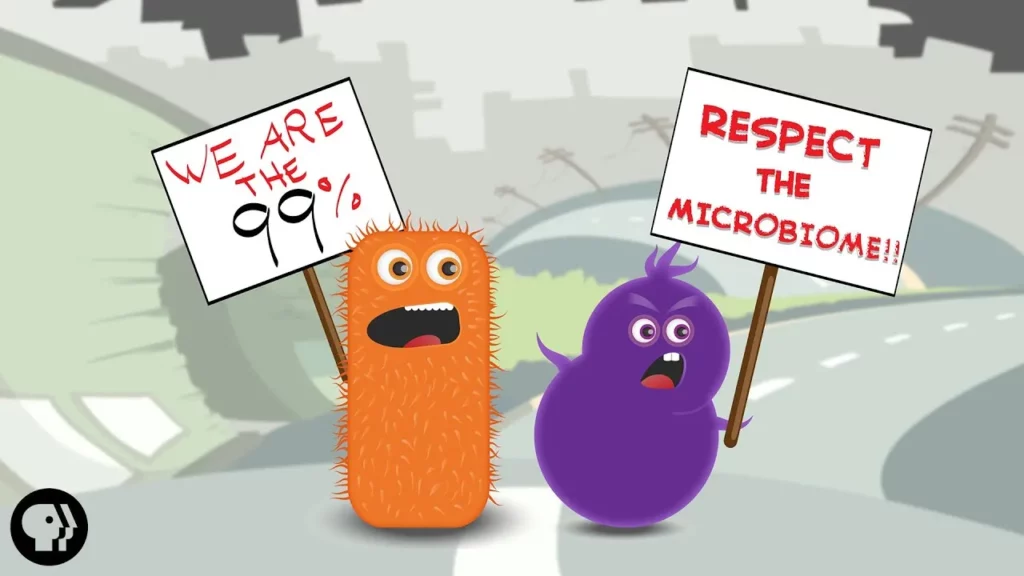
The lesson “Discovering the World of Microbes: Our Tiny Companions” explores the essential role of microorganisms in our lives, highlighting that we are home to a vast number of microbes—outnumbering our human cells significantly. These microbes, which we acquire from birth and through daily interactions, contribute to our health by aiding digestion, producing vitamins, and protecting against harmful bacteria. Understanding and appreciating our microbiome is crucial, as it plays a vital role in our overall well-being and may even influence our mood and mental health.