
Using Gene Editing To Repaint Butterfly Wings
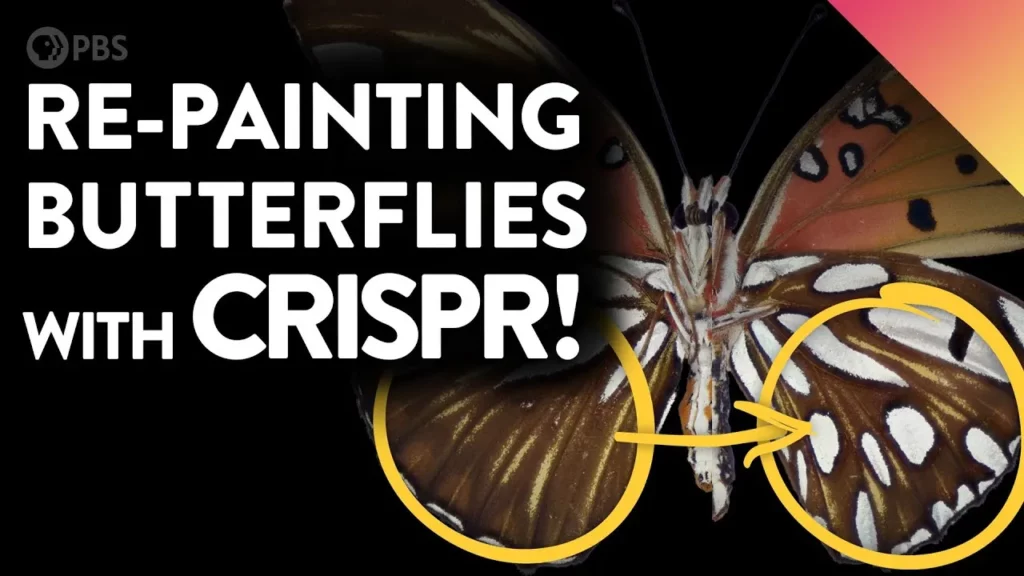
The lesson explores the innovative use of CRISPR technology in studying butterfly genetics, focusing on how it helps researchers understand the genetic mechanisms behind the unique wing patterns and colors of various butterfly species. By modifying the DNA of developing butterflies, scientists can observe changes in wing patterns and gain insights into the broader implications of genetic diversity in living organisms. This research not only enhances our understanding of butterfly biology but also raises ethical considerations regarding the power of genetic editing.
A Slice of Pizza Science!
This lesson explores the rich history and science behind pizza, tracing its origins from the Mediterranean to its modern-day popularity. It highlights the geometric principles involved in folding pizza slices for structural integrity, the economic advantages of ordering larger pizzas, and even a fun experiment to measure the speed of light using a microwave and pizza. Overall, it encourages curiosity about the science and culture surrounding this beloved dish.
Trying to Land a Plane (to Prove the Dunning-Kruger Effect)
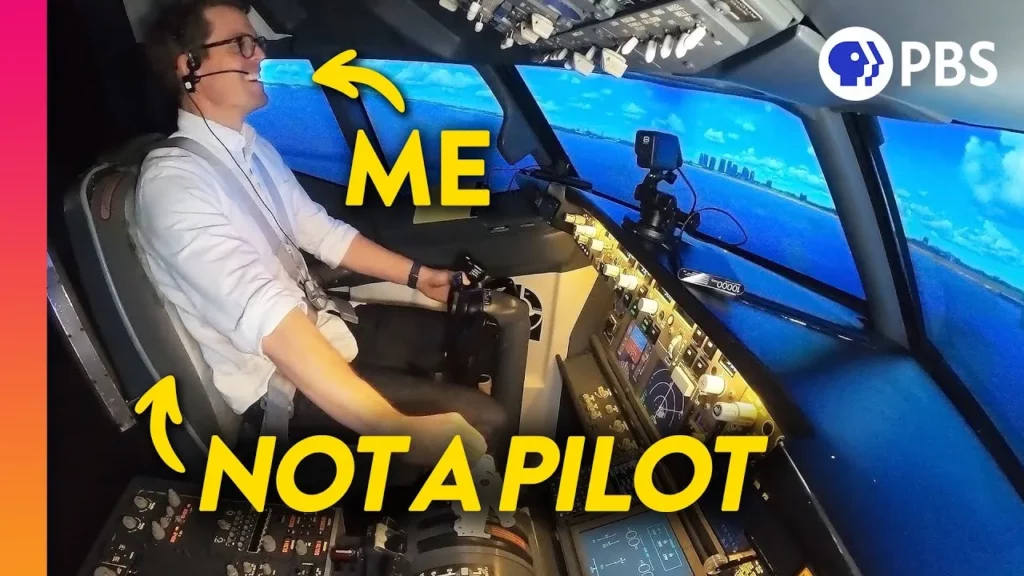
The lesson explores the Dunning-Kruger Effect through a flight simulator experience, illustrating how individuals with limited knowledge often overestimate their abilities. Joe’s attempt to land a Boeing 737, despite having no formal training, highlights the gap between perceived and actual competence, emphasizing that increased knowledge often reveals how much one still has to learn. The lesson encourages humility, continuous learning, and the importance of seeking feedback to overcome overconfidence.
What are all these mysterious lights in the middle of nowhere?
The lesson explores the phenomenon of mysterious lights in remote areas of the United States, particularly in West Texas, where oil and natural gas wells have created a significant increase in light pollution over the past few decades. These bright spots, also found in South Texas and North Dakota, disrupt wildlife, hinder astronomical research, and can negatively impact human health. The lesson emphasizes the need for mindful use of artificial light and the importance of reducing light pollution to protect the environment and well-being.
Why the Plastic Pollution Problem Is So Much Worse Than You Think
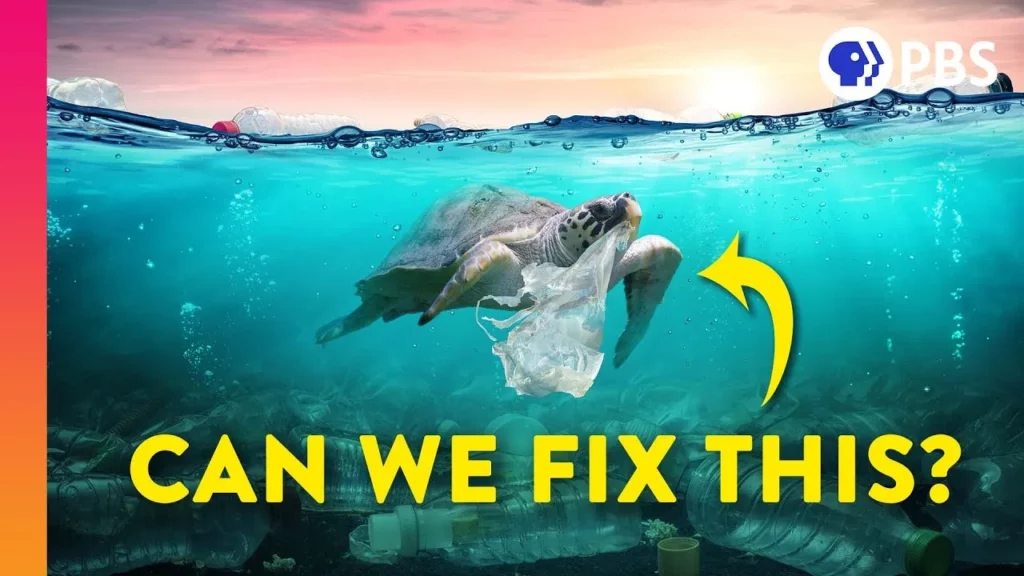
The lesson on “Understanding the Plastic Problem” highlights the alarming scale of plastic waste entering our oceans, with millions of pounds dumped every hour, leading to significant environmental challenges. It emphasizes the need for a multifaceted approach to tackle plastic pollution, including reducing plastic use, improving recycling systems, and investing in alternative materials and technologies. Ultimately, the lesson calls for collective action to manage plastic waste effectively and protect our oceans.
Is Santa Real? (A Scientific Analysis)

The lesson explores the history and magic of Christmas lights, highlighting Thomas Edison’s introduction of electric lights in 1880 and the challenges of tangled cords. It also delves into Santa Claus’s journey, revealing fascinating facts about reindeer, their unique adaptations, and the incredible speed and logistics required for Santa to deliver presents worldwide in one night. Additionally, it touches on the origins of the word “nog” in eggnog, encouraging curiosity and learning about holiday traditions.
The Superb Owl!
In this lesson, we explored the fascinating world of owls, highlighting their exceptional hunting abilities and unique adaptations. Owls possess remarkable night vision, super hearing, and silent flight, which make them effective predators in their natural habitat. By understanding these traits, we can appreciate owls as the true champions of the animal kingdom.
How the CIA Secretly Spied On Climate Change
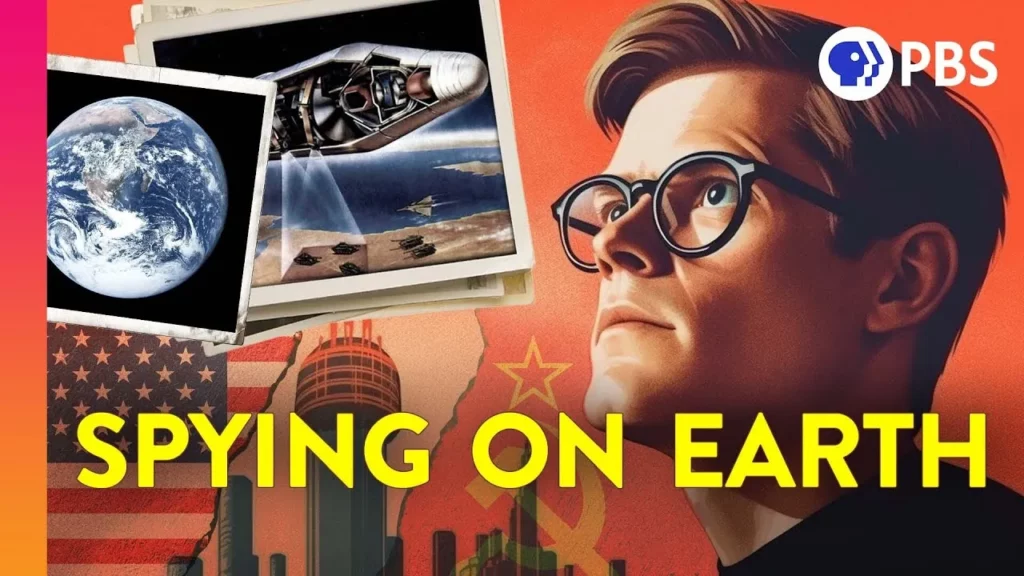
The lesson explores the evolution of the Cold War and the Space Race, highlighting the initial rivalry between the United States and the Soviet Union, particularly following the launch of Sputnik 1. In response to Soviet advancements, the U.S. developed the CORONA program, which successfully utilized space-based reconnaissance to gather intelligence on military capabilities. Ultimately, the declassification of CORONA imagery fostered collaboration between intelligence agencies and scientists, leading to significant advancements in environmental science and demonstrating how former adversaries can unite for a common goal, such as addressing climate change.
Why are these weird symbols all over the desert? ????
In this lesson, we explore the discovery of mysterious tri-bar patterns in the Arizona desert, which were used in the 1960s to test the capabilities of cameras for America’s first spy satellites under the CIA’s Corona program. These patterns played a crucial role in assessing camera performance, including detail detection and contrast, and the declassification of the satellite images in the 1990s has since provided valuable insights for climate scientists studying environmental changes over time. The lesson highlights the intersection of history, technology, and science through these intriguing desert markings.
The Ultimate Question
The lesson discusses a long-standing question that baffled scientists for centuries, highlighting the importance of curiosity and the scientific method in solving mysteries. Scientists approach these challenges by conducting experiments, asking questions, and testing hypotheses, much like detectives unraveling puzzles. Ultimately, the lesson encourages readers to remain curious and engaged in learning, as this mindset can lead to significant discoveries.