
“Sonic Hedgehog Gene” – Why You Have Thumbs And Not Fins

In this lesson, we explore the evolutionary significance of thumbs and their development, guided by paleontologist Dr. Neil Shubin. By examining fossils like Tiktaalik and understanding genetic influences, such as the Sonic hedgehog gene, we uncover how our thumbs and arms evolved from ancient fish to modern humans, highlighting the interconnectedness of genetics and paleontology in tracing the history of life on Earth.
Why Dung Beetles Stare At the Stars | IN OUR NATURE
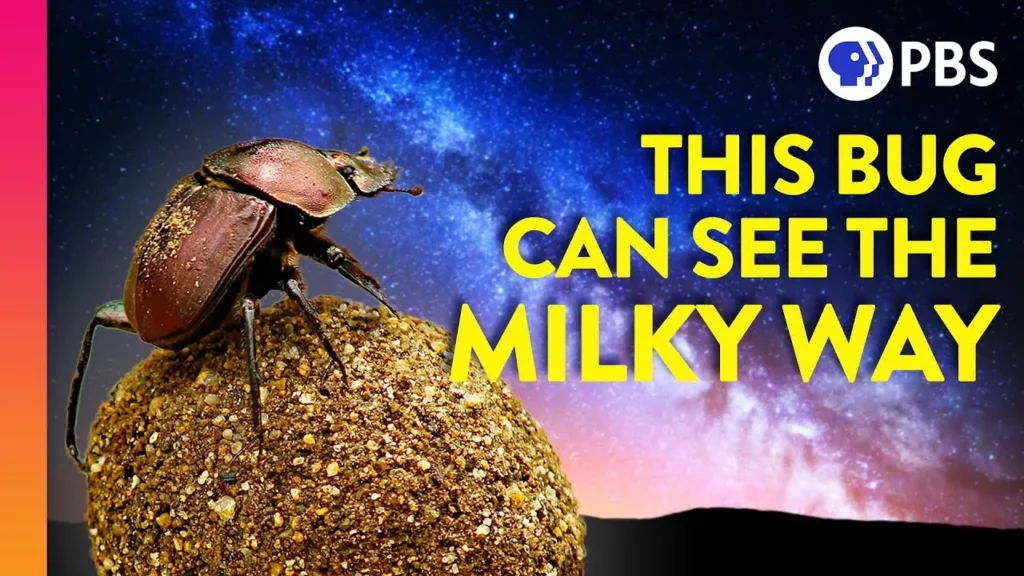
In this lesson, students explore the unique ecosystem of the Serengeti, focusing on the vital role of dung beetles and fire chaser beetles. They learn that elephant dung serves as a crucial resource for dung beetles, providing essential nutrients and water, while fire chaser beetles thrive in post-wildfire environments, using their specialized senses to locate food. The lesson highlights the importance of these insects in maintaining the balance of their ecosystem and showcases their remarkable survival skills.
Why do Trees Talk to Each Other?
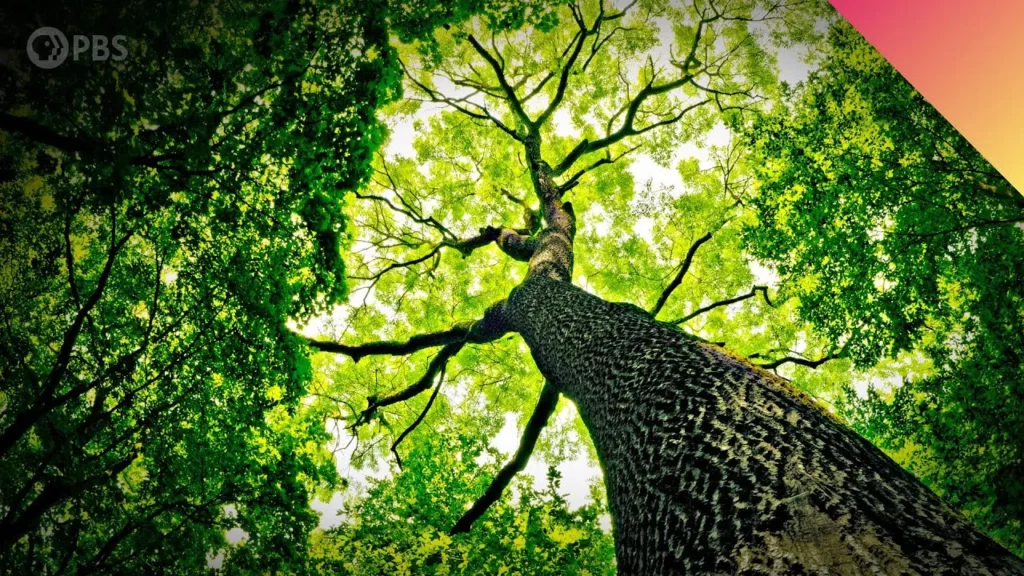
In “The Hidden World Beneath Our Feet,” the lesson explores the intricate underground network known as the “wood wide web,” formed by mycorrhizal fungi that connect the roots of trees and plants. This ancient partnership, which has existed for around 400 million years, allows for the exchange of nutrients and communication among trees, playing a crucial role in forest ecosystems and impacting climate change. The lesson emphasizes the importance of fungi in supporting plant life and maintaining ecological balance, encouraging curiosity about the hidden connections in nature.
How Much Plastic is in the Ocean?
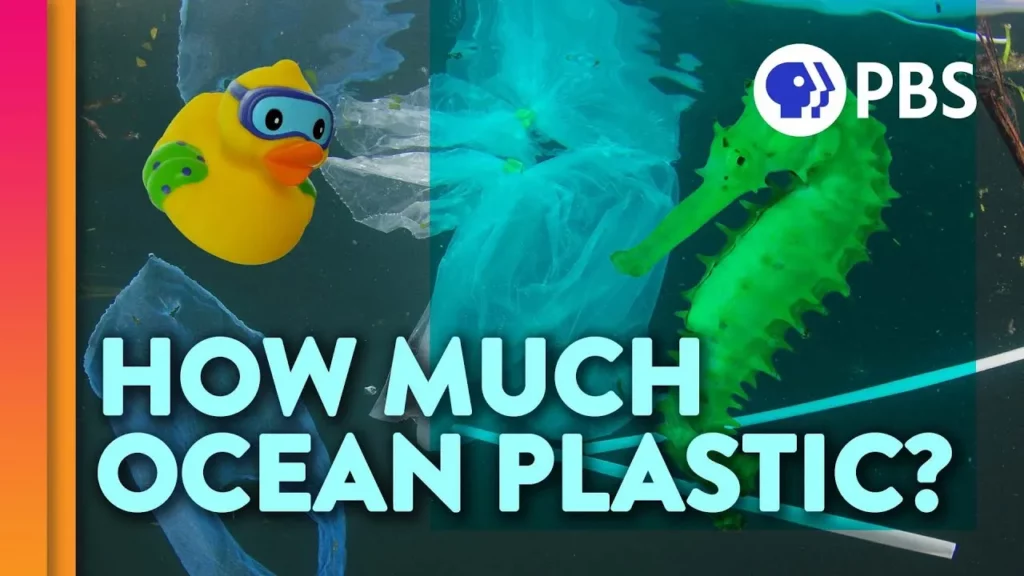
The lesson “The Great Plastic Adventure: A Journey Across the Ocean” highlights the environmental impact of plastic pollution, tracing its origins from a cargo ship accident in 1992 that released thousands of plastic toys into the Pacific Ocean. It discusses the dangers of microplastics to marine life and the broader ecosystem, emphasizing the need for responsible plastic use and offering practical strategies for reducing plastic waste, such as reducing consumption, reusing items, and refusing single-use plastics. Ultimately, the lesson encourages awareness and proactive measures to protect the environment from plastic pollution.
It’s autumn everywhere except under this streetlight
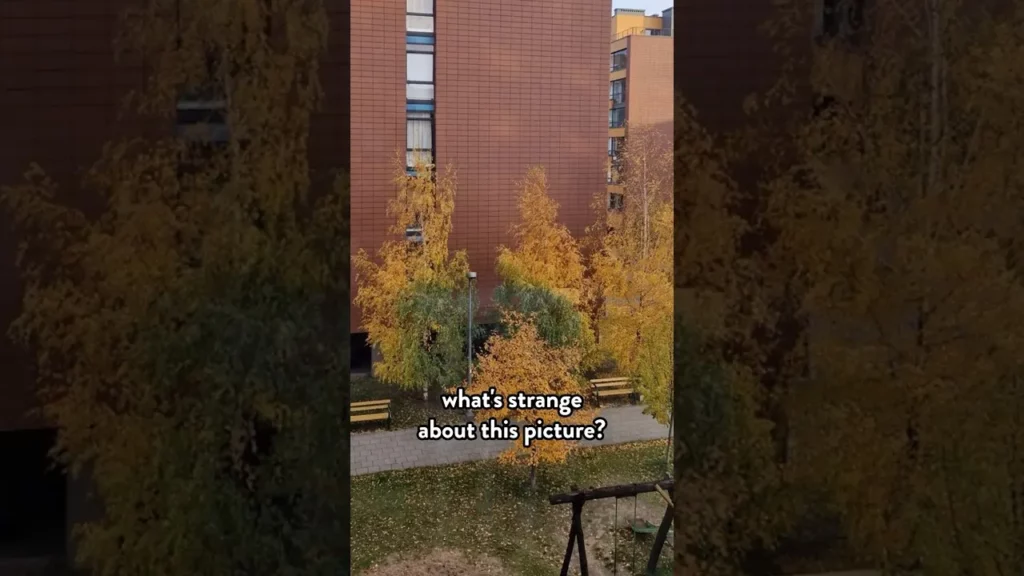
In this lesson, we explore why some leaves remain green during the fall while others change color and fall off. The phenomenon is often caused by artificial light, such as streetlights, which can confuse trees into thinking it’s still summer, delaying the breakdown of chlorophyll. This misalignment can harm the tree and disrupt the ecosystem, highlighting the intricate relationship between light and nature.
The Science of Farts
The lesson “Everyone Passes Gas: A Fun Look at a Natural Process” explores the normalcy of passing gas, explaining that it occurs due to trapped air and gas produced by microbes during digestion. It highlights that this natural process is not harmful, occurs frequently, and can even be a source of humor, reflecting on historical perspectives and societal attitudes towards it. Ultimately, the lesson encourages embracing this bodily function as a sign of health and a shared human experience.
This Rainforest Caterpillar Looks Like Donald Trump
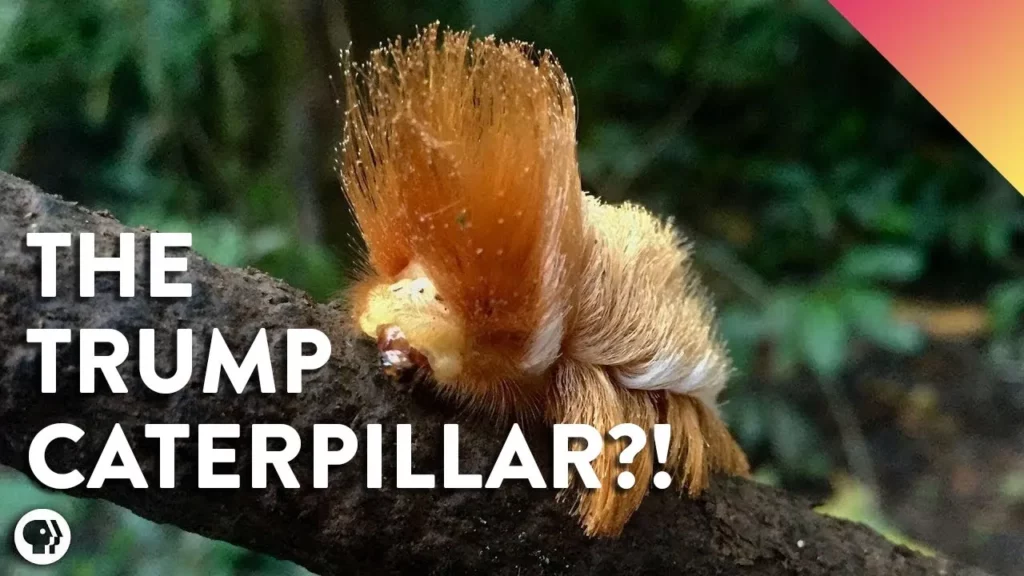
The lesson explores the intriguing strategies animals use to avoid predation in nature, focusing on the bold Megalopygid caterpillar, which employs bright colors and venomous spines as a warning signal to deter predators. It also highlights the concept of mimicry, exemplified by the cinereous mourner chick, which resembles the caterpillar to gain protection from threats. Through these examples, the lesson illustrates the power of natural selection and the fascinating adaptations that help creatures survive in the wild.
The Reason COVID-19 Is Our Perfect Enemy (and Why We’ll Beat It)
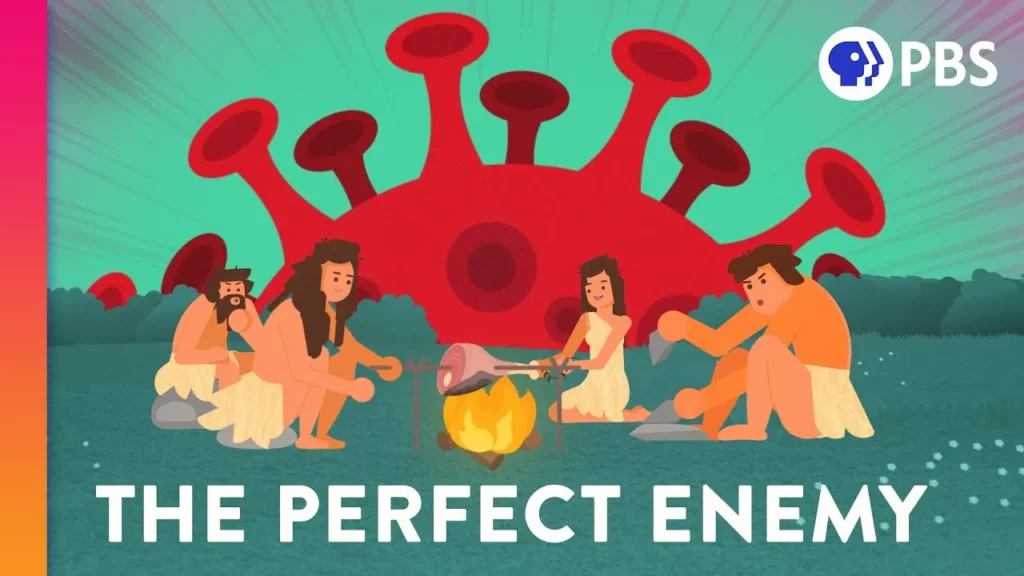
The lesson explains why polar bears are not susceptible to the coronavirus, highlighting that they represent a dead end for the virus, unlike humans who are social creatures. While our connections make us strong and have enabled us to thrive, they also expose us to germs, necessitating measures like social distancing to protect ourselves. Ultimately, the lesson emphasizes the importance of learning, adapting, and maintaining our unity to overcome challenges posed by viruses.
Is Your Eye Color Real?
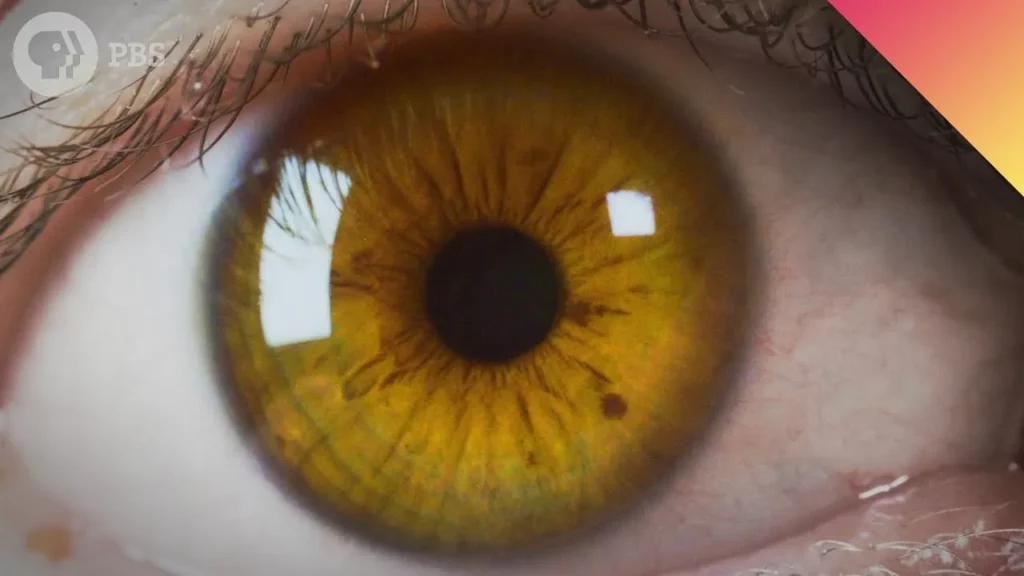
In this lesson, we explore the fascinating science behind eye colors, highlighting that while the iris contains only shades of brown melanin, the appearance of blue eyes is due to the Tyndall effect, which scatters light. Eye color is determined by a complex interplay of at least ten different genes, making each person’s eye color unique, much like fingerprints. Celebrate your individuality and stay curious about the science that shapes our world!
Why Vaccines Work
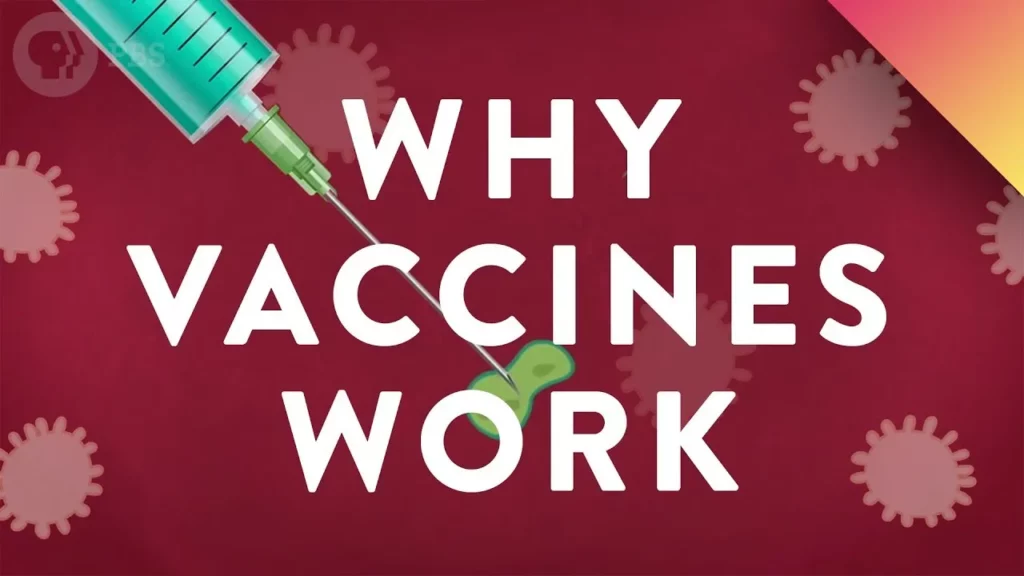
The lesson highlights the historical significance of vitamin C in preventing scurvy, as discovered by James Lind in 1747, and its impact on sailors’ health. It draws parallels to modern medicine, emphasizing the crucial role of vaccines in disease prevention, herd immunity, and community health. The lesson also addresses common concerns about vaccines, underscoring their safety and importance in protecting both individuals and vulnerable populations.