
What’s The Deadliest Animal In The World?

The lesson highlights the mosquito as the world’s most dangerous creature, responsible for millions of deaths and significant loss of human life due to diseases like malaria. It explores the biology of mosquitoes, their feeding habits, and the factors that attract them to certain individuals, while also discussing the challenges of controlling their populations and the ecological implications of potential eradication efforts. Ultimately, it encourages critical thinking about the balance between human health and environmental concerns in addressing the mosquito problem.
The Sun Is A Magnet!

The lesson explores the sun’s multifaceted nature, highlighting its role as a vital energy source for life on Earth and its magnetic properties. It explains how charged particles create magnetic fields and form coronal loops, which can lead to solar storms that impact technology on Earth. Additionally, the lesson celebrates the sun’s beauty, showcasing phenomena like the Northern Lights that result from its interactions with our atmosphere.
Are You Afraid of Holes?
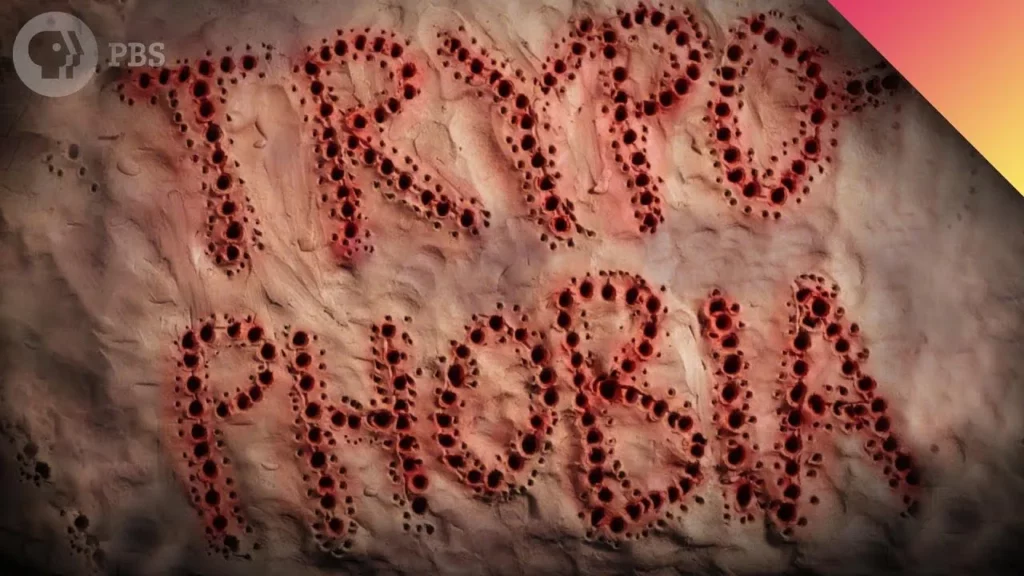
The lesson explores trypophobia, the discomfort or aversion some people feel when viewing clusters of small holes or similar patterns. While it is not officially recognized as a phobia, it affects about 1 in 6 people and may stem more from feelings of disgust than fear, potentially linked to evolutionary responses to avoid disease. Cultural influences also play a role in what individuals find repulsive, and currently, the best way to cope with trypophobia is to avoid triggering stimuli.
The Science of Kissing
The lesson explores the multifaceted reasons behind the act of kissing, highlighting its biological, psychological, and cultural significance. Kissing engages various facial muscles, triggers the release of bonding hormones like oxytocin, and activates pleasure centers in the brain, making it a deeply intimate experience. Additionally, the lesson discusses the historical context of kissing and its prevalence across cultures, emphasizing its importance in relationships and human connection.
How Bees Can See the Invisible
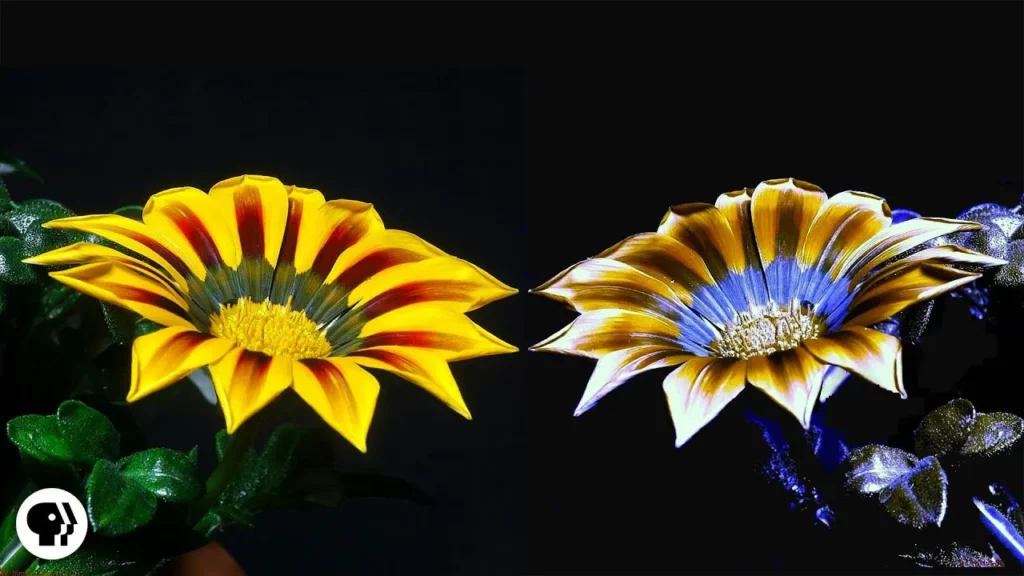
The lesson “Bees and Flowers: A Perfect Team” explores the mutualistic relationship between bees and flowers during springtime, highlighting how they rely on each other for survival and reproduction. Flowers attract bees with bright colors and nectar, while bees assist in pollination, ensuring the continuation of plant species. Additionally, the lesson discusses the unique ways bees perceive flowers, including their ability to see ultraviolet patterns and sense electric fields, emphasizing the intricate and essential connection between these two vital components of nature.
23 Reasons to be Cheerful (Thanks to Science!)
The lesson highlights the remarkable scientific achievements of 2016, showcasing how, despite global challenges, significant advancements were made in various fields. Key milestones included the confirmation of gravitational waves, breakthroughs in artificial intelligence and gene editing, successful space missions, and promising developments in medicine and environmental conservation. These accomplishments underscore the resilience and creativity of human ingenuity, inspiring optimism for future discoveries.
The world’s oldest dog is HOW OLD?!

The lesson explores the unique case of canine transmissible venereal tumor (CTVT), a contagious cancer that originated from a single dog approximately 6,000 years ago. This rare condition allows cancer cells to act like a parasite, spreading between dogs through physical contact, which challenges our typical understanding of cancer. By studying CTVT, scientists gain insights into cancer evolution and disease transmission, potentially informing treatments for both animals and humans.
The Beautiful Cycles of Carbon and Oxygen In Your Body
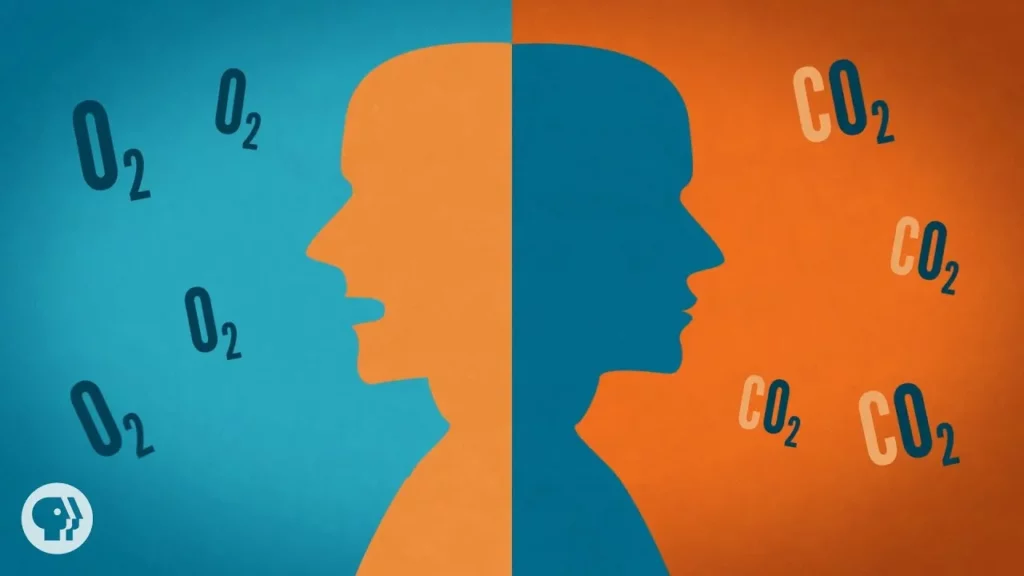
In this lesson, we explore the joyful connection between music and breathing. Music is described as magical sounds that evoke various emotions, while breathing is highlighted as a vital activity that helps us feel calm and energized. By practicing breathing in sync with music, children can enhance their relaxation and happiness, encouraging them to further explore different musical styles and breathing techniques.
Climate Science: What You Need To Know
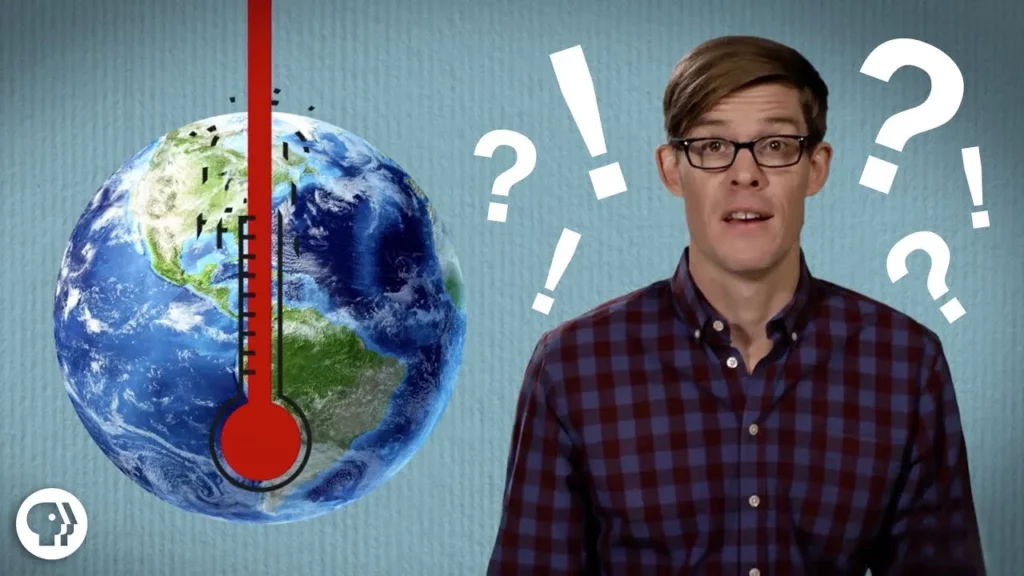
The lesson “Understanding Climate Change: A Clear Picture” emphasizes the overwhelming scientific consensus on climate change, highlighting the significant rise in greenhouse gases, particularly carbon dioxide, due to human activities since the Industrial Revolution. It discusses the impact of these changes on global temperatures, ocean levels, and ecosystems, stressing the urgency of addressing climate change to mitigate its potentially devastating effects on the environment. The lesson also aims to raise awareness and encourage discussions about the importance of tackling climate change, despite ongoing skepticism from some individuals.
I Can’t Believe We’re Making Another COVID Video
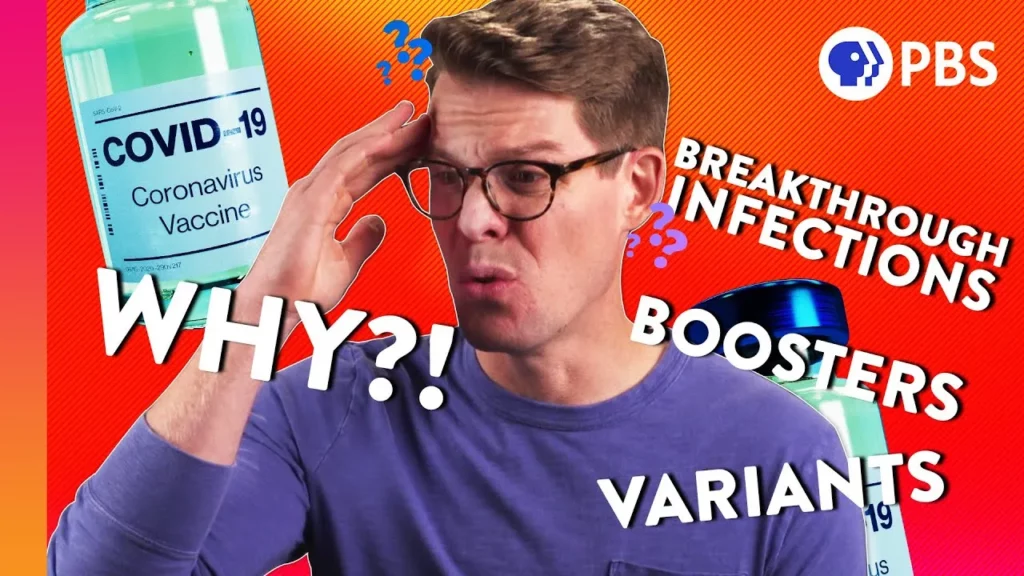
The lesson emphasizes the ongoing impact of COVID-19, highlighting that while the situation is improving, the pandemic is not over. It clarifies the role of vaccines in reducing severe illness and death, addresses misconceptions about natural immunity versus vaccination, and discusses the importance of booster shots in the face of emerging variants. Ultimately, it encourages embracing uncertainty and staying informed as we adapt to living with COVID-19.