
Why No One Can See the Stars Anymore
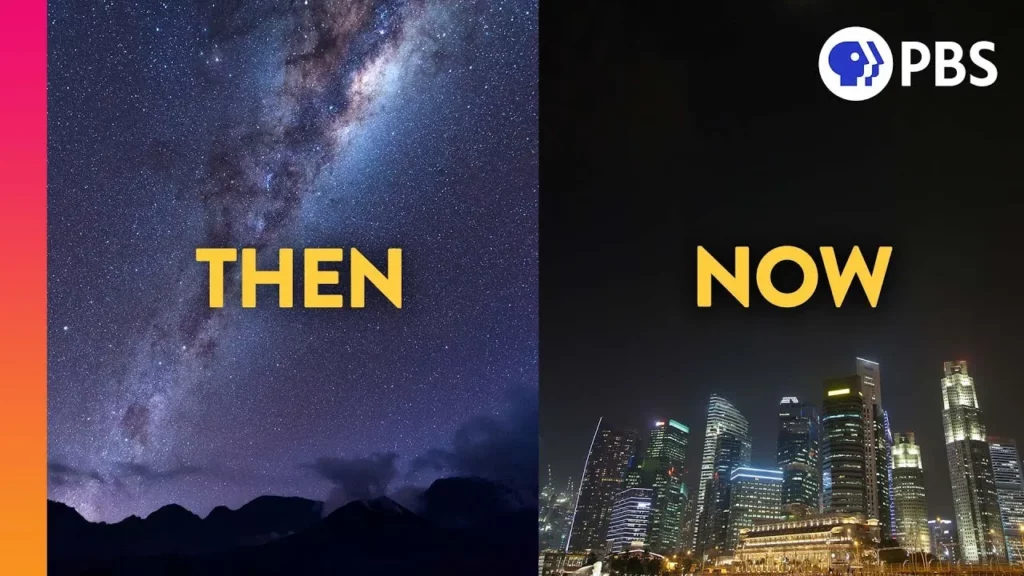
In the lesson “Discovering the Night Sky: The Impact of Light Pollution,” students learn about the effects of artificial lighting on our ability to see the stars and the importance of preserving dark skies. The lesson highlights how light pollution obscures celestial views, disrupts wildlife, and impacts human health, while also emphasizing that reducing light pollution is a manageable solution that can reconnect us with the wonders of the night sky.
Inside a Category 5 Hurricane Simulator
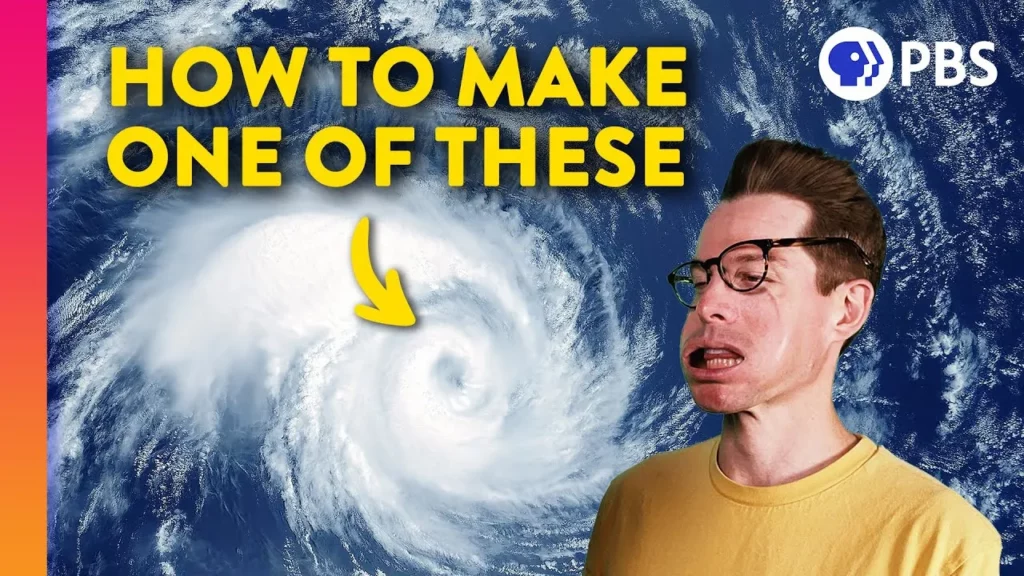
The lesson on hurricanes emphasizes their immense power and the importance of understanding and predicting these storms, particularly as climate change may increase their frequency and intensity. It highlights the innovative work being done at the SUSTAIN lab at the University of Miami, where scientists simulate hurricane conditions to improve prediction models and develop engineering solutions to mitigate their impact. Ultimately, the lesson underscores the critical need for knowledge and preparedness in hurricane-prone areas to save lives and adapt to a changing environment.
Lab-Grown Meat is Here… and I Taste-Tested It!

In this lesson, we explored the innovative concept of lab-grown chicken, a sustainable alternative to traditional meat production that addresses environmental and ethical concerns. Led by Uma Valeri of Upside Foods, the process involves cultivating animal cells in a controlled environment, resulting in meat that mimics the taste and texture of conventional chicken. As scientists work to make this technology more affordable and accessible, lab-grown meat could play a significant role in creating a more sustainable food system for the future.
Ask Joe Stuff #4

In this lesson, we explore a variety of intriguing science questions, emphasizing the importance of curiosity as highlighted by Albert Einstein. Topics covered include the physiological reasons behind chills, the different growth phases of hair, the unique features of Saturn, visibility of stars in space, the fizz in root beer, the estimated age of Earth, and the dual nature of light. Each question encourages further inquiry and appreciation for the complexities of the natural world.
How Do Tesla Coils Work? Musical Tesla Coils in SLOW MOTION! (Feat. @physicsgirl )
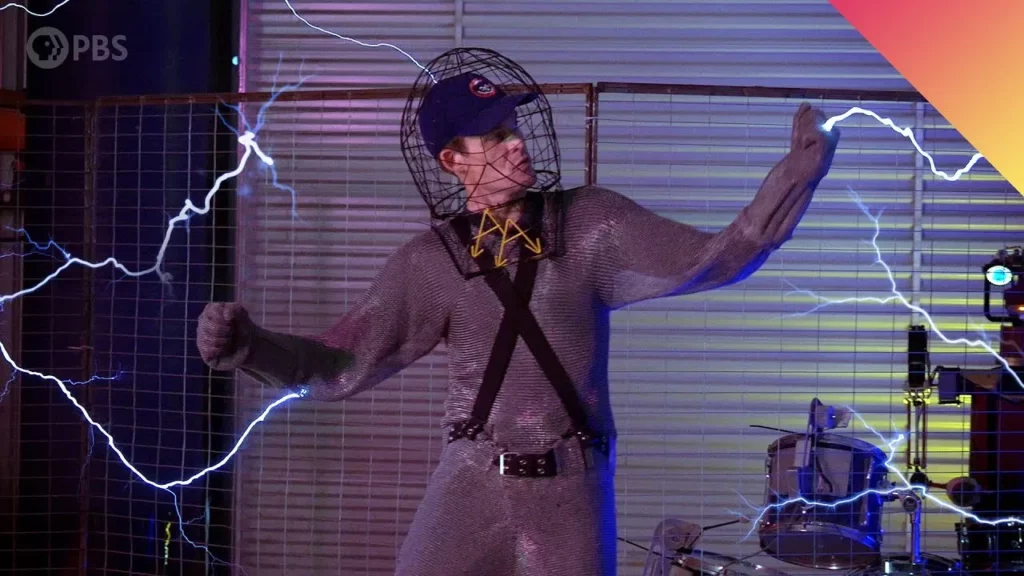
In this lesson, Dianna from Physics Girl introduces the fascinating world of Tesla coils at ArcAttack Studios, where electricity is transformed into music. Students learn about the history and mechanics of Tesla coils, including how they create sound by ionizing air and using resonance, as well as the safety measures involved in interacting with them, such as wearing a Faraday cage. The lesson emphasizes the importance of curiosity and exploration in science, encouraging students to continue discovering the wonders of the world.
How Humans Ruined and Rescued an Ocean Paradise
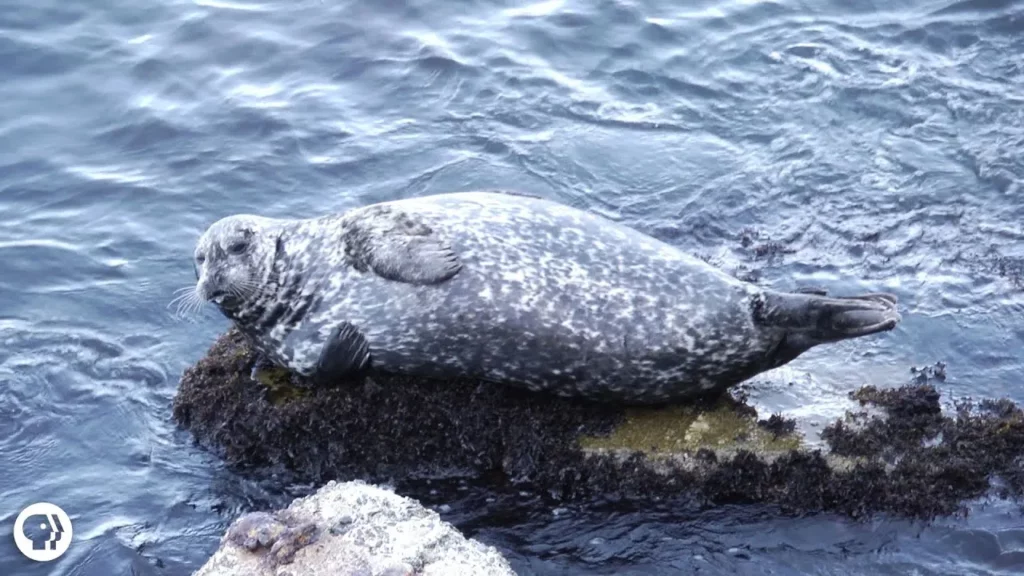
The lesson explores the historical transformation of Monterey, California, from a thriving sardine fishing hub to a modern tourist destination. It highlights the rise and fall of the sardine industry, emphasizing the consequences of overfishing and the importance of ecological balance, as illustrated by the philosophies of marine biologist Ed Ricketts. Ultimately, the narrative underscores the need for curiosity and respect for nature to ensure environmental sustainability for future generations.
The Science of Snowflakes
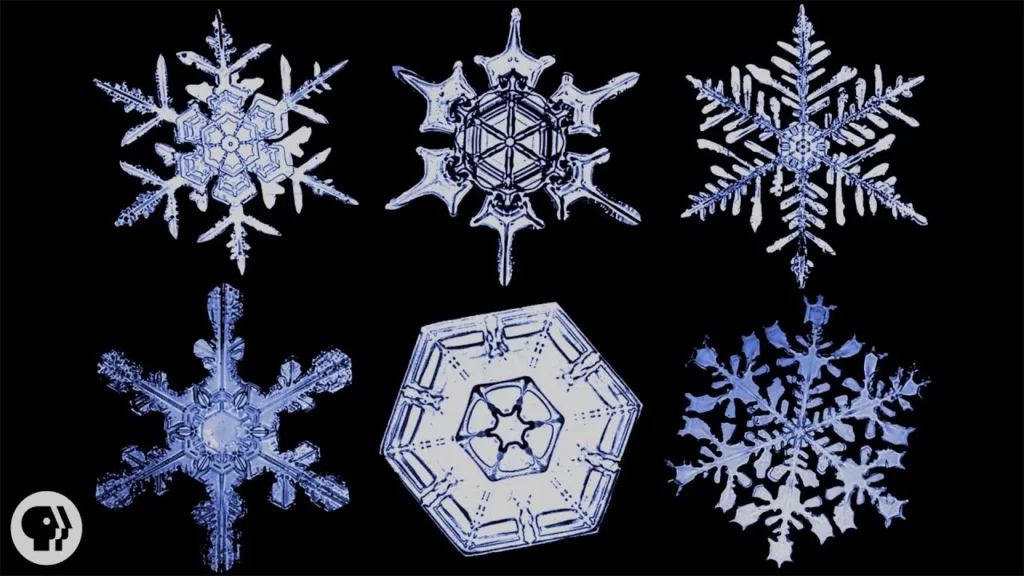
The lesson explores the uniqueness of snowflakes, tracing the idea back to Wilson Bentley’s first photograph of a snowflake in 1885. It explains how snowflakes form through simple physical laws and randomness, leading to intricate patterns, and highlights that even seemingly identical snowflakes have molecular differences. Ultimately, the lesson emphasizes the beauty and individuality of each snowflake as a product of nature’s forces.
This Face TOTALLY Changes the Human Story
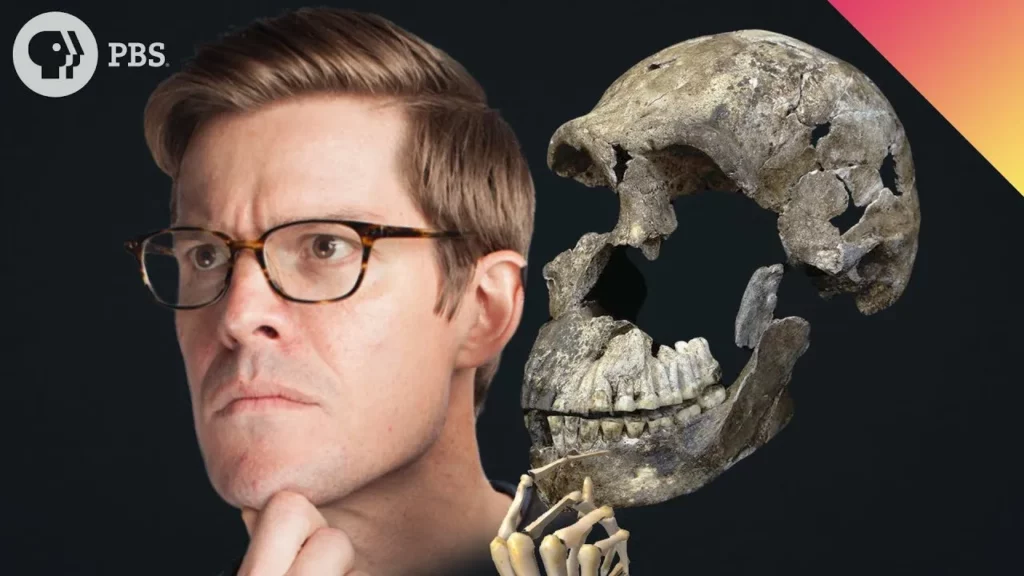
The lesson explores the significant discovery of Homo naledi, a new species of hominid found in South Africa’s Rising Star cave system, which challenges our understanding of human evolution. Through the efforts of paleoanthropologist Lee Berger and a team of skilled volunteers, the excavation revealed a wealth of fossil remains that suggest complex social behaviors, previously thought to be unique to Homo sapiens. This discovery highlights the intricate and branching nature of human evolution, emphasizing that we are just one part of a diverse ancestral lineage.
Evolution FAILS in the Human Body
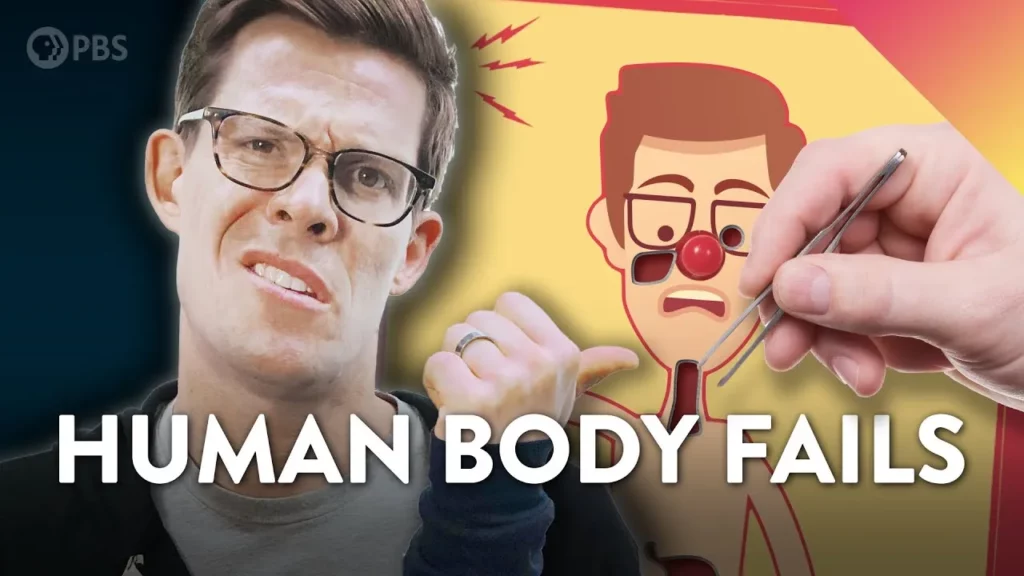
In the lesson “Understanding Our Bodies: A Journey Through Evolution,” we explore the fascinating complexities and imperfections of the human body, highlighting how evolutionary history has shaped our physical design. From vision issues and sinus structures to the challenges of upright walking and unique nutritional needs, the lesson emphasizes that our bodies, while remarkable, are not without flaws. Ultimately, it encourages curiosity about our evolutionary journey and the ways our bodies have adapted over millions of years.
This Salamander Can Regrow Limbs Like Deadpool
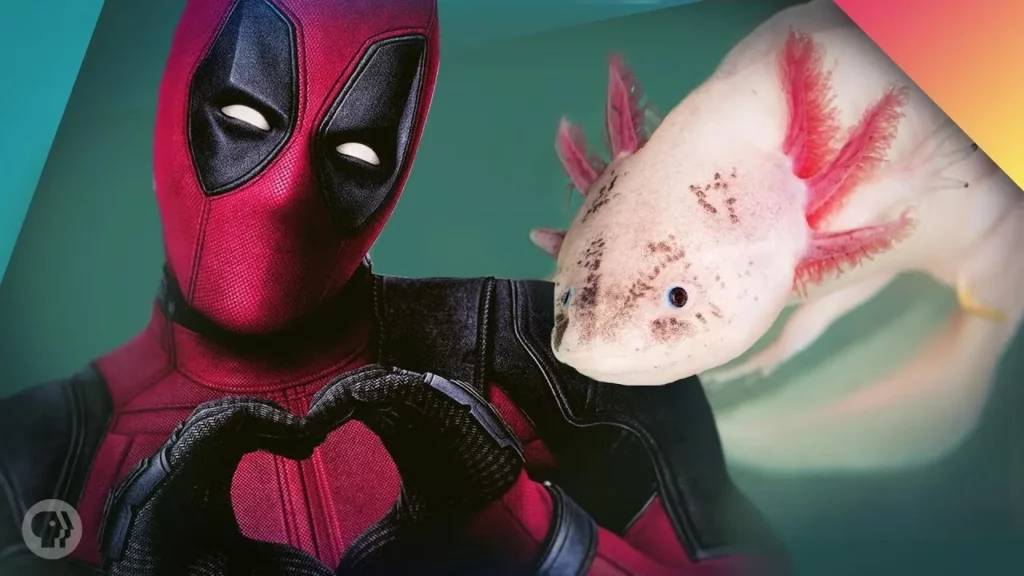
In this lesson, we explored the remarkable axolotl, a unique amphibian known for its extraordinary ability to regenerate lost body parts, including limbs, heart, and brain tissues. Unlike other salamanders, axolotls remain aquatic throughout their lives and retain juvenile features, such as frilly gills. Scientists study these fascinating creatures to unlock potential advancements in human medicine, particularly in tissue repair and regeneration.