
Why is the Sky Any Color?

The lesson explores the scientific explanation for why the sky appears blue, highlighting the role of light scattering in Earth’s atmosphere. It explains that shorter wavelengths of light, particularly blue, scatter more than longer wavelengths, which is why we perceive the sky as blue during the day. Additionally, it discusses how the colors of the sunset are influenced by the angle of sunlight and atmospheric conditions, leading to beautiful hues of red and orange.
How Poop Shapes the World
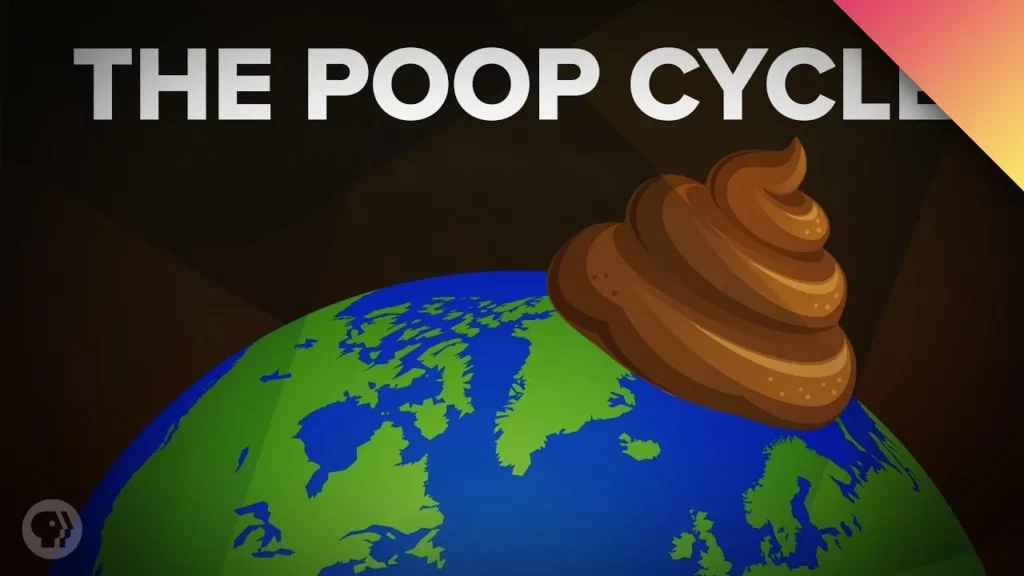
The lesson highlights the crucial role of animal waste in maintaining healthy ecosystems both in the ocean and on land. It explains how various animals, such as parrotfish and whales, contribute to nutrient cycling, which supports plant growth and ocean health, while also emphasizing the importance of waste in soil enrichment and seed dispersal. Ultimately, the lesson underscores that animal waste is not merely a byproduct but a vital component of the natural world that sustains life.
There’s No Such Thing As Cold
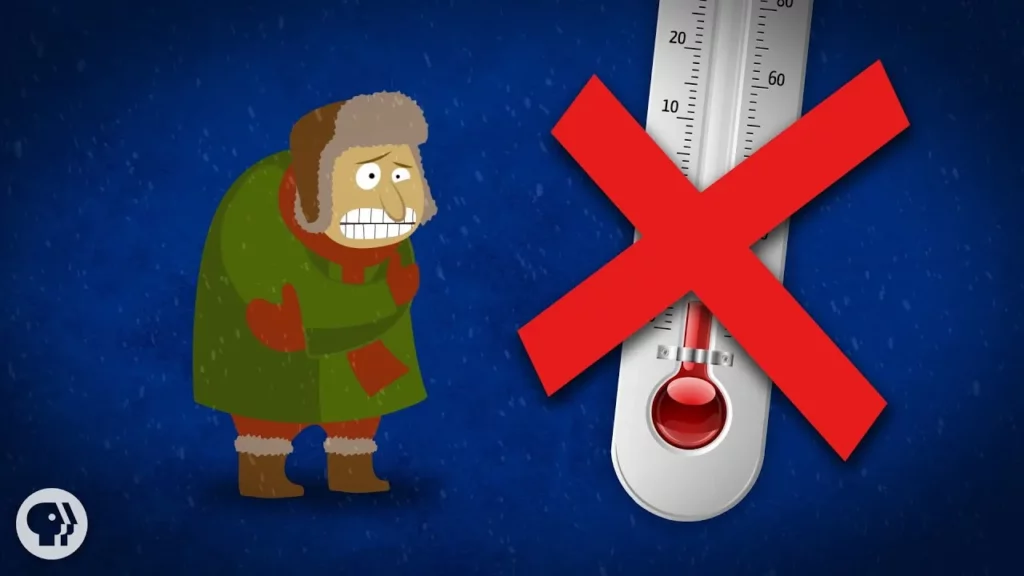
This lesson explores the concept of temperature and the sensation of feeling cold, emphasizing that “cold” is not a tangible entity but rather the absence of heat energy. It explains how temperature measures the kinetic energy of atoms, the mechanisms of heat transfer (conduction, convection, and radiation), and how external factors like wind can enhance our perception of cold. Additionally, it highlights the intriguing relationship between temperature, energy, and the laws of thermodynamics, encouraging curiosity about the physical world.
How To See a Black Hole with a Planet-Sized Telescope | STELLAR
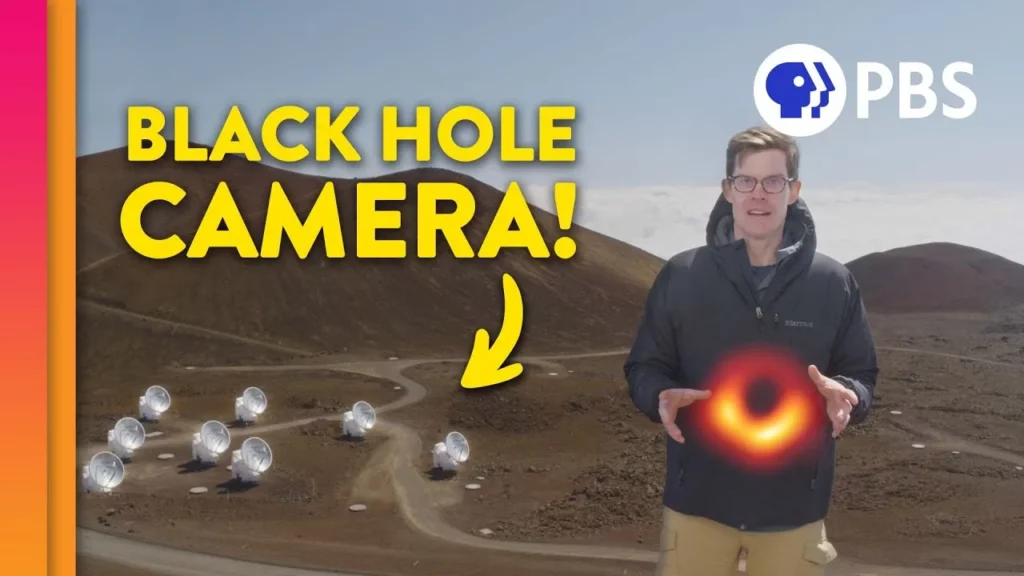
The lesson explores the groundbreaking achievement of capturing the first image of a black hole by the Event Horizon Telescope collaboration on April 10, 2019. Utilizing a global network of synchronized radio telescopes and advanced supercomputing technology, scientists were able to detect the faint signals emitted by hot gas around the black hole, revealing a glowing ring that marks the event horizon. This monumental discovery not only demonstrates the power of collaborative scientific efforts but also opens new avenues for understanding the universe.
%$?# Allergies!
This lesson explores the causes and mechanisms behind allergies, highlighting that tree and grass pollen are the primary triggers rather than flower pollen. It explains how the immune system mistakenly identifies harmless substances as threats, leading to allergic reactions, and discusses the increasing prevalence of allergies in developed countries, potentially linked to cleaner lifestyles and reduced exposure to germs. Understanding these factors may help in managing and reducing allergies effectively.
Why the Heck Are We Ticklish?
The lesson explores the intriguing phenomenon of tickling, highlighting its two types—gargalesis, which induces laughter, and knismesis, a light sensation that serves as a protective alert. It emphasizes that tickling is a social behavior rooted in our biology, helping to strengthen bonds and teach self-protection, while also revealing that laughter in response to tickling is not solely about humor but a complex social interaction. Ultimately, tickling serves as a reminder of our connection to the animal kingdom and the importance of laughter in human relationships.
The Largest River On Earth Is In The Sky
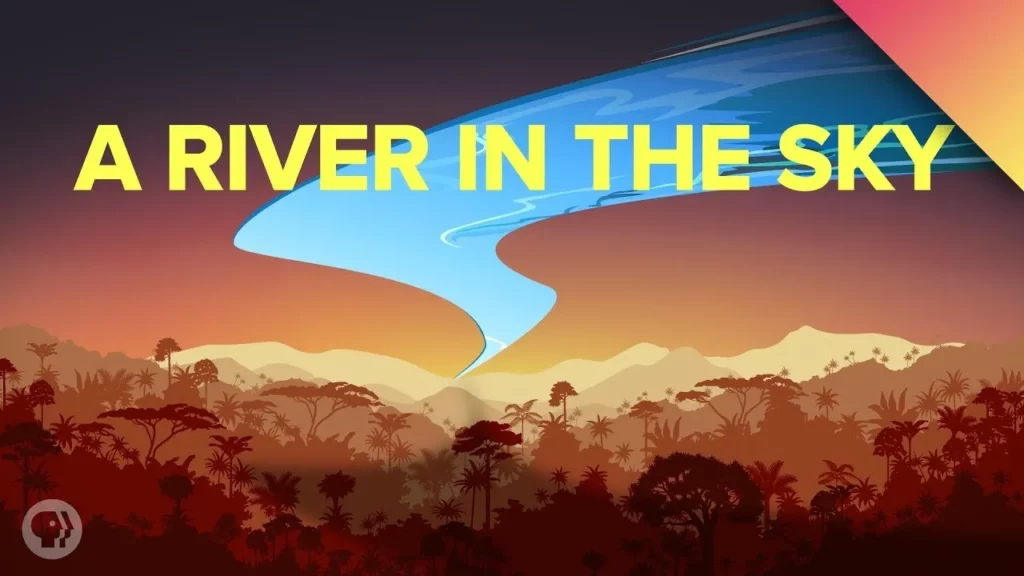
The Amazon rainforest, covering 40% of South America, plays a crucial role in the Earth’s ecosystem by producing one-fifth of the oxygen we breathe and generating a significant amount of rainfall through a unique process involving water vapor released by its trees. This “river in the sky” formed by the trees not only sustains the rainforest but also influences weather patterns across the globe, highlighting the interconnectedness of natural systems. The lesson emphasizes the importance of the Amazon as both a vital source of oxygen and a key player in the global water cycle, underscoring the need to protect this incredible environment.
The Science and Beauty of Auroras
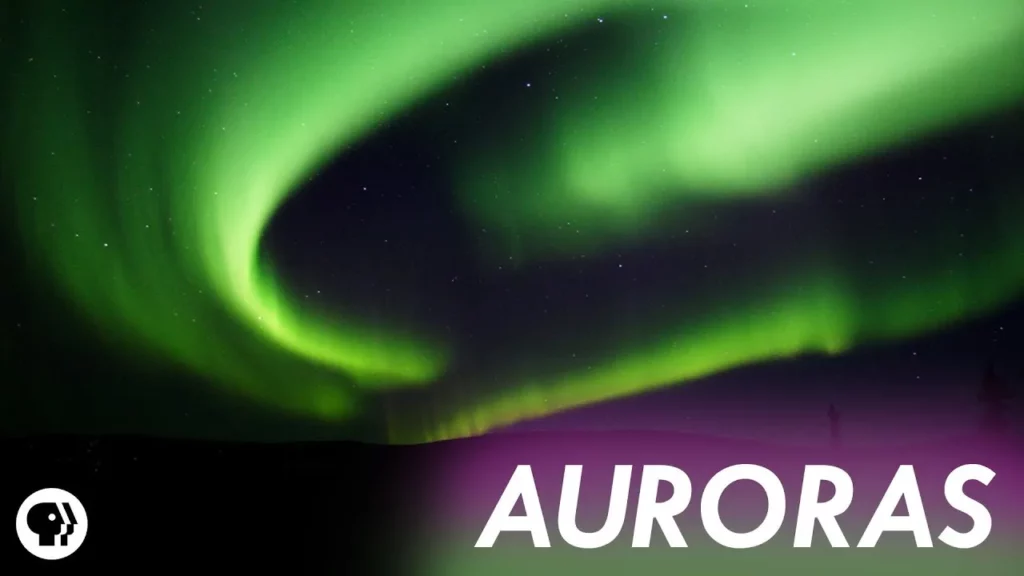
The lesson explores the fascinating phenomenon of auroras, which are created by the interaction of charged particles from the Sun with Earth’s magnetic field and atmosphere. It explains how these celestial light displays have intrigued humans for centuries, revealing the science behind their formation and the role of solar storms. Additionally, the lesson highlights the importance of studying auroras for understanding solar activity and its effects on Earth, while also celebrating their beauty as a natural spectacle.
Some People Won’t Be Able to Listen to This Video
This lesson explores why certain sounds can evoke feelings of discomfort or anxiety, delving into the science behind sound perception and the psychological phenomenon known as misophonia. It highlights how high-pitched noises can trigger a “fight or flight” response and emphasizes the influence of context and culture on our reactions to sounds. Understanding these factors can help create more considerate environments in public spaces.
Ask Joe Stuff #2

In this lesson of “Ask Joe Stuff,” we explore intriguing science questions, such as the improbability of someone having the exact same genetic code as you, the use of zombie movies to understand disease spread, and the science behind why bread can soften hard cookies. Additionally, we learn about the bacterial connection between the smell of cheese and feet, Joe’s passion for biology, and his admiration for the engaging scientist Richard Feynman. The session encourages curiosity and invites participants to submit their own science questions for further exploration.