
Building Curiosity
The lesson “Exploring the Universe: The Power of Curiosity” emphasizes the fundamental role of curiosity in driving exploration and learning throughout human history. It highlights how curiosity fuels scientific inquiry, fosters joy in discovery, and encourages a mindset akin to that of a scientist, where asking questions and embracing mistakes are essential for growth. Ultimately, the lesson encourages individuals to maintain their curiosity, as it opens up endless possibilities for understanding and shaping the world around them.
Why Solar Eclipses Are Such a Big Deal
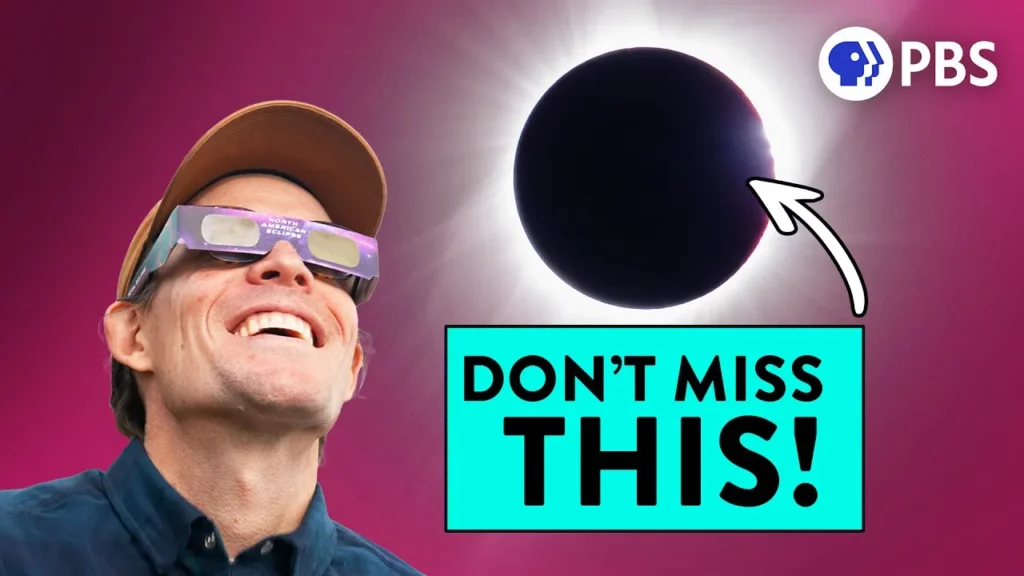
The lesson explores the fascinating phenomenon of solar eclipses, explaining how they occur when the moon perfectly aligns between the Earth and the sun, creating a rare cosmic event. It emphasizes the importance of being in the “path of totality” for the best viewing experience, offers safety tips for observing the eclipse, and highlights the unique sights and scientific significance of this spectacular event, particularly the upcoming total solar eclipse on April 8th.
Scientist vs. Major League Fastball (Baseball Neuroscience!)

Hitting a baseball is one of the most challenging skills in sports due to the rapid speed of the pitch and the limited time batters have to react. Batters must make split-second decisions and execute precise swings within a mere 9-millisecond window, all while processing visual information about the pitch’s trajectory. Successful hitters combine physical training with mental preparation, honing their reflexes and vision to improve their ability to hit fast-moving objects effectively.
Ask Joe Stuff #3
This lesson explores various intriguing aspects of biology and our connection to the universe, starting with the surprising fact that humans share 50% of their DNA with bananas, highlighting the commonalities in basic life processes across species. It also delves into sympathetic vomiting as an evolutionary survival mechanism, the concept of LUCA as the common ancestor of all life, and the pivotal moment in history when complex life began. Additionally, it touches on the speed of light and the significance of the Voyager Golden Record, emphasizing the importance of curiosity in our quest for knowledge.
The Mathematical Code Hidden In Nature
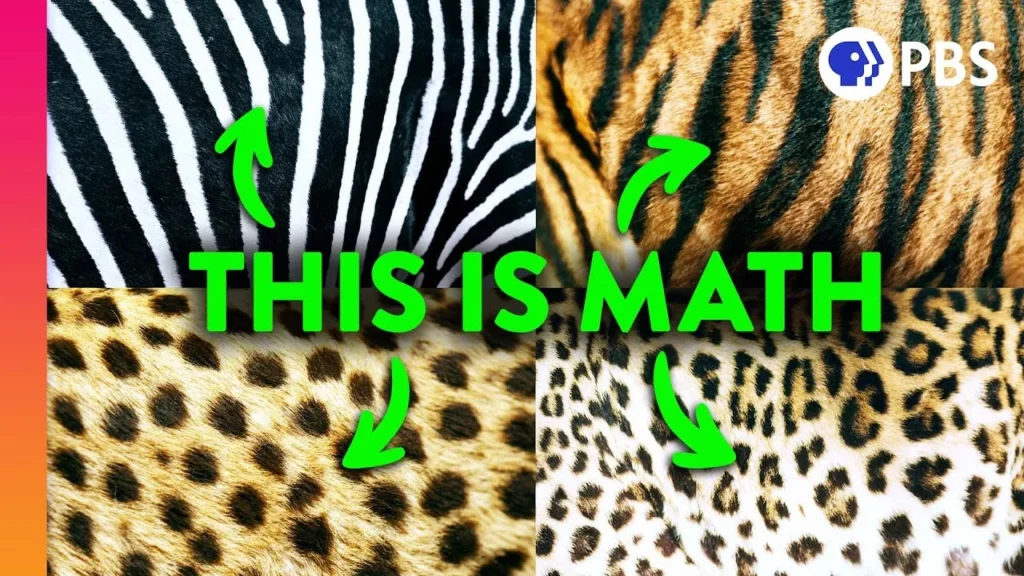
The lesson explores the intricate patterns found in nature, such as zebra stripes and leopard spots, revealing how these designs emerge from simple biological and mathematical principles. Alan Turing’s groundbreaking work in the 1950s introduced reaction-diffusion equations, which explain how chemical interactions can lead to complex patterns in living organisms. By bridging mathematics and biology, Turing’s insights not only enhance our understanding of natural phenomena but also highlight the beauty of mathematical applications in the natural world.
Ask Joe Stuff – 2 Million Subscribers Edition!
In this lesson, the host celebrates reaching two million subscribers and engages with the audience by answering a variety of questions, ranging from personal anecdotes about video-making to scientific curiosities. The discussion emphasizes the importance of storytelling in science communication, encourages mental health awareness among grad students, and highlights the value of community interaction through thoughtful responses to viewer comments. Overall, the session fosters a sense of curiosity and connection among participants.
Antibiotic Resistance and the Rise of Superbugs
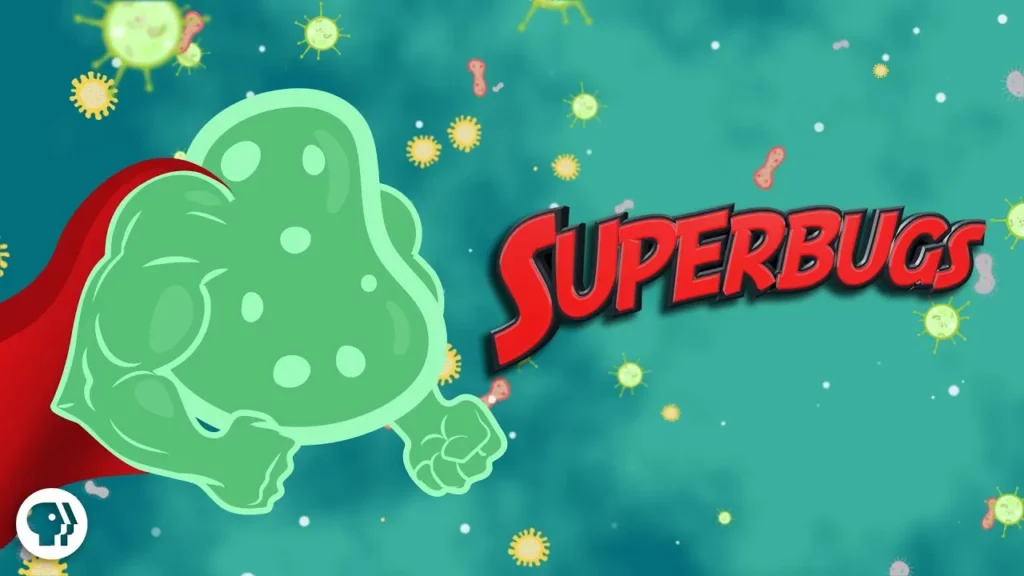
The lesson on “Understanding Antibiotic Resistance: The Rise of Superbugs” highlights the growing threat of antibiotic-resistant bacteria, known as superbugs, which can render common infections dangerous again. It explains how antibiotic resistance develops through bacterial mutations and gene exchanges, exacerbated by human practices such as inappropriate antibiotic prescriptions and agricultural use. The lesson emphasizes the need for innovative solutions and responsible antibiotic use to combat this escalating public health challenge.
The Far Future of the Universe
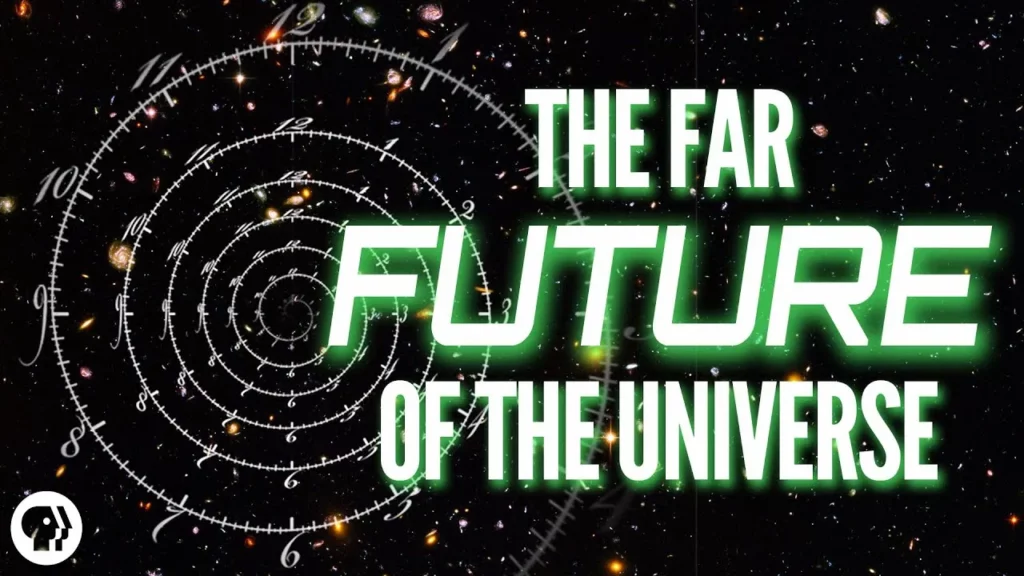
The lesson explores the concept of the universe’s eventual end, detailing a timeline of cosmic events that will lead to the extinction of life on Earth and the eventual emptiness of the universe. It emphasizes the fleeting nature of human existence in the grand scale of time, while also encouraging a focus on the meaningful connections we share in the present. Ultimately, it invites curiosity and reflection on our place in the universe amidst its inevitable decline.
The Surprising Places We Waste Energy
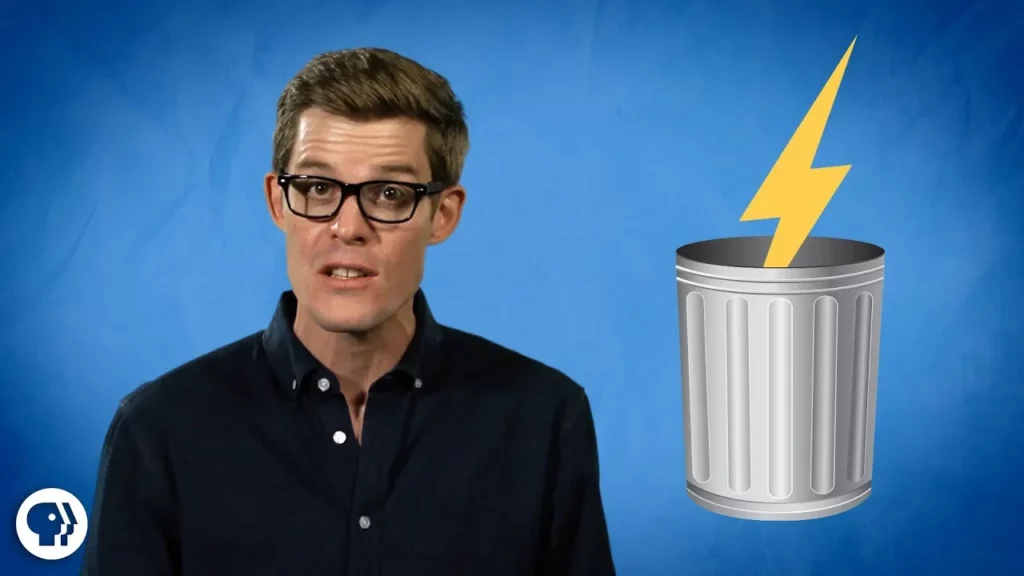
The lesson highlights the significant issue of food waste in the United States, where approximately 40% of food is never consumed, leading to the waste of freshwater, fertilizer, and energy used in food production and transportation. It emphasizes the interconnectedness of energy and water usage, illustrating how inefficiencies in both systems contribute to waste. To address these challenges, the lesson encourages individuals to adopt smarter food choices, improve energy efficiency, and explore innovative solutions to reduce waste and promote sustainability.
Attack of the Zombie Parasites!
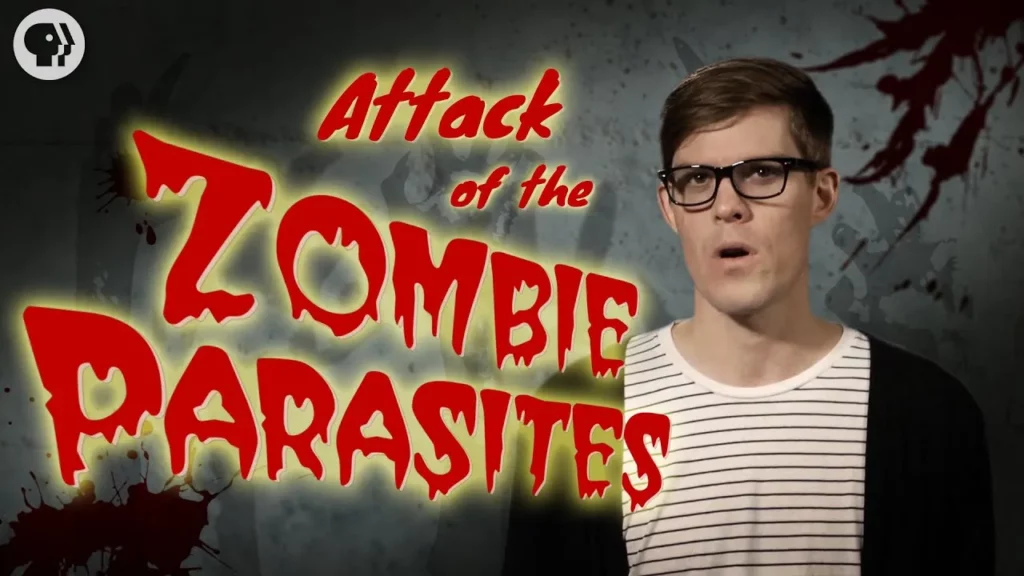
This lesson explores the concept of “zombies” in nature, highlighting various parasites that manipulate their hosts’ behaviors in ways reminiscent of fictional zombies. Examples include a fly that turns honeybees into erratic creatures, ants controlled by fungi, and cockroaches that become “zombie midwives” for wasps. While true movie-style zombies don’t exist, the lesson emphasizes the remarkable and often eerie ways in which certain organisms can influence the behavior of others in the natural world.