
Ebola Explained
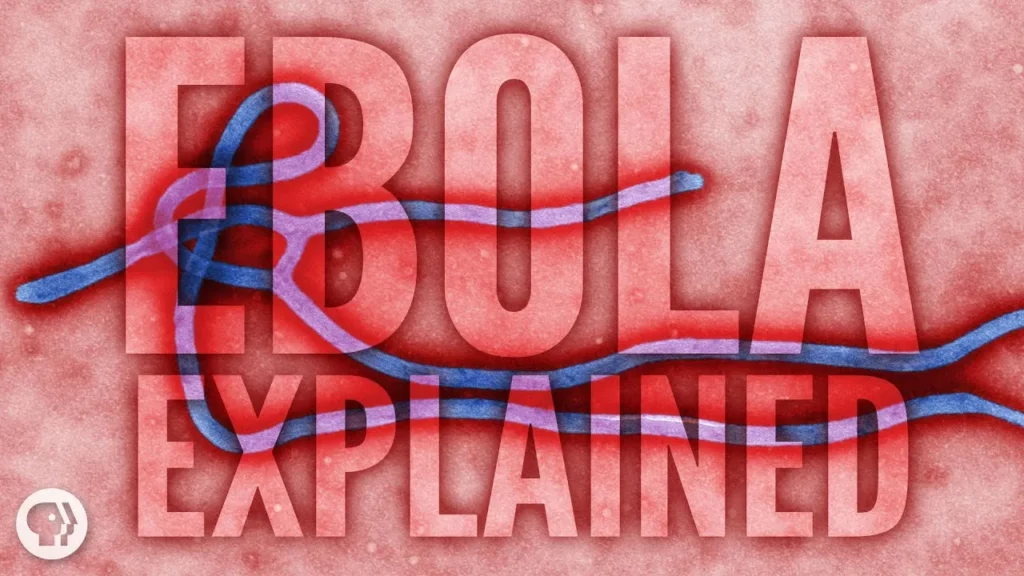
The lesson on Ebola provides an overview of the virus’s history, characteristics, and impact, beginning with its first known case in 1976 and highlighting the severe outbreak in West Africa. It explains that Ebola is a zoonotic disease primarily transmitted through direct contact with infected bodily fluids, and while the risk is low for most people, the situation remains critical in regions with limited healthcare resources. The lesson emphasizes the importance of scientific understanding and compassion in addressing the challenges posed by Ebola, while also encouraging continued research and support for treatment development.
How Blind People See With Sound… with @MollyBurkeOfficial!
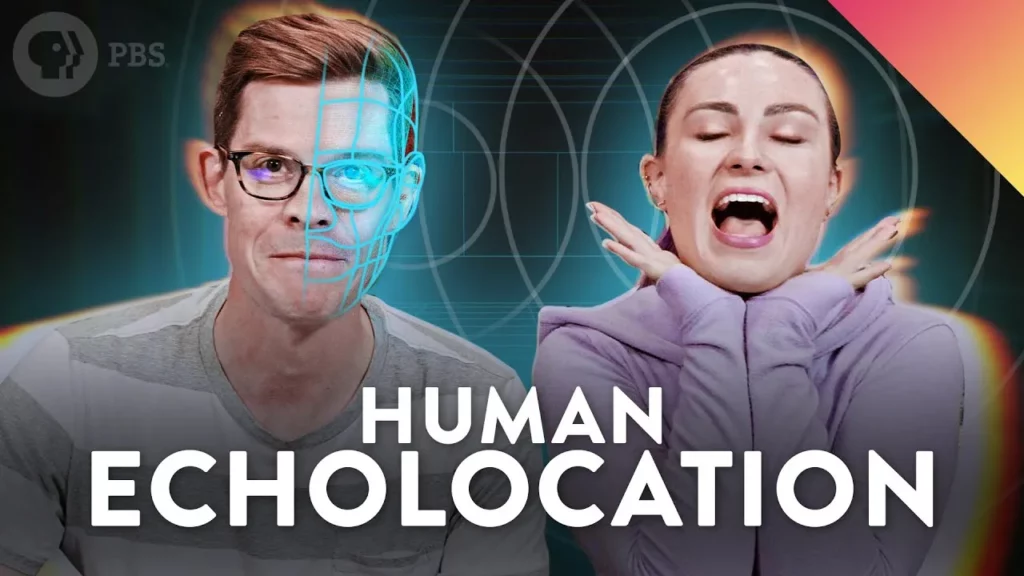
In the lesson “Discovering the World Through Sound: The Magic of Echolocation,” students learn about the remarkable ability of echolocation, particularly through the experiences of Molly Burke, a blind YouTuber who uses sound to navigate her environment. With the guidance of echolocation expert Brian Bushway, Molly and others discover how to actively use sound to create mental maps of their surroundings, showcasing the brain’s adaptability and the potential for new skills, even in the absence of sight. This lesson emphasizes the importance of perception and the idea that losing one sense can lead to the enhancement of others, revealing a rich sensory experience in the world around us.
Why this venomous caterpillar looks like Donald Trump’s hair
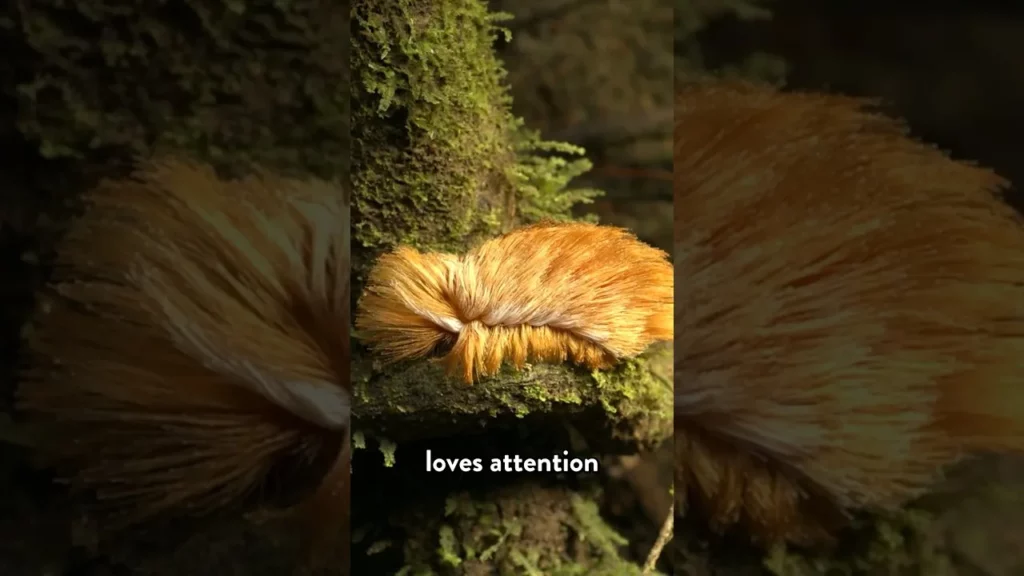
The lesson explores the intriguing “Donald Trump caterpillar,” known for its bright appearance and hidden venomous spines that serve as a warning to predators. It highlights the concept of aposematic signaling and introduces a clever bird that mimics the caterpillar’s appearance to avoid being eaten, showcasing the fascinating survival strategies in nature. Overall, the lesson emphasizes the remarkable ways animals use their looks and behaviors to protect themselves in the wild.
Inside an ADORABLE Sea Otter Adoption Program!
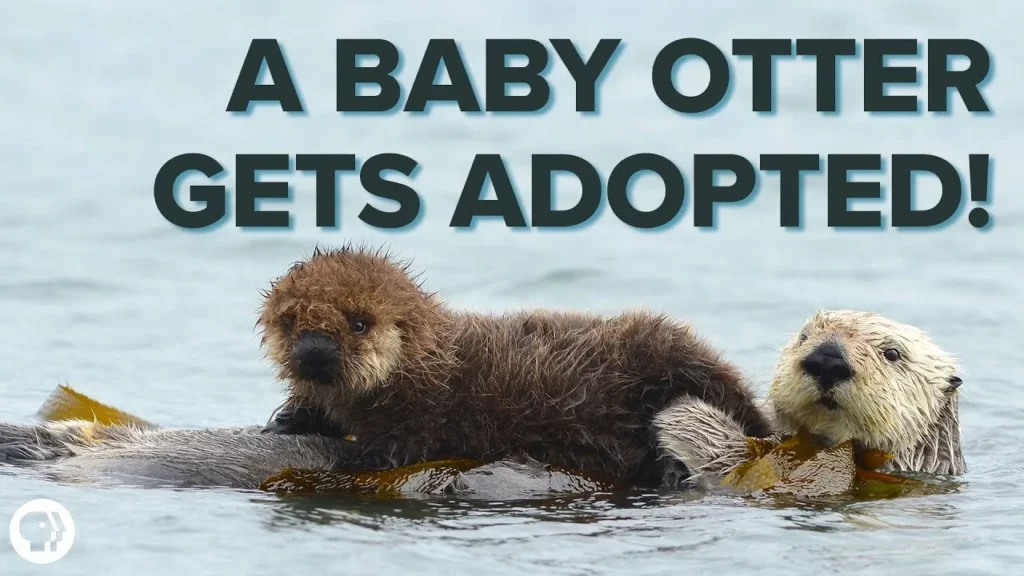
The lesson highlights the crucial ecological role otters play as “gardeners of the ocean,” particularly in maintaining the balance of kelp forests by controlling sea urchin populations. It also discusses the successful conservation efforts that have led to a significant increase in otter populations, the care they receive at aquariums, and the importance of teaching orphaned pups to thrive in the wild. Overall, understanding and protecting otters is essential for the health of marine ecosystems.
You’ll Never Guess Where Earth’s Largest Migration Happens
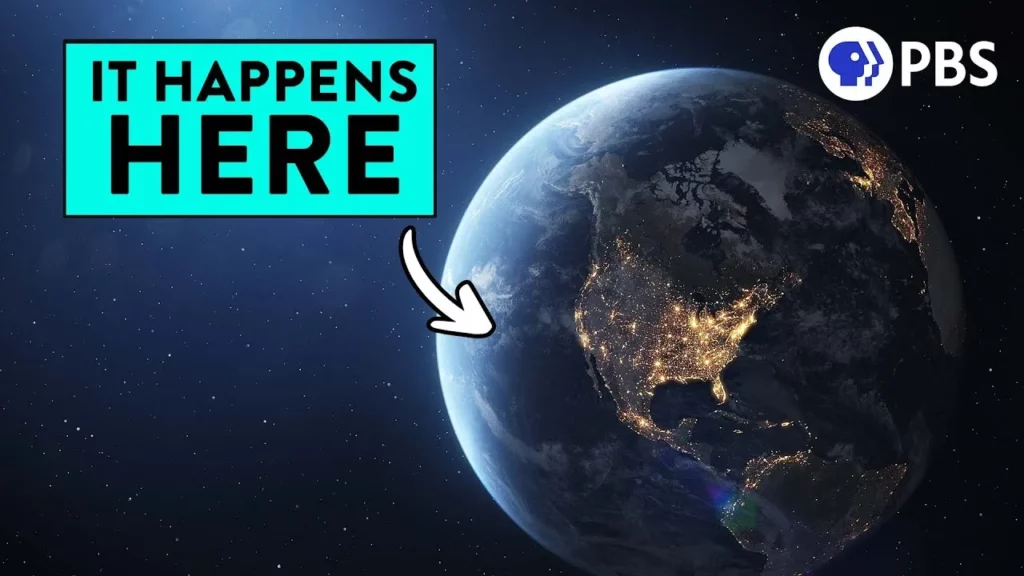
The lesson highlights the phenomenon of diel vertical migration (DVM), the largest animal migration on Earth, where tiny zooplankton travel significant distances between the ocean’s surface and deeper waters every night. This migration is driven by the need to access food while avoiding predators, influenced by light changes and potentially linked to circadian rhythms. Understanding DVM is crucial, as it plays a vital role in ocean ecosystems and the biological carbon pump, impacting climate change and the health of marine food webs.
Why Don’t Ants Get Stuck In Traffic?
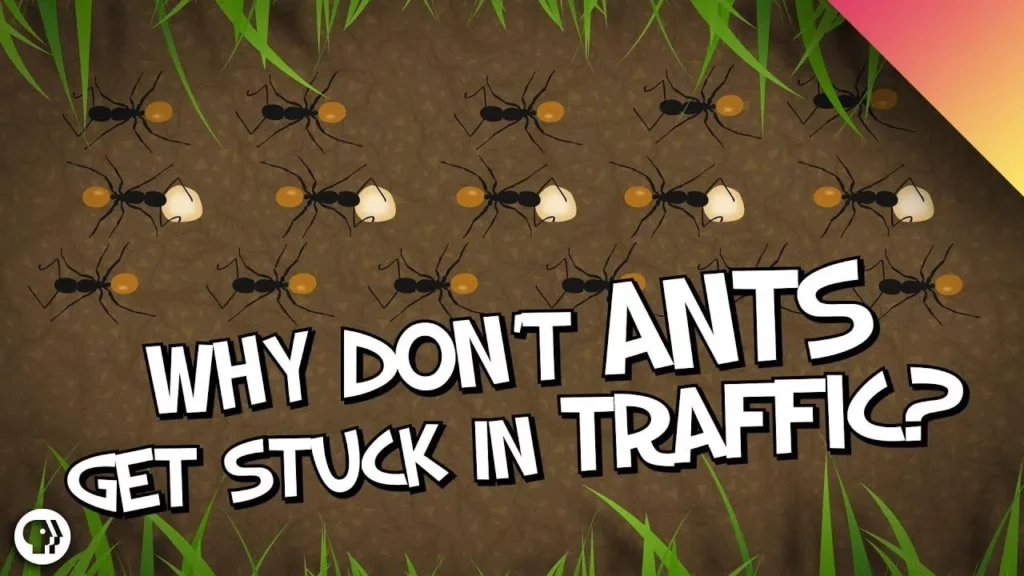
The lesson explores how army ants, despite their large numbers, effectively avoid traffic jams through a simple three-lane system that promotes smooth movement and cooperation. By studying these natural traffic experts, we can learn valuable insights into managing human traffic, such as the importance of communication, efficient lane usage, and the psychological factors that affect our perception of waiting. Ultimately, adopting principles from ant behavior could lead to improved traffic flow and reduced congestion in our daily commutes.
Einstein Is (Almost) Always Right: Gravitational Waves Edition
The lesson on Einstein’s Theory of General Relativity highlights the century-long journey of understanding gravity and spacetime, culminating in the confirmation of gravitational waves in 2016. Einstein’s revolutionary ideas transformed the perception of gravity from a force to a curvature of spacetime, leading to significant predictions that have been rigorously tested over the years. The detection of gravitational waves not only validated Einstein’s theories but also opened new avenues for exploring the universe, solidifying his legacy as one of the greatest physicists in history.
The Biggest Myth About Climate Change
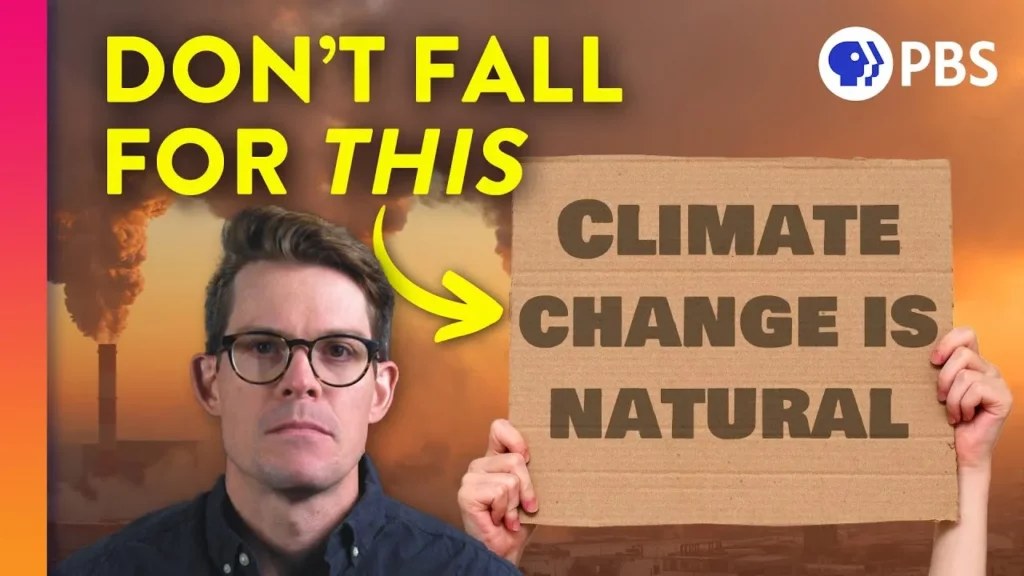
The lesson on “Understanding Climate Change: Natural vs. Human Influences” emphasizes the distinction between natural climate processes and the significant impact of human activities on current climate change. While natural factors have historically influenced the climate, the rapid warming observed since the industrial revolution is primarily attributed to human-induced greenhouse gas emissions, particularly from fossil fuel combustion. Recognizing our role in climate change is crucial for motivating collective action towards solutions.
How Baby Sea Turtles Find Their Way Home
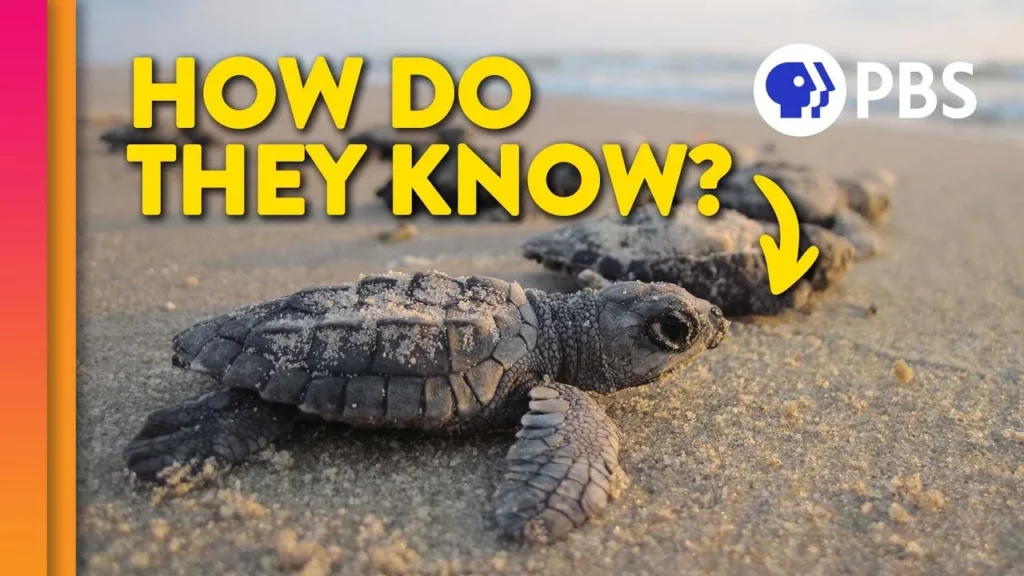
In this lesson, we explore the remarkable journey of baby Kemp’s ridley sea turtles, from their instinctual trek to the ocean after hatching to their eventual return to their birthplace to lay eggs years later. These turtles navigate using chemical cues and Earth’s magnetic field, which they learn about during their first walk on the beach. Conservation efforts have been crucial in protecting this endangered species, highlighting the importance of ongoing support for their survival.
How Many Species are in Your Backyard?
In the lesson “Discovering Nature: Become a Young Naturalist!”, students are encouraged to explore the natural world around them, regardless of their environment, using tools like the iNaturalist app to identify and document plants and animals. By engaging in citizen science, participants can contribute to important research while having fun and learning about biodiversity. The lesson emphasizes curiosity, safety, and community involvement in nature exploration.