
How Physics Could Bring About Doomsday
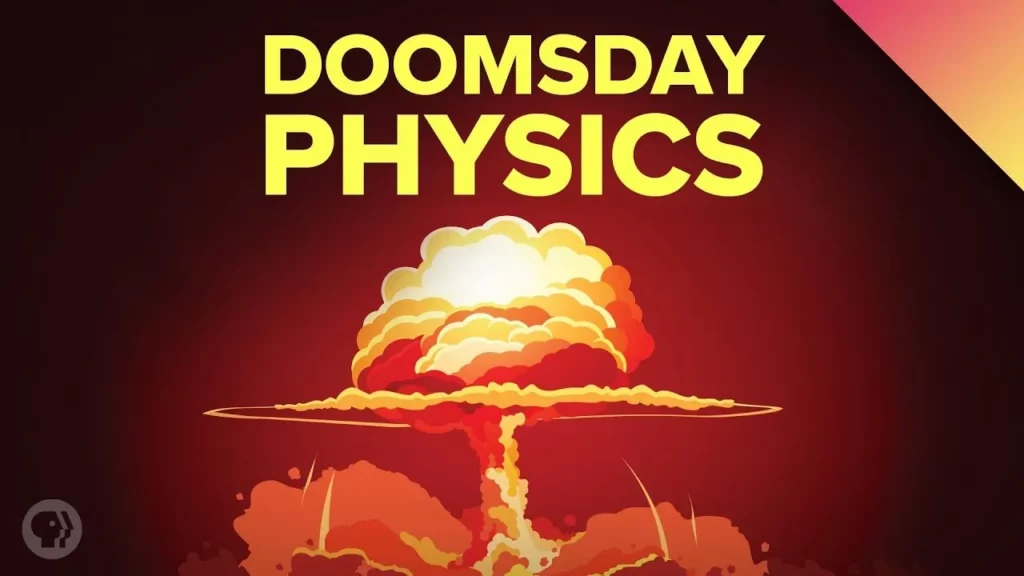
The lesson explores the profound and destructive power of nuclear weapons, emphasizing their historical context since the first use in 1945 and the catastrophic consequences of their deployment. It explains the mechanics of nuclear weapons, including fission and fusion processes, and highlights the extensive environmental and societal impacts of nuclear explosions, such as potential nuclear winter. Understanding these complexities is essential for fostering awareness and preventing the future use of such devastating weapons.
20 MILLION Year-Old Spider and the Science of Spider Silk
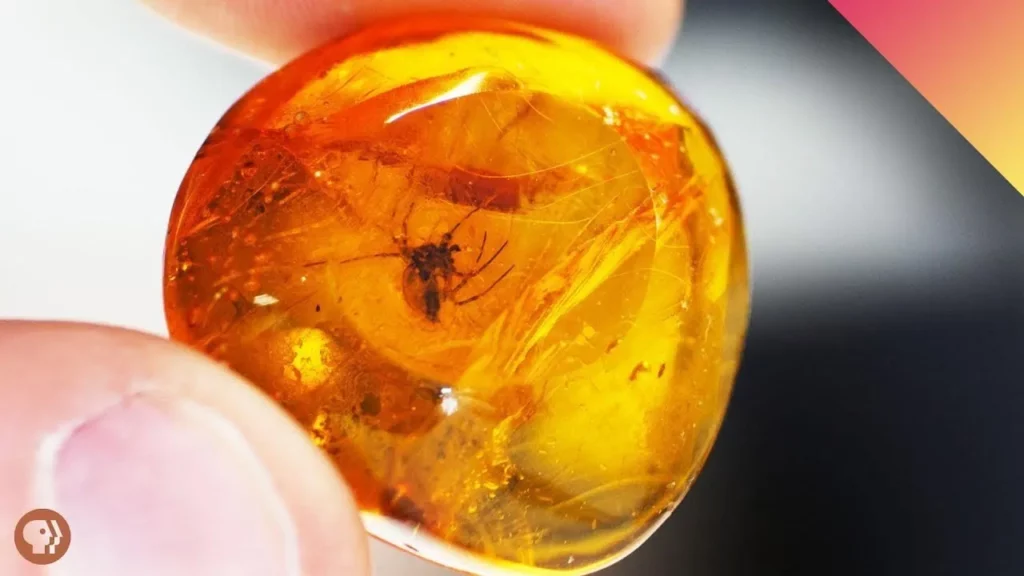
The lesson explores the fascinating properties and uses of spider silk, highlighting its strength, elasticity, and stickiness, which surpass many human-engineered materials. It delves into the science behind silk production, detailing the various types of silk produced by spiders and their unique applications, as well as the historical context of silk-making in spiders. Additionally, the lesson discusses ongoing scientific efforts to replicate spider silk through genetic engineering, emphasizing the remarkable capabilities of nature compared to human technology.
Do Other Animals Mourn Their Dead? (ft. BrainCraft and Gross Science!)
The lesson explores the concept of mourning in animals, highlighting that species like crows, elephants, and dolphins exhibit behaviors indicative of grief when they lose a companion. Through observations of their actions—such as crows gathering for what resembles a funeral, elephants gently touching deceased members, and dolphins refusing to leave a dead calf—it’s evident that animals experience emotions and social bonds similar to humans. This understanding encourages a deeper appreciation of animal emotions and the connections they form within their communities.
Is Your Brain Too Old For Video Games?
The lesson explores the dynamics of gaming, particularly focusing on competitive gaming and the factors that contribute to a player’s success. It highlights the prevalence of gaming in households, the surprising performance of younger players in tournaments, and the cognitive skills involved in games like chess and Starcraft 2. Ultimately, it emphasizes that while age can influence gaming abilities, practice and effective time management are key to improving skills and achieving success in the gaming world.
How These Ants Took Over the U.S. ????????????????????
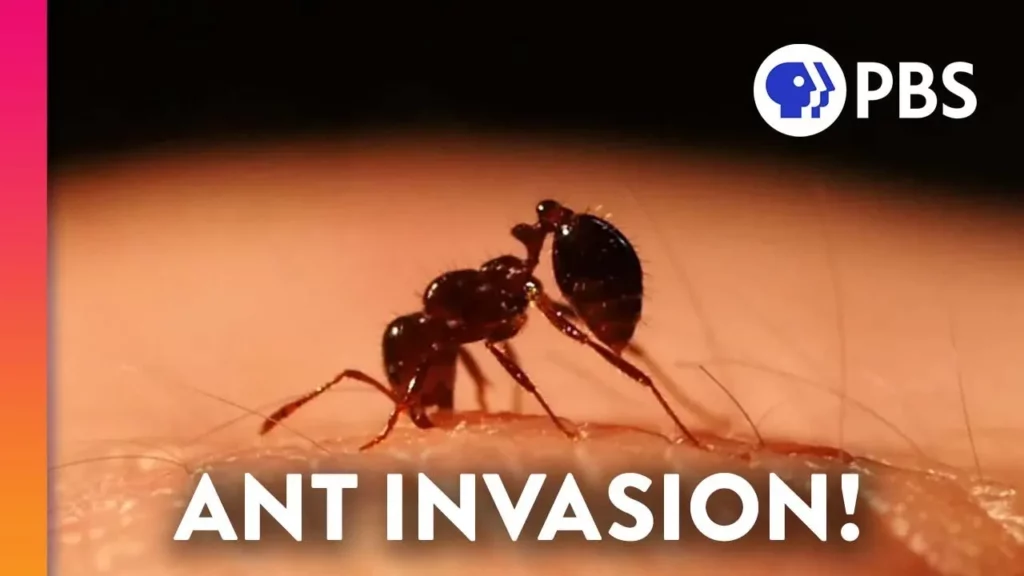
This lesson explores the intriguing world of fire ants, highlighting their sensory abilities, painful stings, and adaptability after being introduced to the U.S. from South America. It discusses their impact on the environment and economy, as well as various control methods, including the introduction of a natural predator, the ant-decapitating fly. Ultimately, fire ants serve as a valuable subject for scientific study, offering insights into evolution and social behavior.
Cuttlefish: Disco Camouflage Chameleons of the Sea
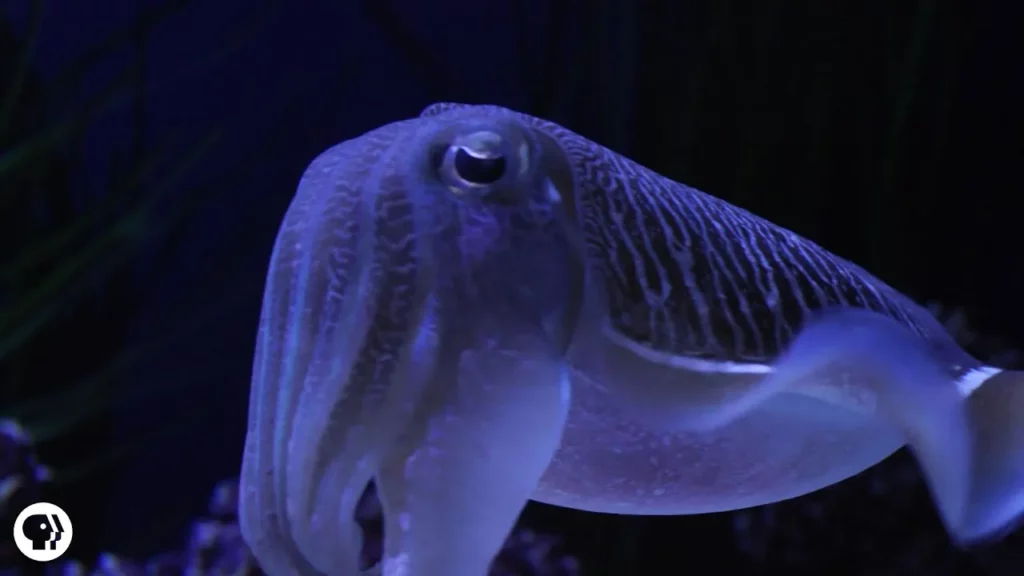
The lesson on cuttlefish highlights their unique characteristics and abilities, emphasizing their remarkable color-changing skills, which they use for communication and camouflage. It also explains the differences between cuttlefish and squid, particularly the presence of the cuttlebone, and discusses their swimming agility and reproductive habits. The lesson concludes with a light-hearted joke, encouraging curiosity about marine life.
Here’s What I Learned From Getting COVID
The lesson provides an overview of COVID-19 and the Omicron variant, highlighting its rapid spread and increased contagiousness compared to earlier variants. While Omicron generally causes milder illness, it remains a concern for unvaccinated individuals and those with health issues. Vaccination continues to play a crucial role in reducing severe outcomes, and staying informed and cautious is essential as the pandemic evolves.
Could We Clone Ourselves?
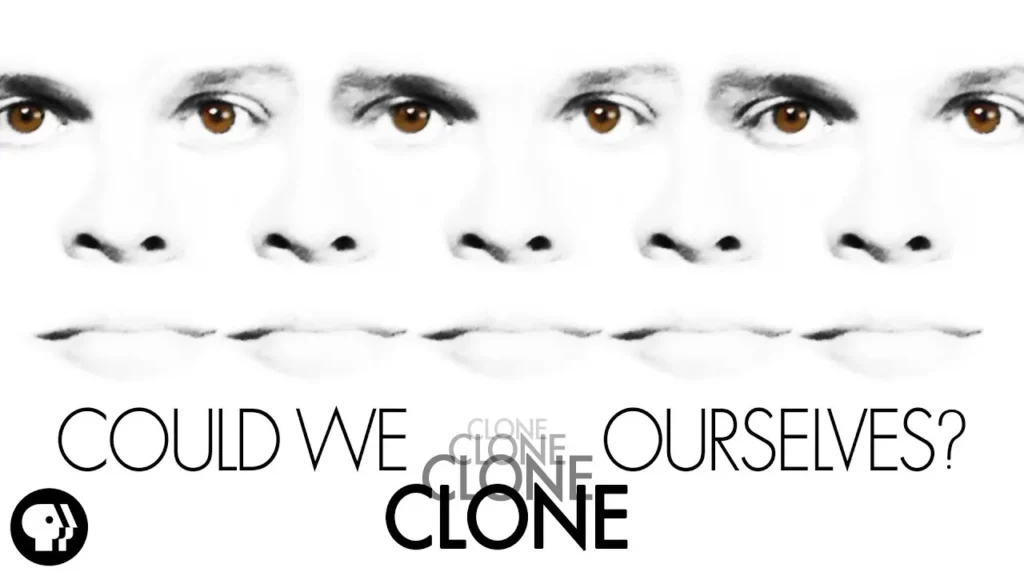
The lesson explores the concepts of cloning and genetic engineering, highlighting advancements in these fields and their implications for humanity. It discusses the existence of human clones through identical twins, the cloning of animals, and the potential for creating “designer babies” through genetic modification. The lesson also addresses the ethical and legal considerations surrounding these technologies, emphasizing the need for careful deliberation before applying them to humans.
The Amazing Science of… Dust?
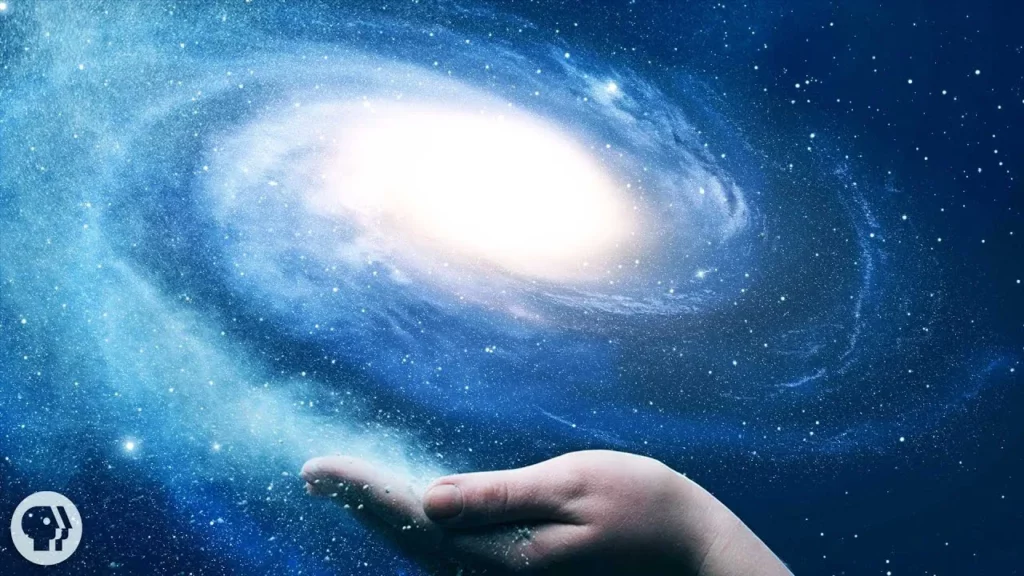
In this lesson, we explored the intriguing world of dust, uncovering its significance beyond mere annoyance. Dust is a fundamental part of our environment, originating from both Earth and space, and plays a crucial role in various natural processes, including weather patterns and the formation of our solar system. While it can pose health risks, dust also tells a fascinating story about the universe and our planet’s history, encouraging us to remain curious about the world around us.
Can You Crush a Human Using the Atmosphere?
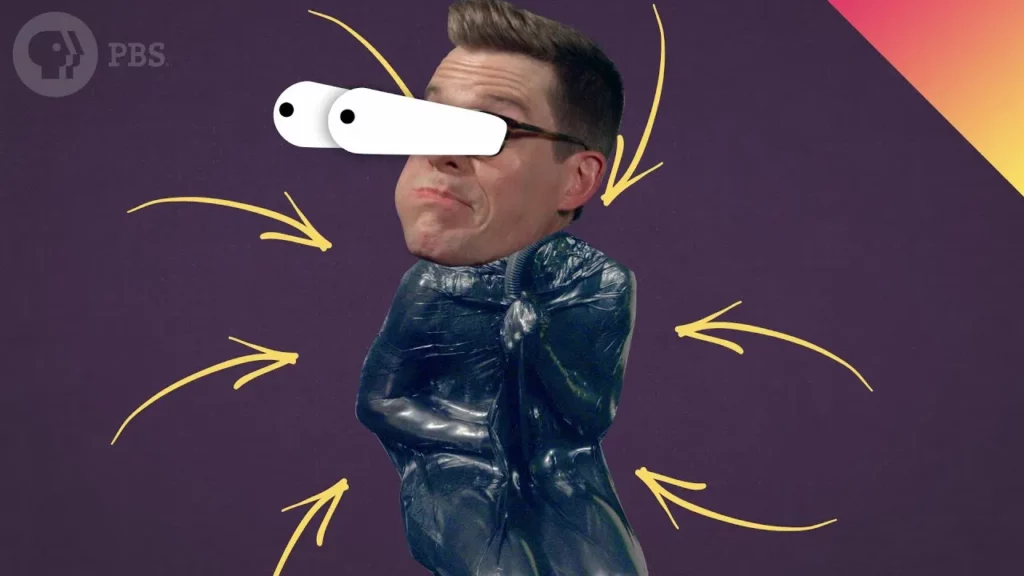
In this lesson, we explore the concept of “horror vacui,” which suggests that nature abhors a vacuum, a notion rooted in Aristotle’s belief that empty spaces cannot exist. The lesson highlights the evolution of this idea through the work of Galileo and Torricelli, who demonstrated that air has weight and exerts pressure, ultimately debunking the myth that vacuums suck. By understanding air pressure and its effects, we gain insight into the strength and resilience of our bodies in the face of atmospheric forces.