
There Might Be a Dinosaur On Your Dinner Table
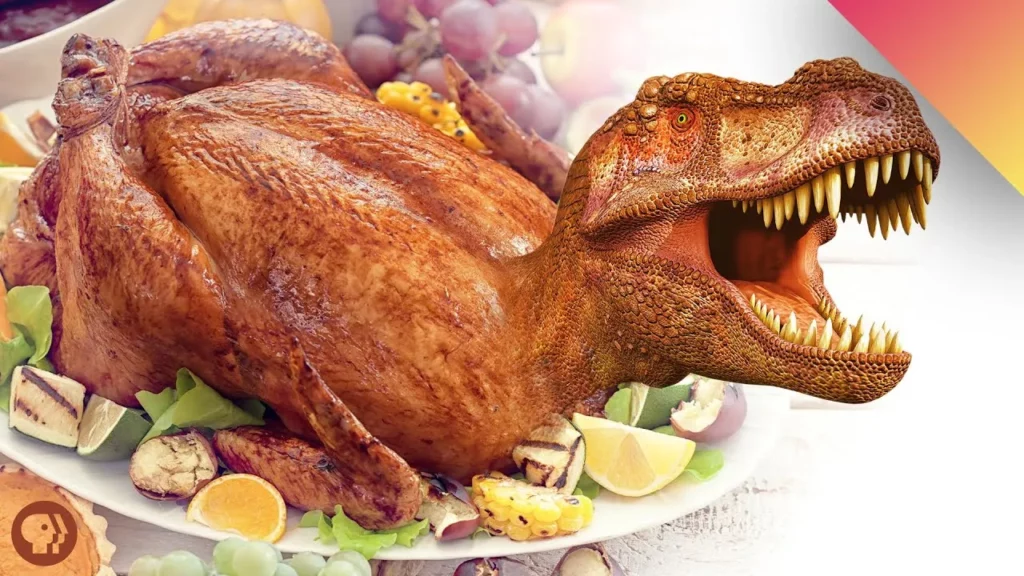
In the lesson “Discovering Dinosaurs at the Dinner Table,” students learn that birds are modern-day dinosaurs, specifically part of the Theropod group, which includes notable species like the T. rex. The lesson highlights shared anatomical features, such as hollow bones and the wishbone, that connect birds to their dinosaur ancestors, emphasizing the evolutionary journey from dinosaurs to contemporary avian species. Ultimately, it encourages curiosity about the fascinating relationship between our holiday meals and ancient history.
How The Toilet Changed History
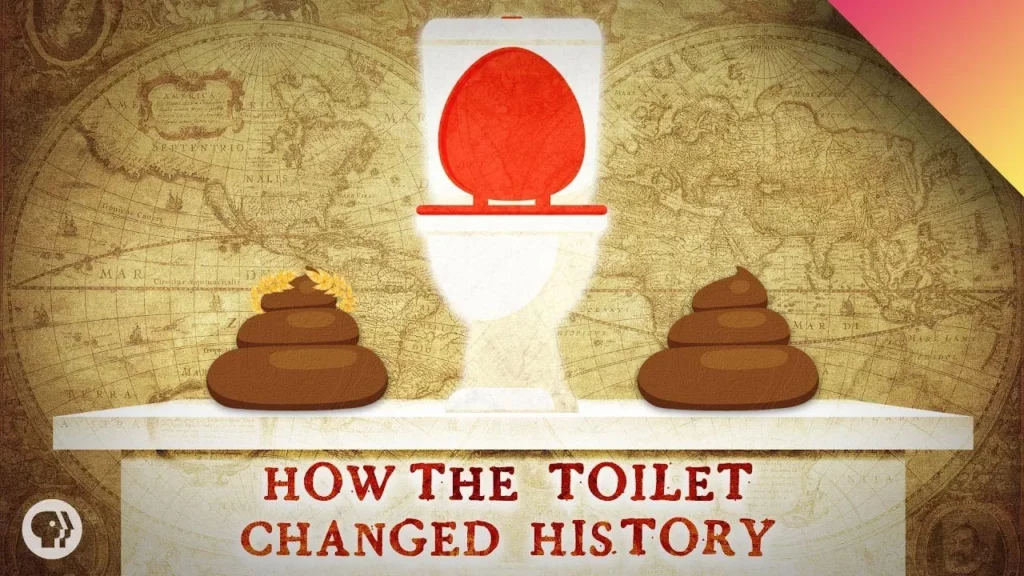
The lesson explores the evolution of sanitation from ancient times to modern innovations, highlighting the critical role of toilets in promoting public health. It discusses the historical challenges of waste management, the development of sanitation technologies, and the ongoing global sanitation crisis, where billions still lack access to proper facilities. Emphasizing the importance of sanitation for health and dignity, the lesson calls for continued efforts to improve access and awareness worldwide.
How much POOP???? is on your toothbrush?!

The lesson “How Clean Is Your Toothbrush?” explores the surprising presence of bacteria on toothbrushes, particularly in shared bathrooms, where studies show a significant percentage can test positive for fecal bacteria. While toothbrushes can harbor bacteria, regular use of toothpaste helps reduce this risk, and simple hygiene practices—such as rinsing, proper storage, and regular replacement—can keep your toothbrush clean and effective for oral health.
The Scale of the Universe
The lesson “Exploring the Universe: Finding Comfort in the Vastness” encourages individuals to embrace the overwhelming scale of the universe and their place within it. By recognizing the insignificance of our existence in the grand scheme, we can find freedom and wonder rather than fear, using tools like technology and art to expand our understanding. Ultimately, cultivating a sense of awe and perspective can help us connect more deeply with the world and appreciate the beauty of both our smallness and our consciousness.
Tuatara Time! – Face To Face With A Living Fossil! (ft. John Green)
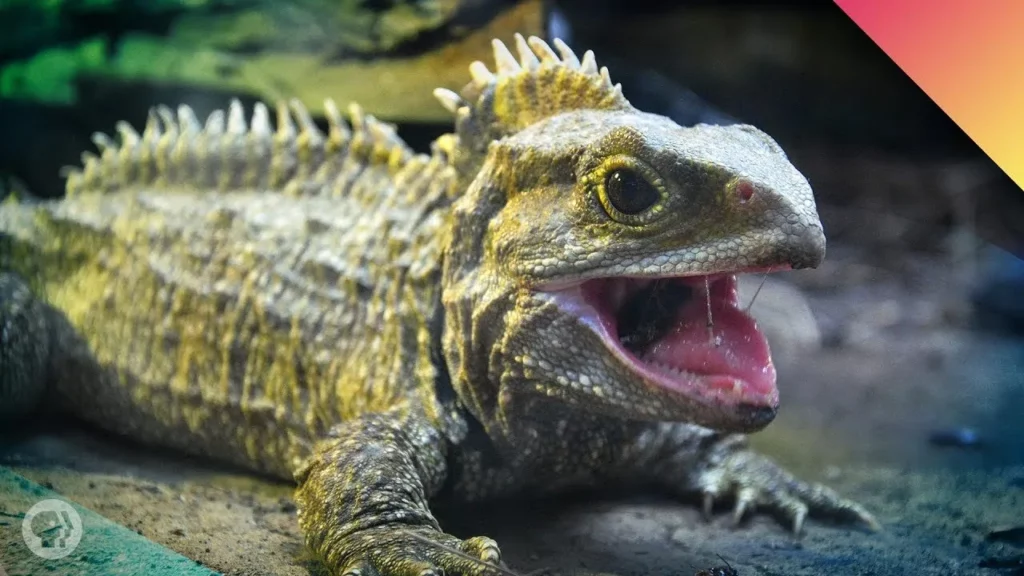
In this lesson, we explore the ancient tuatara, a unique reptile that has existed for approximately 200 million years, surviving largely unchanged due to its isolation in New Zealand. Despite their appearance as “living fossils,” tuatara are rapidly evolving at the genetic level and possess fascinating features, such as a parietal eye that helps regulate their biological clock and a temperature-dependent reproductive system that makes them vulnerable to climate change. Overall, tuatara serve as important symbols of adaptation and resilience in the face of environmental shifts.
The Strange Cosmic Origin of Earth’s Most Precious Metals
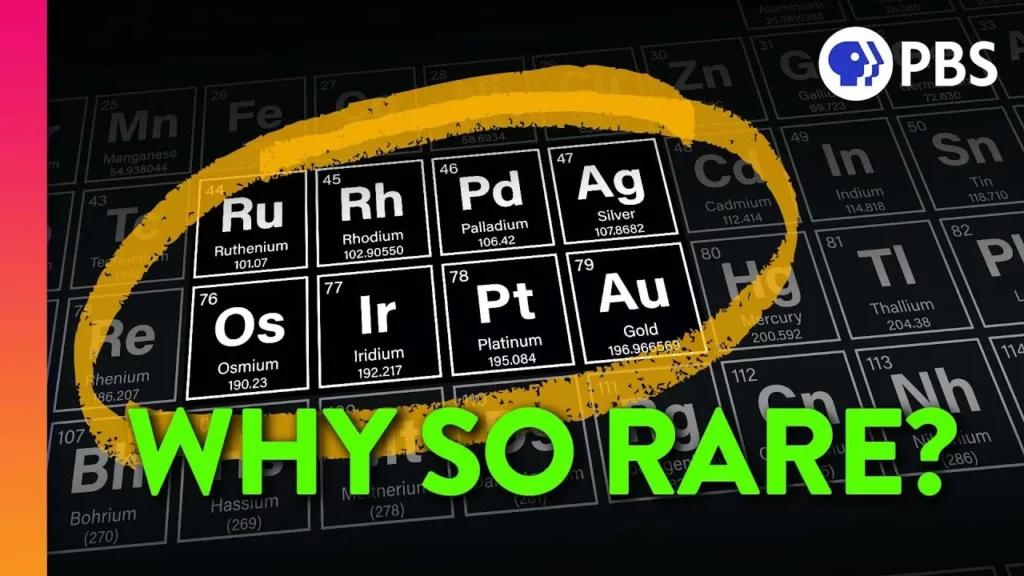
The lesson explores the alarming rise in catalytic converter thefts, driven by the high value of precious metals like rhodium, platinum, and palladium contained within these car parts. Catalytic converters, introduced in the 1970s to combat air pollution, play a crucial role in transforming harmful emissions into less harmful gases, but their scarcity and the lucrative market for these metals have made them prime targets for thieves. As car technology advances, the reliance on these expensive components may diminish, but the current crime wave highlights the intersection of environmental science and economics.
100,000,000 Years From Now
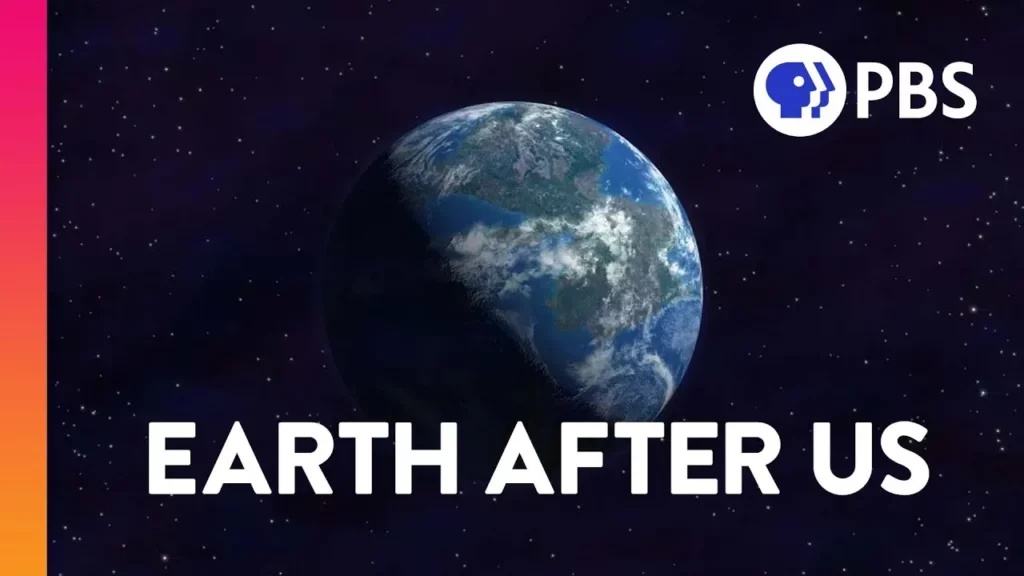
In the lesson “Exploring Earth: A Future Discovery,” a group of explorers uncovers a post-human Earth, rich in life yet marked by the significant impact of humanity. By studying the planet’s rocks and remnants, they piece together the Anthropocene epoch, characterized by rapid population growth, industrialization, and the creation of unique materials like plastics and technofossils. This exploration prompts reflection on humanity’s legacy and the lasting changes we have made to the planet, encouraging a sense of curiosity about our past and its implications for the future.
Is Space a Thing?
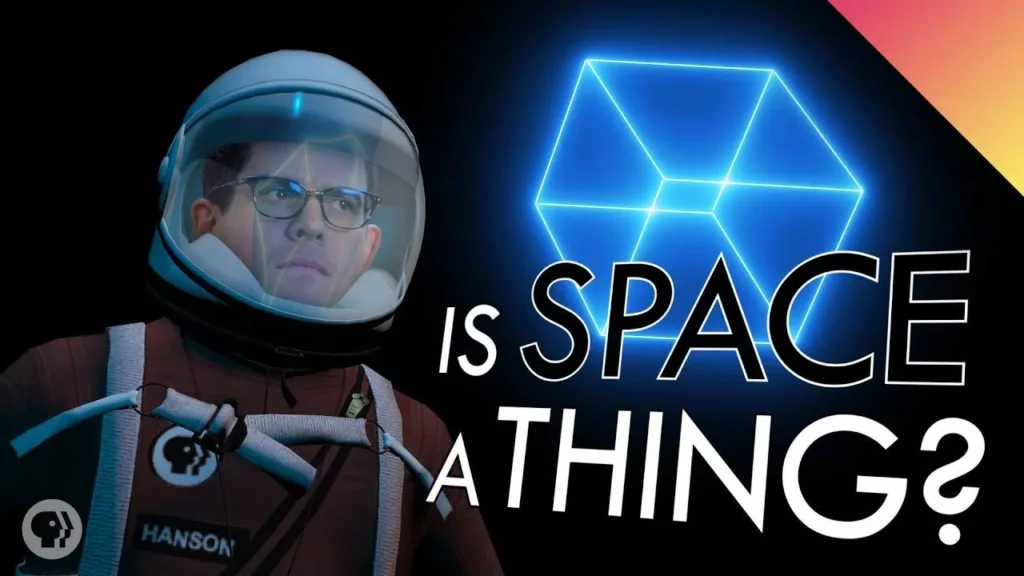
The lesson “Exploring the Nature of Space” delves into the evolving understanding of space, beginning with the ancient Greeks’ concept of aether and progressing through significant contributions from figures like Newton, Mach, Maxwell, and Einstein. It highlights the transition from viewing space as an absolute entity to understanding it as part of the interconnected framework of spacetime, which is shaped by the presence of matter and the observer’s perspective. Ultimately, the lesson emphasizes the complexity and dynamism of space, encouraging ongoing curiosity and exploration.
I Tried Eating Bugs… Here’s What I Learned
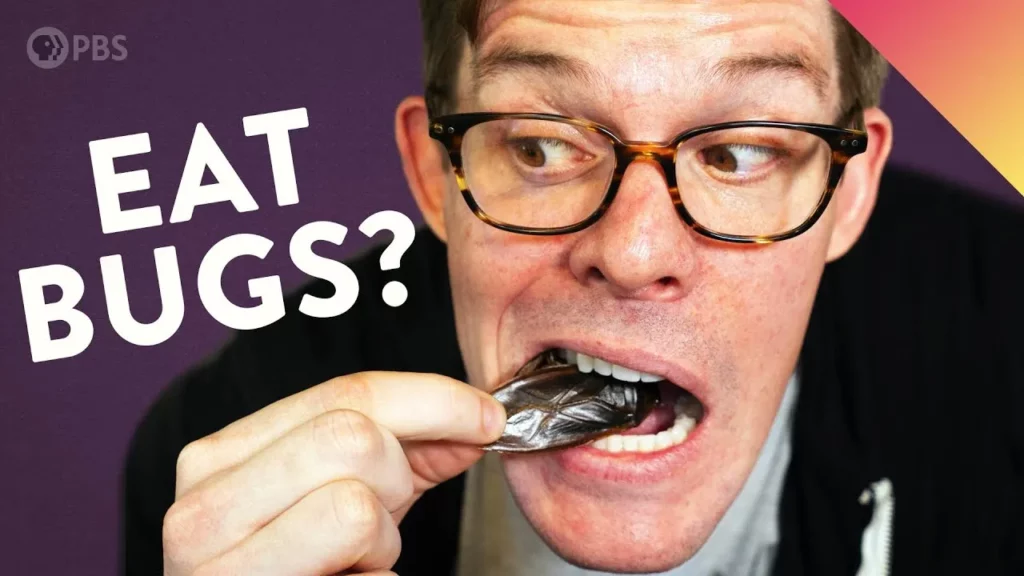
In this lesson, we explored the concept of edible insects as a sustainable and nutritious food source, highlighting their potential to become a regular part of our diets. Through a personal experience at a gourmet insect banquet, we learned about the cultural perceptions surrounding insect consumption and the health benefits they offer, such as high protein content and environmental advantages over traditional livestock. Ultimately, the lesson encourages openness to trying new foods and recognizing the value of insects in our culinary landscape.
These Butt-Tickling Ants Are Endangered Butterfly Bodyguards | IN OUR NATURE
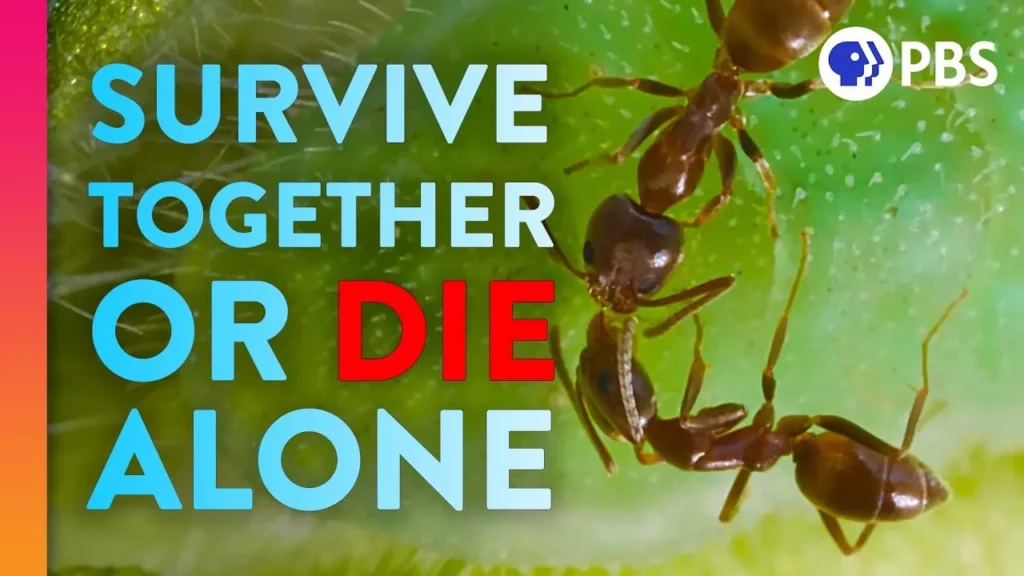
The lesson explores the vibrant yet challenging ecosystem of the Serengeti, highlighting the fierce animals that inhabit the region and the intricate relationships that exist between different species. It emphasizes the concept of mutualism, showcasing examples like the collaboration between insects and flowers, acacia trees and ants, and honeyguides with honey badgers, illustrating how these partnerships are vital for survival and maintaining balance in nature. Ultimately, the lesson underscores the importance of protecting these connections to ensure the health of the ecosystem and the survival of endangered species.