
You Are An Upside-Down Lobster
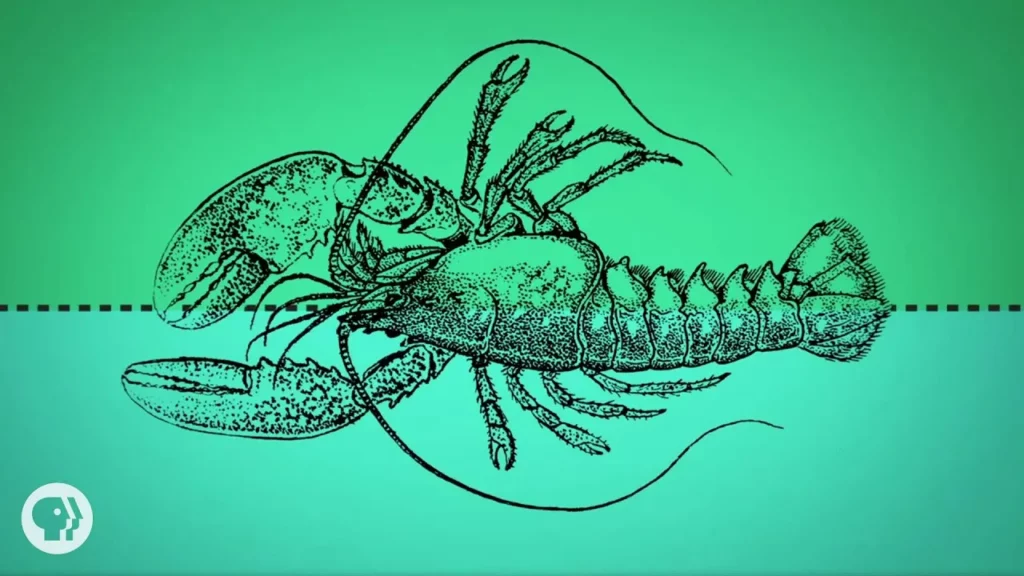
This lesson explores the evolutionary differences between lobsters and humans, highlighting that lobsters, as arthropods, have a body plan that is fundamentally different from ours, with their nerve cords located on the belly side and guts on the back. The lesson traces the evolutionary journey from primitive worms to modern organisms, revealing that our shared genetic instructions for developing nervous systems suggest a common ancestry, but lobsters retain the original body plan. Ultimately, it emphasizes the fascinating complexities of evolution and encourages curiosity about biological diversity.
The Deadly Chemistry That Made Life Interesting
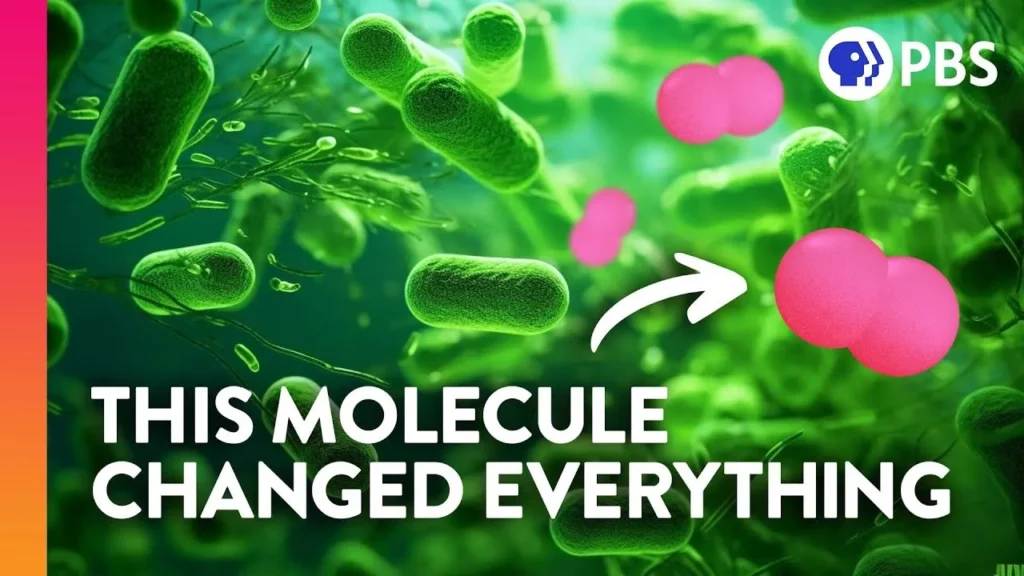
The lesson explores the evolution of life on Earth, tracing its journey from simple, microscopic cells over 3.7 billion years ago to the complex organisms we see today. Key milestones include the Great Oxygenation, which transformed the atmosphere and allowed for the development of more intricate life forms, and the emergence of eukaryotic cells with specialized organelles like mitochondria and chloroplasts. Ultimately, the lesson highlights the intricate interplay of biology, geology, and chemistry that shaped the diverse life we experience on our planet.
Do the Nobel Prizes Still Make Sense in the 21st Century?
The lesson explores the origins and significance of the Nobel Prizes, established by Alfred Nobel after a reflective moment prompted by his own obituary. Since their inception in 1901, the prizes have recognized outstanding contributions to humanity across various fields, though they face challenges such as a lack of diversity among laureates and questions about their relevance in modern collaborative science. The discussion encourages consideration of how the Nobel Prizes might evolve to better reflect contemporary achievements and societal changes.
How Big is the Solar System?
In this lesson, students embark on an imaginative journey through the solar system, using a grapefruit to represent the sun and various distances to illustrate the vastness of space. By exploring each planet’s unique characteristics and their distances from the sun, learners gain a better understanding of the scale of our solar system. The lesson also encourages creativity by inviting students to create their own solar system models and highlights human achievements in space exploration, such as the Voyager spacecraft’s journey beyond our solar system.
Why Don’t Birds Lay Square Eggs?
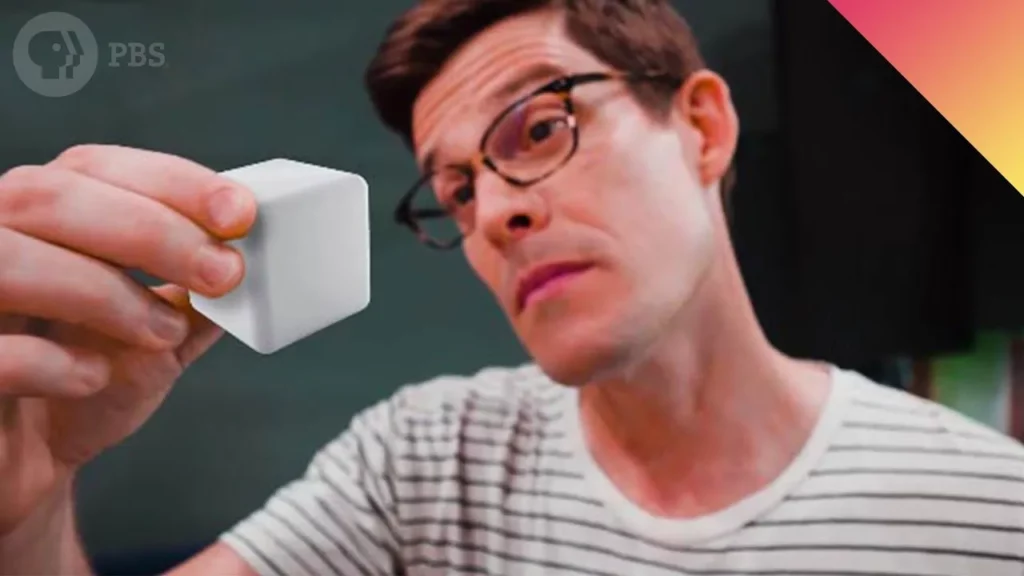
The lesson explores the fascinating variety of egg shapes found in nature, highlighting that while many people envision chicken eggs, bird eggs come in numerous forms, from round to pointy. It discusses the evolutionary significance of eggs, their structural strength due to their unique shapes, and the potential reasons behind the diversity in egg shapes among different bird species. Ultimately, the lesson encourages curiosity and exploration in understanding the complexities of nature.
My Date With A Giant Pacific Octopus!
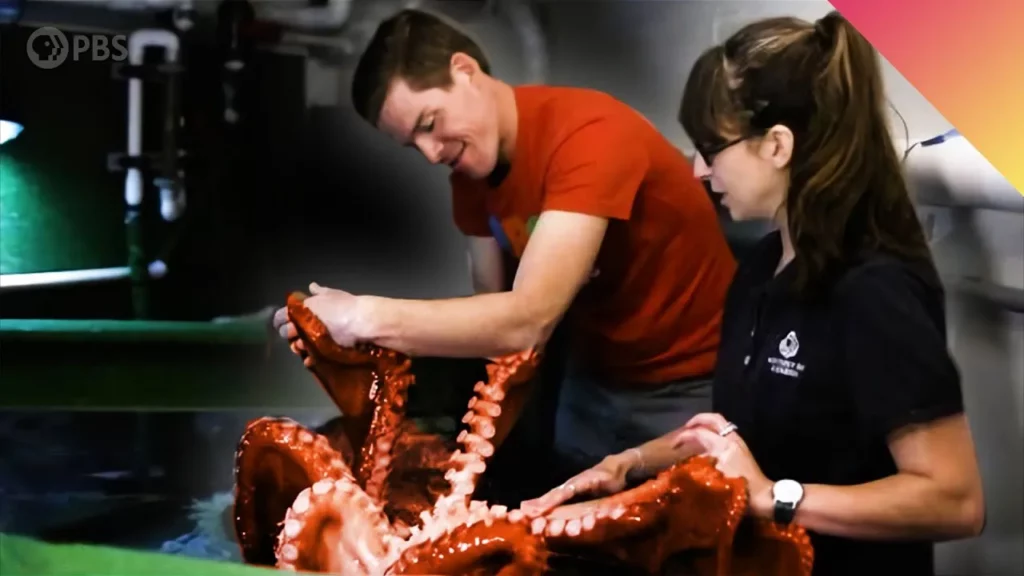
In this lesson, students embark on an exciting journey to learn about the Giant Pacific Octopus at the Monterey Bay Aquarium, guided by cephalopod expert Alicia. They discover the octopus’s impressive physical abilities, including its muscular arms and numerous suction cups, as well as its intelligence and remarkable camouflage skills. The lesson emphasizes the octopus’s curiosity and adaptability, encouraging students to appreciate the wonders of marine life.
How Artist Claude Monet Was Kind Of Like a Honeybee
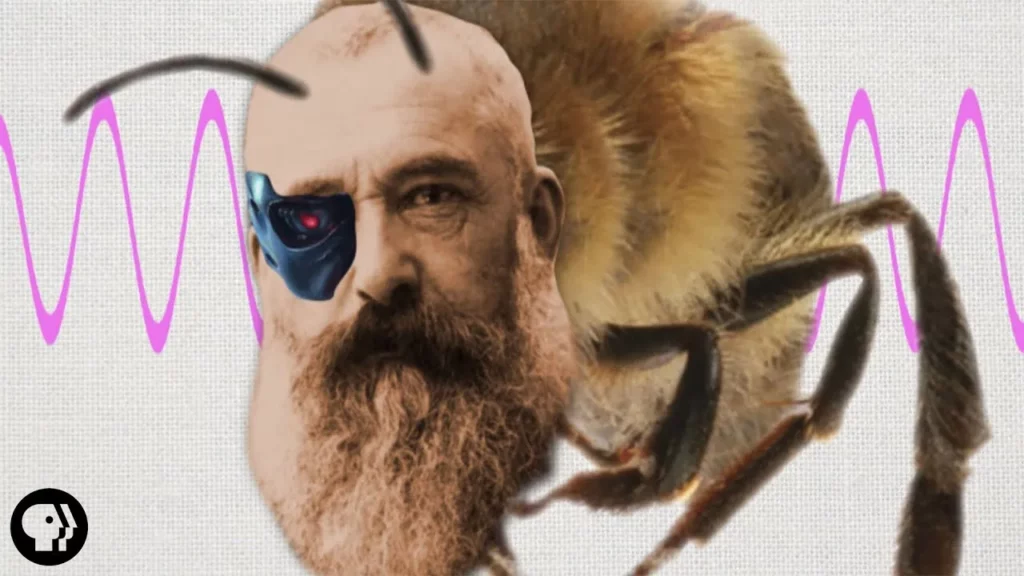
The lesson explores the unique vision of Claude Monet, highlighting how his later-life cataracts affected his perception of color and ultimately influenced his artwork. Despite the challenges posed by his impaired vision, Monet’s ability to express emotion and capture the essence of his surroundings remained remarkable, leading to a transformation in his artistic style. The lesson emphasizes the interplay between art and science, illustrating how Monet’s experience enhances our understanding of his contributions to the art world.
The Science of Game of Thrones
The lesson explores the intriguing connections between the fictional universe of *Game of Thrones* and real-world science, highlighting elements such as unpredictable seasons, the geography of Westeros, and the properties of Valyrian steel. It discusses how theories about the planet’s orbit and geological history can provide a scientific framework for understanding the fantasy world, while also considering the role of magic in explaining phenomena like dragons and the Wall. Ultimately, the lesson encourages students to appreciate how blending science with fantasy enriches storytelling and invites deeper engagement with the narrative.
Why Do More Species Live Near the Equator?
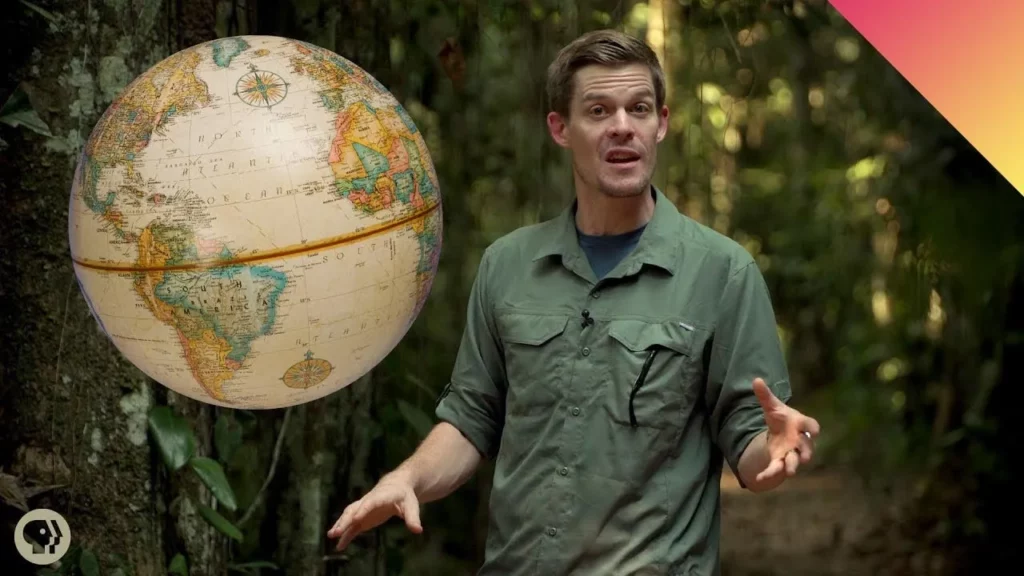
The lesson explores the remarkable biodiversity of tropical rainforests, highlighting how their vast size, stable climate, and long evolutionary history contribute to an incredible variety of species. It emphasizes the importance of specialization and rapid evolution in these ecosystems, which support a multitude of life forms. Additionally, the lesson underscores the necessity of protecting these vital habitats to preserve biodiversity and prevent extinction, encouraging ongoing curiosity and exploration of the natural world.
What Made the 1918 Flu Pandemic So Deadly?
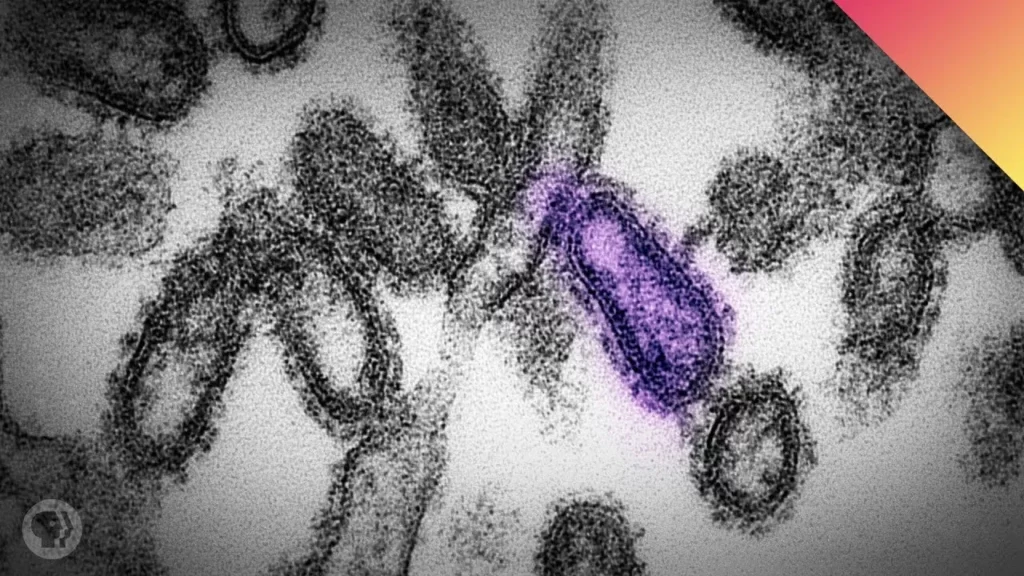
The 1918 flu pandemic, known as the Spanish flu, emerged during World War I and became one of the deadliest pandemics in history, infecting about one-third of the world’s population and resulting in an estimated 50 to 100 million deaths. The virus’s unique genetic makeup allowed it to spread rapidly and cause severe respiratory complications, highlighting the ongoing threat of influenza. Experts emphasize the importance of global cooperation and scientific research in preparing for future pandemics, as the potential for a highly transmissible and deadly flu strain remains a significant concern.