
Could Bigfoot REALLY Exist?
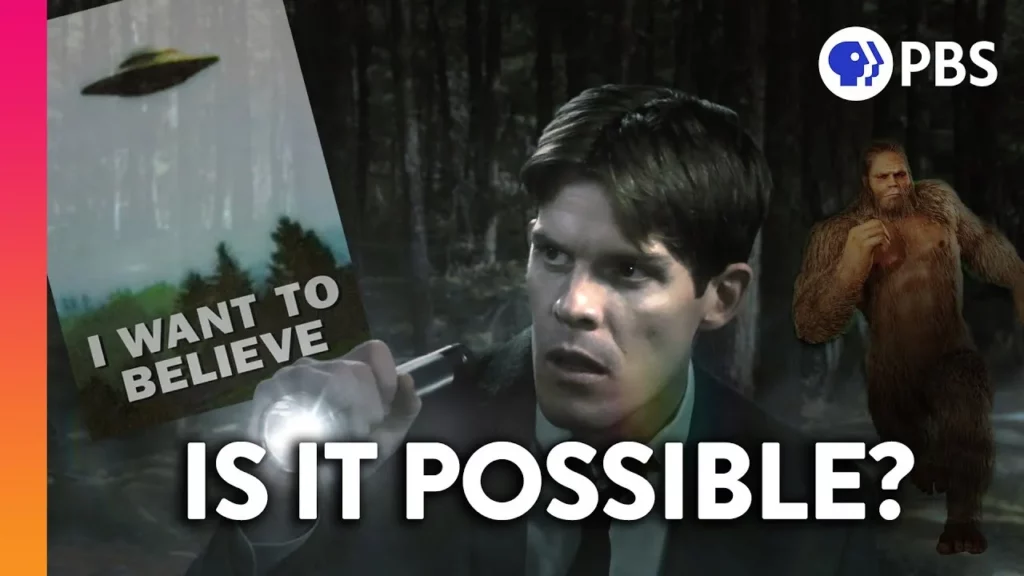
The lesson explores the legend of Bigfoot, a mysterious, ape-like creature often reported in the Pacific Northwest, and examines the reasons behind the belief in such cryptids. It discusses the origins of the Bigfoot myth, the impact of hoaxes, and the importance of scientific evidence, emphasizing that while the existence of Bigfoot cannot be definitively disproven, the lack of credible evidence suggests it remains a legend rather than a scientifically validated creature. The lesson encourages curiosity and critical thinking about such claims.
The Weird Science of the Raisin Bran Effect

The lesson explains why cereal tends to become crumbly at the bottom of the box, a phenomenon known as the “Brazil Nut Effect,” where larger, heavier pieces rise to the top when the box is shaken. This occurs due to two main processes: granular convection, which creates swirling currents that move larger particles upward, and percolation, where smaller particles fill gaps left by bouncing neighbors. The lesson highlights the scientific principles behind this effect and encourages experimentation with similar phenomena at home.
The Surprising Origins of Thanksgiving Foods
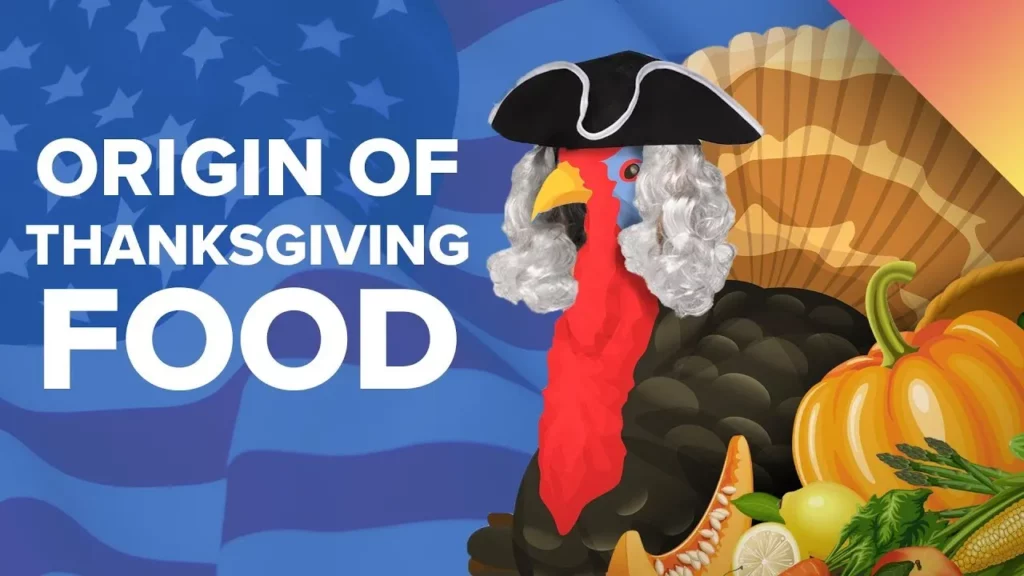
The lesson explores the origins and evolution of traditional Thanksgiving foods, highlighting how Native Americans cultivated and domesticated key ingredients like turkey and corn thousands of years ago. It emphasizes the significant changes these foods have undergone through selective breeding and human intervention, resulting in the modern varieties we enjoy today. The lesson encourages appreciation for the historical contributions that have shaped our Thanksgiving meals.
How Your Body Knows Left From Right
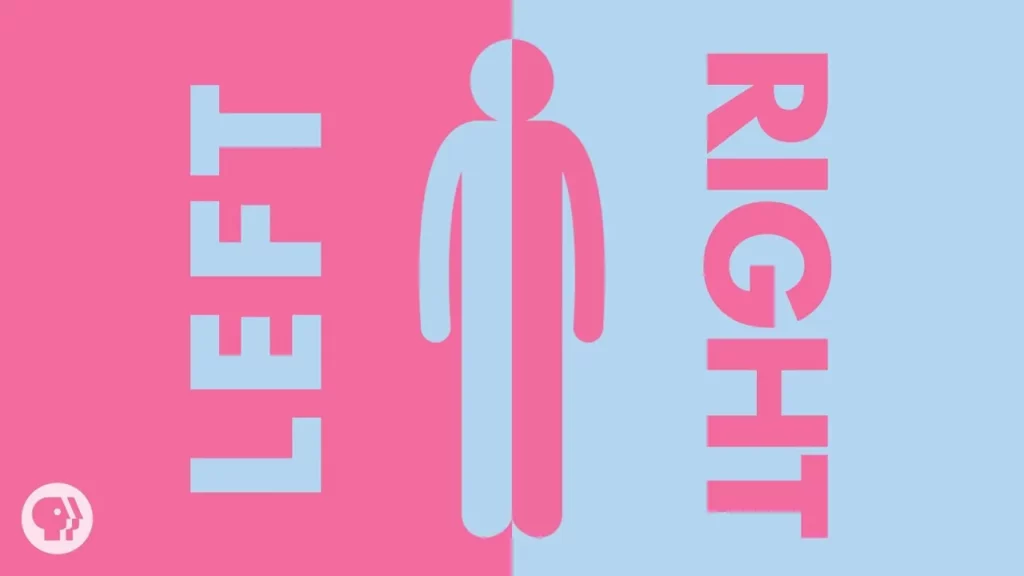
The lesson explores the intriguing concepts of symmetry and asymmetry in human bodies, highlighting how our external appearance often reflects symmetry, while internal organ placement reveals significant asymmetry. It discusses the phenomenon of situs inversus, where some individuals have their organs mirrored, and examines the evolutionary reasons behind our symmetrical features. Overall, the lesson emphasizes the complexity and mystery of our bodily structures, inviting further exploration into human anatomy.
How Do Glaciers Move?
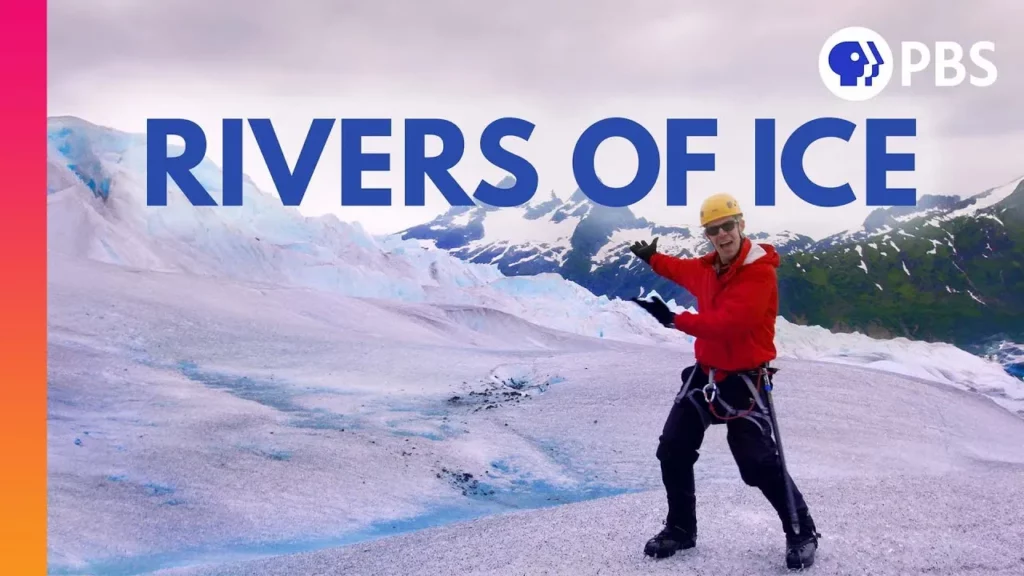
This lesson explores the fascinating world of glaciers, highlighting their unique ability to flow like liquids despite being solid ice. It explains the formation of glaciers from accumulated snow, the transformation of snow into dense glacial ice, and the mechanics behind their movement, including the concepts of plastic and brittle flow. Additionally, the lesson addresses the impact of climate change on glaciers, emphasizing their ongoing retreat due to rising temperatures and reduced snowfall.
How Science Defines A Year

In the lesson “Time Flies: A Journey Through a Year,” the speaker reflects on a year filled with significant experiences, such as earning a PhD and meeting notable figures in science. The lesson explores the concept of time as a flowing river, how we measure a year through various means, the movement of celestial bodies, and the relationship between seasons and our calendar. Ultimately, it emphasizes the continuous forward motion of time and encourages curiosity about the future.
The Recipe For Life…

In this lesson, we explore the essential ingredients that make up life, likening it to a cooking show where water, carbon, nitrogen, and other elements serve as the main components of our biological “recipe.” We learn that while life is complex and composed of various molecules and atoms, carbon stands out for its unique ability to form diverse structures, making life on Earth “carbon-based.” Additionally, the lesson highlights the importance of trace elements and water in maintaining health and function, emphasizing that while the elements in our bodies have a monetary value, the true value of life is immeasurable.
Climate Change explained in less than 1 minute!
The lesson on climate change explains that climate refers to the long-term weather patterns of a region, and climate change occurs when these patterns shift due to increased greenhouse gases from human activities, such as burning fossil fuels. This rise in greenhouse gases has led to a significant increase in Earth’s average temperature, resulting in severe impacts like rising sea levels and extreme weather events. Understanding climate change is crucial for making informed decisions to protect the planet for future generations.
How Thomas Jefferson Saved America With a Dead Moose
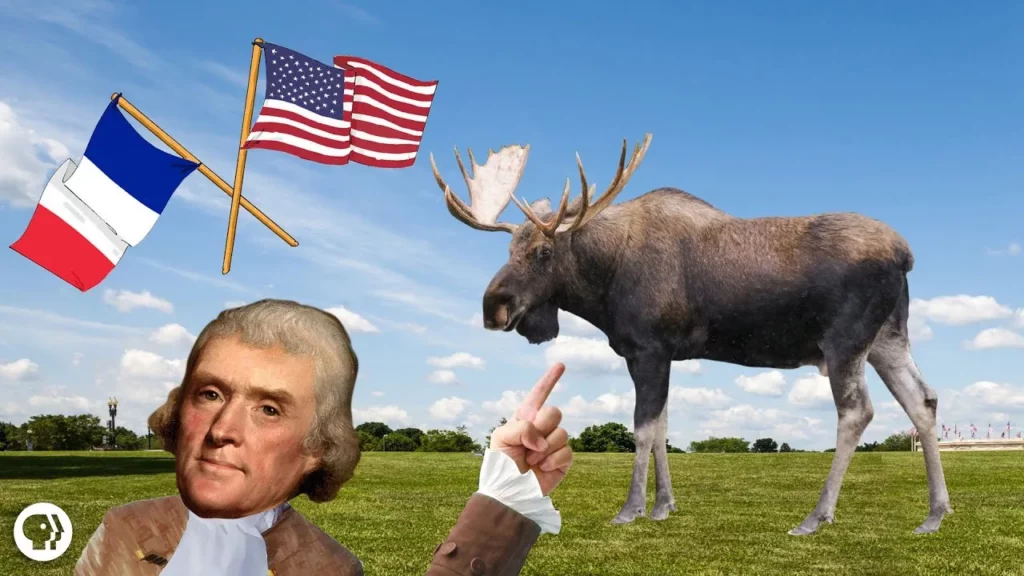
The lesson explores the scientific rivalry between Thomas Jefferson and the French naturalist Georges-Louis Leclerc, Count de Buffon, focusing on Buffon’s theory of American degeneracy, which claimed that American animals were inferior to their European counterparts. Jefferson countered this notion by highlighting the diversity and uniqueness of American wildlife, even attempting to send a moose to Buffon as evidence. Although the moose mission did not directly change Buffon’s views, it played a significant role in shaping American identity and pride in its natural history.
Extreme Deep Sea Creatures Are Eating The Titanic!
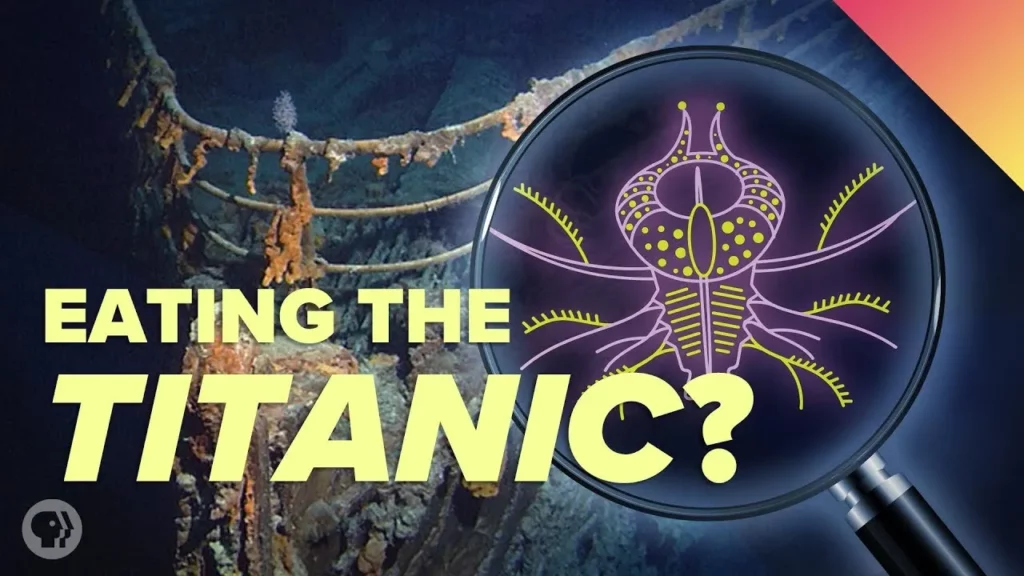
The lesson explores the Titanic’s underwater world, highlighting the extreme conditions of its wreck site nearly 4 kilometers deep in the ocean, where unique extremophiles thrive despite the harsh environment. It discusses the resilience of life forms, such as Archaea and various microbes, that have adapted to survive in extreme heat, pressure, and radiation, reshaping our understanding of life’s potential on Earth and the possibility of life existing elsewhere in the universe. Ultimately, the lesson emphasizes the importance of curiosity in exploring life’s adaptability and the search for extraterrestrial life.