
Why Are Some Animals Venomous?
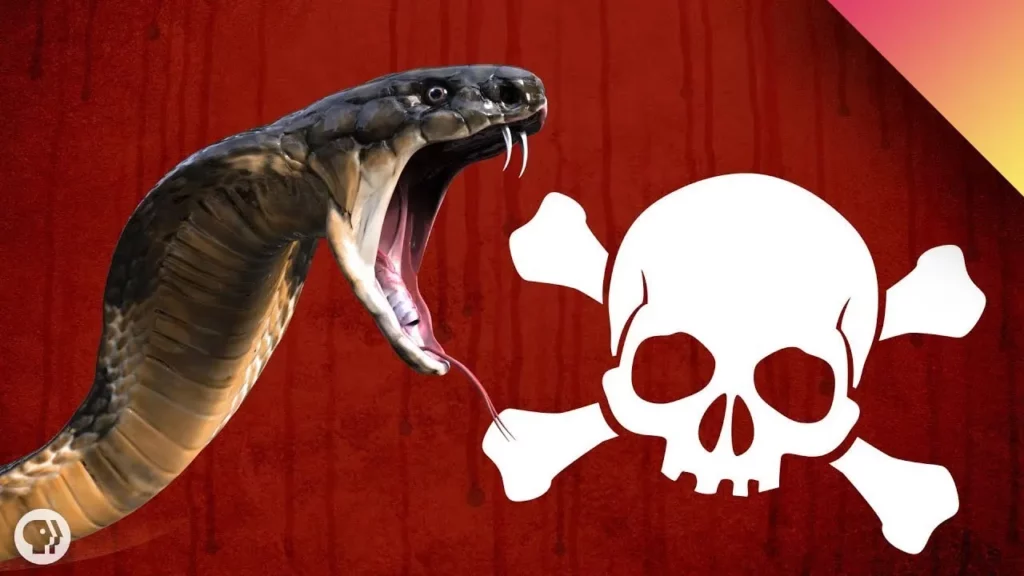
This lesson explores the fascinating distinctions between venomous and poisonous animals, highlighting how venomous creatures deliver toxins directly through bites or stings, while poisonous animals release toxins when ingested or touched. It delves into the roles of venom in nature, the measurement of venom potency through LD50, and the evolutionary history of venomous snakes, as well as the development of antivenoms and the intriguing human ability to detect snakes. Overall, it emphasizes the complexity and significance of venomous animals in the ecosystem and their impact on human evolution.
CHAOS: Why It’s So Hard To Predict the Weather
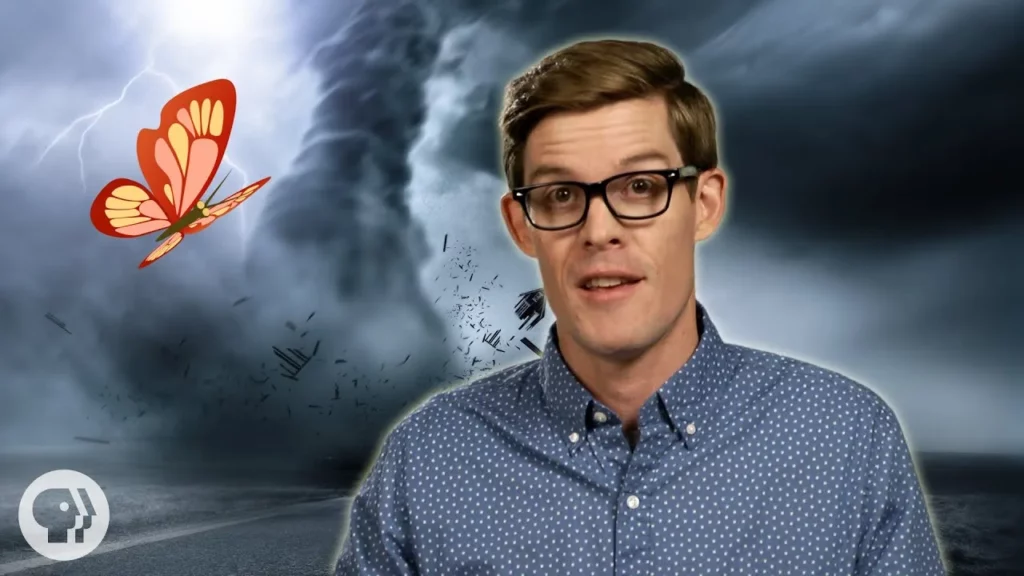
The lesson on El Niño explains this significant weather phenomenon, which involves the warming of the Eastern Pacific Ocean and its global impacts on weather patterns. Originating from observations by Peruvian fishermen, El Niño can lead to extreme weather events, such as heavy rains and droughts, and occurs unpredictably every 2 to 7 years. Despite advancements in meteorology, predicting El Niño remains challenging due to the complex interactions within the atmosphere, highlighting the importance of understanding its potential effects for better preparedness.
CRISPR and the Future of Human Evolution
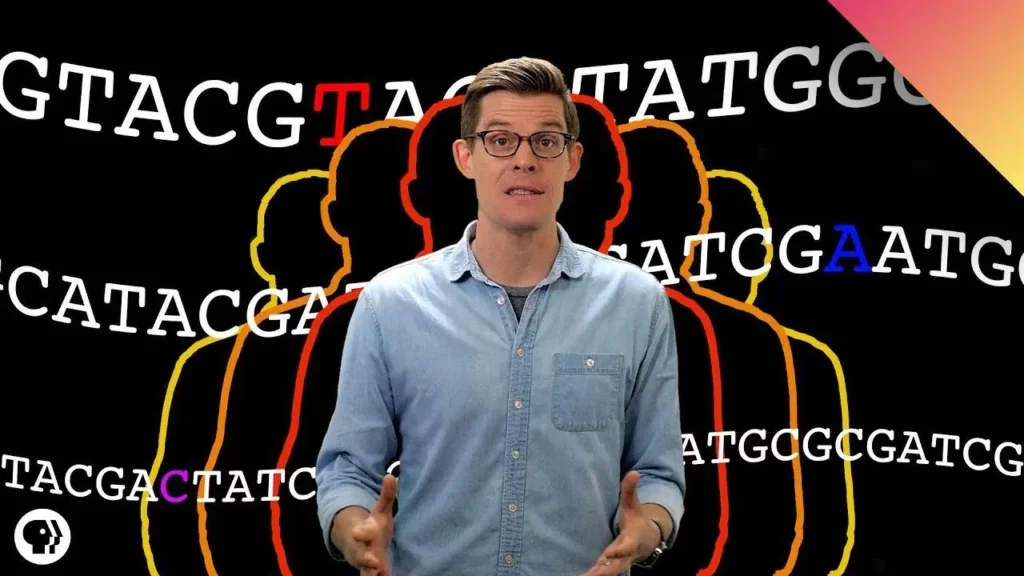
The lesson explores the revolutionary potential of genetic editing, particularly through the CRISPR technology, which allows humans to precisely modify their genetic traits for the first time in history. It discusses the implications of this capability on human evolution, highlighting the shift from natural selection to human-directed genetic changes, while also raising important ethical questions about the future of genetic modification, such as the potential for “designer babies” and the societal impacts of unequal access to these technologies. Ultimately, it emphasizes the need for careful consideration as humanity stands at a pivotal moment in its evolutionary journey.
When Will We Stop Using Oil?
The lesson “The Ever-Changing World of Energy” explores the historical evolution of energy sources, highlighting the transition from wood to coal to oil, and now towards renewable energy. It emphasizes the ongoing challenges of fossil fuel reliance and the environmental impacts associated with energy consumption, while noting that despite advancements in technology and efficiency, global energy trends indicate a continued dependence on fossil fuels. The lesson concludes by stressing the urgency of developing new energy sources to address climate change and the need for proactive measures in energy consumption.
Why People Don’t Believe In Climate Science
The lesson “Understanding Climate Change: Beyond the Facts” examines the psychological barriers that contribute to climate change skepticism, emphasizing that facts alone are often insufficient to motivate action. It highlights how our brains, evolved for immediate threats, struggle to respond to the slow and abstract nature of climate change, leading to emotional biases and selective perception. Additionally, social dynamics and media influence play significant roles in shaping beliefs about climate change, suggesting that fostering open discussions and exploring diverse perspectives may be key to encouraging engagement and action on this critical issue.
Why Do You Love Your Family?
The lesson explores the connection between evolution and altruism, emphasizing how our strong bonds with family, such as the instinctive love for a child, are rooted in evolutionary principles. It explains that altruistic behaviors can enhance the survival of shared genes through kin selection, where individuals are more likely to help those they are closely related to, thereby ensuring the continuation of their genetic legacy. Ultimately, the lesson highlights that love and kindness, shaped by evolutionary forces, play a vital role in our survival and familial connections.
Which Came First – Flowers or Bees?
The lesson explores the intricate relationship between bees and flowers, highlighting their mutual dependence and evolutionary history. It discusses how flowers emerged around 140 million years ago, revolutionizing plant reproduction by attracting pollinators like bees, which evolved from wasps. The lesson emphasizes the critical role bees play in pollinating a significant portion of our food crops and encourages appreciation for their contributions to the ecosystem.
Are Humans Running Out Of Food??
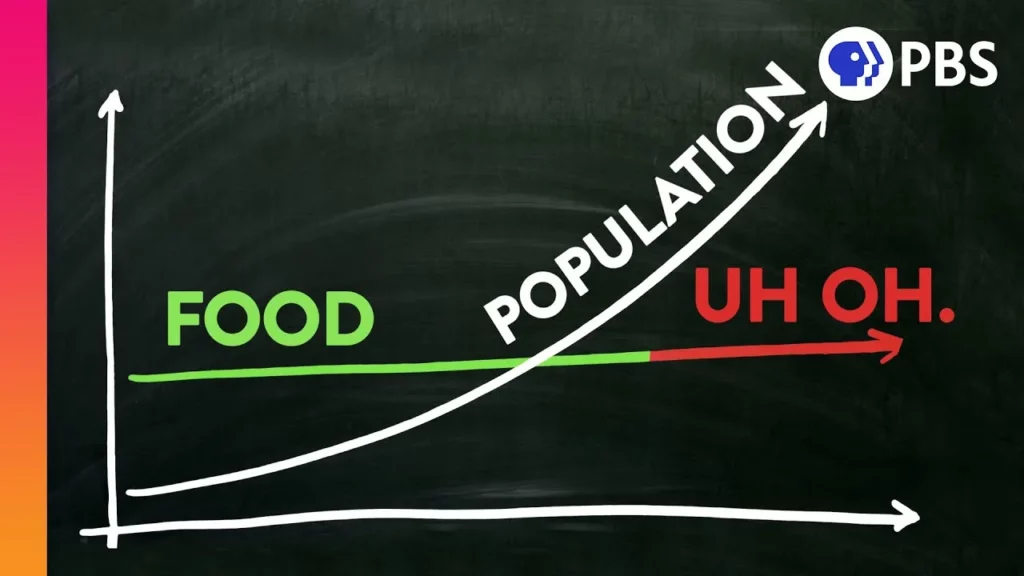
The lesson on “Understanding Exponential Growth and Its Challenges” explores the historical context of exponential population growth and its implications for food production, highlighting Thomas Malthus’s concerns about food scarcity. It discusses how scientific advancements, particularly during the Green Revolution, have helped avert crises like famine, while also addressing the new challenges posed by climate change and the need for innovative agricultural solutions. The lesson emphasizes the importance of combining traditional farming practices with modern science to ensure food security in the face of environmental changes.
Why Are You Multicellular?
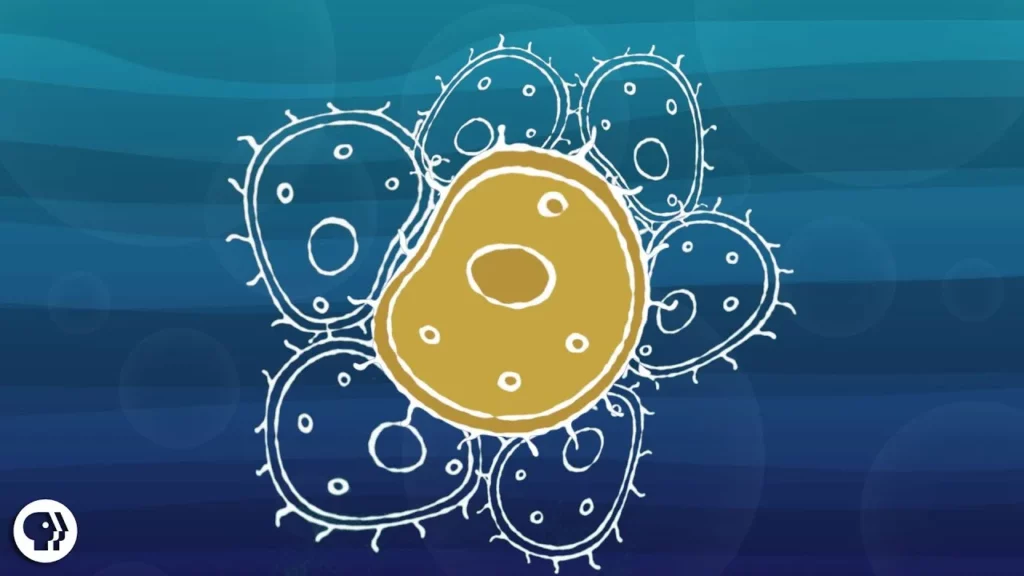
The lesson explores the evolution of life from single-celled organisms to complex multicellular forms, highlighting the advantages of cooperation among cells, such as increased size, protection, and specialization. It discusses how multicellular life evolved through various mechanisms, allowing for greater creativity and adaptability in organisms. Additionally, the lesson touches on the significance of reproduction through single cells to maintain genetic integrity and prevent competition among cells within an organism.
Why Did We Blow On Nintendo Games?
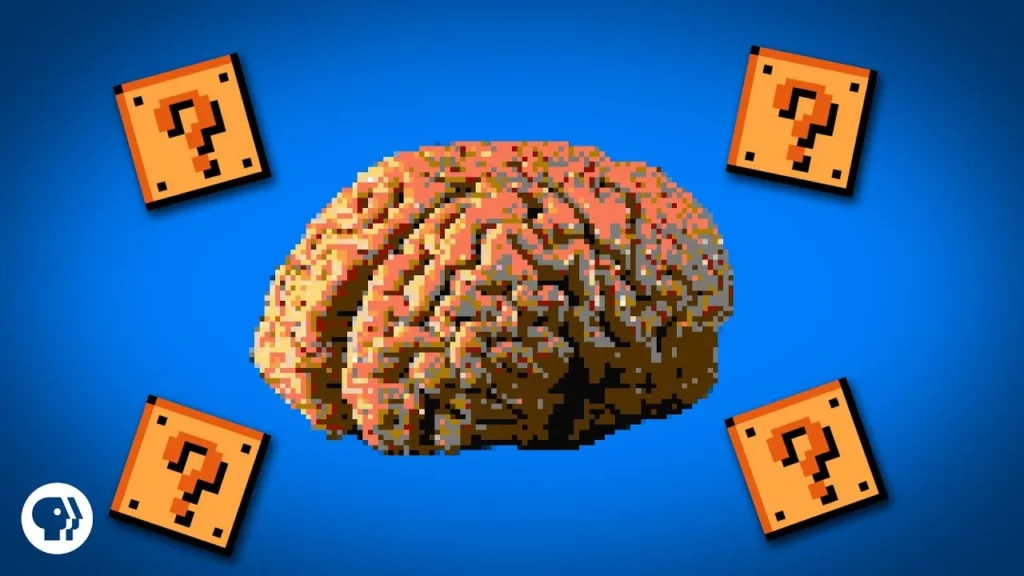
This lesson explores how our brains are wired to recognize patterns, a skill that has been crucial for survival throughout history. While this ability helps us make sense of the world, it can also lead to misconceptions, such as confirmation bias and the post hoc fallacy, where we mistakenly perceive connections or causes that aren’t there. Emphasizing the importance of scientific inquiry and curiosity, the lesson encourages us to question our beliefs and avoid falling into the traps of our own pattern-seeking minds.