
Sunburn, Sweat and the Science of Summer!
In this lesson, we explored fascinating summer science topics, including the functions of sweat, the reason behind pruney fingers, and the effects of sunburns. We learned that sweating helps cool the body through evaporation, pruney fingers enhance grip in wet conditions, and sunburns result from UV radiation damaging skin cells. Additionally, we discussed the significance of SPF in sunscreen, emphasizing its role in protecting against sunburn-causing UVB rays.
Spit: Everything You Never Wanted To Know
The lesson “The Amazing Journey of Saliva” explores the crucial role saliva plays in the digestive process, highlighting its importance in chewing, swallowing, and protecting teeth from decay. It explains the two types of saliva—unstimulated and stimulated—and discusses how saliva aids in breaking down food through enzymes like amylase. Additionally, the lesson touches on cultural perceptions of saliva and encourages appreciation for this often-overlooked bodily fluid.
Can this apple defy gravity? ????
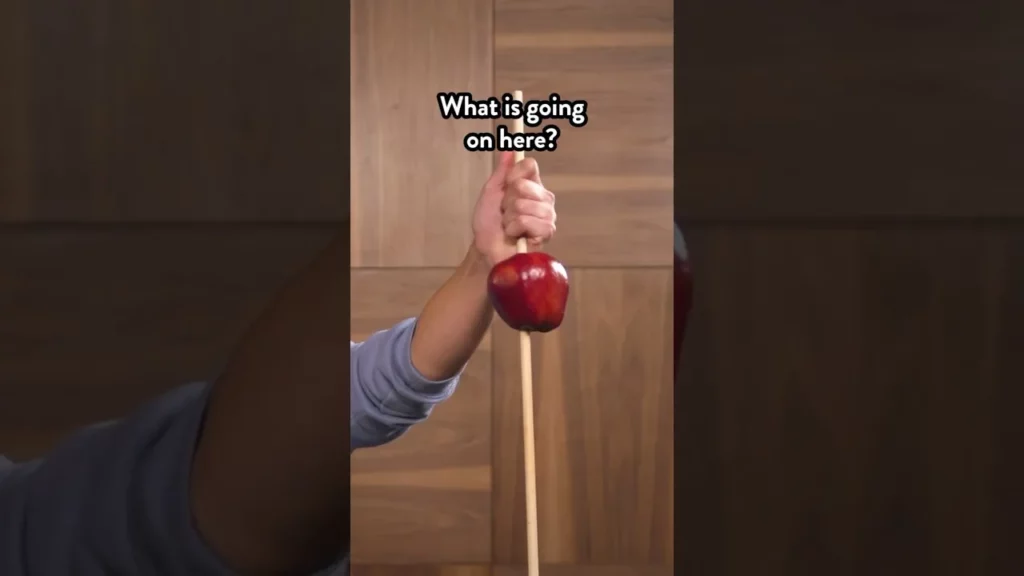
In this lesson, students explore Newton’s First Law of Motion through a fun experiment involving an apple on a stick. The experiment demonstrates that objects at rest tend to stay at rest, and objects in motion tend to stay in motion unless acted upon by an external force, highlighting the concept of inertia. By engaging with this hands-on activity, learners gain a deeper understanding of how forces influence motion in the world around them.
What Has New Horizons Taught Us About Pluto?
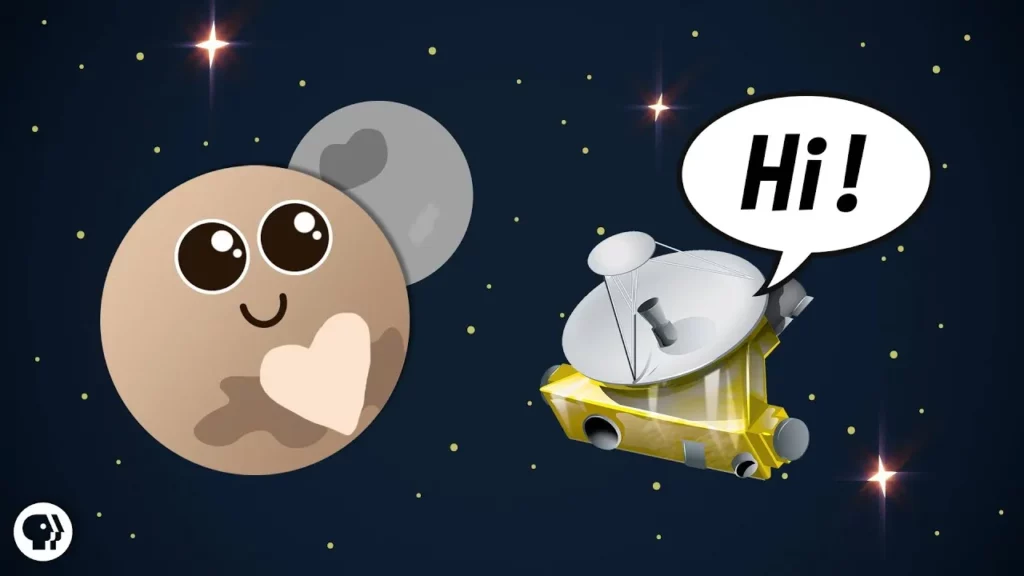
The lesson “Exploring Pluto: A Journey with New Horizons” highlights the groundbreaking mission of the New Horizons spacecraft, which traveled nearly ten years to reach Pluto and provided unprecedented insights into this distant dwarf planet. Key discoveries include Pluto’s geologically active surface, characterized by features like the heart-shaped Tombaugh Regio and its large moon Charon, which has intriguing geological formations. The lesson emphasizes the importance of continued exploration in our solar system and encourages curiosity about other celestial bodies.
The SCIENCE of BEER!!!
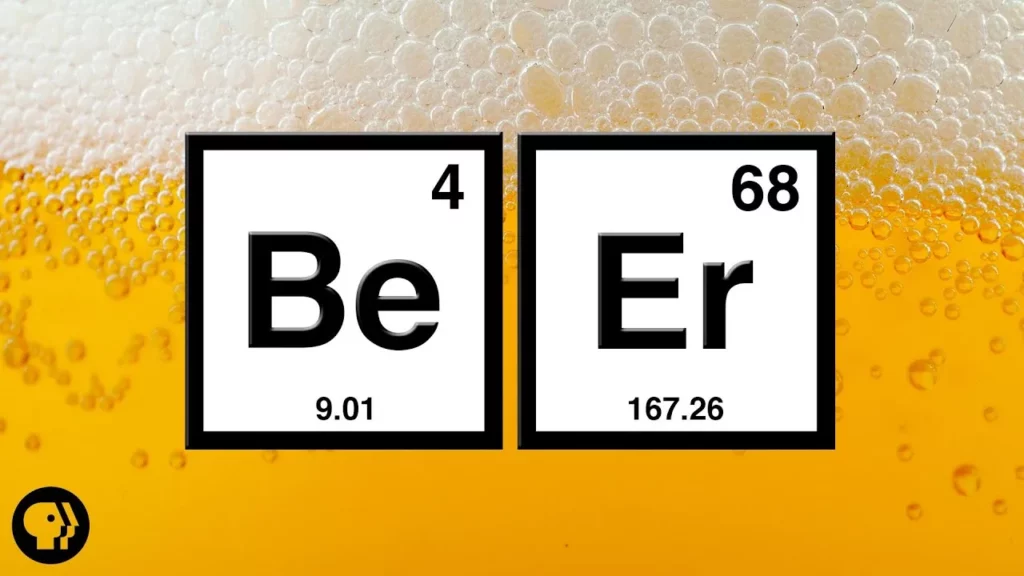
The lesson explores the intricate relationship between the science and art of brewing, emphasizing the fermentation processes that transform cereal grains into beer. It highlights the unique approach of Jester King Brewery, which utilizes a diverse range of microorganisms from its environment to create distinct flavors and aromas, showcasing the dynamic interplay of nature and craft in brewing. Ultimately, the lesson celebrates beer as a historical and social beverage that embodies both scientific principles and creative expression.
The Odds of Finding Life and Love
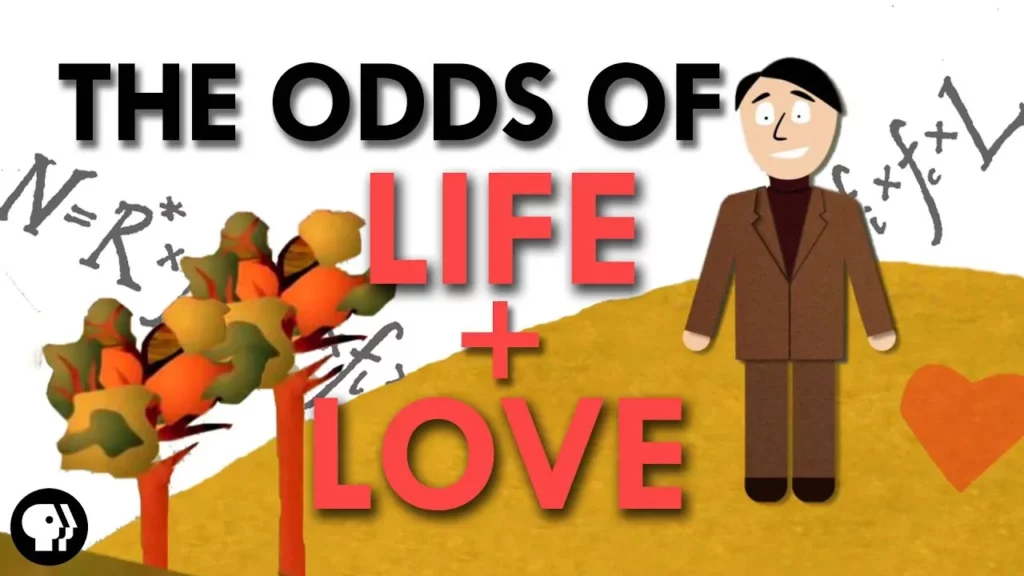
In this lesson, we explore the intriguing parallels between the search for extraterrestrial life and the quest for love, drawing on concepts like Fermi’s Paradox and the Drake Equation to illustrate the complexities of both pursuits. By analyzing the mathematical probabilities of finding a romantic partner, we learn that while the universe may seem vast and lonely, maintaining an open mind can significantly increase our chances of making meaningful connections. Ultimately, the lesson emphasizes that love, much like the search for life beyond Earth, requires patience, optimism, and a willingness to embrace the unknown.
Does My Dog Know What I’m Thinking?
The lesson explores the fascinating world of dog communication, highlighting the impressive abilities of a border collie named Chaser, who understands over 1,000 words and can differentiate between nouns and verbs. It discusses how dogs process language and emotions, the significance of body language in communication, and the deep bond between humans and dogs, which has evolved over thousands of years. Ultimately, the lesson emphasizes the remarkable connection we share with our canine companions, encouraging curiosity about their behavior and emotions.
The Science of Rainbows

The lesson “Understanding Rainbows: A Colorful Journey” explores the fascinating interplay of science, mythology, and culture surrounding rainbows. It explains how rainbows form through the refraction and reflection of sunlight in water droplets, creating a unique visual experience for each observer. Additionally, it highlights the symbolic significance of rainbows in various cultures and encourages appreciation for the beauty and individuality of each rainbow we encounter.
Where On Earth Do You Weigh The Least?
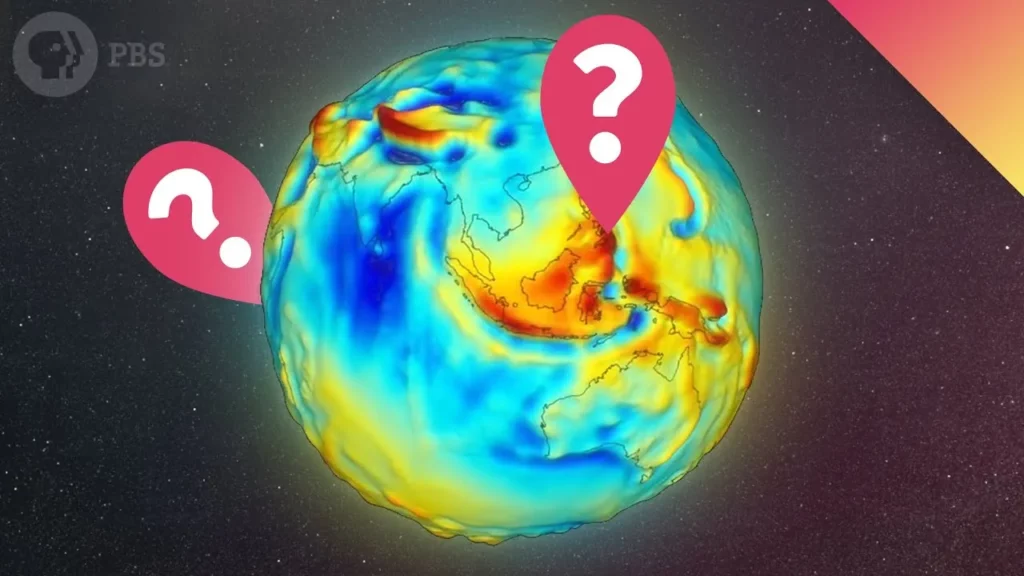
In this lesson, we explore the concepts of weight and mass using the example of feathers and steel, highlighting that a kilogram of either weighs the same, but their weight can vary based on location due to differences in gravity. We learn that mass is the amount of matter in an object and remains constant regardless of location, while weight is the gravitational force acting on that mass, which can change depending on factors like Earth’s shape and rotation. The lesson concludes with a fun fact that climbing a mountain can make you weigh slightly less due to reduced gravity at higher altitudes.
We Can Resurrect Extinct Species… But SHOULD WE?
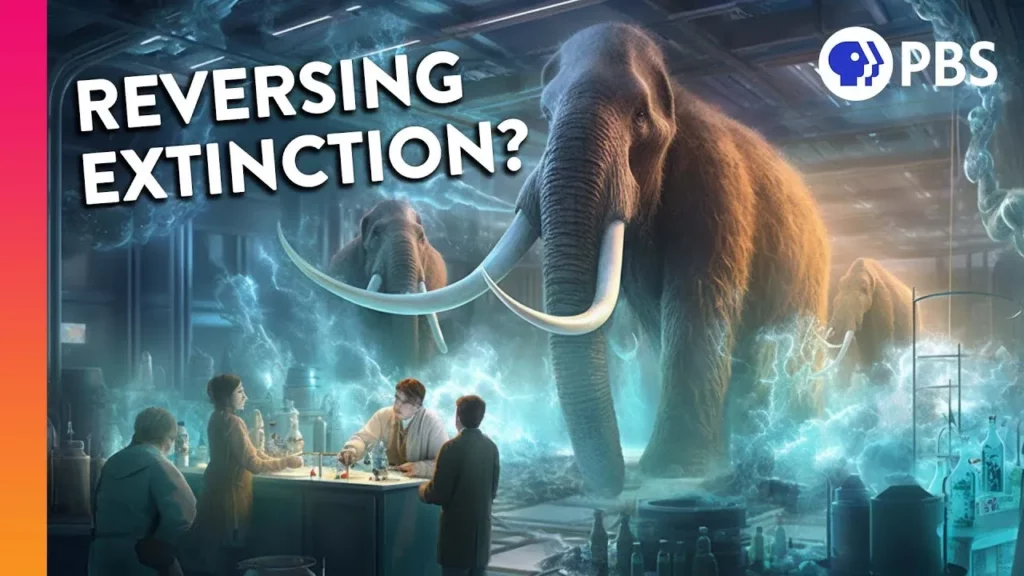
The lesson explores the concept of de-extinction, particularly focusing on the woolly mammoth and efforts to recreate it in environments like Pleistocene Park. It discusses the scientific challenges involved in reviving extinct species, including the need for complete DNA and the potential use of genetic editing techniques on related species, such as the Asian elephant. Additionally, the lesson raises ethical questions about whether we should bring back extinct animals, suggesting that resources might be better spent on conserving currently endangered species.