
Who Shares Your Birthday?
The lesson on the Birthday Paradox reveals the surprising probability that in a group of just 23 people, there is over a 50% chance that two individuals will share a birthday, despite there being 365 possible birthdays. This counterintuitive result stems from the exponential growth of possibilities as more people are added to the group. Additionally, to have a 90% chance of sharing a specific birthday, one would need 840 people, illustrating how our intuitions about probability can often be misleading.
How to See Time Travel!!!

The lesson “Exploring the Invisible World of Cosmic Rays” introduces students to the concept of cosmic rays—tiny, high-energy particles that constantly pass through our bodies, primarily originating from the sun and distant stars. It explains how a cloud chamber can visualize these invisible particles, highlights Earth’s magnetic field as a protective shield against most cosmic rays, and discusses the intriguing behavior of muons, which can reach the Earth’s surface due to time dilation effects described by Einstein’s theory of relativity. Additionally, the lesson emphasizes the potential impact of cosmic rays on the evolution of life on Earth and encourages hands-on learning by suggesting a DIY cloud chamber project.
What Is Luck?
The lesson explores the phenomenon known as the “Sports Illustrated curse,” where athletes featured on the magazine’s cover often face unexpected misfortune shortly thereafter. It delves into the concepts of luck and randomness, explaining that luck is not a mystical force but rather a result of improbable events and the principle of “regression to the mean,” which suggests that exceptional performances are often followed by a return to average ability. Additionally, the lesson highlights how perspective and mindset can influence one’s experience of luck, presenting strategies for cultivating a more fortunate outlook in life.
Why Do We Laugh?

The lesson explores the science of laughter, highlighting its universal nature and complex role in human interaction. It explains that laughter is not solely a response to humor but serves as a powerful social tool that fosters connections and eases social situations. Additionally, the lesson emphasizes the contagious nature of laughter and its significance in strengthening relationships, encouraging us to embrace laughter for its numerous benefits.
Why Is The Universe So Empty? (ft. PHD Comics!)
The lesson “Exploring the Universe: From Tiny Fluctuations to Cosmic Webs” delves into the intricate structure of the universe, explaining how it evolved from tiny quantum fluctuations in the early moments after the Big Bang to the vast cosmic web of galaxies and superclusters we observe today. It highlights the roles of gravity, dark matter, and dark energy in shaping this structure, emphasizing the balance between these forces and the significance of the cosmic microwave background as evidence of the universe’s early state. Ultimately, the lesson encourages curiosity about the cosmos and the complex processes that govern its formation.
How Atom Bombs Can Help Us Detect Art Forgery

The lesson explores the fascinating world of art forgery, focusing on the techniques used by renowned forger Han Van Meegeren to create convincing fake masterpieces. It highlights the challenges historians face in identifying forgeries, the advancements in scientific methods such as radioactive isotope analysis and carbon dating that aid in detection, and the importance of understanding the chemistry of paint. Ultimately, it emphasizes that while forgers can mimic many aspects of art, the natural aging process remains impossible to replicate.
The Surprising Species That Everything Else Depends On | IN OUR NATURE

The lesson explores the vital roles of keystone species, such as wildebeests in the Serengeti and bison in North America, in maintaining the balance of ecosystems. It highlights how the reintroduction of these species can restore ecological health and biodiversity, while also benefiting local communities culturally and nutritionally. Ultimately, the lesson emphasizes the interconnectedness of all living organisms and the importance of understanding our impact on these complex systems.
What Do Raindrops Really Look Like?
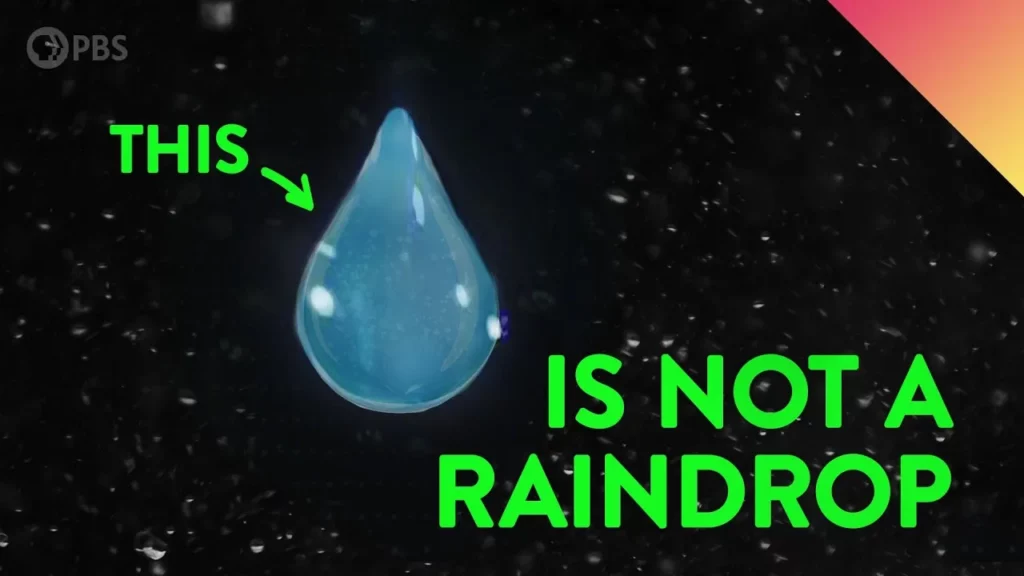
The lesson “Raindrops: More Than Just Teardrops” explores the true nature and behavior of raindrops as they fall through the atmosphere. Contrary to the common teardrop shape we often envision, raindrops take on various forms, influenced by forces such as gravity and air resistance, resulting in shapes more akin to spheres or pancakes. The lesson highlights how scientists study raindrops using wind tunnels to understand their dynamics and sizes, revealing that they can grow but typically do not exceed seven millimeters before breaking apart.
The Forgotten Origin of the Scientific Method
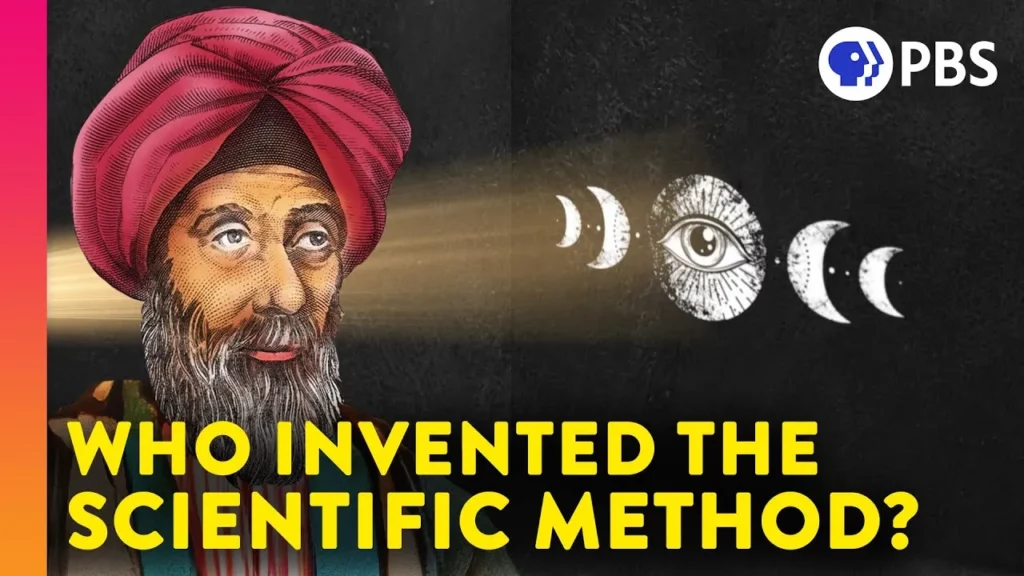
In this lesson, we explored the historical development of the scientific method, highlighting the contributions of Al-Hassan Ibn al-Haytham, a mathematician who significantly advanced our understanding of light and optics. His systematic approach to observation and experimentation laid the groundwork for modern scientific practices, emphasizing the importance of testing hypotheses. Ultimately, the lesson underscores that science is an ongoing journey of inquiry and discovery, driven by curiosity and critical thinking.
We’ve Got Ants In Our Plants!
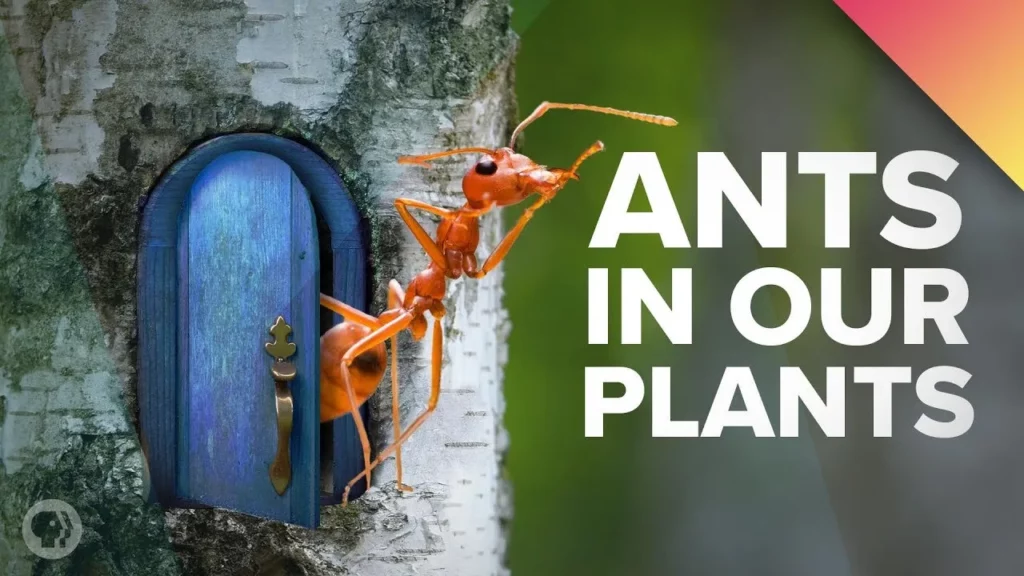
In this lesson, we explore the intricate relationships between ants and trees in the rainforest, highlighting the mutualistic partnerships that have developed over millions of years. Ants provide protection and care for their host trees, such as the “novice tree” and acacia trees, while benefiting from the shelter and food these plants offer. This fascinating interplay illustrates the complexity of ecosystems and the significant role that even small creatures like ants play in maintaining the health and balance of their environment.