
Ghosts of Evolution
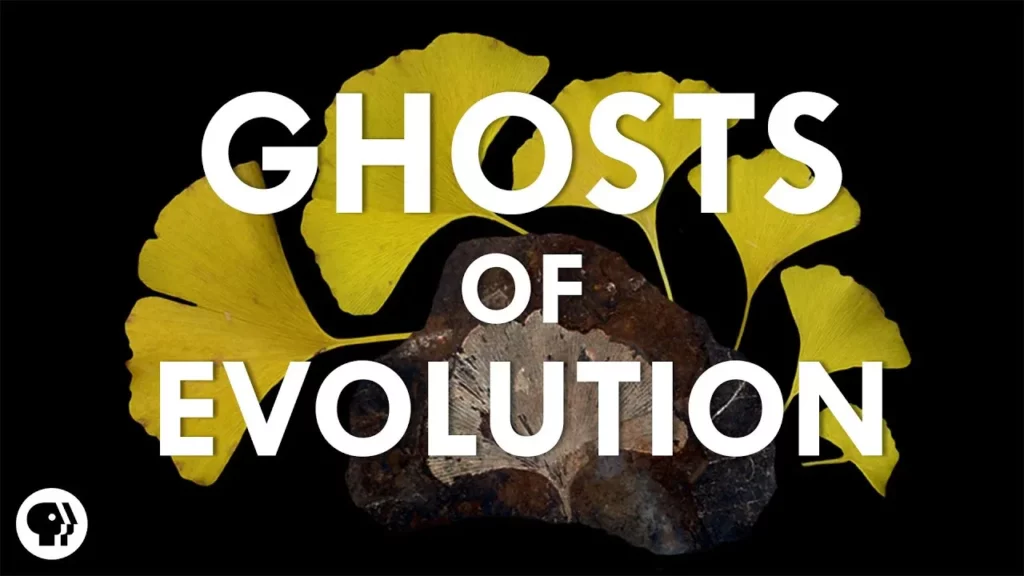
The lesson explores the concept of evolutionary anachronisms through the unique characteristics of the ginkgo biloba tree and the avocado. It highlights how these plants have evolved traits that rely on extinct animals for seed dispersal, such as the ginkgo’s foul-smelling seeds and the avocado’s large pit, which were once consumed by prehistoric megafauna. Despite the absence of their natural partners, human cultivation has allowed these species to survive, illustrating the impact of human intervention on plant preservation.
Putting Hurricane Harvey In Perspective
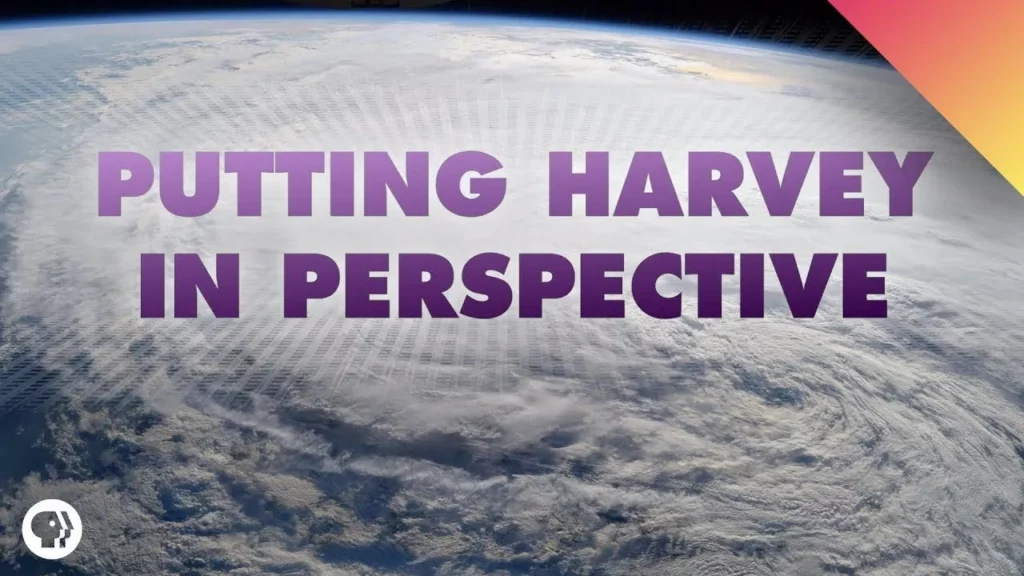
The lesson on Hurricane Harvey highlights the storm’s immense power, which included unprecedented rainfall and severe flooding, emphasizing the limitations of the hurricane classification system that primarily focuses on wind speed. It also discusses the implications of climate change on storm intensity and the importance of understanding flood risks, particularly in urban areas where outdated models may underestimate flooding probabilities. Ultimately, the lesson encourages awareness and proactive measures to support those affected by such disasters.
Where Do Birds Go In Winter?
The lesson explores the fascinating phenomenon of bird migration, highlighting how historical misconceptions have evolved into our current understanding of this natural behavior. It discusses the remarkable distances some birds travel, the adaptations they possess for navigation and endurance, and the technological advancements that allow scientists to track their journeys. Ultimately, it emphasizes the wonder of bird migration as one of nature’s most extraordinary events.
Why Does February Only Have 28 Days?
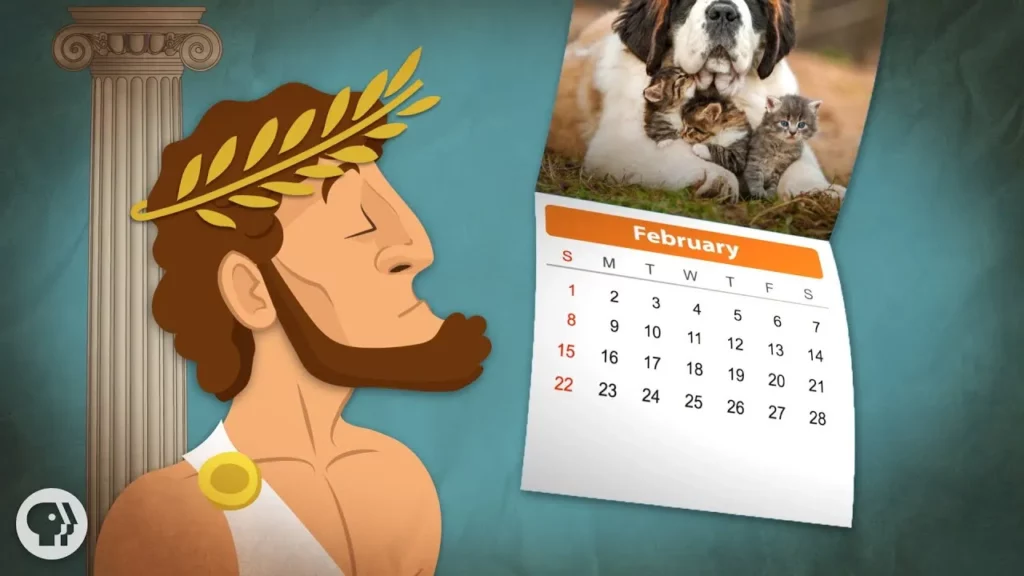
The lesson explores the historical reasons behind February having 28 days, tracing its origins back to ancient Roman times. Initially part of a lunar calendar, February was established as a month of spiritual purification by King Numa Pompilius, who adjusted the calendar to align with lunar cycles. Subsequent reforms by Julius Caesar introduced a solar calendar, solidifying February’s unique status while maintaining its 28-day length, with an occasional leap day added every four years.
What Would Happen if ONE MILLION Species Went Extinct?
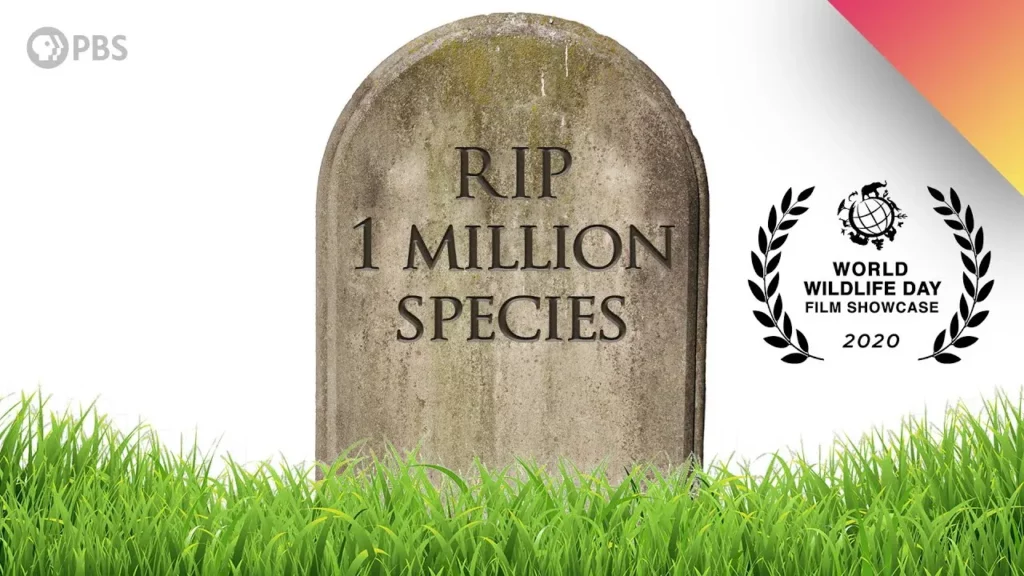
In this lesson, we explored the Paleocene-Eocene Thermal Maximum (PETM), a significant climate event from 56 million years ago that resulted in drastic temperature increases and mass extinctions due to elevated carbon levels. We drew parallels to today’s climate challenges, highlighting the current extinction crisis affecting one million species, human impacts on ecosystems, and unsustainable resource consumption, emphasizing the urgent need for action to preserve biodiversity and mitigate environmental degradation for future generations.
What If There Were No Sharks?

The lesson emphasizes that sharks, often perceived as fearsome predators, are actually vital to ocean ecosystems and are more threatened by human activities than they pose a danger to us. With over 400 species playing crucial roles in maintaining marine balance, the decline of shark populations could have severe consequences for both marine life and human interests. By changing the narrative around sharks and promoting their conservation, we can foster a better understanding of these fascinating creatures and their importance to our planet.
Does Someone Else Have Your Face? Doppelgängers Explained!
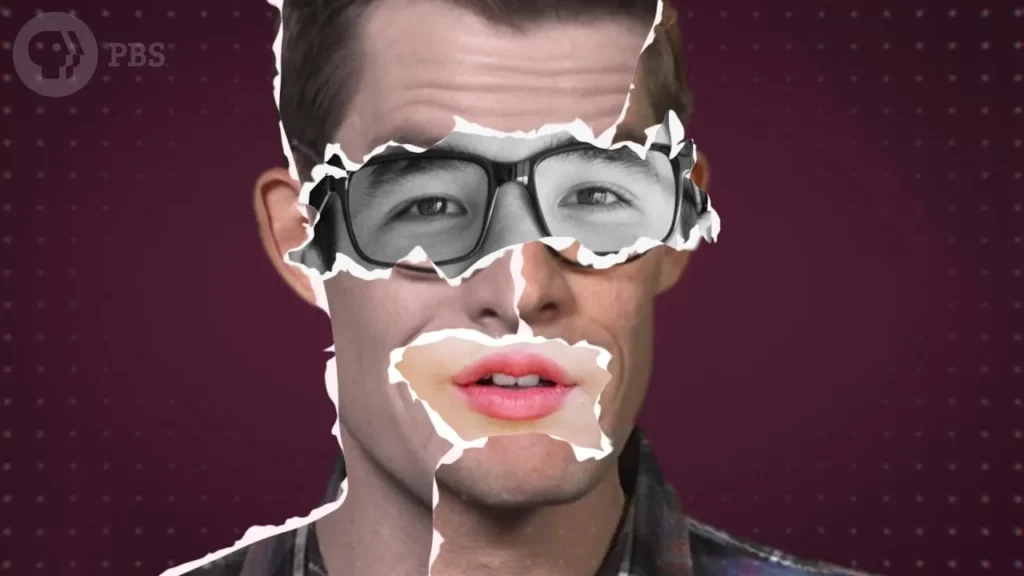
The lesson “Discovering Your Art Doppelganger” explores the intriguing concept of facial recognition and the phenomenon of finding look-alikes in art through the Google Arts and Culture app. It delves into how our brains process faces, the science behind recognizing similarities, and the role of memory and perception in identifying individuals. The lesson concludes by emphasizing that while every face is unique, our brains can sometimes create illusions of similarity, encouraging curiosity and exploration in understanding human features.
Can Life Really Be Explained By Physics? (featuring Prof. Brian Cox)
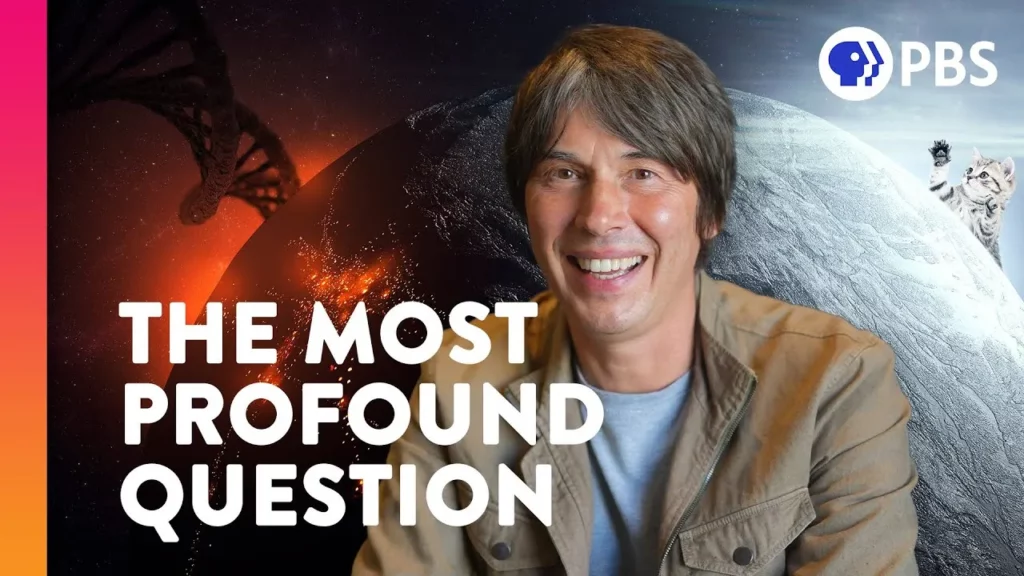
The lesson explores the intricate phenomenon of life, emphasizing the complexity of consciousness and the fundamental differences between living beings and inanimate objects. Through discussions with physicist Brian Cox, it highlights the role of energy and complexity in life, suggesting that understanding life’s origins may involve examining universal traits like energy management and the significance of DNA. Ultimately, the lesson encourages embracing the unknown as a pathway to curiosity and exploration in the quest to understand life’s meaning in an infinite universe.
Using a Bunch of Mousetraps to Explain How Pandemics Work (feat. @theslowmoguys)

In this lesson, we learned about the importance of vaccines and herd immunity in protecting both individuals and communities from diseases. Using a fun mousetrap experiment as an analogy, we explored how vaccines prepare our immune systems to fight infections and how achieving herd immunity can prevent the spread of diseases by ensuring enough people are immune. Ultimately, vaccines, along with other safety measures, play a crucial role in public health and the well-being of everyone.
Why Seasons Make No Sense
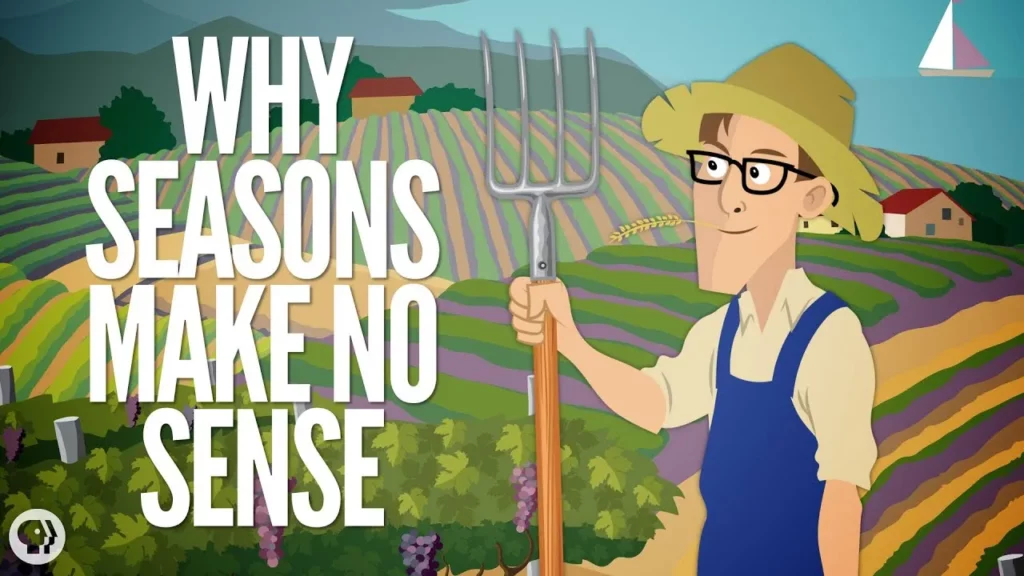
The lesson explores the concept of seasons, emphasizing that they are influenced by Earth’s axial tilt and its orbit around the sun, rather than just weather patterns. While traditions like Groundhog Day are entertaining, they highlight the disconnect between calendar seasons and actual climatic conditions, which can vary significantly. Understanding the science behind seasons reveals that different cultures may define them in various ways, often based on local environmental cues rather than strict astronomical definitions.