
How Much Of You Is ACTUALLY Alive?
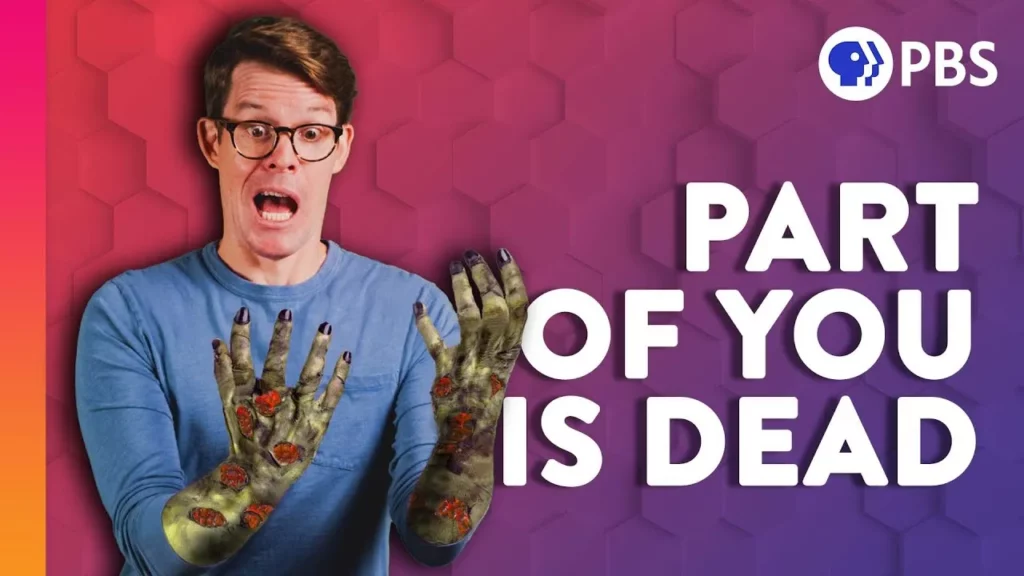
The lesson “The Ever-Changing You: A Journey Through Your Body” explores the concept of identity and change through the analogy of the Ship of Theseus, highlighting how our bodies are in a constant state of renewal as billions of cells are replaced daily. It emphasizes the balance between life and death, explaining the processes of cell death and regeneration, and noting that a significant portion of our body consists of non-living components. Ultimately, it encourages curiosity about the complexities of our biological makeup and the continuous transformation that defines who we are.
Nature’s Most Amazing Animal Superpowers
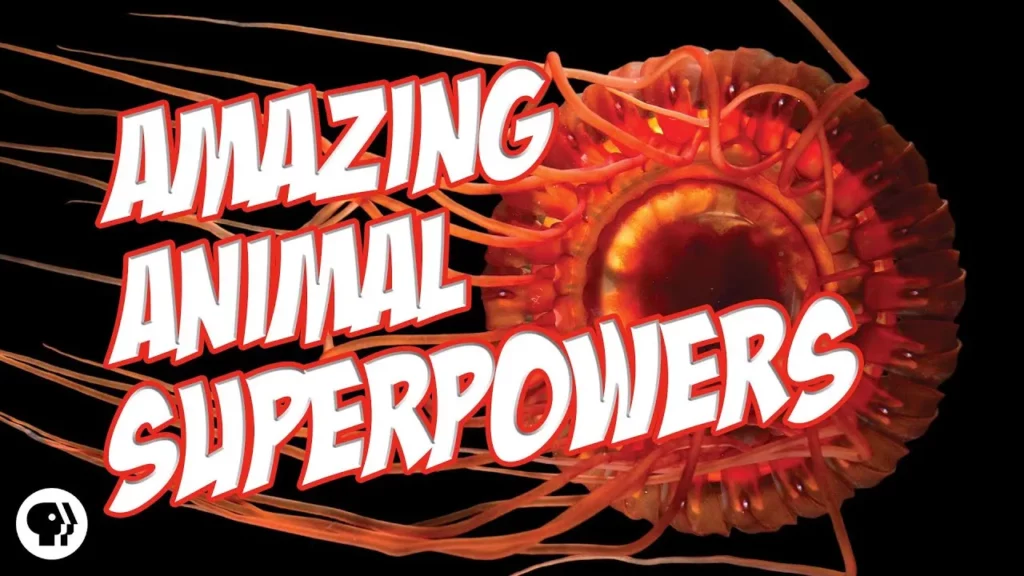
The lesson “Nature’s Superheroes: Amazing Animal Abilities” explores the extraordinary adaptations and abilities of various animals that rival those of fictional superheroes. From the regenerative powers of lizards and axolotls to the impressive camouflage of cuttlefish and the astonishing strength of dung beetles, the lesson highlights how evolution has equipped these creatures with unique traits for survival. Ultimately, it encourages curiosity and appreciation for the remarkable wonders of the natural world.
What Color is the Universe?
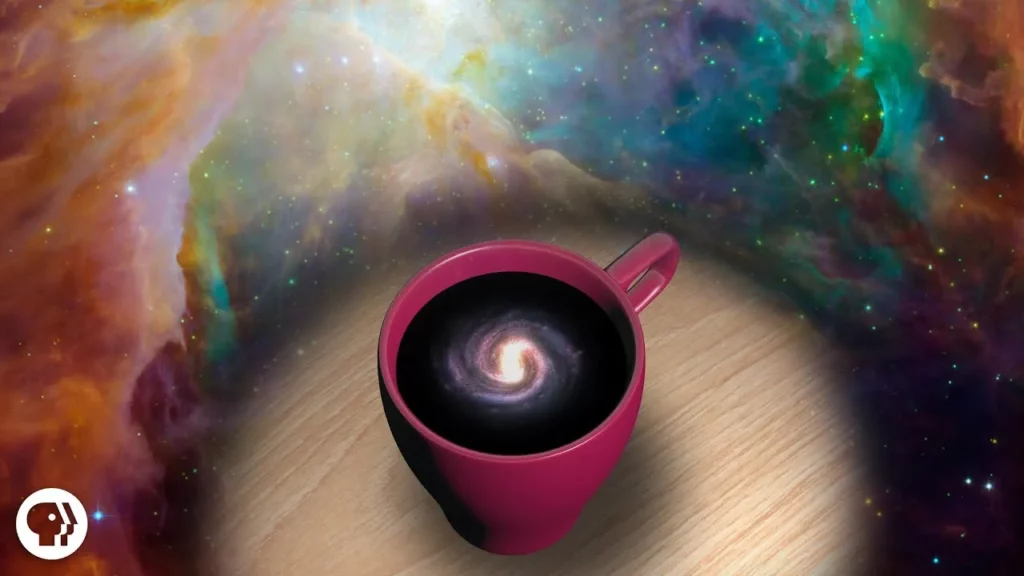
The lesson “The True Color of the Sun” explores the misconception of the sun’s color, revealing that it appears yellow or orange from Earth due to atmospheric scattering, while in space, it actually looks white. It also discusses how light and temperature influence the colors of stars and the universe, culminating in the discovery of the average color of the universe, termed “cosmic latte.” The lesson encourages curiosity about the true nature of light and color in our celestial surroundings.
The Mystery of Earth’s Disappearing Giants | IN OUR NATURE
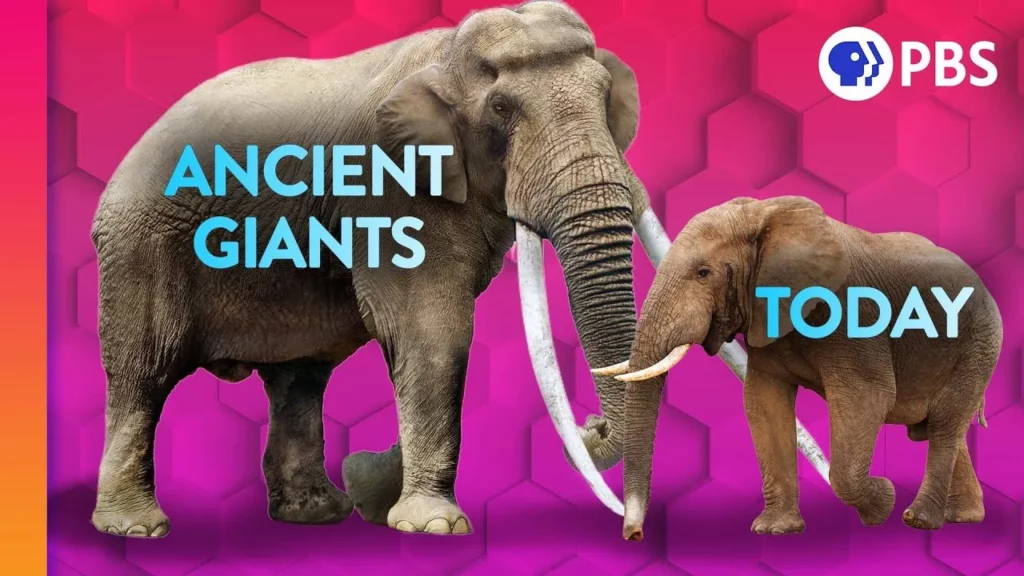
The lesson “Journey to the Past: Discovering Earth’s Ancient Giants” explores the fascinating world of megafauna that existed during the Pleistocene Epoch, highlighting the diverse and massive creatures that roamed various continents. It discusses the theories surrounding their extinction, particularly the roles of human activity and climate change, while emphasizing the importance of studying sites like the La Brea Tar Pits to uncover insights about these ancient ecosystems. Ultimately, the lesson underscores the need for conservation efforts today to protect existing species and maintain ecological balance in light of current environmental challenges.
How Every Movie & Video Game Tricks Your Brain
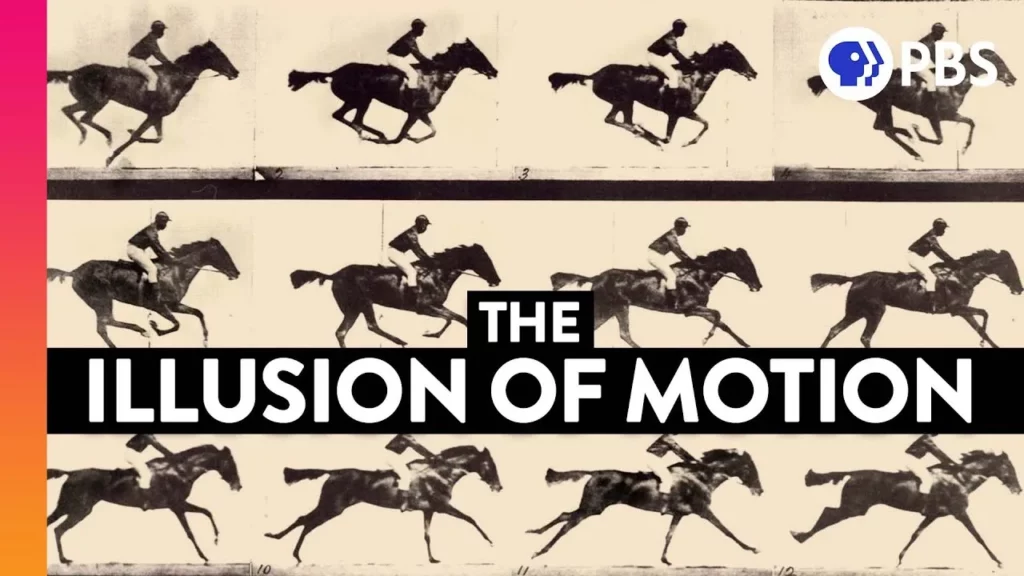
The lesson explores the intriguing relationship between visual illusions and motion perception, tracing its origins from a dinner party discussion between Charles Babbage and William Herschel to the invention of the thaumatrope and the development of film projectors. It highlights the concept of “persistence of vision,” which allows our brains to perceive motion from a sequence of still images, and discusses how our understanding of visual perception has evolved, revealing the brain’s role in interpreting and constructing narratives from visual information. Ultimately, the lesson emphasizes the complexities of our perception and the ongoing exploration of how we interpret reality through visual stimuli.
Engineering SUPERPLANTS to fight climate change

The lesson discusses the importance of plants in absorbing carbon dioxide (CO2) and highlights the challenges traditional plants face due to climate change. It introduces “super plants,” which have enhanced root systems that allow them to capture and store more carbon, even after they die, thus preventing its release back into the atmosphere. By integrating these features into agricultural crops, we can improve food production while simultaneously combating climate change, making super plants a promising solution for environmental protection.
Why Do We Cook?
The lesson highlights the significant role of cooking in human evolution, emphasizing that it distinguishes humans from other animals and has been crucial in our development. Cooking not only provided essential nutrition for our growing brains but also fostered social bonds and cultural practices, allowing early humans to thrive and innovate. By transforming food preparation and consumption, cooking facilitated the emergence of complex societies and advanced cognitive abilities.
Your Microbiome: The Invisible Creatures That Keep You Alive!
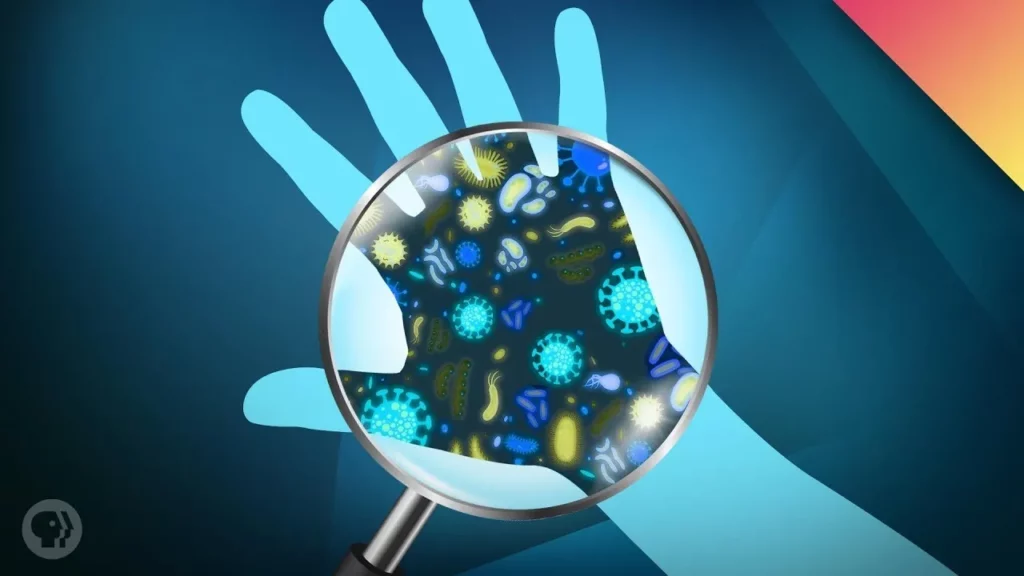
The lesson “Exploring the Invisible World Inside Us” delves into the significance of the microbiome, a diverse community of microorganisms that inhabit our bodies and play essential roles in digestion, immunity, and overall health. It discusses the hygiene hypothesis, highlighting how exposure to various microbes during early life influences immune system development and the importance of factors like birth method and breastfeeding in shaping an infant’s microbiome. Ultimately, the lesson emphasizes that these tiny organisms are vital to our well-being, and understanding their interactions with our bodies is crucial for our health.
Iridescence: Nature’s Most Beautiful Physics Trick
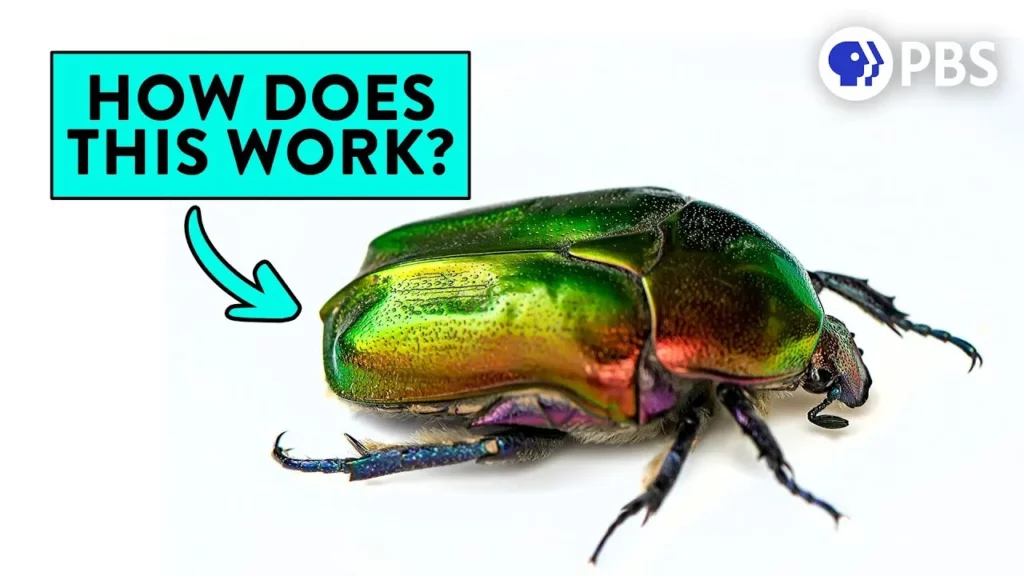
The lesson explores the phenomenon of iridescence in nature, explaining how light interacts with certain objects to create vibrant, shifting colors. Examples include the shimmering feathers of hummingbirds, the colorful shells of beetles, and materials like abalone and opals, all of which utilize similar optical principles to produce their dazzling effects. This fascinating optical trick highlights the interconnectedness of natural elements and the transformative power of light.
Why is Puberty so Weird?
The lesson “The Amazing Journey of Growing Up” explores the transformative changes that occur during adolescence, likening it to a caterpillar becoming a butterfly. It emphasizes the crucial role of the endocrine system and hormones as chemical messengers that regulate various bodily functions, including growth, emotions, and overall stability. The lesson highlights the interconnectedness of the endocrine and nervous systems in managing these changes, underscoring the importance of hormones in both human development and across different species.