
How The Placebo Effect Tricks Your Brain
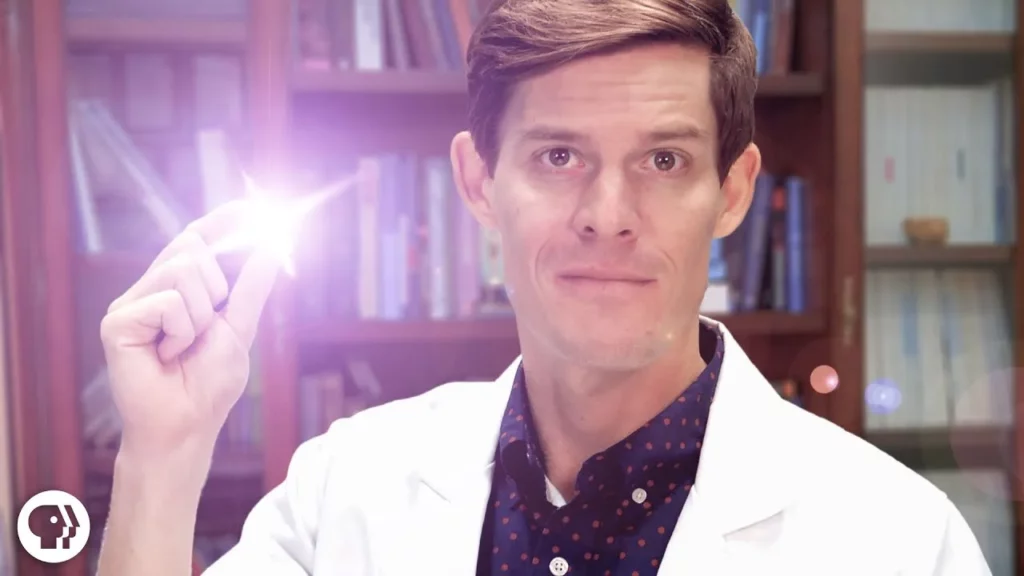
The lesson explores the intriguing phenomenon of the placebo effect, illustrated by a World War II incident where a soldier’s pain was alleviated using a saline solution instead of morphine. Placebos, which mimic real treatments without active ingredients, can trigger genuine physiological responses due to the power of expectation, with factors like form and color influencing their effectiveness. While ethical concerns prevent their widespread use as real medicine, understanding and harnessing the placebo effect can enhance patient care and highlight the brain’s natural healing capabilities.
Recycling Is Broken. Here’s How We Can Fix It.
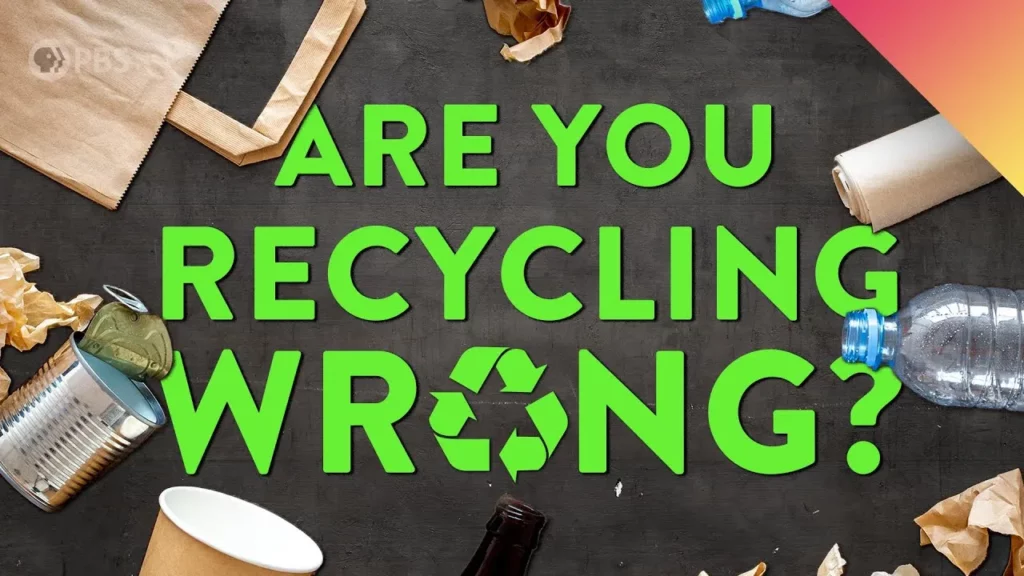
The lesson on recycling emphasizes the importance of making informed choices about waste disposal to benefit the environment. It highlights the complexities of recycling, including the challenges of contamination and the limitations of certain materials, while encouraging individuals to understand local recycling guidelines and to prioritize reducing waste overall. Ultimately, the lesson advocates for a holistic approach to waste management that includes reducing consumption and reusing materials, rather than relying solely on recycling.
Why Do We Lie?
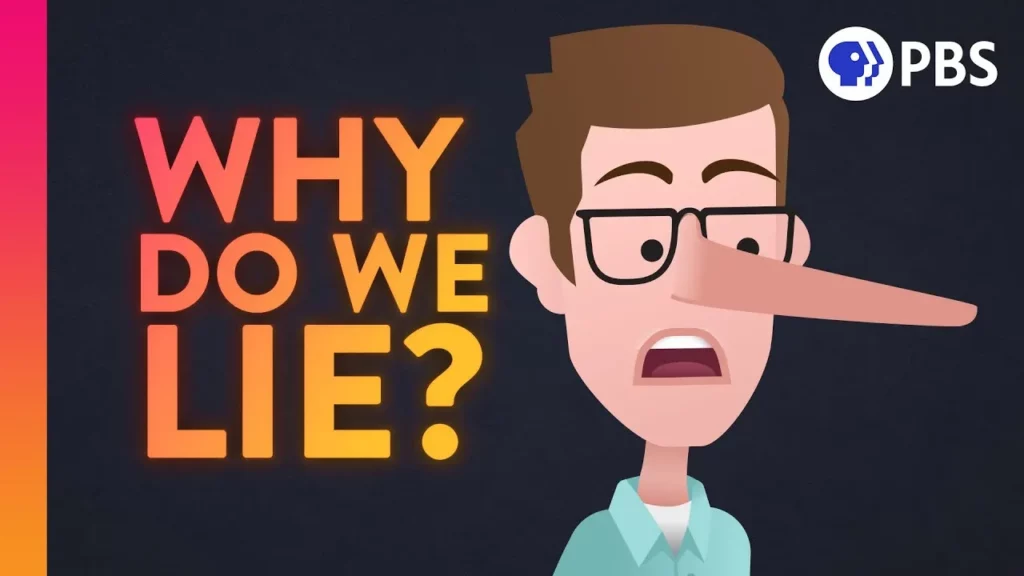
In this lesson, Joe explores the reasons behind why people lie, drawing on an experiment by behavioral economist Dan Ariely that revealed a significant tendency for individuals to tell small lies for personal gain. The discussion highlights that lying is a common behavior influenced by evolutionary factors, social dynamics, and the desire to protect oneself or others. Ultimately, the lesson emphasizes the complexity of lying, suggesting that while most lies may be harmless, they can also have serious implications, and encourages a conscious effort to promote honesty.
The Universe in a Glass of Wine (Richard Feynman Remixed)
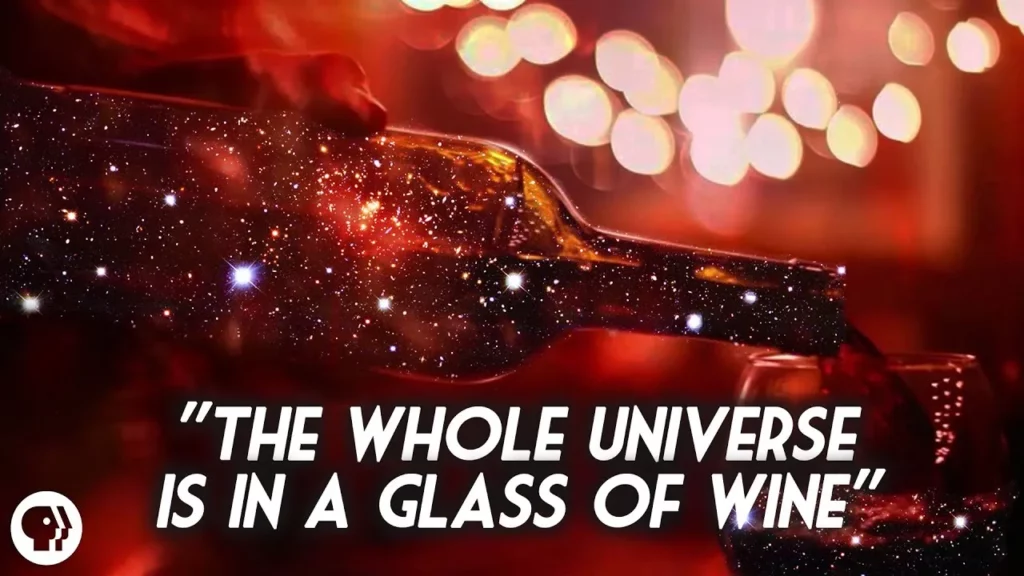
The lesson “The Universe in a Glass of Wine” explores the profound connections between simple objects, like a glass of wine, and the vast complexities of the universe. It highlights the physical and chemical wonders of wine, emphasizing its intricate composition and the interconnectedness of various scientific fields. Ultimately, the lesson encourages us to appreciate the beauty and complexity of life by savoring the moment and recognizing the universe within everyday experiences.
How Ancient Ice Proves Climate Change Is Real
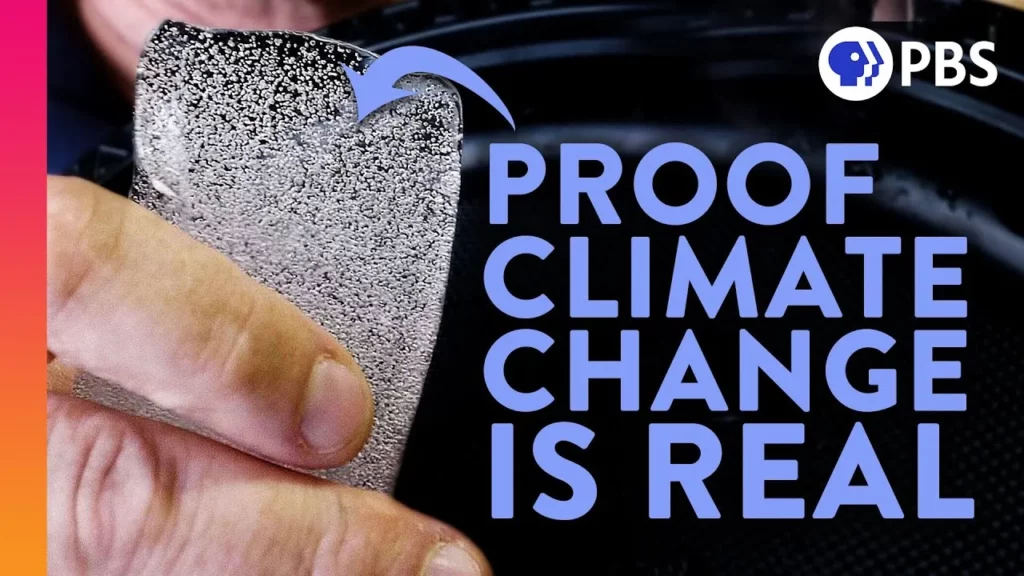
The lesson “Unveiling Earth’s Past Through Ancient Ice” explores how scientists study ancient ice cores from Antarctica to understand historical climate conditions and track changes in carbon dioxide levels over millennia. By analyzing trapped air bubbles within these ice samples, researchers reveal significant human impacts on the atmosphere, particularly since the mid-19th century, highlighting the urgent need for climate action to address rising CO2 levels and their implications for the planet’s future.
What is Impossible in Evolution?
The lesson explores the limitations of evolution in creating certain traits in nature, emphasizing that not all imaginative ideas can manifest biologically due to constraints like physics, fitness, and environmental pressures. It discusses concepts such as “forbidden phenotypes” and the importance of beneficial evolutionary steps, illustrating why traits like wheels or wings in humans are unlikely to evolve. Ultimately, while evolution is a powerful force, it operates within specific boundaries, and the future may still hold surprises in the diversity of life.
Why NASA Punched an Asteroid
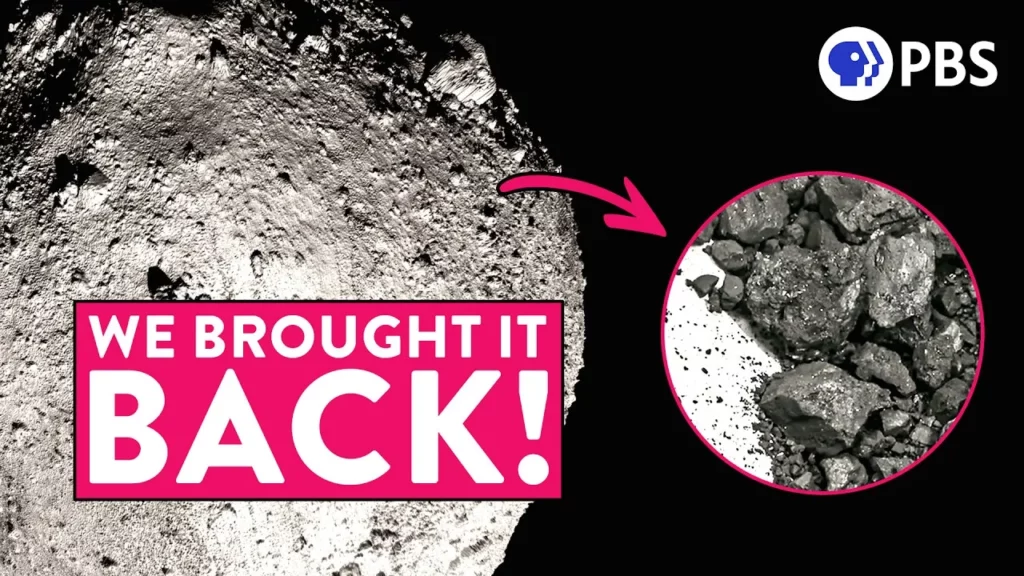
In the lesson “Discovering the Secrets of Space Rocks,” Tim McCoy, a meteorite curator, explains the significance of ancient space rocks, particularly those collected from asteroids like Bennu, which provide crucial insights into the early solar system and the origins of life on Earth. These rocks, preserved for billions of years, contain essential elements and minerals that help scientists understand planetary formation and the potential for life beyond our planet. The ongoing analysis of these samples promises to reveal exciting discoveries about our cosmic history and the conditions necessary for life.
Can We Solve the Air Conditioning Paradox?
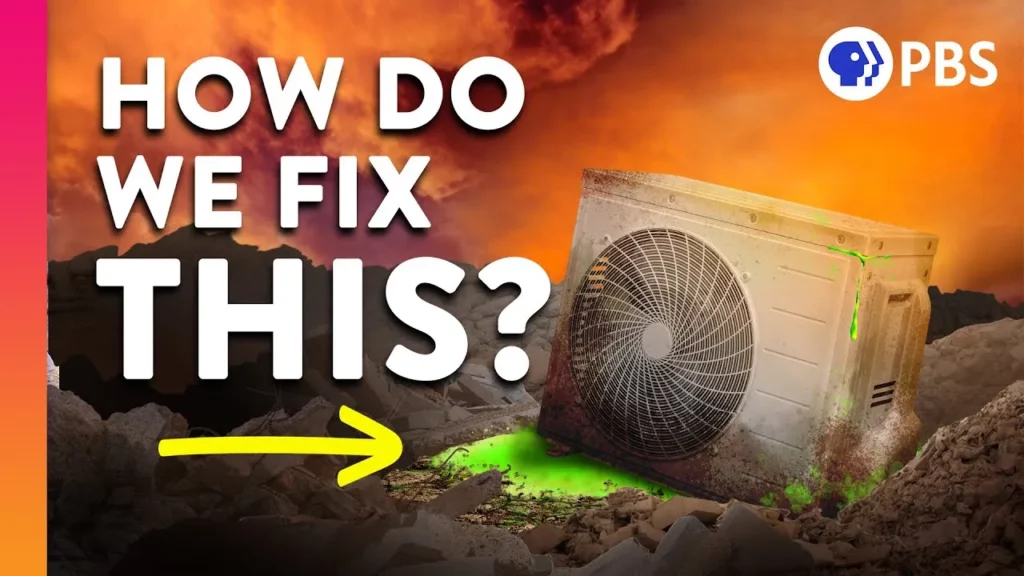
The lesson explores the transformative impact of air conditioning, beginning with a unique experiment in Austin, Texas, that demonstrated its benefits for health, comfort, and productivity, leading to its widespread adoption in homes and cities. However, it also highlights the environmental challenges posed by air conditioning, including its significant contribution to climate change through high energy consumption and harmful refrigerants. Looking ahead, the lesson emphasizes the need for innovative cooling solutions and sustainable practices to mitigate these challenges as global temperatures rise.
Why Are We Warm-Blooded?
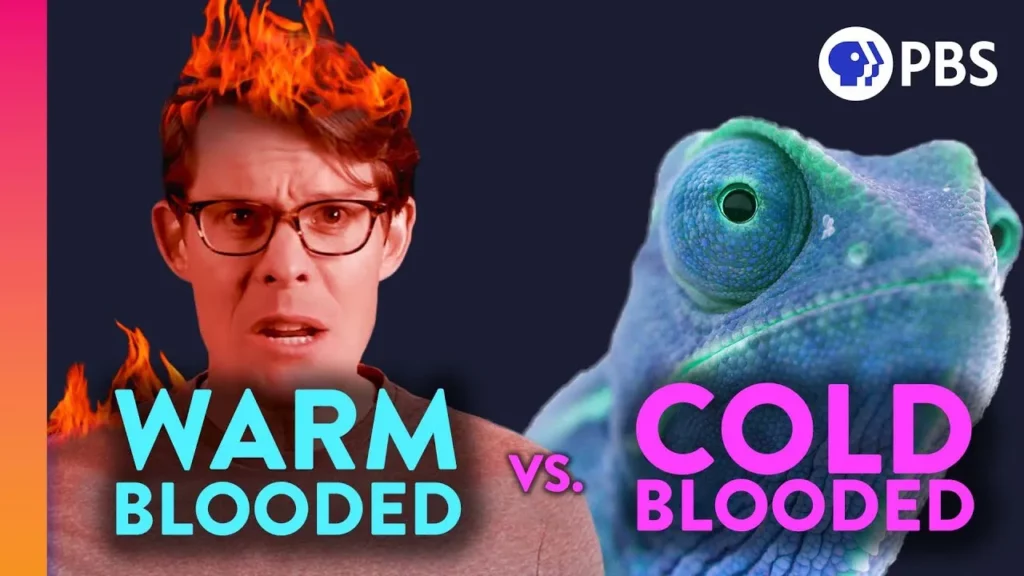
The lesson explores the fascinating world of warm-blooded animals, focusing on their ability to generate and maintain body heat, which allows them to thrive in various environments. It discusses the evolutionary journey that led to endothermy, highlighting the advantages and energy demands of being warm-blooded, as well as the physiological mechanisms that regulate body temperature. Ultimately, the lesson emphasizes the complexity of evolution and the ongoing mysteries surrounding the development of warm-bloodedness in different species.
The Unexpected Measure that Makes the Modern World Tick
The lesson explores the evolution of time measurement from ancient methods to the modern precision of atomic clocks, highlighting John Wilkins’ vision for a universal measurement system based on natural phenomena. It details the historical progression from sundials and pendulum clocks to atomic clocks, which measure time through the oscillations of cesium atoms, providing unparalleled accuracy essential for contemporary technology and daily life. Ultimately, the lesson emphasizes the significance of precise time measurement in various fields, including finance, telecommunications, and navigation.