
What Is A Dinosaur And What Isn’t a Dinosaur?
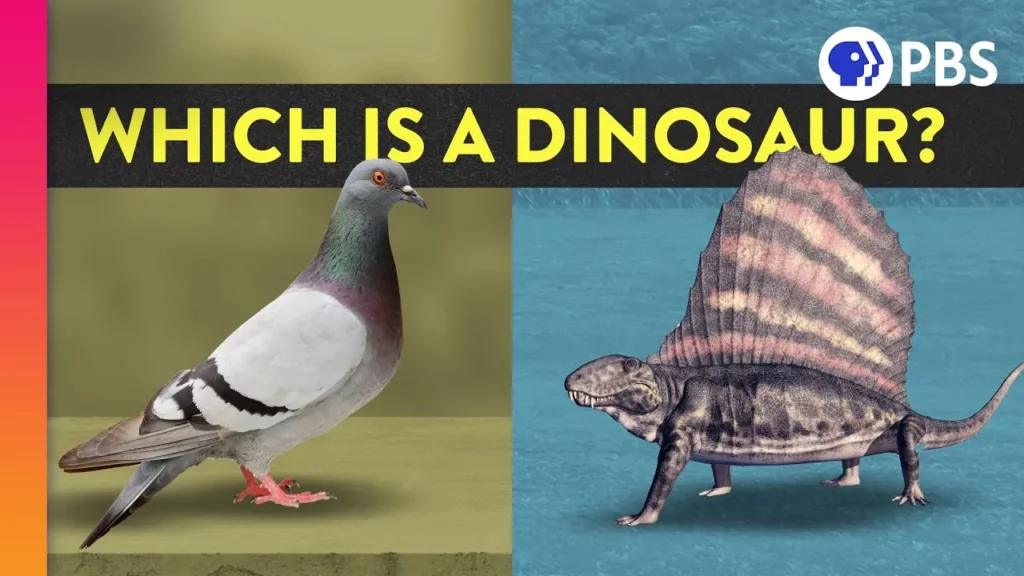
The lesson explores what defines a dinosaur, emphasizing that not all ancient reptiles are classified as such. It explains the origins of the term “dinosaur,” the importance of evolutionary traits in classification, and how scientists like Sir Richard Owen and Charles Darwin contributed to our understanding of these creatures. Ultimately, it highlights the significance of classification in organizing the diversity of life and encourages continued curiosity about dinosaurs and their history.
How Scientists Made the Hottest Thing Ever
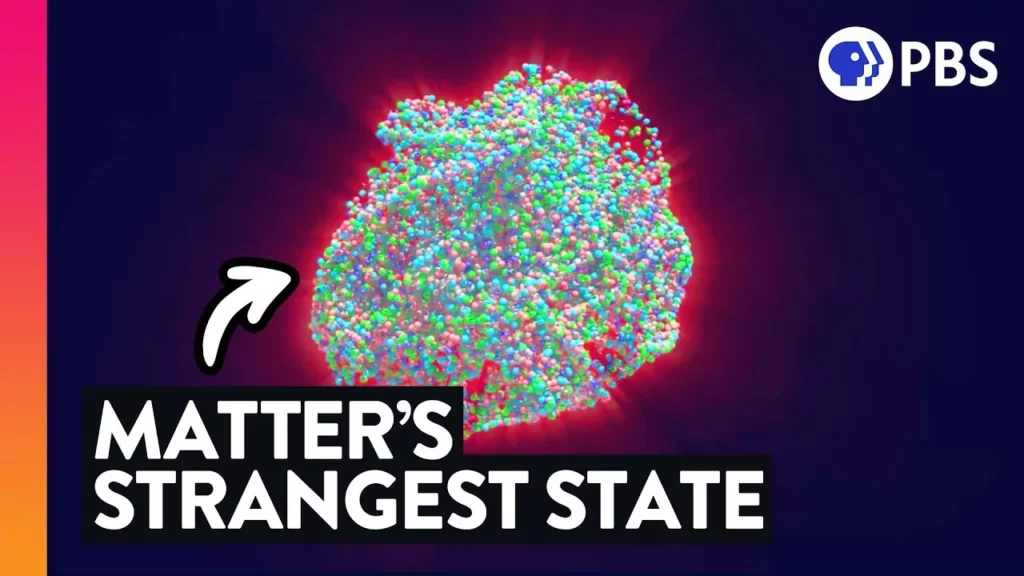
The lesson explores the efforts of scientists at CERN to recreate the conditions of the early universe, specifically just after the Big Bang, using the Large Hadron Collider (LHC). Through experiments like the ALICE collaboration, researchers aim to generate a quark-gluon plasma, a state of matter that existed shortly after the universe’s inception, to gain insights into the formation of protons and neutrons and ultimately understand the origins of the cosmos. This groundbreaking research not only addresses fundamental questions about our existence but also highlights the interconnectedness of all matter in the universe.
This is how air conditioners ❄️ make Earth warmer ????
The lesson discusses the introduction of air conditioning in homes, beginning with an experiment in Austin, Texas, that showcased its potential to enhance comfort and health. While air conditioning has become ubiquitous and essential for many, it also contributes to climate change through energy consumption and greenhouse gas emissions. To mitigate its environmental impact, the lesson suggests innovative solutions such as using lighter-colored roofs, better insulation, and energy-efficient windows, encouraging a shift in how we approach cooling our living spaces.
Is Earth’s Most Important Ocean Current Doomed?
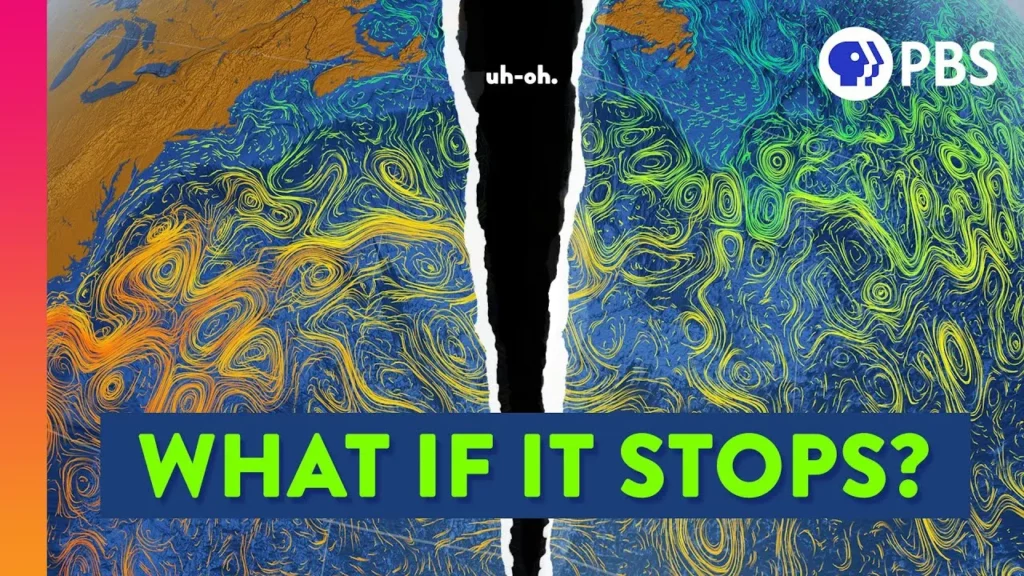
The lesson explores the concept of the global conveyor belt, likening Earth’s oceans to a circulatory system that regulates climate and ecosystems by transporting heat, nutrients, and marine life. It emphasizes the critical role of ocean currents, particularly the Atlantic Meridional Overturning Circulation (AMOC), in maintaining this balance and highlights the threats posed by climate change, which could disrupt these currents and lead to severe environmental consequences. The lesson concludes by stressing the importance of reducing greenhouse gas emissions to protect ocean health and sustain the vital processes they support.
How We Solved the Greatest Riddle In Navigation
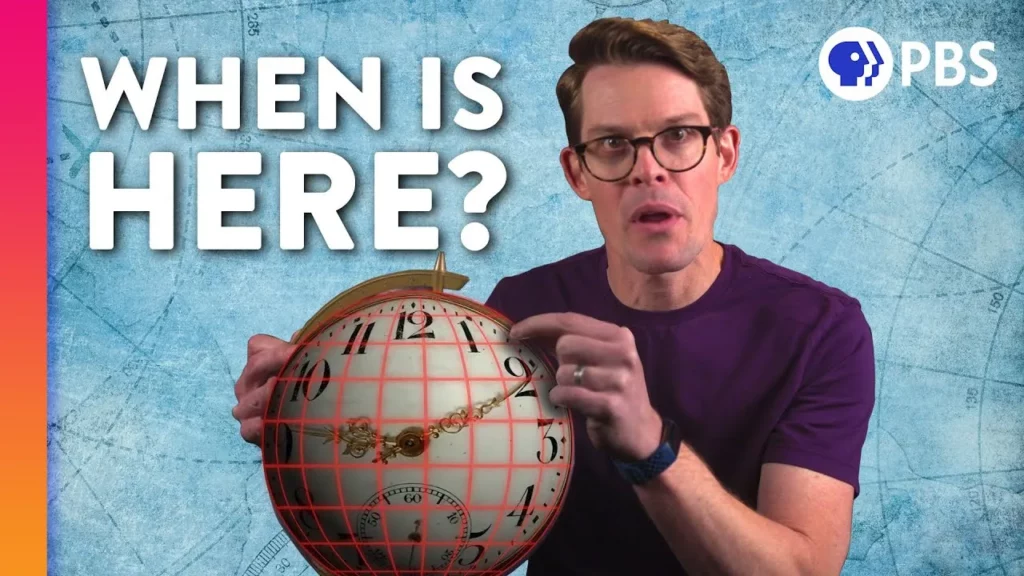
The lesson “The Quest to Know Where We Are” explores humanity’s long journey to accurately determine our location on Earth, highlighting the critical relationship between time and navigation. It details the historical challenges of finding longitude, culminating in the Longitude Prize of 1714, which spurred innovations like John Harrison’s precise marine chronometer. Today, this connection between time and location is foundational to modern navigation systems, such as GPS, illustrating how far we’ve come in our quest to understand our place in the world.
Why Are So Many People Allergic To Food?

This lesson explores the concept of food allergies, explaining how the immune system mistakenly identifies certain foods as threats, leading to various reactions. It highlights the increasing prevalence of food allergies, the distinction between allergies and intolerances, and the ongoing research into their causes and potential prevention strategies. The lesson encourages curiosity about this complex topic and emphasizes the importance of understanding food allergies for those affected.
Why No One Can Agree What’s REALLY the Tallest Mountain
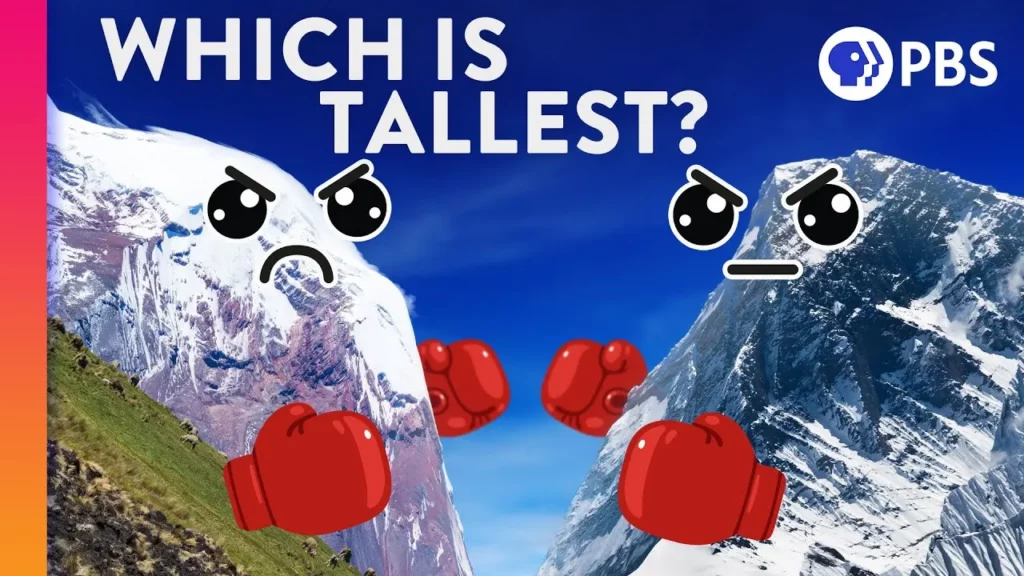
The lesson explores the complexities of measuring mountains, focusing on Mount Everest, which is currently recognized as the tallest mountain at 8,848.86 meters. It highlights how the definition of a mountain, the movement of tectonic plates, and various measuring techniques can alter perceptions of height, with other mountains like Mauna Kea and Mount Chimborazo also presenting compelling claims to height based on different criteria. The lesson emphasizes that measuring mountains involves not just determining their peaks but also understanding their bases and the geological processes that shape them over time.
Why You Can’t Smell Yourself (and Other Ways Your Senses Lie to You)
The lesson on sensory adaptation explains how our senses adjust to constant stimuli, allowing us to focus on important changes in our environment. It highlights that sensory adaptation occurs across all senses—sight, hearing, smell, taste, and touch—enabling us to filter out unnecessary information and better navigate the world around us. By understanding this concept, we can appreciate how our brains and sensory systems work together to enhance our perception of our surroundings.
The Strange Science of Why We Dream
The lesson explores the intriguing world of dreams, highlighting their historical significance, scientific understanding, and potential benefits. It discusses how dreams may serve various functions, such as problem-solving and memory consolidation, while also touching on their evolutionary origins and cultural interpretations. Through examples like the discovery of benzene’s structure and modern research findings, the lesson emphasizes the multifaceted nature of dreaming and its impact on our waking lives.
Why Y Is a Vowel According to Physics (and so is W)
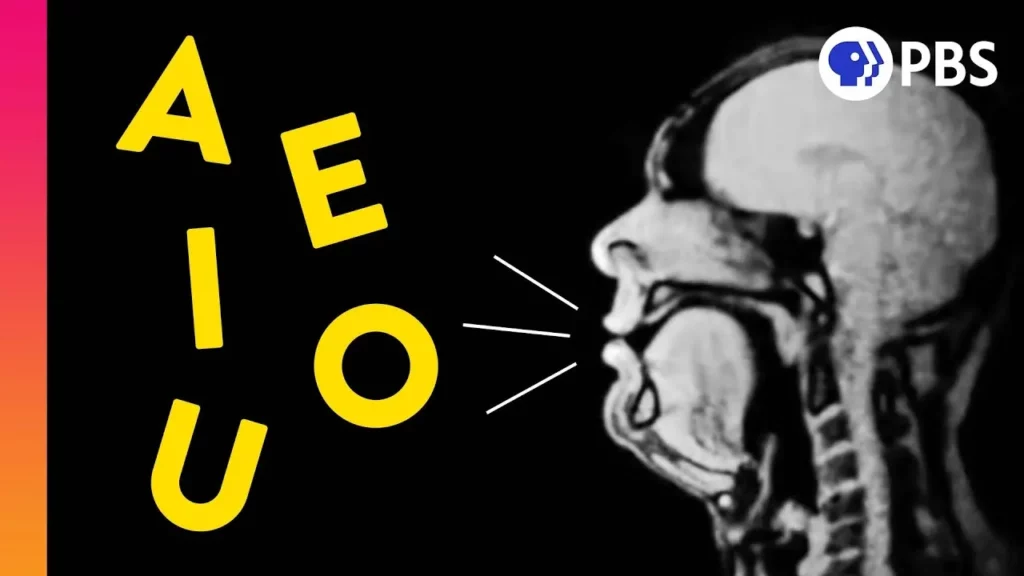
The lesson explores the remarkable complexity of the human voice, emphasizing the critical role of vowels in language. It explains how vowels are produced through the manipulation of the vocal tract and their significance in communication, highlighting the science of resonance and the anatomical aspects involved. Ultimately, it underscores the beauty of physics in shaping human language and the unique ability of humans to convey meaning and emotion through sound.