
Why trees look like rivers and also blood vessels and also lightning…
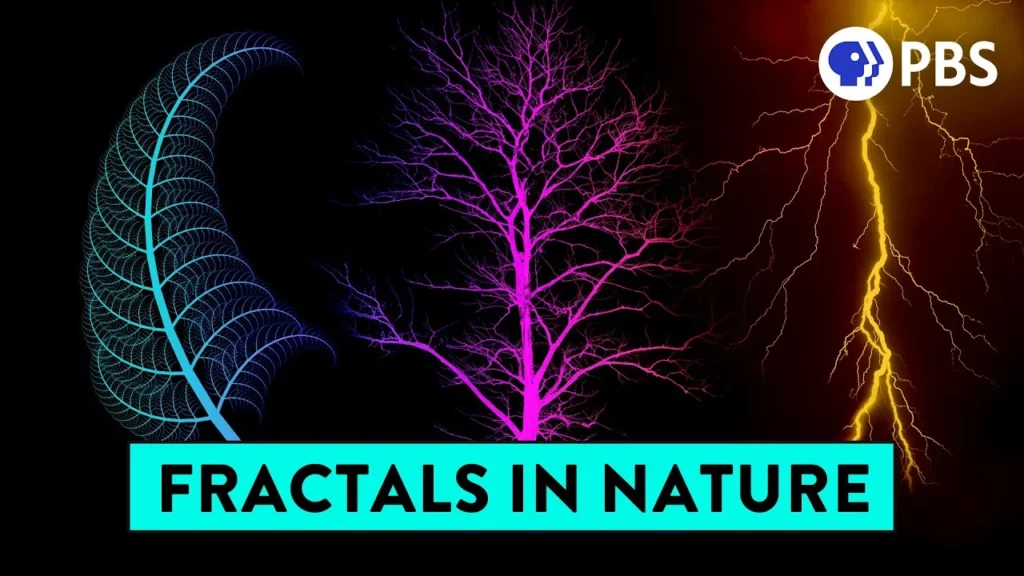
In this lesson, we explore the fascinating concept of fractals, which are self-similar patterns that repeat at different scales, found throughout nature. From trees and blood vessels to rivers and lightning, fractals illustrate how various systems have evolved to maximize efficiency in their respective environments. By recognizing these repeating patterns, we gain a deeper appreciation for the complexity and beauty of the natural world.
The Unbelievable Story of Earth’s Most Epic Flood
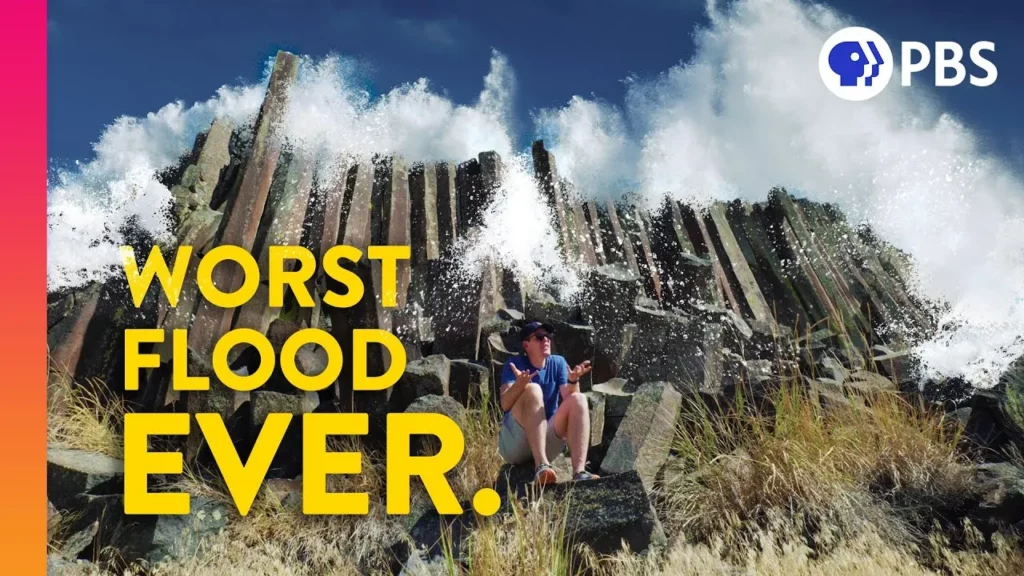
The lesson explores the incredible story of the Missoula Floods, which occurred thousands of years ago when Glacial Lake Missoula’s ice dam broke, unleashing a catastrophic flood that reshaped the landscape of eastern Washington. This event demonstrated the power of rapid geological changes, challenging previous beliefs about the slow processes of erosion and land formation. Additionally, it highlights the importance of understanding Earth’s history and the ongoing impact of human activities on the environment, as exemplified by modern efforts to combat climate change through technologies like those developed by Climeworks.
How Did X Become the Unknown (and so much else)?
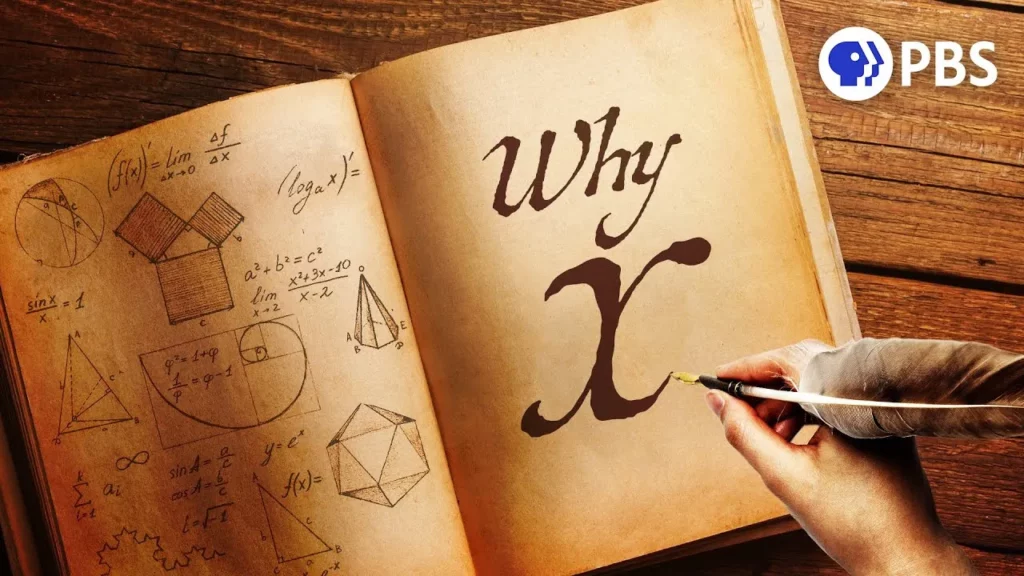
The lesson explores the historical significance and evolution of the letter X, highlighting its journey from ancient civilizations to its modern role as a symbol for the unknown in mathematics. It discusses how X became integral to algebra and problem-solving, tracing its origins from the Phoenicians to its adoption by mathematicians like al-Khwarizmi and René Descartes. Ultimately, the lesson illustrates how X transcends mathematics, symbolizing mystery and exploration in various fields today.
The Sun is NOT the Center of the Solar System
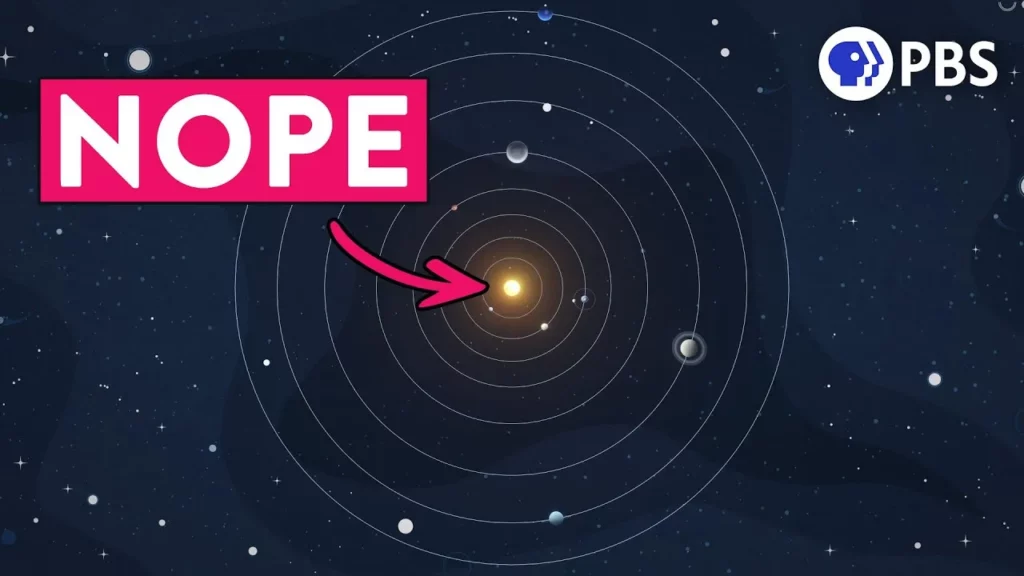
In this lesson, we explored the evolving understanding of our solar system, particularly the concept of the sun’s position relative to other celestial bodies. Initially, the geocentric model placed Earth at the center, but this was challenged by the heliocentric model proposed by Copernicus, which positioned the sun at the center. However, further discoveries revealed that both the sun and Earth orbit a common center of mass, known as the barycenter, which will not align with the sun until 2027, highlighting the dynamic nature of scientific knowledge and exploration.
Humans Are Smart. Why Are Babies So Dumb?

The lesson explores the unique helplessness of human infants compared to other animals, highlighting the concept of the “fourth trimester,” which emphasizes the extended period of dependency that requires significant parental care. It discusses various theories, including the “obstetric dilemma” and the EGG hypothesis, to explain this phenomenon, ultimately suggesting that the interplay of energy constraints, social evolution, and natural selection has shaped human development. The lesson concludes by underscoring the importance of nurturing in fostering intelligence and social skills, which are defining characteristics of our species.
Space is Full of Junk. Here’s How to Clean It Up…
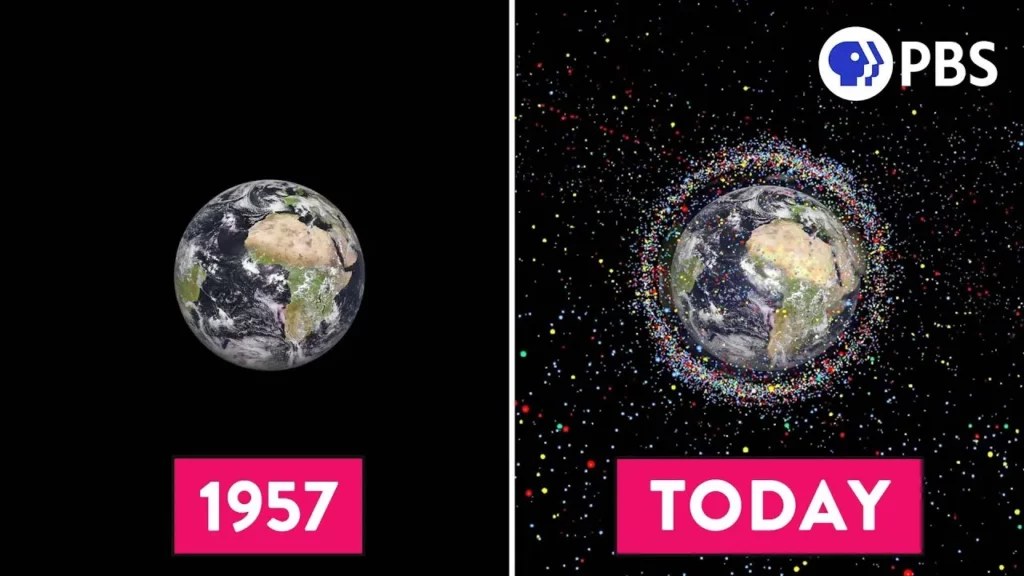
The lesson discusses the significant issue of space junk, highlighted by the 2009 collision of two satellites, which underscored the dangers of debris in Earth’s orbits. It introduces innovative solutions like ClearSpace One, a robotic device designed to capture and remove space debris, while emphasizing the need for responsible practices to prevent further accumulation of junk. Ultimately, the lesson calls for a collaborative effort to maintain a cleaner and safer environment for future space exploration.
This physics trick will blow people’s minds
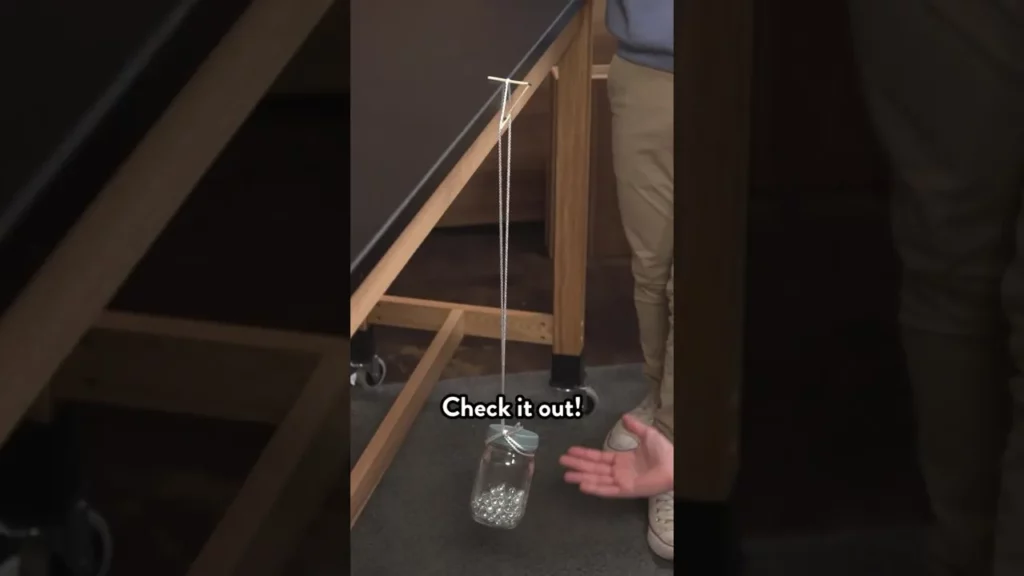
In this lesson, students learn how to balance a jar using just three matches, demonstrating the principles of balance and gravity. By strategically positioning the matches to support each other, they create a stable structure that can hold the jar, illustrating the importance of teamwork in achieving balance. This hands-on activity encourages exploration and experimentation with scientific concepts.
What’s the Largest Living Thing On Earth?
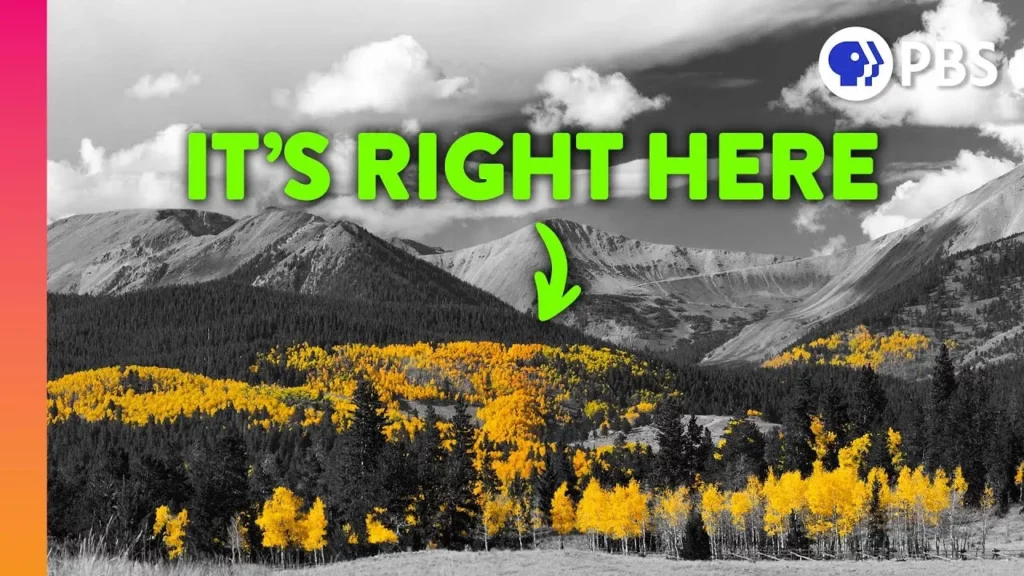
The lesson highlights the remarkable quaking aspens, which are the largest living organisms on Earth due to their extensive underground root systems that connect multiple trees as one giant organism. The famous aspen clone, Pando, exemplifies this phenomenon, covering a vast area and showcasing the resilience of aspens, which can quickly regenerate after disturbances like wildfires. However, these trees face significant challenges from climate change and other threats, making their future uncertain and emphasizing the need for conservation efforts.
How To Go Faster Than Light Speed (Seriously…)
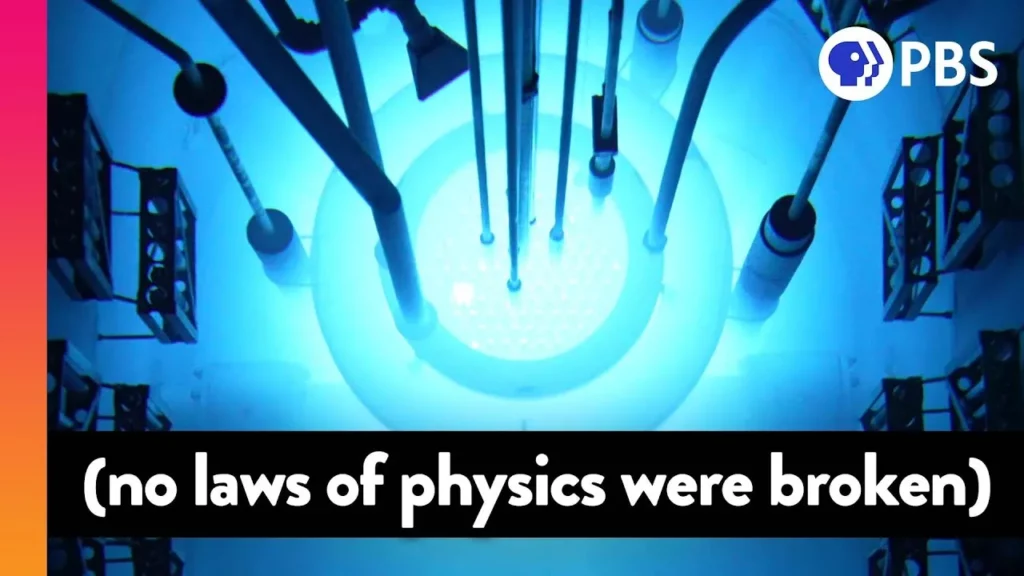
Cherenkov radiation is a captivating phenomenon that occurs when charged particles, such as electrons, travel faster than the speed of light in a medium like water, resulting in a distinctive blue glow. This effect arises from the interaction of light with the medium’s atoms, which slows down light while allowing particles to exceed this reduced speed, creating a shock wave of emitted light. Beyond its visual appeal, Cherenkov radiation has significant applications in detecting high-energy particles, enhancing our understanding of cosmic events and the universe.
4 Ways the Universe Might End (All of Them Are Bad)
In “The End of the Universe: A Cosmic Adventure,” we explore various theories about the ultimate fate of the universe, including the Big Crunch, Big Freeze, Big Rip, vacuum decay, and the possibility of a cyclical universe. Each scenario presents a different outcome for the cosmos, from galaxies colliding to an empty, expanding void, but all are billions of years away, allowing us to continue enjoying the wonders of the universe. The lesson encourages curiosity and exploration of these cosmic phenomena while reassuring us that there is no immediate cause for concern.