
The Surprising Power of Sex in Evolution
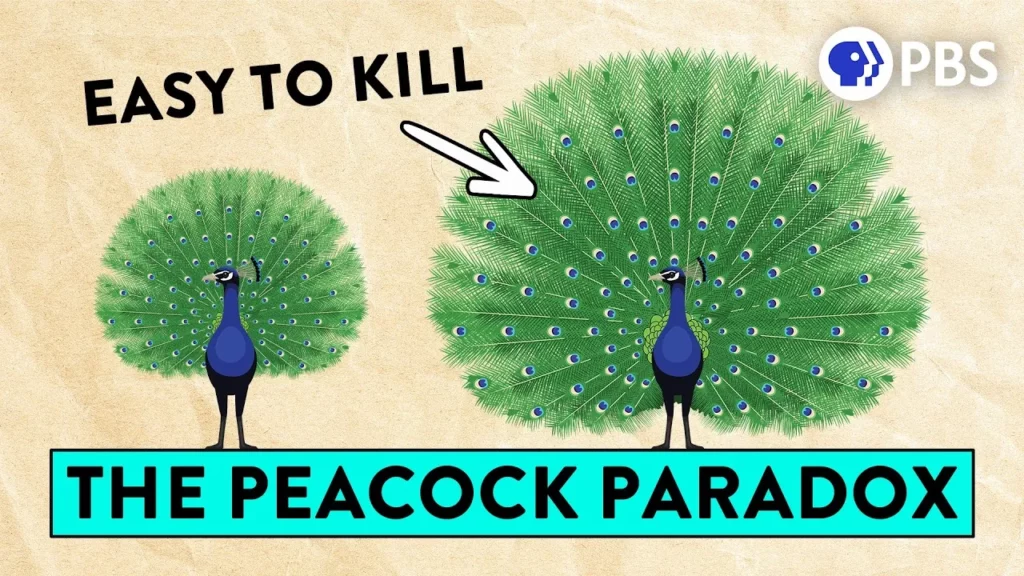
In this lesson, we explore Charles Darwin’s concept of sexual selection, which explains why certain traits, like the peacock’s extravagant tail, evolve not for survival but for reproductive success. Through mechanisms such as mate choice and competition among males, these traits become more common as they attract mates, illustrating the intricate dynamics of evolution beyond natural selection. Ultimately, this understanding highlights the complexity of nature and the various factors influencing the evolution of species.
Why Some of the Rainbow is Missing
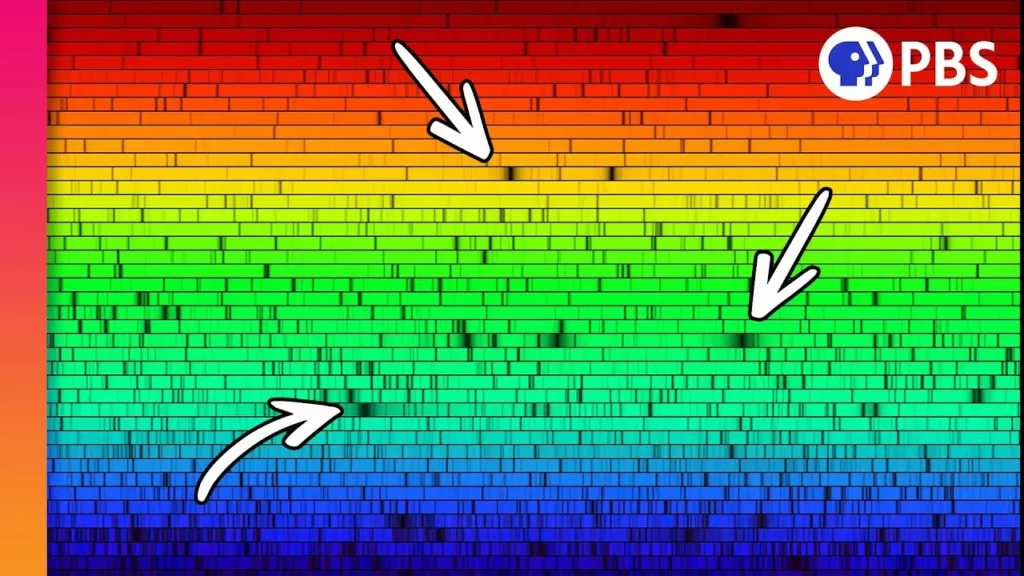
The lesson explores the history and significance of spectroscopy, beginning with Joseph von Fraunhofer’s discovery of dark lines in the sunlight spectrum in the early 1800s. This mystery was later unraveled by Gustav Kirchhoff and Robert Bunsen, who developed the spectroscope to identify unique spectral patterns emitted by different elements, leading to insights about atomic structure and the universe. Today, spectroscopy is a vital tool for astronomers, allowing them to analyze distant celestial bodies and search for signs of life on exoplanets by examining the light that passes through their atmospheres.
Why Don’t Big Animals Get More Cancer?
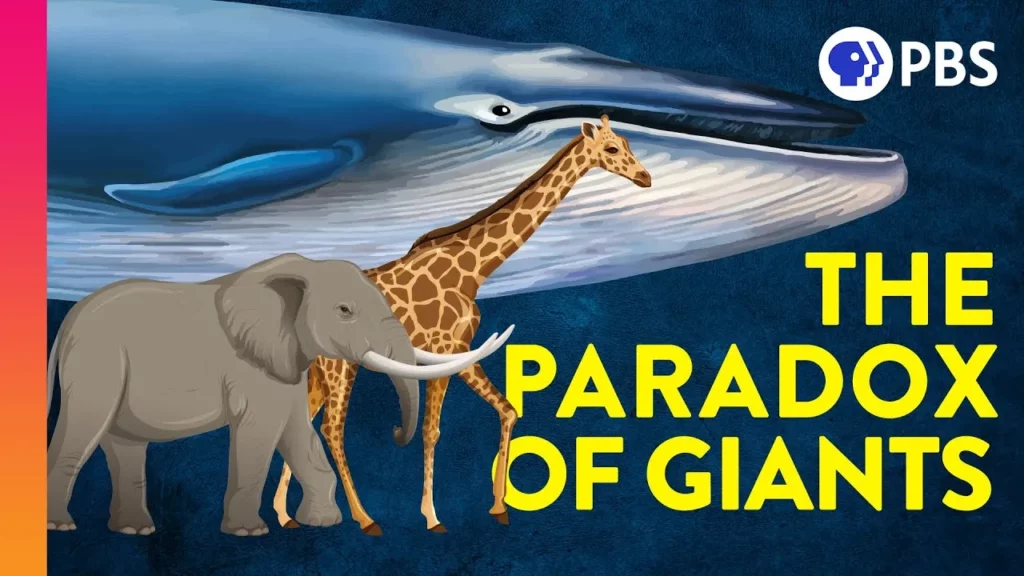
The lesson explores the intricate relationship between cell division, cancer development, and the evolutionary adaptations of different species. It highlights how all animals begin as a single cell and undergo numerous divisions, which can lead to mutations and cancer. Notably, it discusses Peto’s paradox, where larger animals like elephants exhibit lower cancer rates despite having more cells, suggesting that they have evolved better mechanisms for mutation detection and prevention, offering insights for potential cancer treatments in humans.
If We Plant 1 TRILLION Trees Can We Stop Climate Change?
The lesson emphasizes the critical role trees play in combating climate change by capturing carbon dioxide from the atmosphere. While initiatives like planting more trees and protecting existing forests are essential, they alone cannot fully address the issue, as human activities release far more carbon than trees can absorb. A comprehensive approach that includes scientific advancements in photosynthesis and reducing greenhouse gas emissions is necessary to effectively tackle climate change.
How Do We Actually See Color?
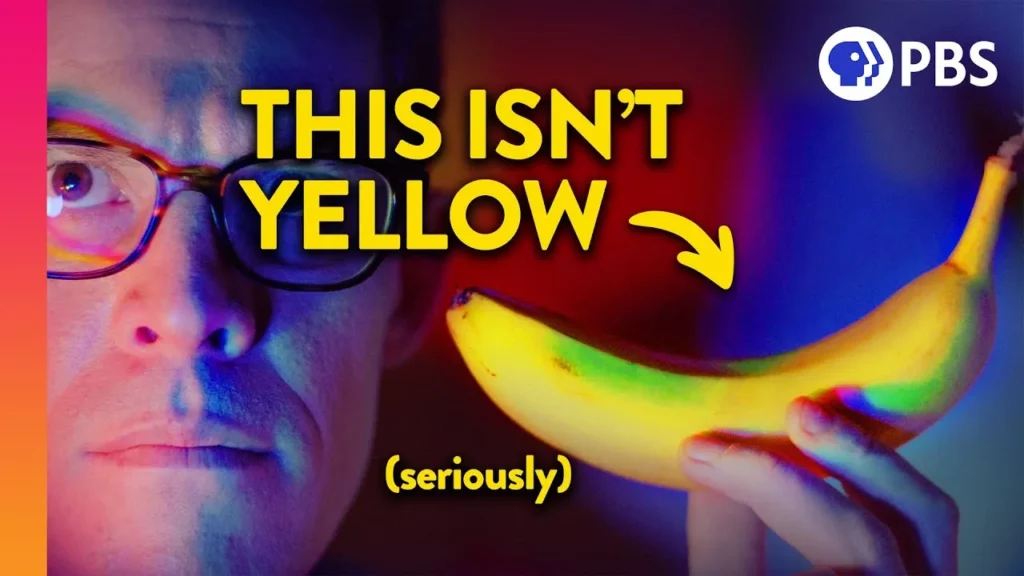
In today’s lesson, we explored how the color of a banana can change depending on the type of light it is exposed to, revealing the fascinating relationship between light and color perception. We learned that our eyes contain three types of cones that allow us to see a wide range of colors by comparing light wavelengths, and that our brain interprets these signals in complex ways, enabling us to perceive millions of colors. Ultimately, the lesson highlighted the intricate processes behind color perception and encouraged curiosity about the world of colors.
Are Humans Still Evolving?
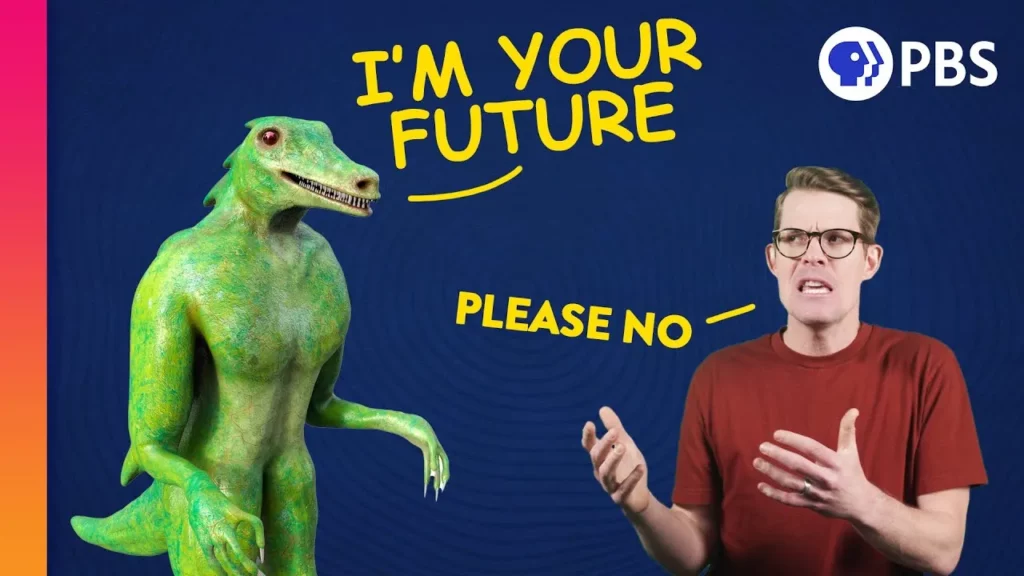
The lesson explores the remarkable breath-holding abilities of the Bajau people, who can dive deep and hold their breath for extended periods due to a genetic adaptation that results in larger spleens, enhancing their oxygen storage. It discusses the broader implications of human evolution, questioning whether natural selection still plays a significant role in modern society, and highlights other evolutionary processes like genetic drift and sexual selection. Ultimately, it emphasizes that evolution is an ongoing process influenced by both natural and human-driven factors.
Why Does Every Animal Look Like This?

The lesson explores the phenomenon of counter shading in animals, where a darker color on top and a lighter color underneath helps them blend into their environments, providing camouflage from predators. Originating from the ideas of artist Abbott Thayer in the early 1900s, this concept has been supported by modern research, revealing its effectiveness in reducing visibility and adapting to various habitats. Additionally, the lesson highlights the ongoing evolution of this trait among species and its connection to both art and science.
The Equinox Isn’t What You Think It Is
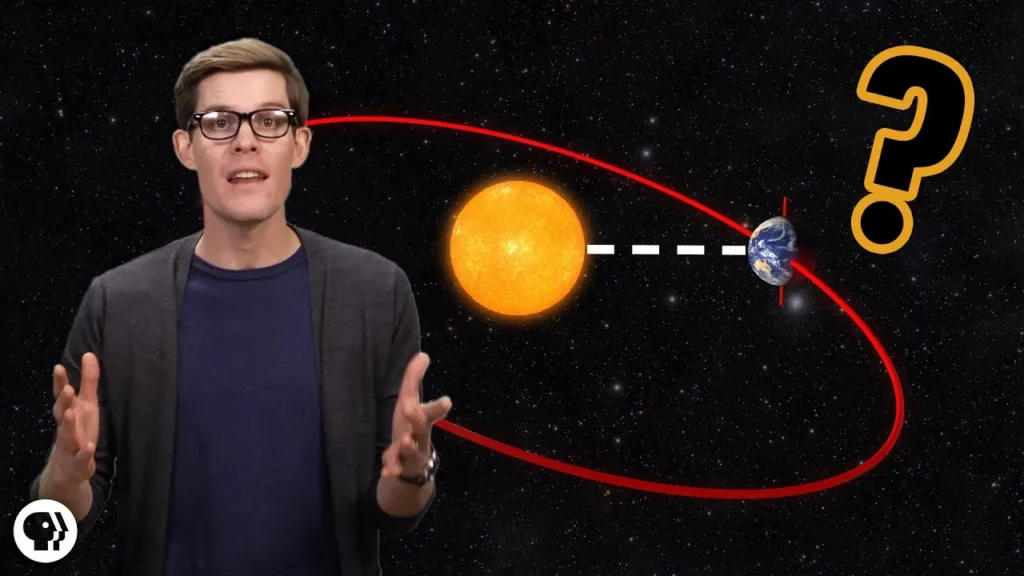
The lesson explains the concept of changing day lengths throughout the year, highlighting the significance of solstices and equinoxes in organizing time. It clarifies that equinoxes represent moments when day and night are nearly equal, but due to atmospheric effects and the sun’s apparent size, daytime is slightly longer. Additionally, it discusses how Earth’s elliptical orbit affects the distribution of daylight, leading to variations in day lengths around the equinoxes and solstices.
Is There Life on Earth?
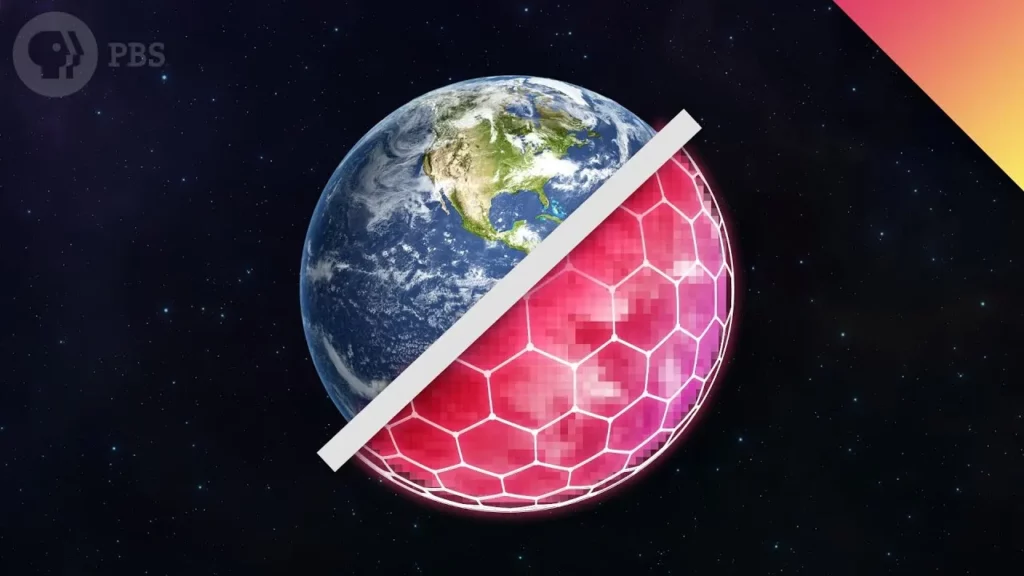
The lesson explores the search for extraterrestrial life by examining exoplanets and the conditions necessary for life to exist. It discusses the methods scientists use to identify potential biosignatures, such as the presence of specific chemicals in a planet’s atmosphere, and highlights the challenges of detecting these signs from great distances. Ultimately, the lesson emphasizes the importance of curiosity and continued exploration in understanding the possibility of life beyond Earth.
What If We Could See Nature In Infrared?
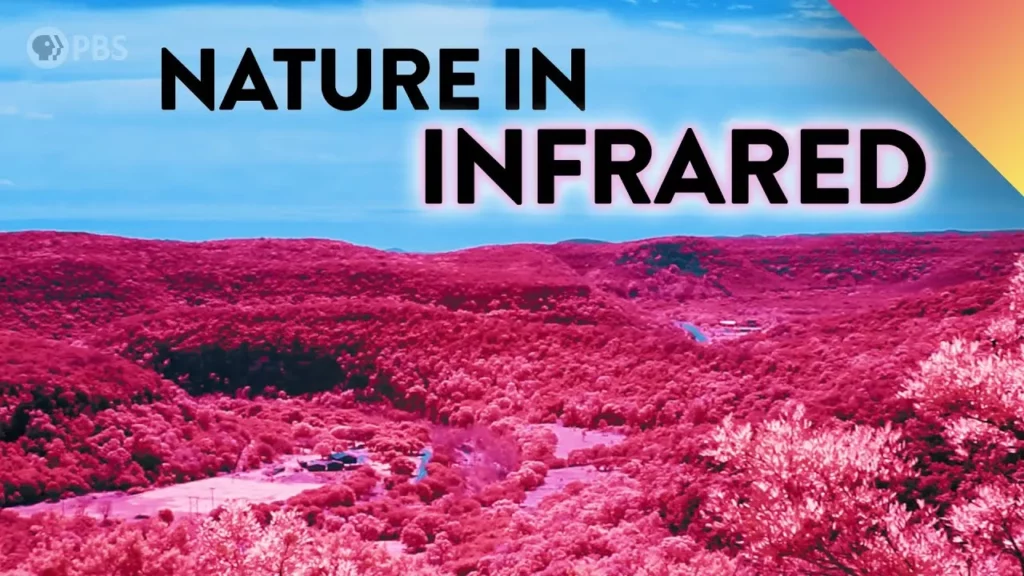
The lesson “Discovering the Hidden Colors of Trees” explores the unseen spectrum of colors in plants, revealed through near-infrared technology, which enhances our understanding of photosynthesis and plant evolution. It discusses the implications of these findings for the search for extraterrestrial life, highlighting how different planetary environments could lead to diverse plant colors. Additionally, the lesson emphasizes the importance of trees for Earth’s ecosystem and the urgent need for conservation efforts in light of significant deforestation.