
The TRUE Story of Ben Franklin & His Kite
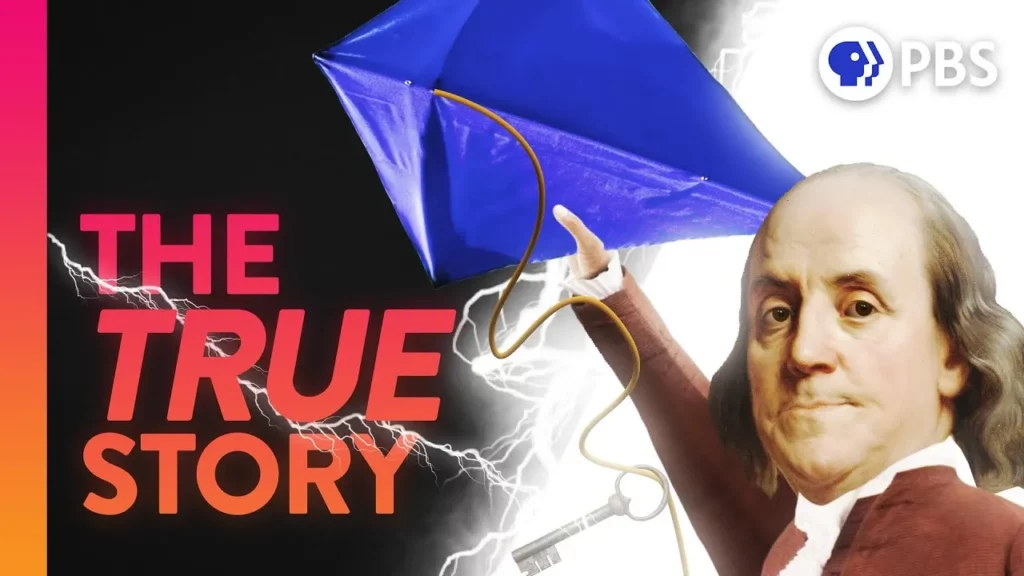
The lesson explores the fascinating story of Benjamin Franklin’s kite experiment, which demonstrated that lightning is a form of electricity. Through this experiment, Franklin contributed significantly to the understanding of natural laws and laid the groundwork for future scientific inquiry, ultimately impacting both science and American history. His legacy encourages curiosity and exploration in the pursuit of knowledge.
The Evolutionary Purpose of Fun

The lesson “The Science of Fun and Play” explores the concept of fun and its significance in both humans and animals, highlighting how play is a natural behavior that fosters skill development and learning. It explains the role of dopamine in creating enjoyable experiences and motivating repeated actions, while also emphasizing that play is essential for adaptation and creativity. Ultimately, the lesson underscores the importance of fun in our lives, not just for enjoyment but as a crucial element of growth and development.
The History of Money (From Barter To Bitcoin)

The lesson explores the evolution of money, tracing its journey from the barter system in ancient Mesopotamia to modern digital transactions. It highlights key developments, including the introduction of commodity money, representative money, and the rise of digital currencies like cryptocurrencies, emphasizing the significant role technology has played in making transactions faster, more secure, and convenient. Ultimately, it encourages curiosity about the complex history and future of money.
The Strange Evolutionary Story of the Thylacine
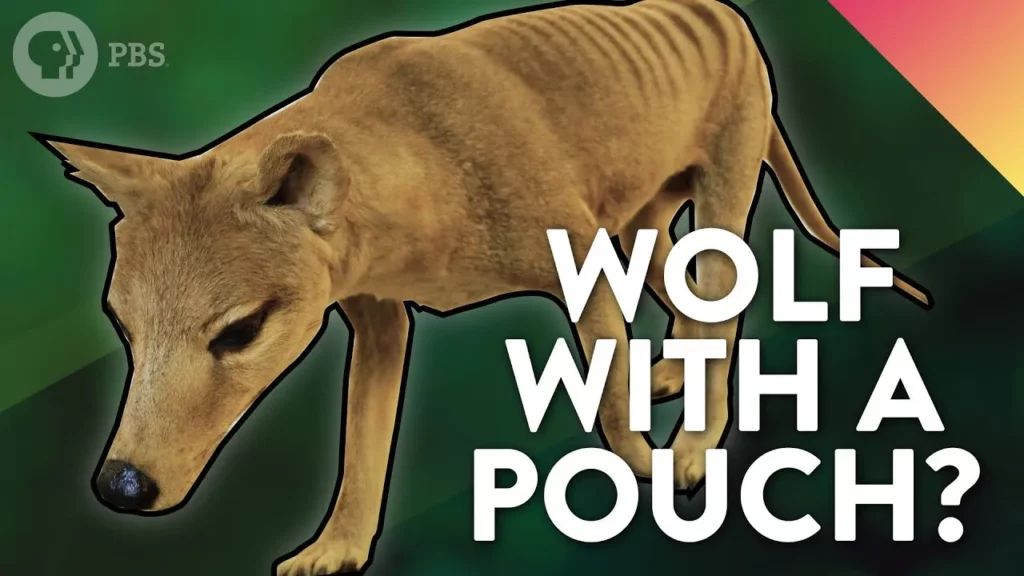
The lesson explores the fascinating story of the Tasmanian Wolf, or Thylacine, a unique marsupial that resembled a dog but was more closely related to kangaroos. It highlights the concept of convergent evolution, where unrelated species develop similar traits due to similar environmental pressures, and distinguishes between homologous and analogous traits. Ultimately, the lesson encourages curiosity about the diversity and adaptability of life on Earth.
Could You Be a Chimera?
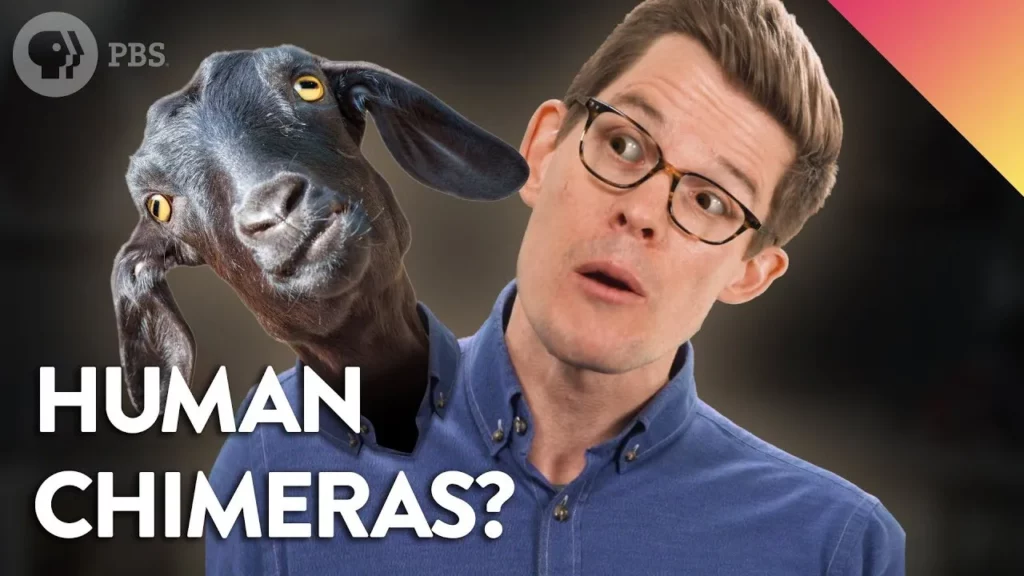
The lesson explores the intriguing phenomenon of human chimeras, individuals composed of cells from two or more distinct people, exemplified by a case from 1960 involving a girl with mixed genetic traits. It also distinguishes between chimerism and mosaicism, highlighting that while chimeras arise from the fusion of embryos, mosaics result from mutations within a single individual. Additionally, the lesson emphasizes that all humans are mosaics to some extent, as our bodies continuously undergo cellular changes, making each person uniquely different.
There Was No First Human
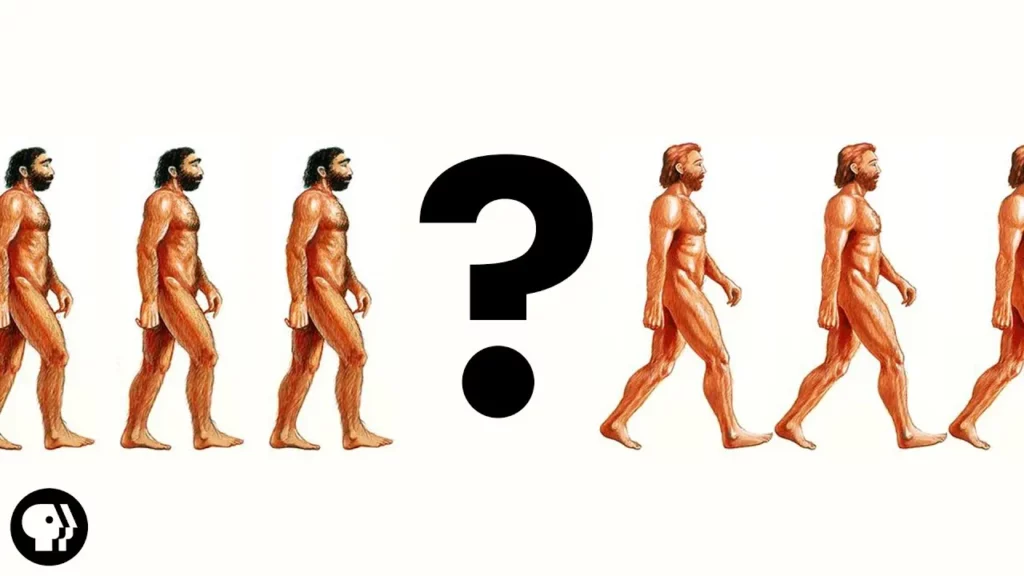
In the lesson “Discovering Our Ancient Ancestors,” students embark on a fascinating journey through time to explore the evolutionary history of humans, tracing back to our distant ancestors, including fish and prehistoric creatures. The lesson emphasizes that evolution is a gradual process, likened to a movie with many frames, where each generation resembles its predecessors, highlighting the importance of curiosity and exploration in understanding our origins. Inspired by Richard Dawkins’ “The Magic of Reality,” the lesson encourages students to appreciate the complexity and wonder of life’s evolutionary journey.
Why Is Blue So Rare In Nature?
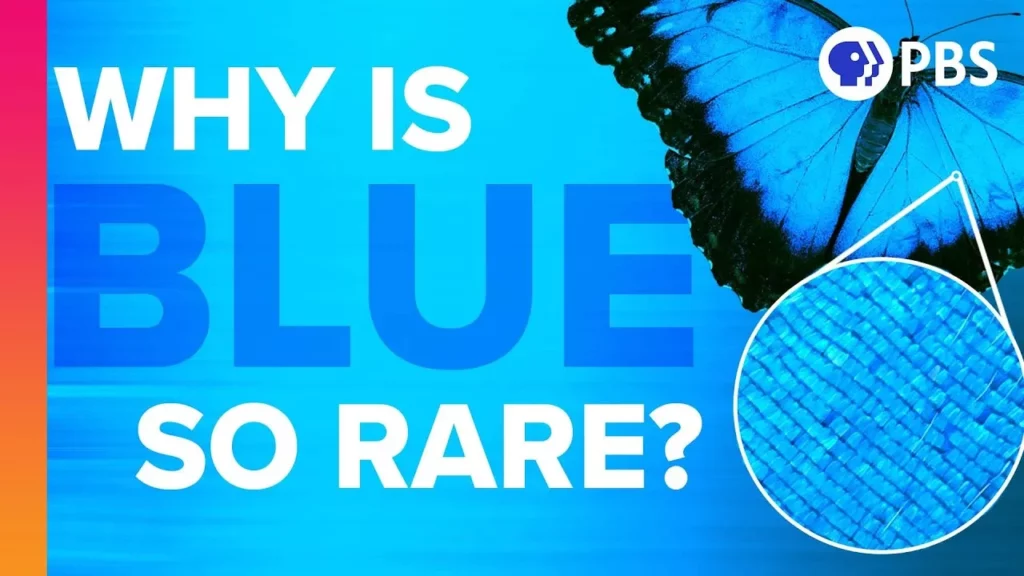
The lesson explores the rarity of blue animals in nature, explaining that while many creatures exhibit vibrant colors, blue is often produced not by pigments but by microscopic structures that reflect light in specific ways. This unique phenomenon is a result of evolutionary adaptations, as most animals lack the ability to create blue pigments, leading to the conclusion that blue coloration is a fascinating interplay of physics and biology. The lesson highlights the beauty and complexity of blue in the animal kingdom, encouraging curiosity about the natural world.
The INCREDIBLE Ancient Engineering That Built the Pyramids
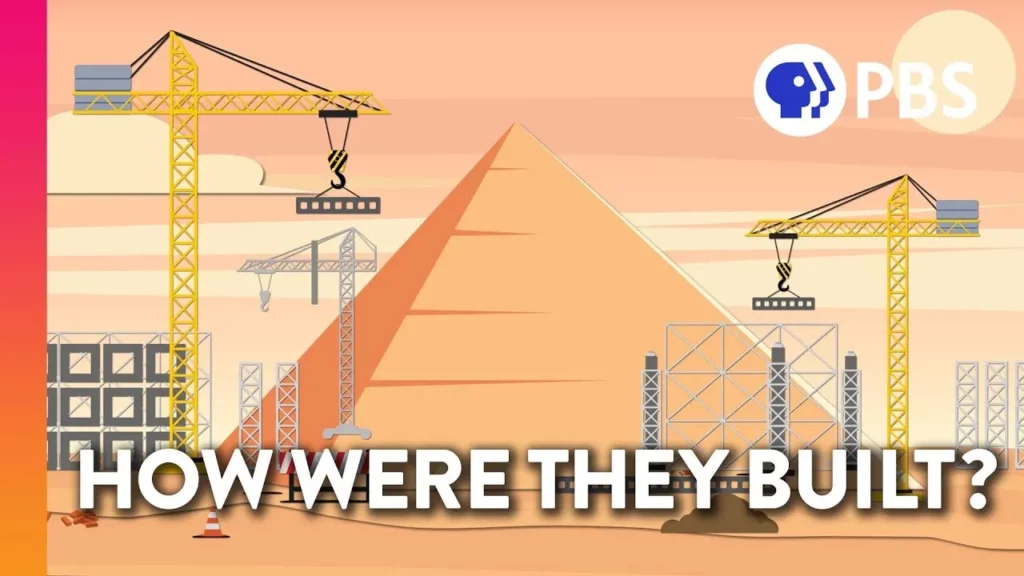
The lesson explores the engineering marvel of the Great Pyramid of Giza, highlighting how it was constructed using scientific methods rather than alien technology. It details the precise techniques used by the ancient Egyptians to find North, quarry limestone, transport massive stone blocks, and build ramps for construction, all while debunking the myth that slaves built the pyramids, emphasizing the skilled labor of proud workers. The lesson encourages curiosity and appreciation for the ingenuity behind this iconic structure.
Guess the animal poop! Serengeti edition ????

In the lesson “Whose Poop Is This?”, participants engage in a fun and educational game that explores the unique characteristics of animal droppings. Through three rounds, players learn about the distinct types of poop from various animals, such as the compact and dry droppings of giraffes, the calcium-rich white poop of hyenas, and the dung beetle-filled feces of bat-eared foxes, all while discovering fascinating facts about these creatures. The lesson encourages curiosity and appreciation for the natural world.
How An Igloo Keeps You Warm
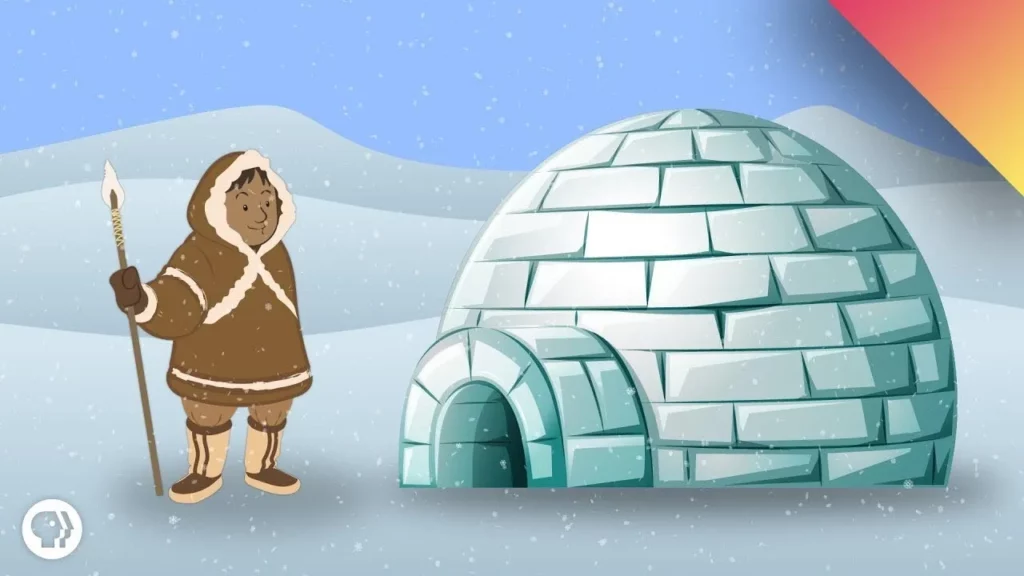
The lesson explores how snow, despite being cold, can serve as an effective insulator and shelter, particularly in the construction of igloos by the Inuit people. It explains the physics of heat transfer and the importance of tightly packed snow in maintaining warmth, highlighting the unique adaptations of both animals and plants that utilize snow for insulation. Overall, the lesson emphasizes the surprising role of snow in keeping living beings warm in extremely cold environments.