
How Your Memory Works
The lesson “Understanding Memory: A Journey Through the Brain” explores the intricate nature of memory, likening the brain to an attic where memories are stored and emphasizing that memories are not confined to a single location but are formed through the coordinated firing of neurons across various brain regions. It highlights the essential role of the hippocampus in forming new memories, the importance of forgetting for emotional balance and cognitive efficiency, and the idea that true learning involves connecting concepts rather than merely retaining information. Ultimately, the lesson suggests that while perfect memory may seem ideal, the ability to adapt and update our mental models is crucial for effective learning and understanding.
Where Do Teeth Come From?
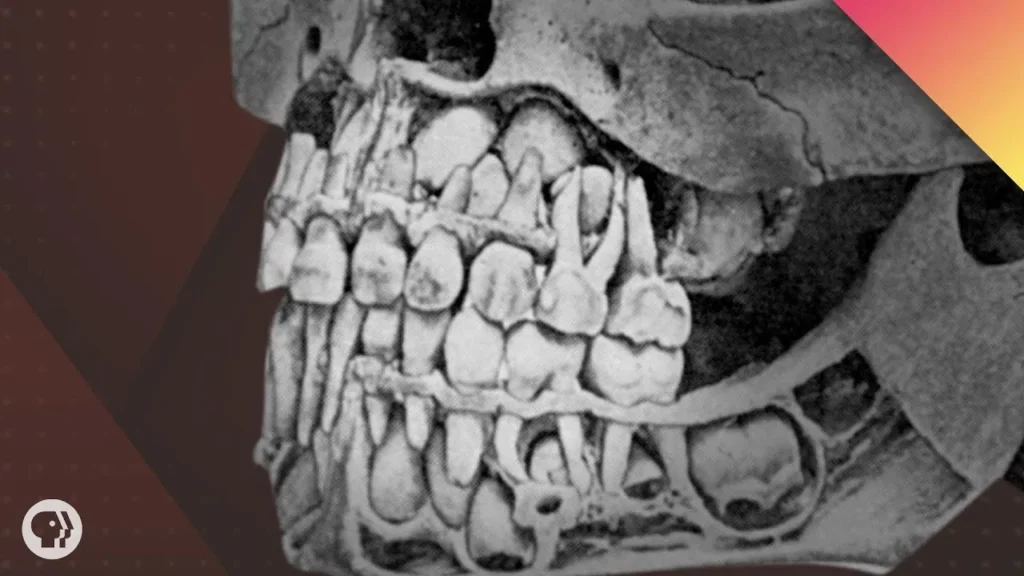
In the lesson “Discovering the Secrets of Teeth,” students learn about the fascinating development of teeth, beginning from the early stages of embryonic growth when specialized stem cells start forming the foundational structures. The lesson explores the intricate processes of tooth formation, including the roles of odontoblasts and ameloblasts in creating dentin and enamel, and takes a historical journey through various ancient teeth, highlighting their similarities and differences with modern human teeth. Ultimately, it emphasizes the uniqueness of human dental development and the ongoing scientific inquiry into tooth regeneration.
Why Is Our Skeleton On the Inside?
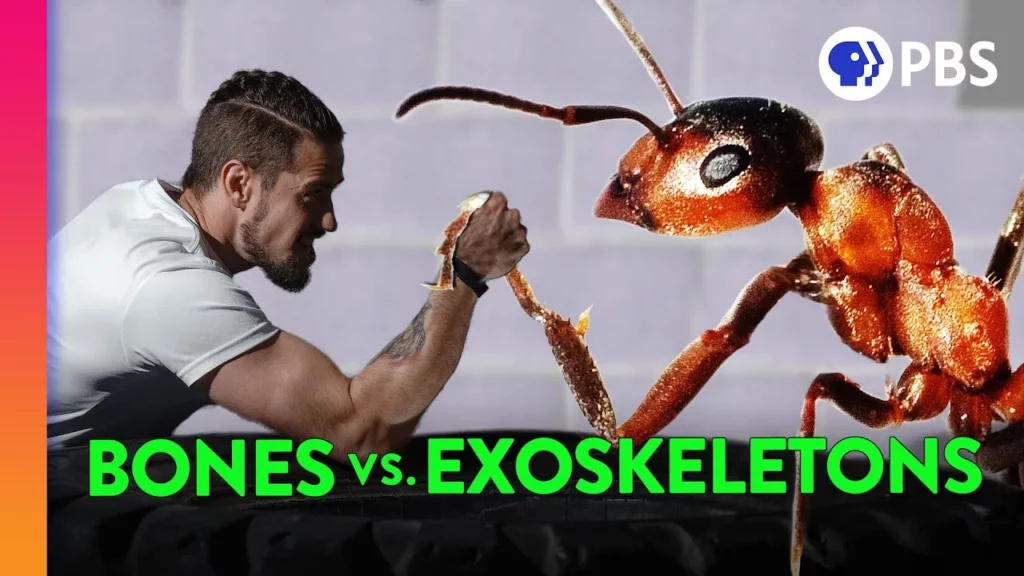
The lesson explores the incredible strength of nature’s creatures, highlighting the remarkable lifting abilities of small insects like leafcutter ants and dung beetles compared to humans. It delves into the evolution and composition of internal skeletons, explaining why humans have bones that provide both structure and flexibility, as well as the advantages and limitations of exoskeletons in other organisms. Ultimately, the lesson encourages curiosity about the diverse adaptations in the animal kingdom and the evolutionary processes that shaped them.
Probably the worst idea in the history of the space age

The lesson discusses the unintended creation of a metal ring around Earth during the Cold War, specifically through Project West Ford, where the U.S. Air Force launched tiny copper wires to enhance communication. This experiment sparked controversy over space pollution and marked the beginning of concerns about space debris, which includes various remnants of human activity in space. The legacy of Project West Ford highlights the need for responsible exploration and management of space to ensure its safety for future missions.
The ridiculous reason February only has 28 days…
February is shorter than other months due to the evolution of the Roman calendar, which originally had only ten months and was later modified by King Numa and Julius Caesar. Numa added two months and adjusted the days, but it was Julius Caesar who ultimately moved January and February to the start of the year and established February with 28 days to create a 365-day calendar. This historical progression explains why February is unique, and it even gains an extra day during leap years to align with the Earth’s orbit.
How Some Words Get Forgetted
In this lesson, we explored the complexities of the English language, focusing on the intriguing nature of irregular verbs and their historical origins. We learned that while most verbs follow a regular pattern in forming the past tense, irregular verbs are remnants of ancient linguistic practices, showcasing the evolution of language over time. Additionally, we discussed Zipf’s Law, which highlights the frequency of word usage, and how modern technology allows us to analyze language trends, encouraging ongoing curiosity about the world of words.
Why Nature Loves Hexagons
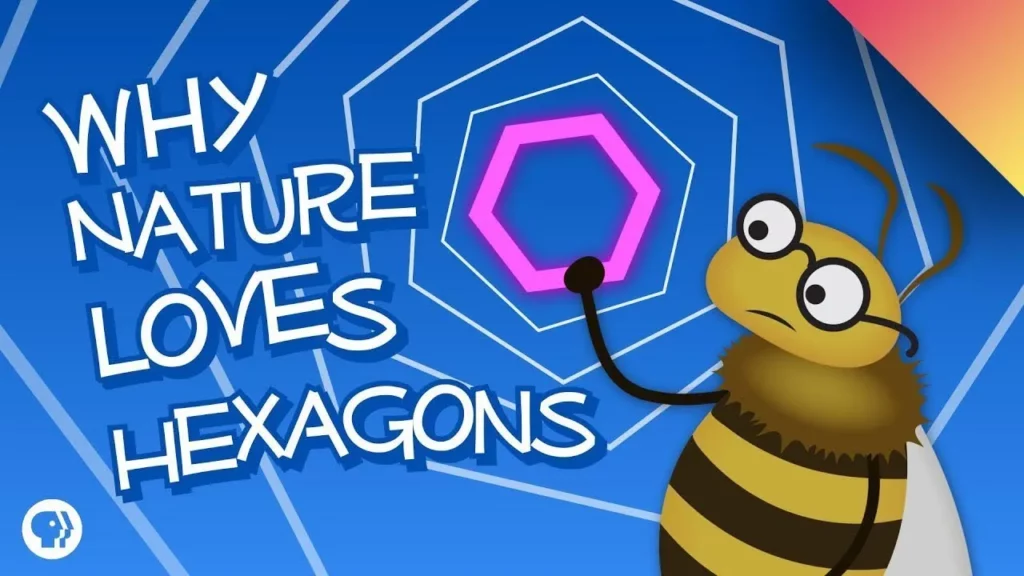
The lesson “Is Nature a Mathematician?” explores the intriguing relationship between mathematics and natural patterns, particularly focusing on the prevalence of hexagons in nature. Through the example of bubbles, the lesson illustrates how shapes like spheres and hexagons emerge from principles of stability and efficiency, demonstrating that nature often adheres to mathematical rules to create optimal structures. Ultimately, it encourages curiosity about the mathematical principles underlying the natural world and invites further exploration into dimensions beyond our own.
Why Geckos Are Sticky Without Being Sticky
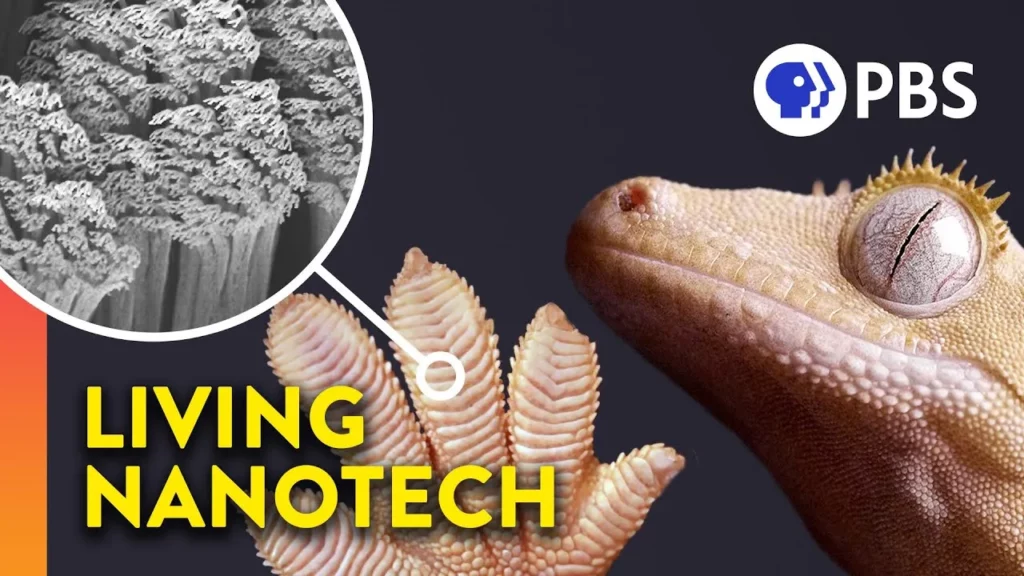
In this lesson, we explored the remarkable abilities of geckos, particularly their unique foot structure that allows them to stick to various surfaces effortlessly. By examining the science behind their adhesion, including the role of tiny hairs called setae and van der Waals forces, we learned how geckos can grip and release surfaces with ease. This fascinating biology has inspired innovations in technology, such as gecko-inspired tape, showcasing the connection between nature and human ingenuity.
Why Salt & Pepper Ended Up On Every Table

The lesson “The Story of Salt and Pepper: A Flavorful Journey” explores the historical significance and culinary importance of salt and pepper, two essential seasonings found on nearly every dining table. Salt, a vital mineral for life, has been used since ancient times for flavoring and preserving food, while black pepper, originating from Southeast Asia, played a crucial role in the spice trade and influenced European cuisine. The lesson encourages an appreciation for these staples while inviting exploration of the diverse flavors offered by other spices.
Why Getting Dizzy is Kinda Like Temporary Brain Damage
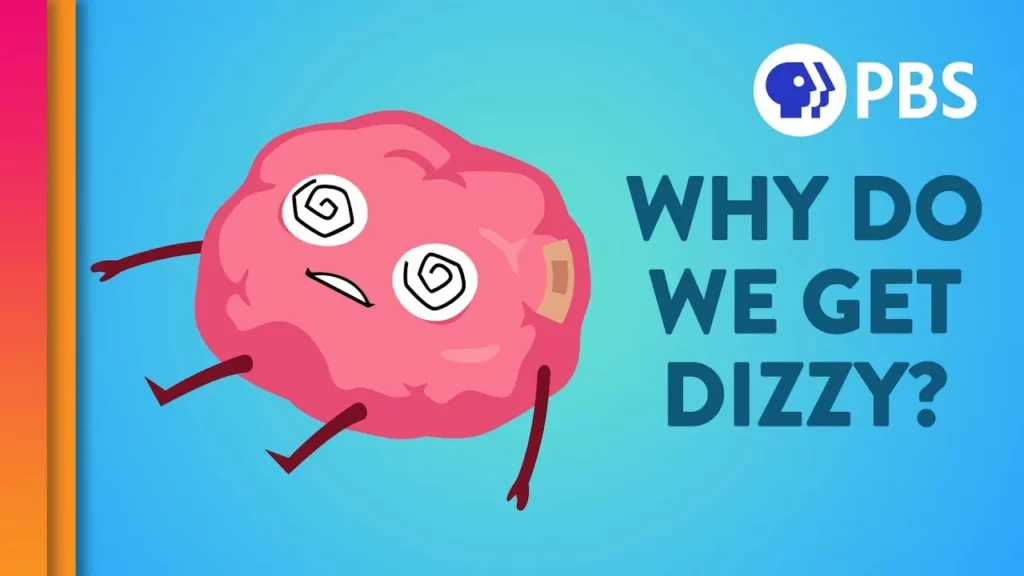
The lesson explores the science behind dizziness, particularly focusing on the vestibular sense located in our inner ears, which helps us detect movement and maintain balance. Through a fun spinning experiment, students learn how the semicircular canals and otoliths in the inner ear work together to send signals to the brain about motion, and why we experience dizziness when we stop spinning. The lesson encourages curiosity about our body’s functions and highlights how some individuals, like figure skaters and pilots, can adapt to spinning without feeling dizzy.