
The Science of Marathon Running

The lesson explores the origins and significance of marathons, tracing back to the legendary run of Pheidippides in 490 BC, and highlights how human evolution has uniquely equipped us for long-distance running. It delves into the physiological and psychological aspects of marathon running, emphasizing the importance of energy management and mental resilience in overcoming the challenges of such an endurance event. Ultimately, it celebrates the remarkable capabilities of the human body and spirit in the context of marathon running.
Who Invented the Metric System (and Why It Isn’t As Perfect as You Think)
The lesson “The Story of the Meter: A Journey Through History” explores the origins and evolution of the meter as a unit of measurement, highlighting its establishment during the French Revolution to create a universal standard. Initially defined as one ten-millionth of the distance from the North Pole to the equator, the meter has undergone several revisions, ultimately being redefined in modern times based on the speed of light. This journey illustrates the importance of a consistent measurement system in facilitating trade and scientific progress, showcasing human ingenuity and the quest for accuracy.
The Cosmic Afterglow
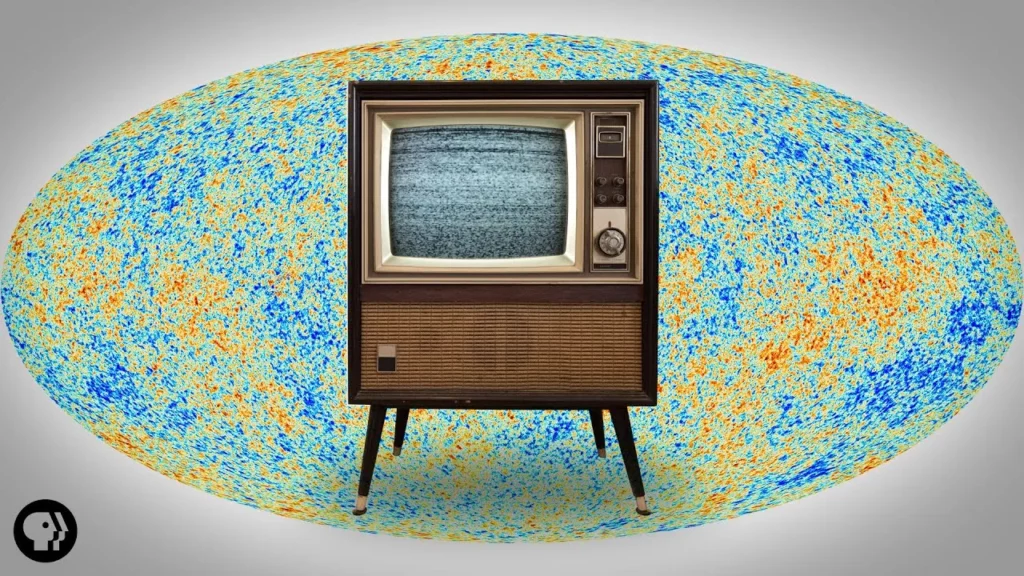
The lesson explores the cosmic microwave background (CMB), a remnant radiation from the early universe that provides a glimpse into its formation and evolution after the Big Bang. Discovered accidentally in 1964, the CMB represents the first light that traveled freely through space, revealing crucial information about the universe’s structure and the formation of stars and galaxies. By studying these ancient photons, scientists gain valuable insights into the cosmos and its history, reminding us of the profound journey from the universe’s inception to the present day.
Why You See Faces in Things

In today’s lesson, we explored the phenomenon of facial pareidolia, which is the tendency to see faces in inanimate objects, and how this ability is rooted in our brain’s evolutionary development for recognizing faces. We learned that this skill begins at a very young age and plays a crucial role in social interactions and communication, as well as influencing consumer behavior. Understanding this aspect of human perception can also aid in addressing conditions like prosopagnosia and enhance our comprehension of various neurological disorders.
Glass is Solid… So Why Is It Clear?
The lesson explores the concept of transparency by examining how light interacts with atoms. It explains that while atoms are mostly empty space, their electrons require specific energy levels to absorb light, which determines whether a material is transparent or opaque. The lesson also touches on the reasons we can’t pass through solid objects, highlighting the electrostatic repulsion between electron clouds as a key factor in our tactile experiences.
Why Hurricanes Are Earth’s Most Powerful Storms

The lesson explores the historical significance of typhoons, known as “kamikaze,” that protected Japan from Mongol invasions, and connects this to modern understanding of hurricanes, which are powerful storms formed by heat and wind. It explains the mechanics of hurricane formation, including the Coriolis effect and the role of warm ocean water, while also discussing their categorization and the potential impact of climate change on their intensity. The lesson encourages curiosity about weather phenomena, drawing parallels between Earth’s hurricanes and Jupiter’s Great Red Spot.
Amazing Facts About Whales!
In this lesson, students explore the fascinating world of whales, learning about their classification as cetaceans, their unique adaptations for life in the ocean, and their roles in the marine ecosystem. Key topics include the evolution of whales from land animals, their communication methods such as echolocation and songs, their diverse diets, and the ecological impact of whale falls. The lesson emphasizes the importance of these remarkable mammals and encourages curiosity about ocean life.
A Brief History Of (Keeping) Time
The lesson “The Fascinating Journey of Timekeeping” explores the evolution of timekeeping methods from ancient practices, such as using the sun and cannons, to modern electronic and atomic clocks. It highlights how societies transitioned from natural cycles to precise measurements, leading to the establishment of standardized time zones and the development of advanced technologies that allow us to measure time with incredible accuracy today. Ultimately, it emphasizes the collaborative effort over thousands of years that has shaped our understanding and measurement of time.
Fact vs. Theory vs. Hypothesis vs. Law… EXPLAINED!
The lesson “Understanding Science: The Power of Theories and Facts” emphasizes the importance of scientific terminology, such as facts, hypotheses, theories, and laws, in helping us comprehend the universe. It explains how hypotheses are tested to form theories, which provide explanations and predictions, while laws describe observable phenomena. Ultimately, the lesson encourages curiosity and the continuous pursuit of knowledge, highlighting that science evolves as new information is discovered.
Why Are We The Only Humans Left?
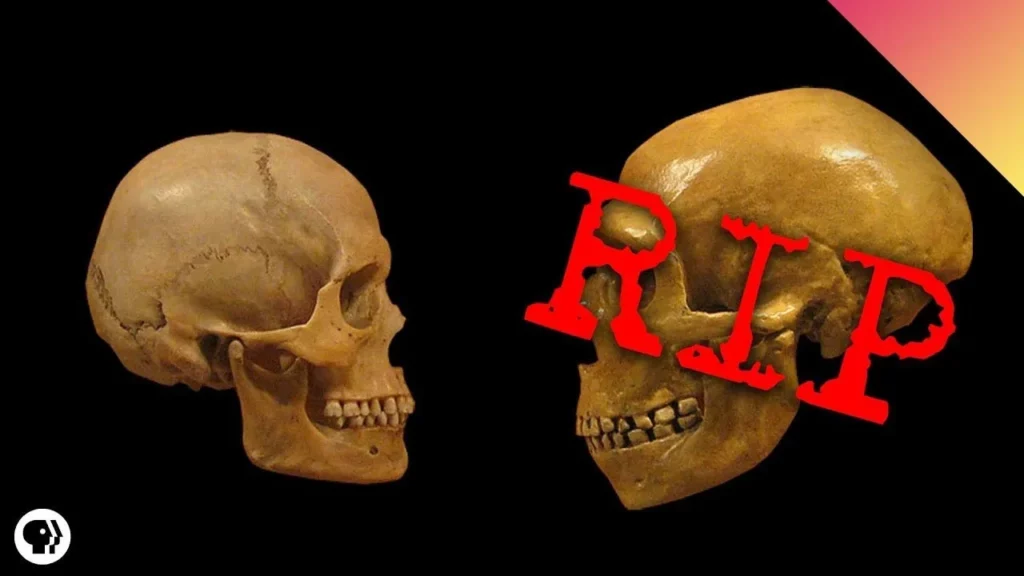
The lesson explores the complex relationship between Neanderthals and modern humans, highlighting that Neanderthals were not the primitive beings once thought, but rather intelligent and social creatures with distinct physical traits and cultural practices. Despite their eventual disappearance around 40,000 years ago, Neanderthals left a genetic legacy in modern humans, with 1 to 4 percent of DNA in people outside sub-Saharan Africa tracing back to them, illustrating our shared history and connection. The lesson encourages curiosity about our origins and the intricate web of human evolution.