
Why Does Everyone Hate Pigeons?
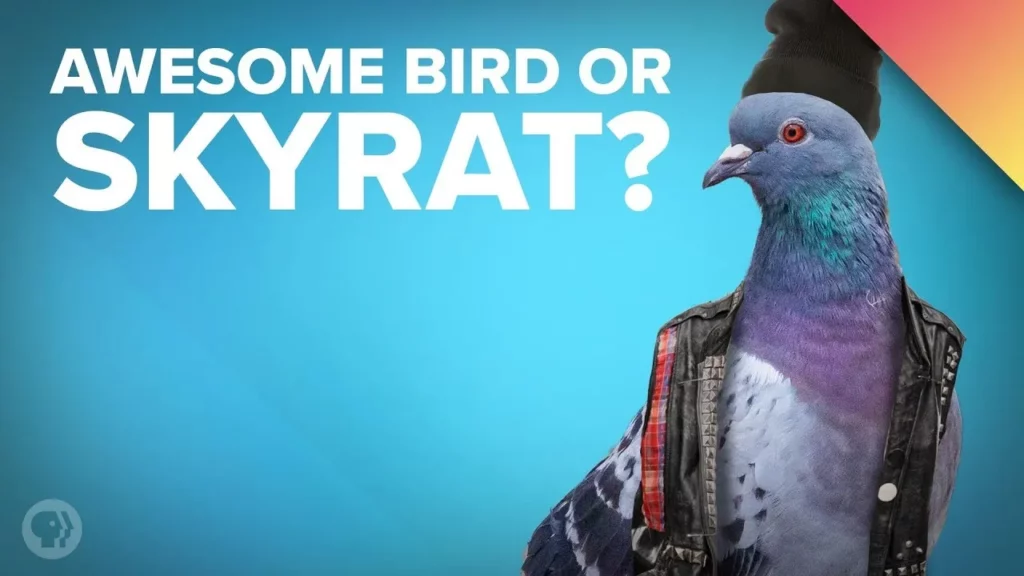
The lesson explores the fascinating world of pigeons, highlighting their significance in evolution, particularly in Charles Darwin’s theories, and their adaptability to urban environments. It also emphasizes their surprising intelligence, including their ability to recognize images and navigate complex tasks, as well as their historical roles as messengers. Ultimately, the lesson encourages appreciation for these often-overlooked birds and the wildlife that surrounds us.
The Strange and Unexpected Reason Ice is Slippery
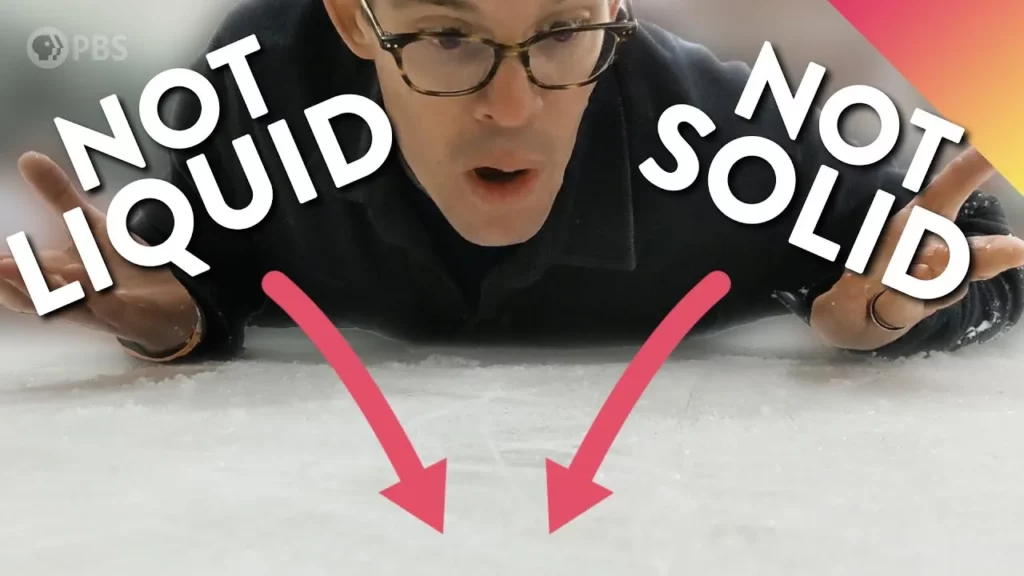
In this lesson, we explored the intriguing question of why ice is slippery, uncovering that the phenomenon is primarily due to a “quasi-liquid layer” on the surface of the ice, where water molecules are less tightly bonded and can move freely. While traditional explanations involving pressure and friction provide some insight, they do not fully account for the slipperiness experienced even when standing still. The lesson emphasizes the ongoing nature of scientific discovery, encouraging curiosity and exploration in understanding everyday phenomena.
Where Did Humans Come From?
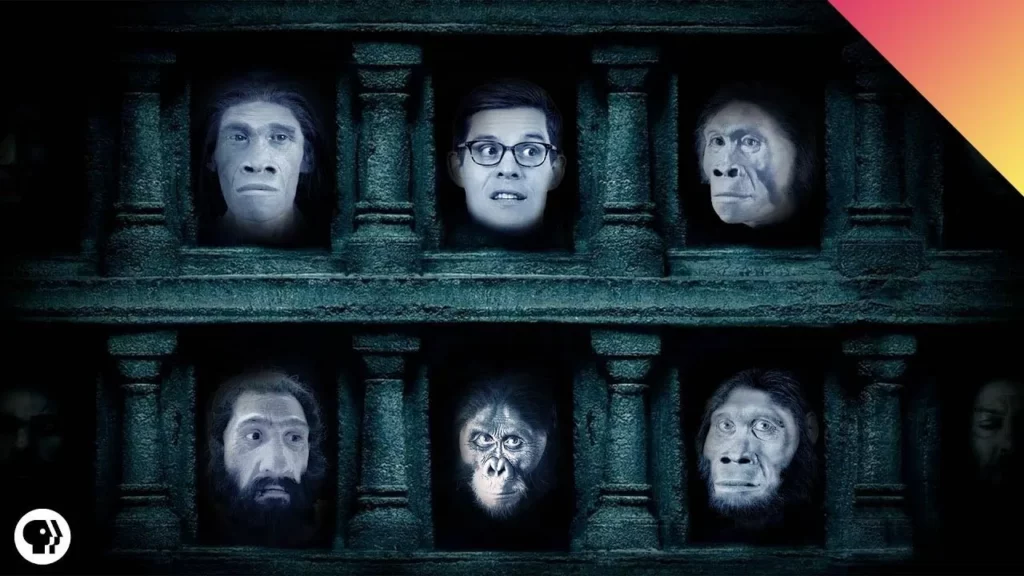
The lesson “Exploring Our Human Ancestry” emphasizes the complexity of human evolution, highlighting that we are just one of many human species that have existed alongside each other. It discusses our closest relatives, the evolution of bipedalism, and the emergence of various Homo species, ultimately leading to Homo sapiens. The lesson concludes by suggesting that our ancestry resembles a tangled bush rather than a straight tree, reflecting the intricate and multifaceted nature of our evolutionary history.
5 Weird Involuntary Behaviors Explained!
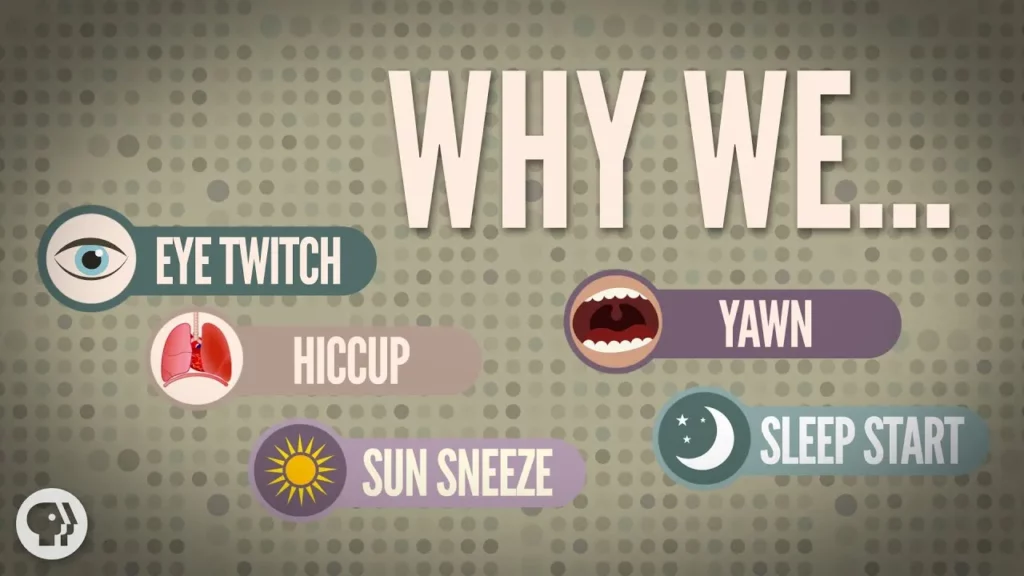
The lesson explores the fascinating realm of involuntary body actions, highlighting how much of our bodily functions operate on autopilot, allowing us to focus on daily tasks without conscious effort. It discusses five unusual involuntary behaviors, including eye twitching, the photic sneeze reflex, hypnagogic myoclonus, hiccups, and yawning, emphasizing that while these actions may seem strange, they showcase the remarkable capabilities of our bodies. Ultimately, the lesson encourages curiosity about the human body and its mysterious processes.
Why Do Clouds Stay Up?
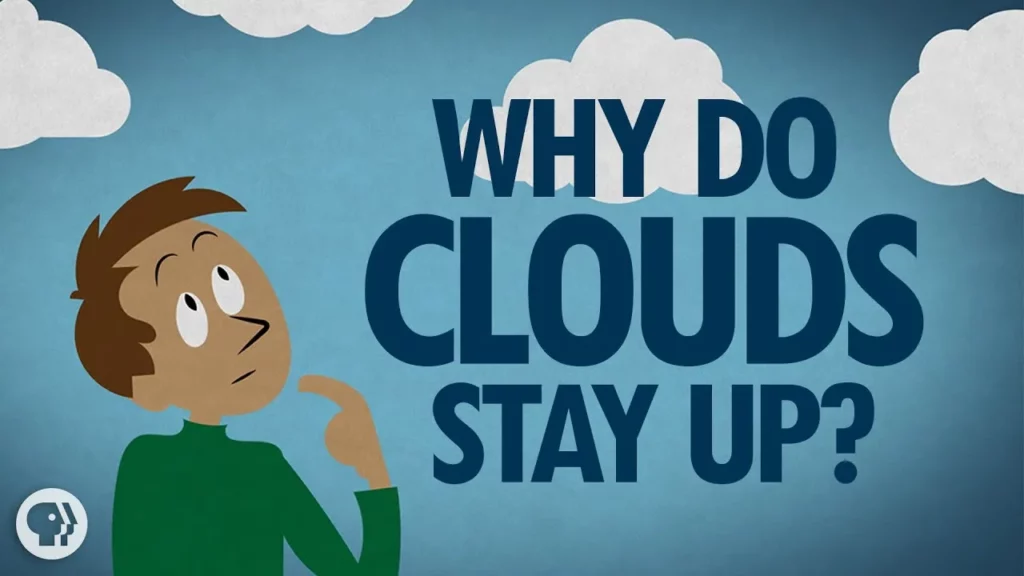
In the lesson “Discovering the World of Clouds,” students learn about the formation, types, and significance of clouds, including how they float in the sky despite their weight. The lesson highlights the fascinating processes of condensation and buoyancy that keep clouds aloft, as well as the ecological role they play in our environment. To encourage engagement, students are invited to observe and photograph clouds, fostering a deeper appreciation for these natural wonders.
Did Dinosaurs Really Go Extinct?
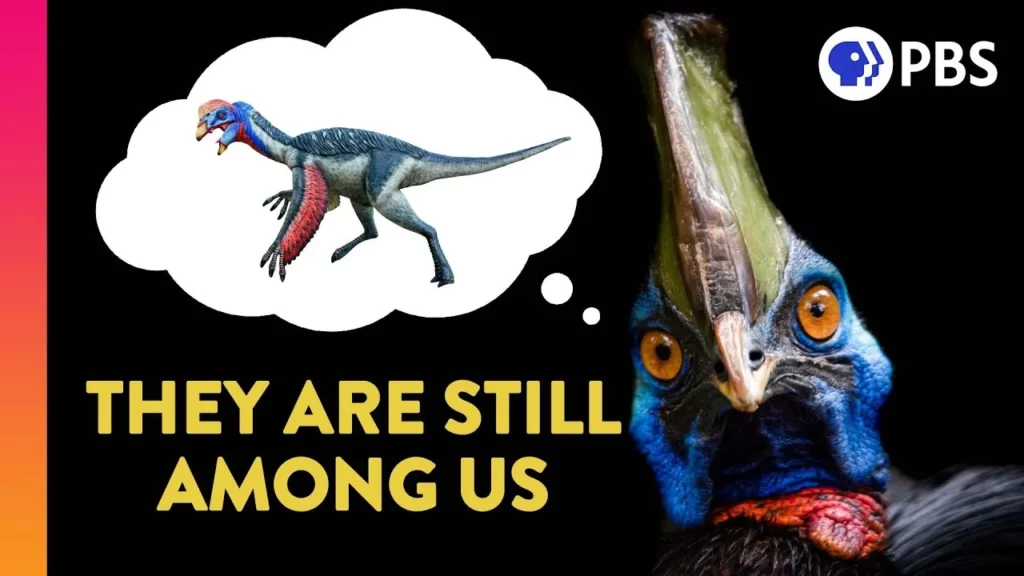
The lesson “Discovering the Dinosaurs Among Us” reveals that birds are modern-day descendants of dinosaurs, with approximately 10,000 species alive today. By examining the evolutionary tree, we learn that birds share many anatomical features with dinosaurs, such as wishbones and certain skeletal structures, and that they likely evolved from smaller meat-eating dinosaurs after the mass extinction event. The lesson emphasizes the fascinating connections between birds and their dinosaur ancestors, encouraging curiosity about the natural world.
DNA Doesn’t Look Like What You Think!
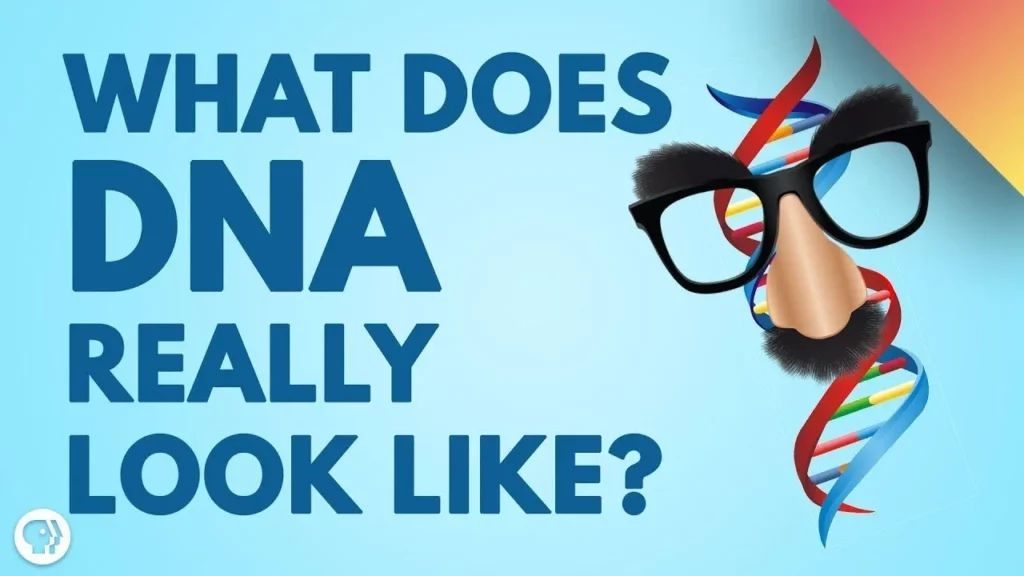
The lesson “Understanding DNA: More Than Just a Double Helix” explores the complexities of DNA beyond its iconic double helix structure, emphasizing its minuscule size and the advanced techniques scientists use to study it, such as electron microscopy and X-ray imaging. It highlights how DNA is organized within the cell’s nucleus in a three-dimensional structure, which is crucial for gene expression and cellular function, while also noting that simplified representations often fail to capture the intricate realities of DNA’s organization and function.
The Cheerios Effect
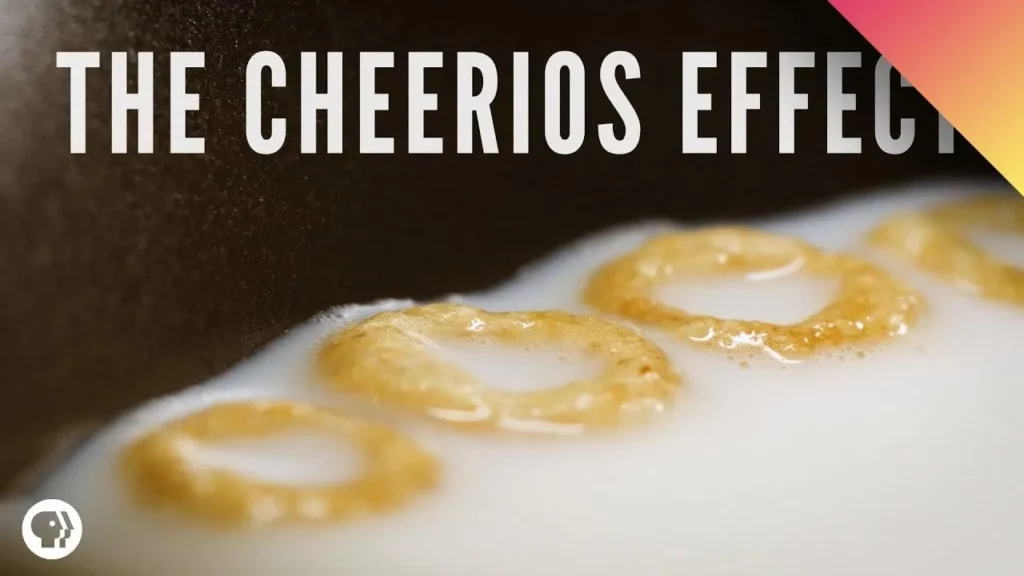
The lesson explores the scientific principles behind why cereal clumps together in milk, highlighting concepts such as buoyancy, density, and surface tension. It explains how cereal, being less dense than milk, floats and clusters at the surface due to the meniscus effect, where water molecules create a U-shape around the cereal. The lesson also draws parallels with other objects like paper clips and thumbtacks, demonstrating the broader applications of these principles in nature, such as how water striders utilize surface tension to stay afloat.
How Habits Can Change Your Life (and Your Brain)
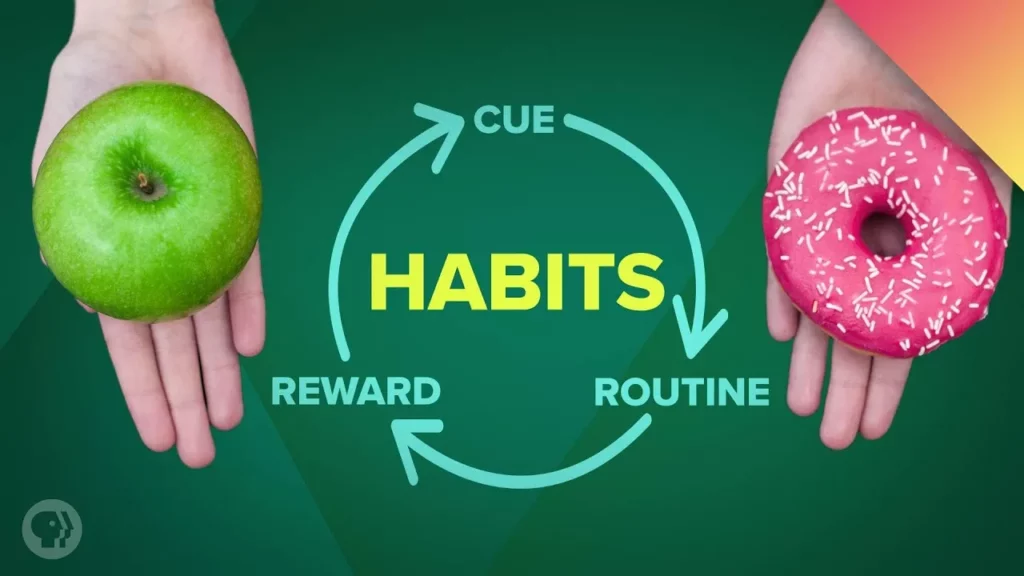
The lesson explores how habits are formed and how they can be changed, using the example of toothpaste becoming a daily routine thanks to advertiser Claude C. Hopkins. By understanding the components of habits—cue, behavior, and reward—Hopkins successfully encouraged people to adopt tooth brushing as a regular practice. The lesson emphasizes that while creating new habits or breaking old ones can be challenging, our brains are adaptable, allowing us to form new pathways through repetition and reward.
Why Do We Have To Sleep?
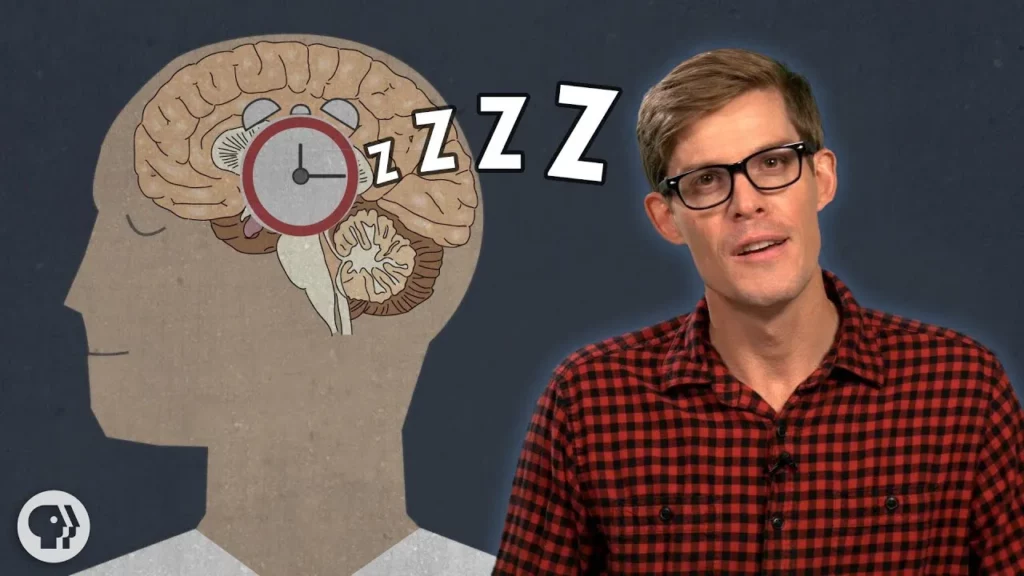
The lesson explores the complex and mysterious nature of sleep, highlighting its crucial role in our lives and the intricate processes occurring in our brains while we rest. It discusses the impact of light pollution on sleep patterns, the importance of melatonin, and how sleep has evolved over time, emphasizing that despite its significance, many people, especially teenagers, often do not get enough sleep. Understanding sleep better can enhance our appreciation for its importance and encourage healthier sleep habits.