
Why Does The Earth Have Layers?
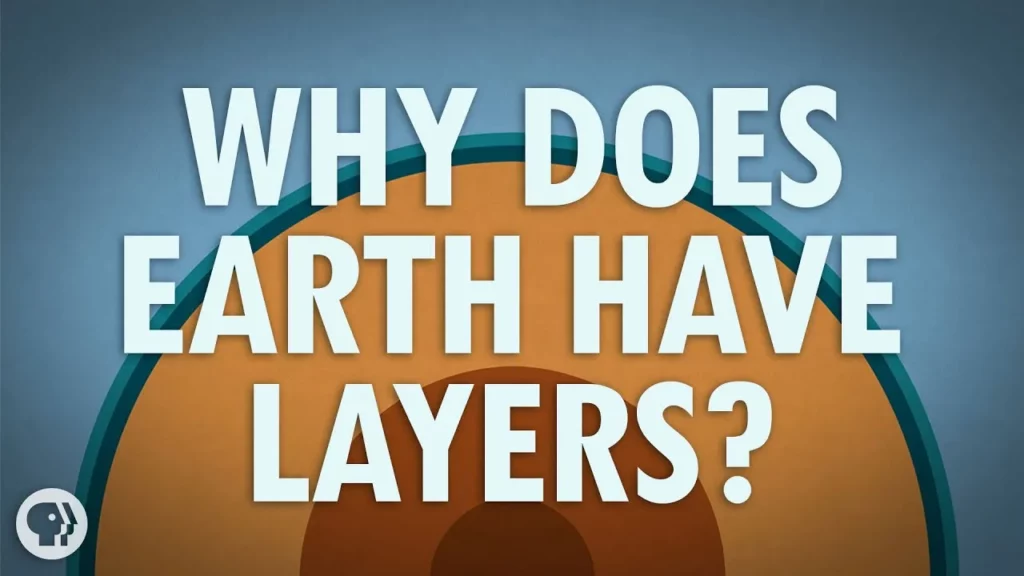
The lesson “Understanding Earth’s Layers” explores the structure of our planet, emphasizing how Earth’s layers are organized by density and how geologists classify them based on their properties. It discusses the formation of Earth from elements produced in stars, the processes that led to the differentiation of materials within the planet, and the significance of the liquid outer core in generating Earth’s magnetic field, which protects our atmosphere from solar radiation. Ultimately, the lesson encourages curiosity about our planet’s complex and dynamic nature.
Unraveling the Great Butterfly Migration Mystery
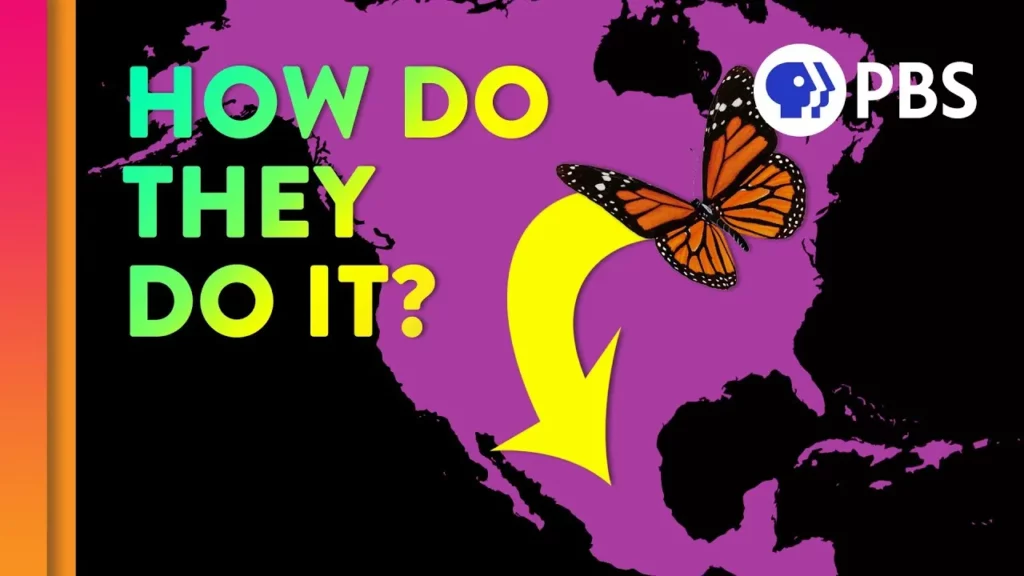
The lesson explores the remarkable migration journey of monarch butterflies, which travel up to 4,500 kilometers from North America to central Mexico each winter. This unique migration involves multiple generations, with a special “super generation” capable of completing the journey in one lifetime, thanks to their exceptional navigation skills and hormonal adaptations. The lesson emphasizes the importance of protecting their habitats, particularly milkweed, to ensure the survival of these incredible insects.
SPIDERGOATS are real! Why did scientists create them? ????️????
The lesson highlights the remarkable properties of spider silk, which is incredibly strong, lightweight, and flexible, surpassing human-made materials like steel and Kevlar. Scientists are exploring ways to replicate spider silk by inserting its production gene into various organisms, including goats, to harness its unique qualities. Ultimately, the study of spider silk not only reveals the wonders of nature but also inspires advancements in materials science.
The Impossible Hugeness of Deep Time
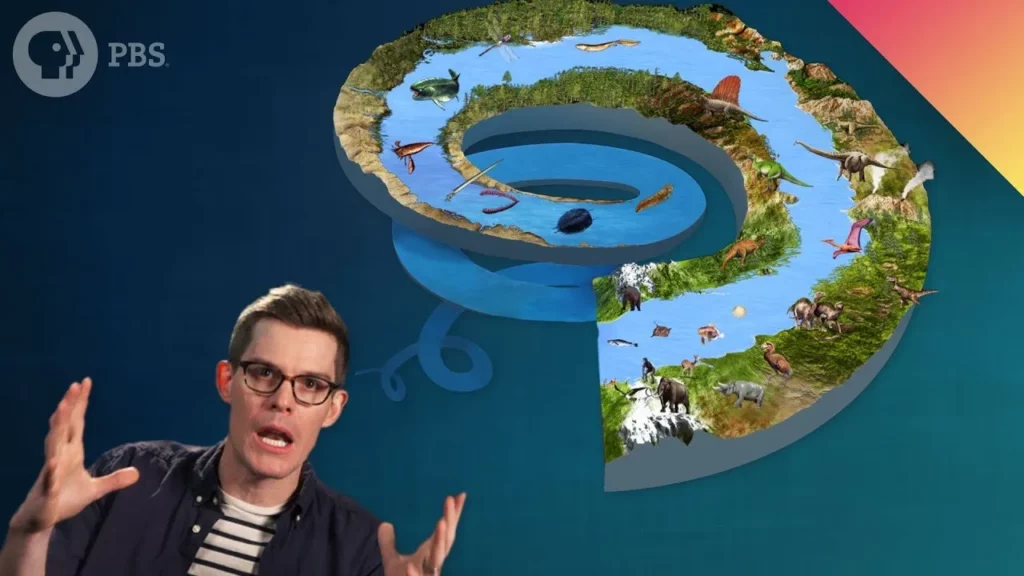
The lesson explores the concept of big numbers and deep time, highlighting how our brains struggle to comprehend vast quantities and extended timeframes. It explains that deep time refers to Earth’s extensive history, spanning billions of years, and illustrates this with examples of significant events in Earth’s timeline, from its formation to the rise of humans. Ultimately, it emphasizes the importance of understanding our place in this long history and encourages curiosity about the world around us.
Why Does Hair Grow The Way It Does?
The lesson explores the fascinating biology of hair, detailing its composition, the role of pigments in determining hair color, and the evolutionary changes that have influenced hair growth in humans. It explains how hair follicles are shaped by genetics, the reasons behind variations in hair color and texture, and the changes hair undergoes with aging. Additionally, it reassures those experiencing hair loss that it is a natural part of life and highlights ongoing scientific advancements in addressing this issue.
Sunlight Is Way Older Than You Think. Here’s Why…
In today’s lesson, we explored the journey of sunlight from the sun to Earth, highlighting that it takes approximately 8 minutes and 20 seconds for light to travel the 150 million kilometers between the two. We learned that the photons we see are created deep within the sun through nuclear fusion and undergo a long, energy-losing journey before reaching the surface, while intriguingly, they experience no passage of time during their travels. This fascinating duality of sunlight—being both ancient and timeless—illustrates the wonders of our universe.
The Surprising Reason We Eat Spicy Food

In this lesson, we explored the rich history and significance of spices in culinary traditions around the world, highlighting their role in flavor enhancement, food preservation, and cultural practices. We learned that spices not only vary by region due to climate and local ingredients but also possess antibacterial properties that have historically contributed to human survival. Additionally, the lesson emphasized the importance of approaching modern claims about spices with caution, as their uses have evolved over time and are often rooted in tradition.
Why Are Some People Left-Handed?
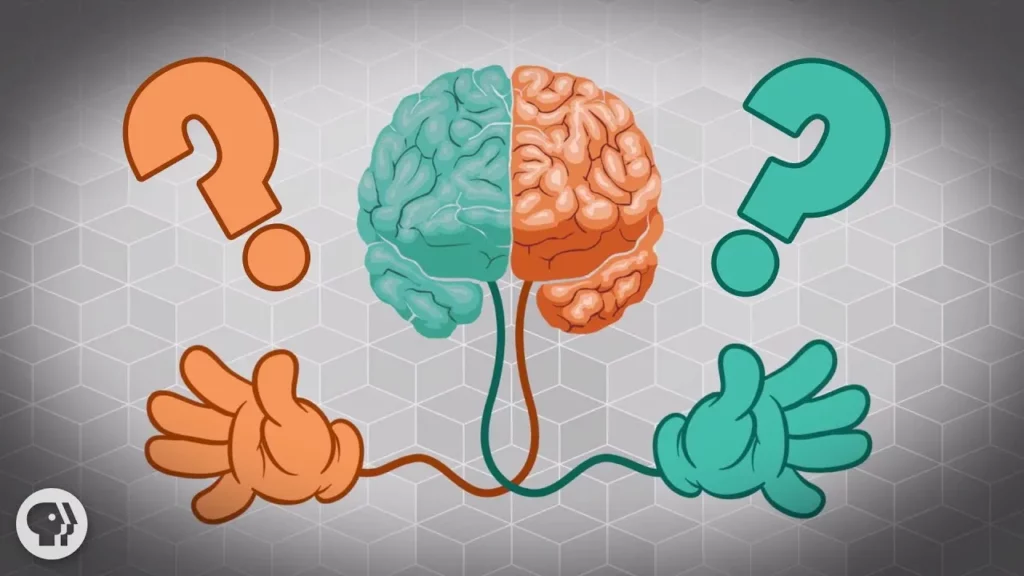
The lesson explores the intriguing phenomenon of handedness, revealing that approximately 90% of people are right-handed, a trend shaped by evolutionary, genetic, and neurological factors. It discusses the challenges faced by left-handed individuals in a predominantly right-handed world, the linguistic biases associated with handedness, and the potential advantages of being left-handed in certain contexts. Despite various theories, the reasons behind the prevalence of right-handedness remain a captivating mystery for scientists.
This Was the Most Important Moment in the History of Life
The lesson explores the transformative journey from simple single-celled organisms to complex life forms on Earth, highlighting the pivotal event of endosymbiosis that led to the emergence of eukaryotes. By absorbing bacteria that enhanced energy production, early eukaryotic cells gained the ability to grow and diversify, ultimately giving rise to the vast array of life we see today, including plants, animals, and humans. This unique evolutionary milestone underscores the interconnectedness of all living beings and the remarkable history of life on our planet.
How Do Hot Air Balloons Stay Up?
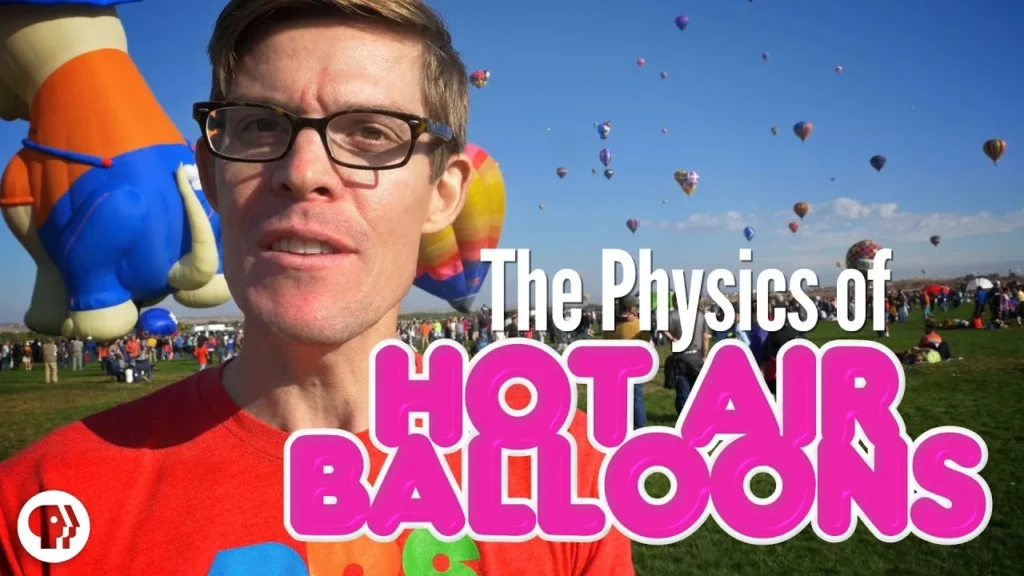
In this lesson, students explore the fascinating concepts of air pressure and buoyancy through the lens of balloons and flight. They learn how lighter gases like helium allow balloons to float, the principles behind hot air balloons, and the science of air pressure, which varies with altitude. The lesson emphasizes the joy of floating and encourages curiosity about the natural world.