
Are We All Related?
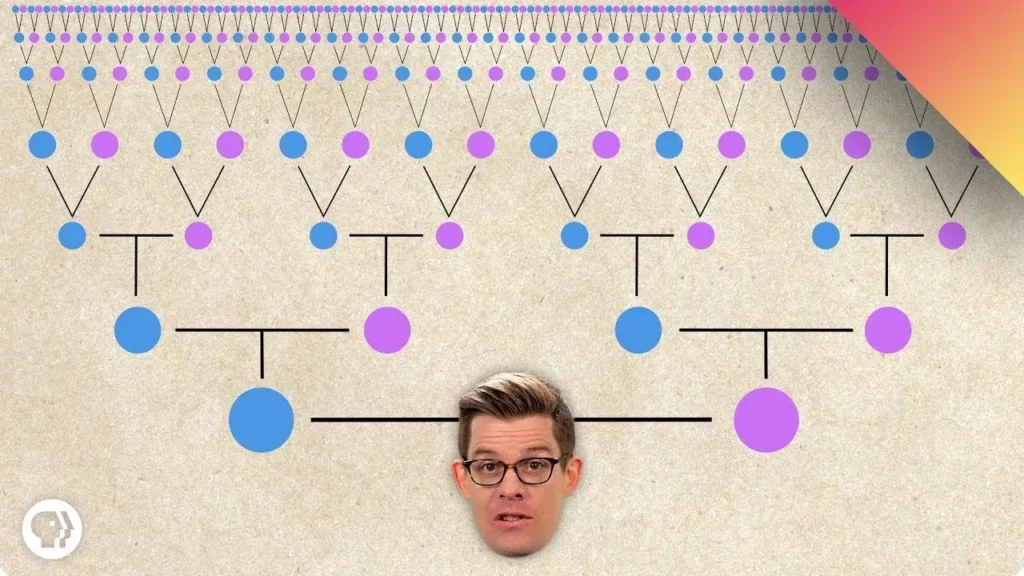
The lesson “Understanding Your Ancestry: A Journey Through Time” explores the concept of ancestry through the metaphor of a pyramid, illustrating how the number of ancestors grows exponentially with each generation. It highlights the interconnectedness of humanity, revealing that despite the vast number of potential ancestors, many are shared due to historical patterns of migration and relationships. Additionally, the lesson emphasizes the role of DNA in tracing our lineage and understanding our genetic heritage, culminating in the idea that our ancestry not only informs our past but also shapes our future.
Could Planet Minecraft Actually Exist?
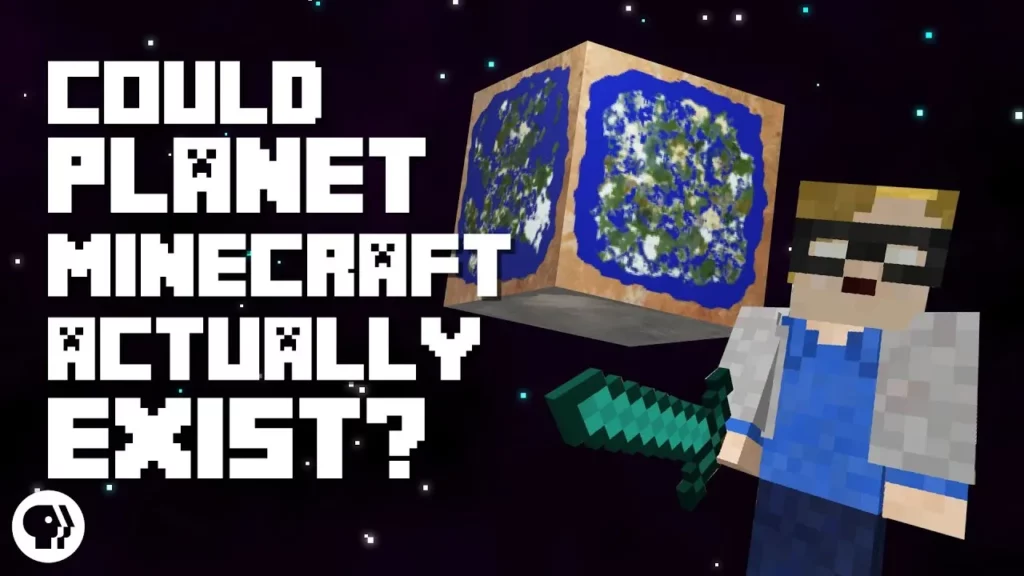
The lesson explores the concept of a cubic world, inspired by the game Minecraft, and examines whether such a planet could exist in reality. It discusses the limitations of Minecraft’s world size, the unique gravitational effects on a cube-shaped planet, and the implications for life and celestial bodies within that environment. Ultimately, while a cubic planet is deemed impossible according to the laws of physics, the lesson highlights the creativity and curiosity that Minecraft inspires in its players.
Is Sugar a Drug?

The lesson explores the reasons behind our love for sugar, highlighting its role as a quick energy source for our brains and its historical significance. It discusses how our taste buds evolved to crave sweet flavors for survival, the widespread presence of sugar in modern foods, and the challenges of moderation in a society where sugar consumption often exceeds recommended levels. Ultimately, it emphasizes the importance of self-control and awareness regarding sugar intake for better health.
Why Do We Cry?

The lesson explores the reasons behind human crying, highlighting that it serves as a powerful emotional signal to others. It explains the three types of tears—emotional, reflex, and basal—and emphasizes that emotional tears are unique to humans, containing proteins that reflect our emotional state. Additionally, the lesson discusses the role of facial expressions in communication and the social bonds formed through the act of crying, underscoring its significance in human interaction and empathy.
Plants Are Smarter Than You Realize
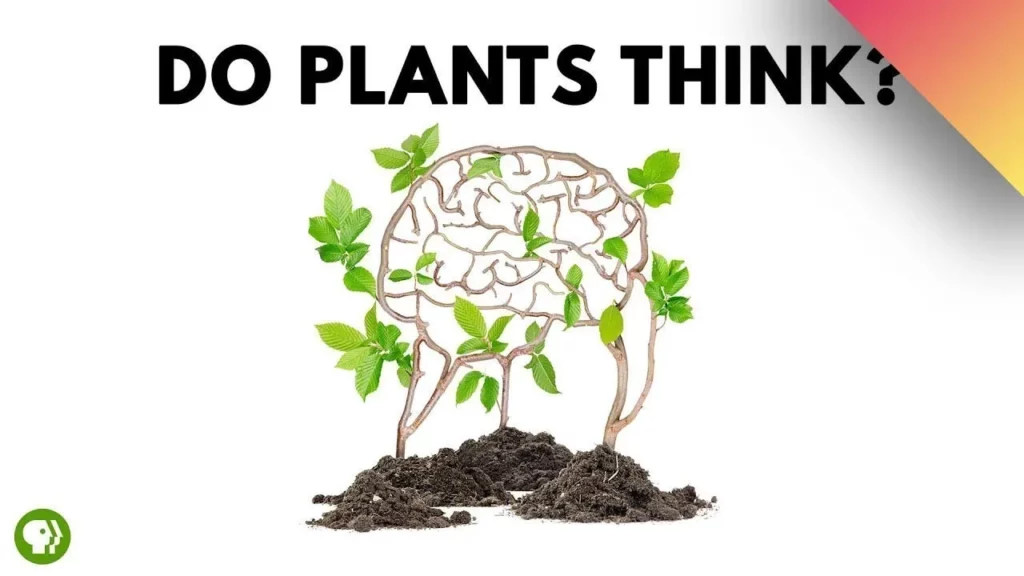
The lesson explores the fascinating ways in which plants sense and communicate with their environment, debunking the myth that they can feel or read minds. It highlights their abilities to detect gravity and light, respond to chemical signals, and even communicate with neighboring plants about threats. Through various adaptations, such as phototropism and touch sensitivity, plants demonstrate remarkable survival strategies that allow them to thrive despite their immobility.
Do You Really Have Two Brains?
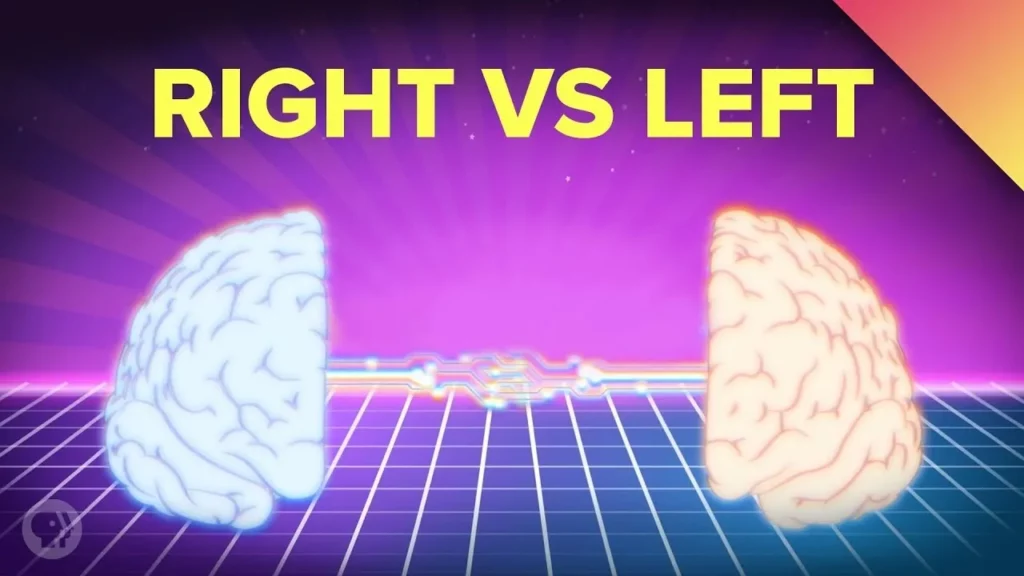
The lesson explores the complexities of brain function, emphasizing that while certain tasks are lateralized to the left or right hemispheres, the brain operates as a cohesive unit through the corpus callosum. It highlights the modular organization of the brain, where distinct regions collaborate to form consciousness, akin to a symphony, and encourages ongoing curiosity about the intricacies of this remarkable organ.
Do Fish Pee?
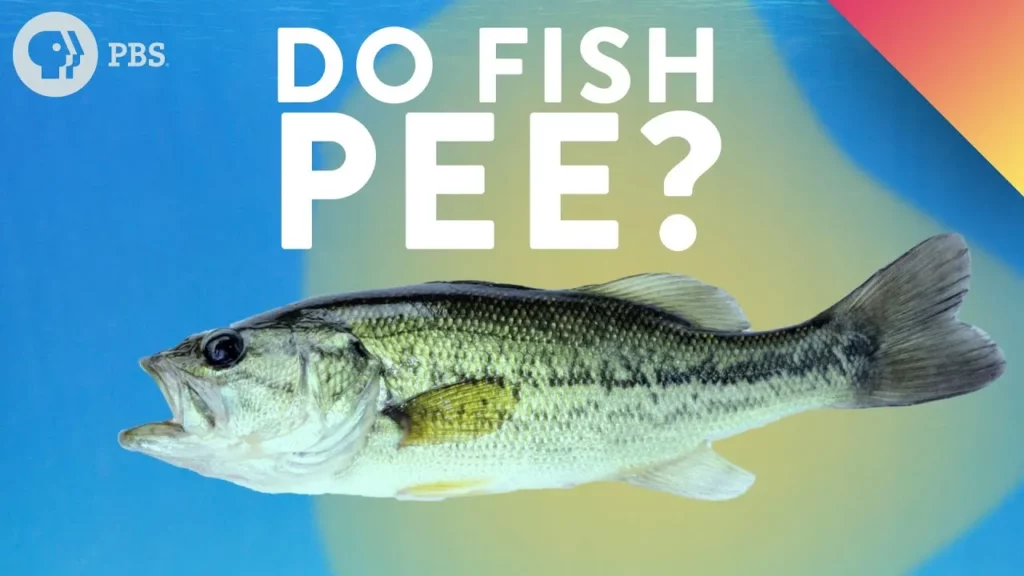
In this lesson, we explore the fascinating ways fish manage water and salt in their bodies, highlighting the differences between freshwater and saltwater species. Freshwater fish absorb water through their skin and gills, requiring them to excrete excess water, while saltwater fish actively drink seawater and have adaptations to expel excess salt. The lesson also touches on the ecological importance of fish waste and our evolutionary connection to these aquatic creatures.
Why Are The Bees Dying?
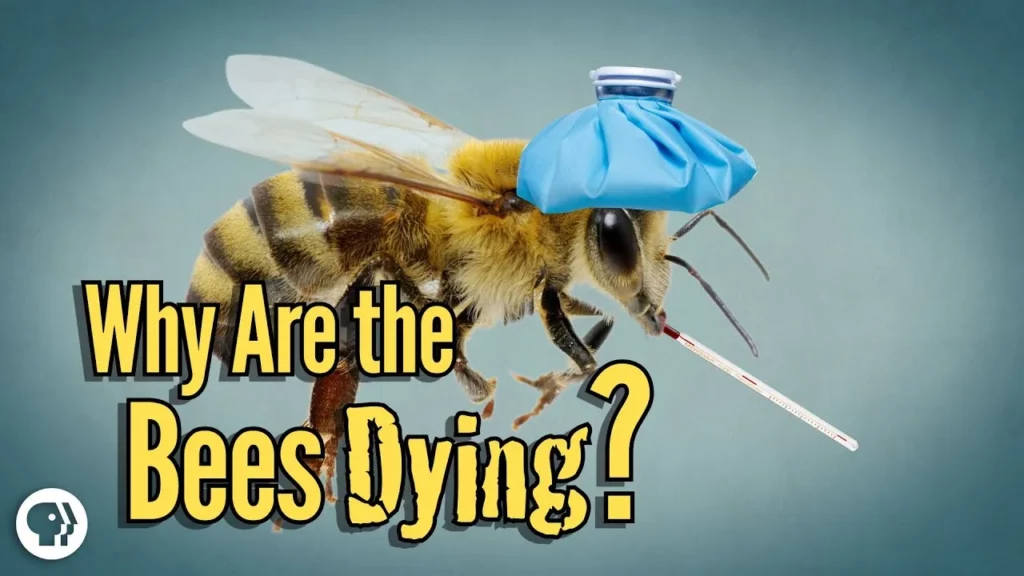
The lesson highlights the critical role bees play in our ecosystem and food supply, emphasizing that they are responsible for pollinating a significant portion of the crops we consume, valued at billions of dollars. It also addresses the alarming decline in bee populations due to factors such as pesticides, habitat loss, and diseases, particularly focusing on the phenomenon known as Colony Collapse Disorder. To combat these issues, the lesson encourages proactive measures like planting flowers, reducing pesticide use, and supporting wild bee populations to help sustain these essential pollinators.
How Was the Grand Canyon Formed?
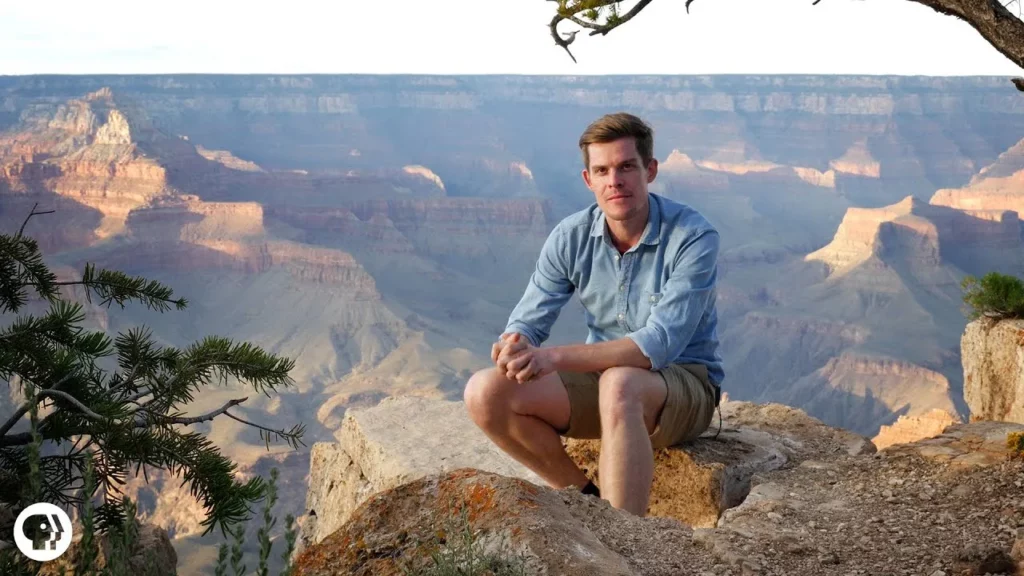
The Grand Canyon, a breathtaking natural wonder, stretches 277 miles long and over a mile deep, showcasing the powerful forces of nature that shaped it, primarily through the Colorado River. The canyon’s rock layers reveal a rich geological history, including ancient mountains and oceans, while the river’s erosion continues to carve and widen the canyon. This lesson encourages curiosity about Earth’s hidden stories and the ongoing processes that shape our planet.
Where Did Earth’s Water Come From?
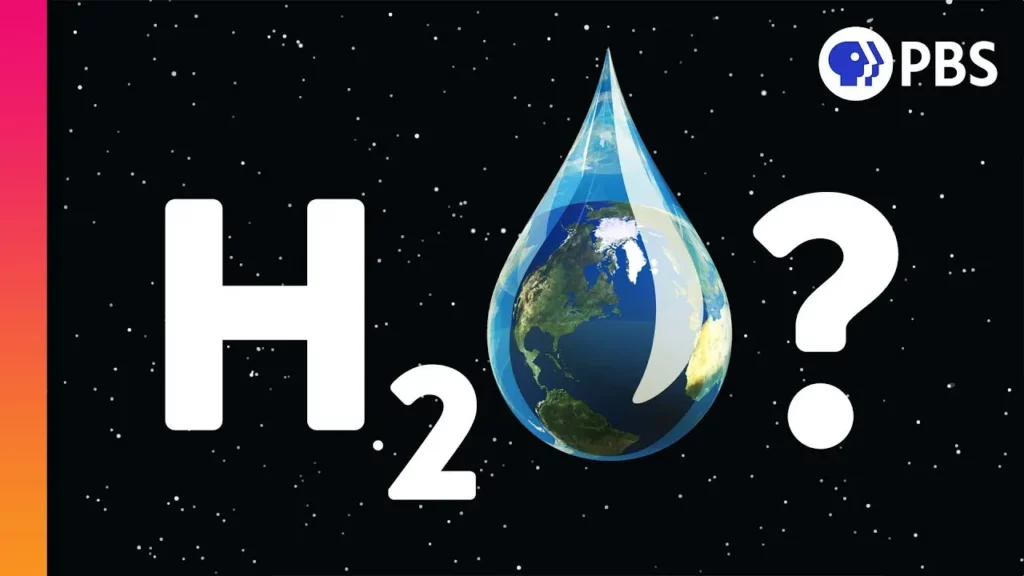
The lesson “The Story of Earth’s Water” explores the origins and significance of water on our planet, highlighting that while Earth is covered by 70% water, only a small fraction is fresh water essential for life. It discusses how Earth’s water likely formed from a combination of processes, including condensation from gas and dust in the early solar system, as well as contributions from asteroids and comets. Understanding the history of water is crucial for assessing the potential for life on other planets and the broader cosmic context of water’s existence in the universe.