
Why Your Brain Is In Your Head
The lesson “The Amazing Journey of the Brain” explores the evolutionary history of the brain, explaining how simple nerve networks evolved into complex brains protected by skulls. It highlights the role of Hox genes in organizing body plans and the significance of bilateral symmetry in the development of animals. Ultimately, the lesson reveals that the placement of our brains in our heads is a result of millions of years of evolution, emphasizing the importance of curiosity in understanding our bodies.
Why It Took Scientists So Long To Accept This Very Obvious Idea
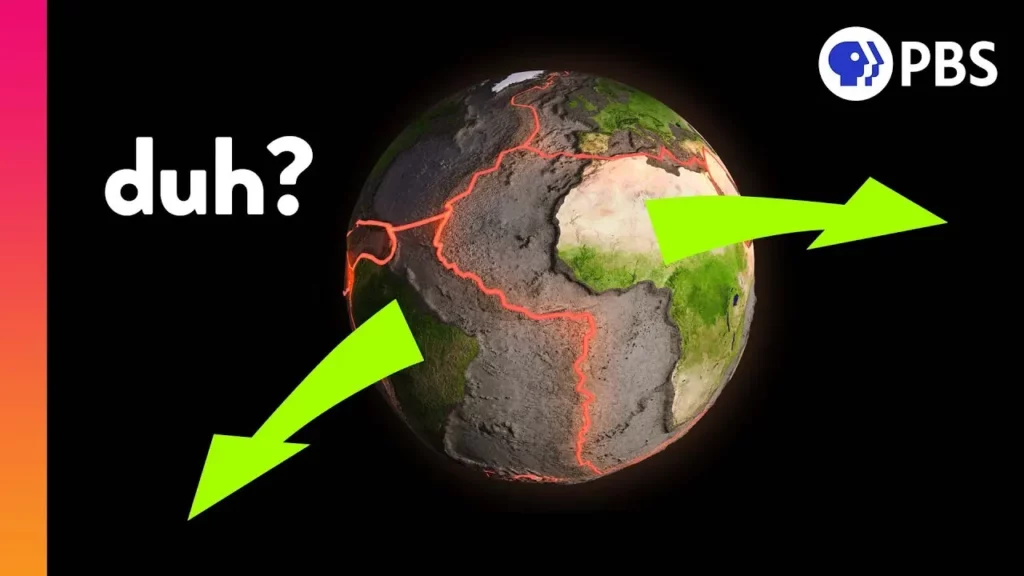
The lesson on plate tectonics explores the historical development of the theory that Earth’s crust is made up of moving plates, beginning with Alfred Wegener’s idea of continental drift and the evidence he presented. Despite initial skepticism, subsequent discoveries, such as Harry Hess’s findings on seafloor spreading, provided solid proof of the dynamic nature of our planet’s surface. This ongoing movement not only shapes geological features but also influences natural phenomena like earthquakes and volcanoes, highlighting the importance of curiosity and scientific inquiry in understanding Earth’s processes.
Are You Smarter Than A Slime Mold?
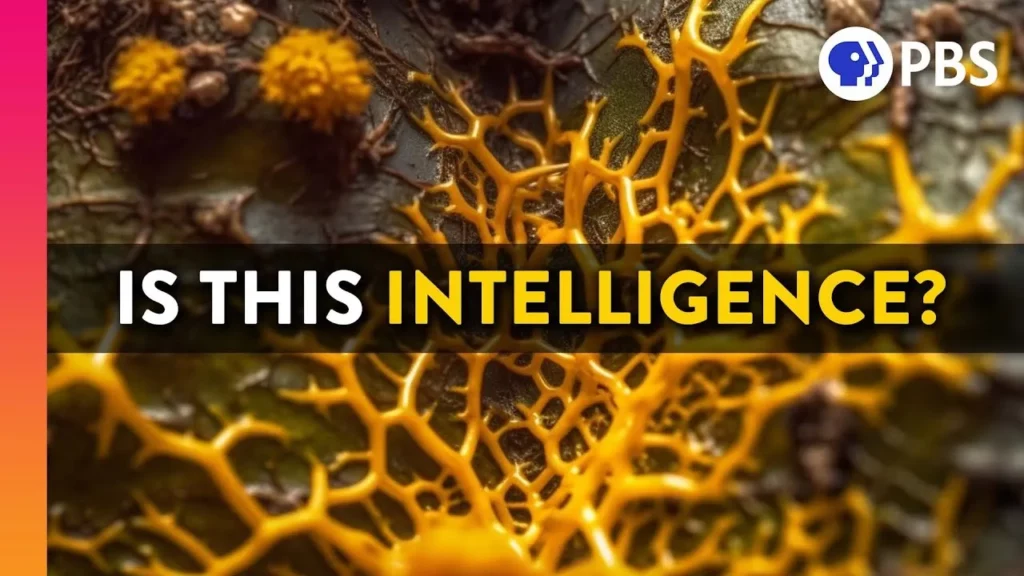
The lesson explores the remarkable intelligence of slime molds, specifically Physarum polycephalum and Dictyostelium, highlighting their problem-solving abilities and cooperative behaviors. Physarum can navigate mazes and optimize networks, while Dictyostelium demonstrates altruism by working together as a multicellular organism when food is scarce. These examples challenge traditional notions of intelligence and cooperation, suggesting that even simple organisms can exhibit complex behaviors that inspire us to rethink our understanding of intelligence in nature.
Why Does Music Move Us?

The lesson explores the intricate relationship between music and emotion, highlighting that while music is fundamentally composed of sound vibrations, it evokes a wide range of feelings in listeners. It discusses differing perspectives on the evolutionary significance of music, with some arguing it is a byproduct of other traits, while others emphasize its profound impact on brain activity and social cohesion. Research indicates that our perception of emotions in music parallels our understanding of human movement, suggesting a deep-rooted connection that transcends cultural boundaries.
Something weird happens when you look at this bug in a mirror
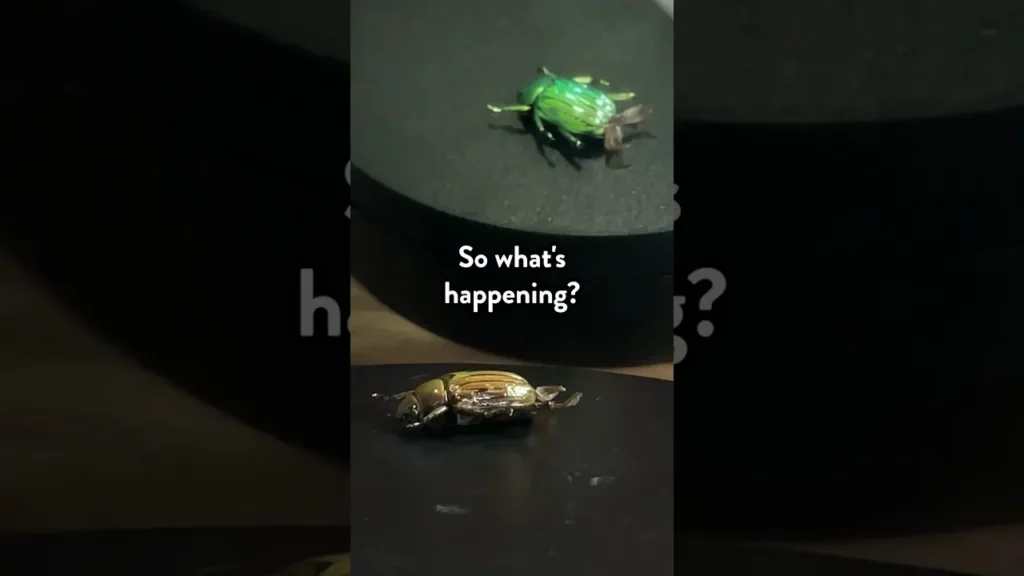
The lesson explores a unique beetle that can reflect circularly polarized light, allowing it to display vibrant colors when viewed through specific filters. This adaptation not only helps the beetle communicate with others of its kind while remaining hidden from predators but also highlights the intricate ways animals interact with light in their environments. The discovery of this ability opens avenues for further research into animal behavior and potential technological innovations inspired by nature.
Could You Ever Be Immune To EVERY Disease? Your Immune System, Explained!
The lesson explains how the immune system functions as the body’s defense against germs, highlighting its two main components: the innate immune system, which provides immediate protection through barriers like skin and white blood cells, and the adaptive immune system, which develops specific antibodies to remember and combat previously encountered germs. It emphasizes the role of B-cells in producing antibodies and the importance of vaccines in training the immune system to recognize harmful pathogens without causing illness. Overall, the lesson underscores the remarkable ability of the immune system to adapt and protect the body from future infections.
Is Shrimps Bugs? A scientist’s take

The lesson explores the question of whether shrimp can be classified as bugs, clarifying that while shrimp are not true bugs (which belong to the order Hemiptera), they share several biological similarities with insects. Both shrimp and insects possess exoskeletons made of chitin, jointed limbs, and a mirrored body structure typical of arthropods. Ultimately, the lesson highlights that shrimp, while distinct from insects, exhibit many characteristics that align them more closely with bugs than with humans.
Why Do These Deadly Insects Look Like Flowers?
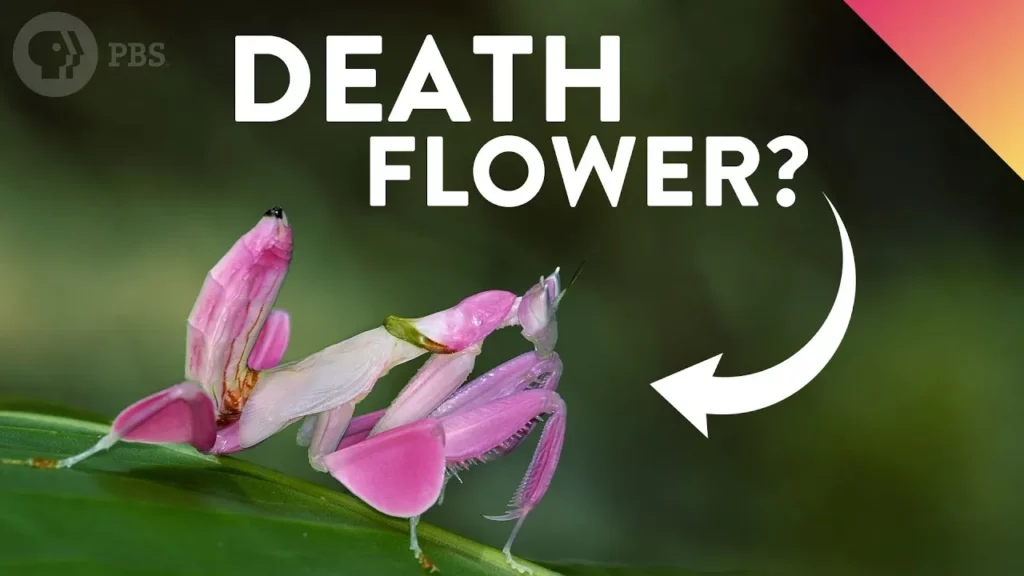
The lesson explores the fascinating world of the orchid mantis, an insect that uses aggressive mimicry to disguise itself as a flower, effectively attracting prey while blending into its environment. Unlike typical camouflage, the orchid mantis’s vibrant appearance and movement mimic various flowers, making it more appealing to insects than real blooms. This clever adaptation highlights the intricate strategies of evolution and the importance of understanding nature’s wonders.
Does The Moon Really Orbit The Earth?
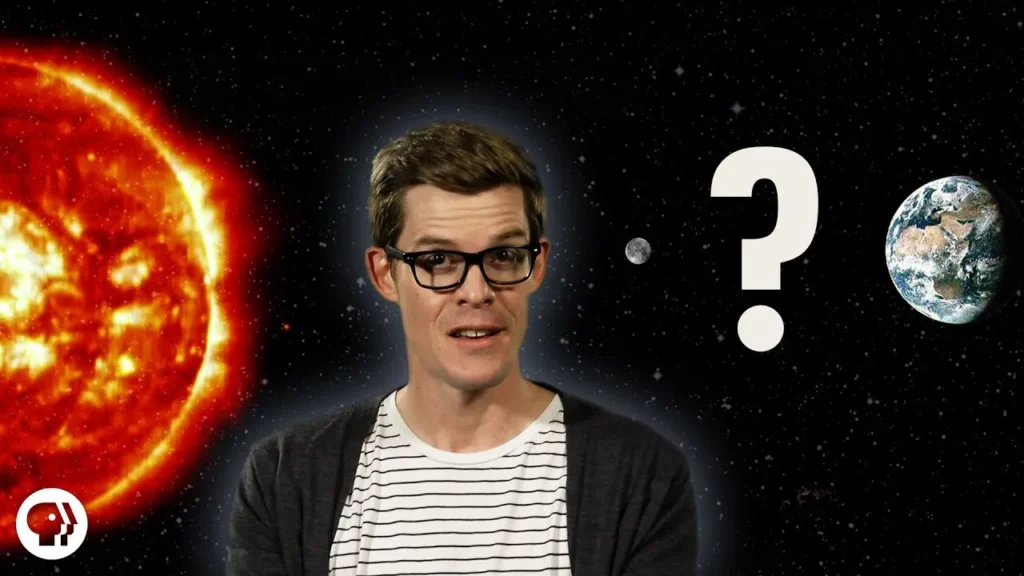
The lesson explains why the moon orbits the Earth instead of the sun, highlighting the roles of gravity and perspective. Although the sun exerts a stronger gravitational pull on the moon, Earth’s gravity dominates within its Hill sphere, keeping the moon in orbit around it. The lesson also illustrates the moon’s orbital path as a complex interaction between the movements of the Earth and the moon, emphasizing the importance of curiosity in exploring astronomical phenomena.
The Science Behind The Masters’ Strange Secret Sand ⛳️????️♂️

The Masters Golf Tournament is renowned not only for its prestige but also for the unique white sand used in its sand traps, sourced from the Spruce Pine mines in North Carolina. This nearly pure quartz sand, formed over 400 million years ago, is highly valuable due to its exceptional purity, making it ideal for both aesthetic and functional purposes on the golf course. The lesson highlights the intriguing intersection of science and sports, showcasing how natural resources can enhance the beauty and challenge of a world-famous event.