
The fastest animal on Earth? It’s not what you think!

The lesson highlights that while many people associate speed with larger animals like cheetahs and falcons, some tiny bugs are actually the fastest creatures on Earth, capable of astonishing accelerations. Examples such as the springtail, trap-jaw ant, and frog hopper demonstrate how their small size and unique body structures, including exoskeletons, enable them to achieve remarkable speeds by storing and releasing energy efficiently. The lesson encourages further exploration of these fascinating insects and other scientific topics.
You’re not good enough for the Olympics. Here’s why you think you are.

The Dunning-Kruger Effect is a psychological phenomenon where individuals with limited knowledge or skills in a particular area overestimate their abilities, often due to a lack of awareness about their own limitations. This effect highlights the importance of recognizing our gaps in knowledge, as it can lead to overconfidence and misjudgment of our capabilities. By understanding this concept, we are encouraged to remain curious and committed to continuous learning, ultimately improving our skills and confidence.
That one time the CIA spied on climate change ????
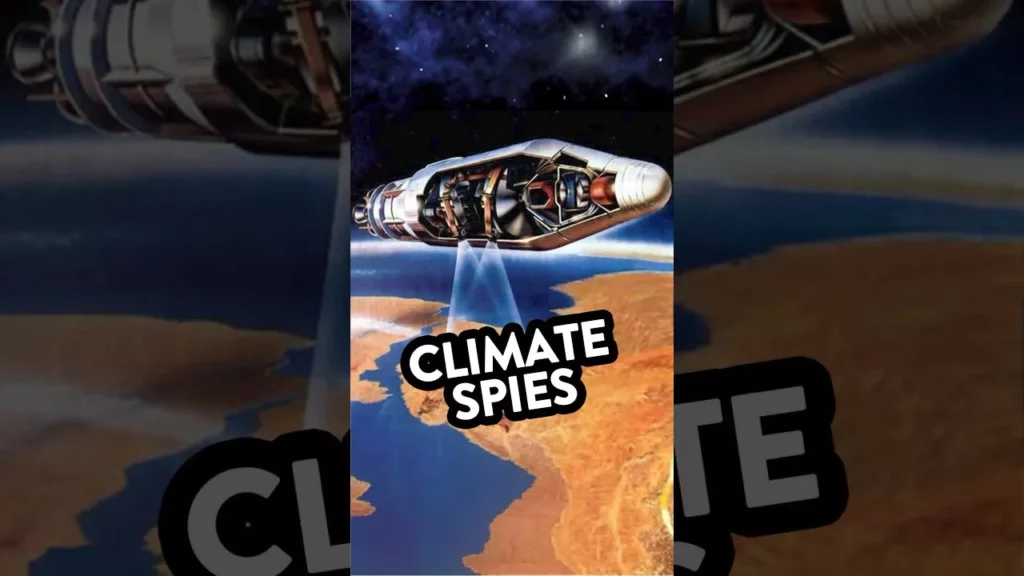
The lesson discusses the evolution of space surveillance, beginning with the CIA’s Corona satellite program in the late 1950s, which aimed to gather intelligence during the Cold War. By the 1990s, these spy satellites transitioned from military espionage to monitoring environmental changes, showcasing a successful collaboration between intelligence agencies and scientists. This shift highlights the potential for repurposing technology to address global challenges, emphasizing the importance of innovation and interdisciplinary cooperation.
Where Does the Smell of Rain Come From?

In the lesson “Discovering the Smells of a Storm,” students learn about the fascinating scents associated with storms, particularly the fresh smell of ozone and the unique aroma of petrichor that arises when rain hits the ground. The lesson highlights the science behind these smells, including the role of soil, bacteria, and the natural signals they provide to plants and animals. It encourages students to appreciate the wonders of nature and the stories conveyed through these scents.
I figured out how much wood a woodchuck could actually chuck
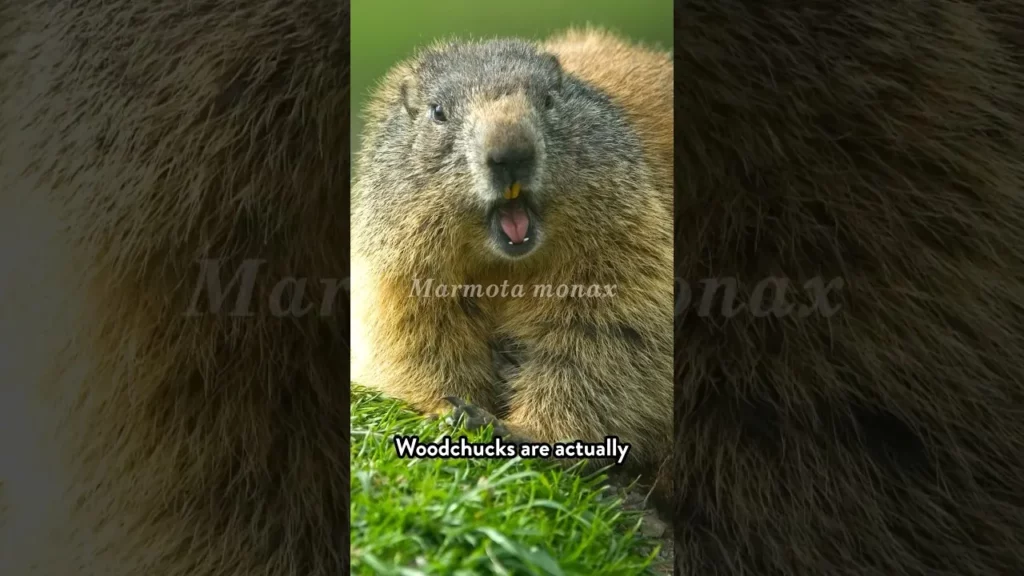
The lesson explores the playful riddle, “How much wood could a woodchuck chuck if a woodchuck could chuck wood?” by delving into the real-life behaviors of woodchucks, also known as groundhogs, which are skilled at digging rather than chucking wood. Through the research of Richard Thomas and W.J. Shoemaker, the lesson reveals varying estimates of how much wood a woodchuck could theoretically chuck, ranging from 384 to 3,000 pounds, highlighting the intersection of curiosity, science, and mathematics in understanding this whimsical question.
Why I’m Scared of Spiders
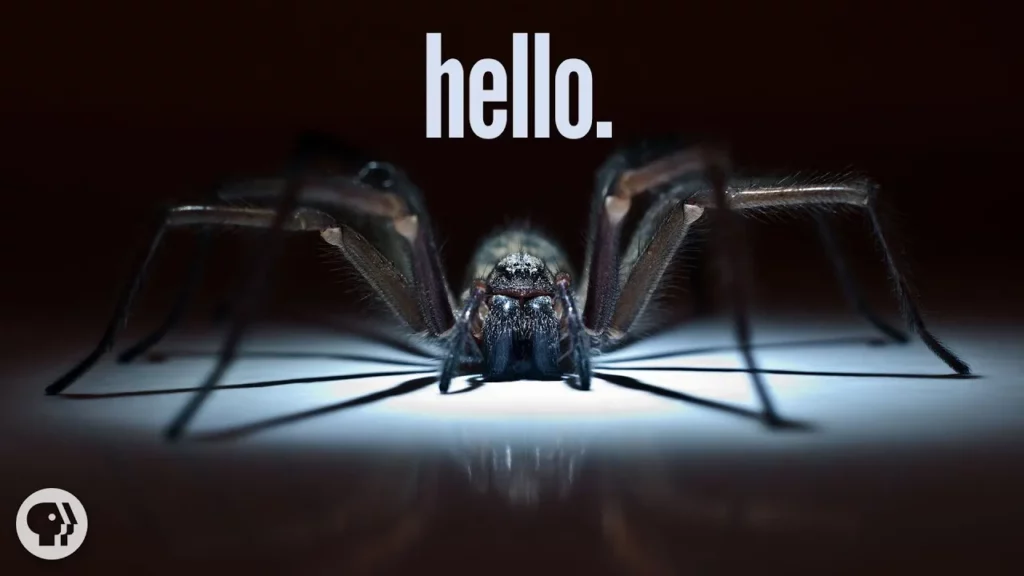
The lesson explores the common fears associated with spiders and roaches, highlighting how these fears can stem from personal experiences, conditioning, and even evolutionary traits. It emphasizes that while many people find these creatures unsettling, understanding their role in the ecosystem and gradually facing these fears can help reduce anxiety over time. Ultimately, the lesson encourages a more informed and less fearful perspective on these often-misunderstood insects.
When Matter Goes Faster Than Light Speed… THIS Happens
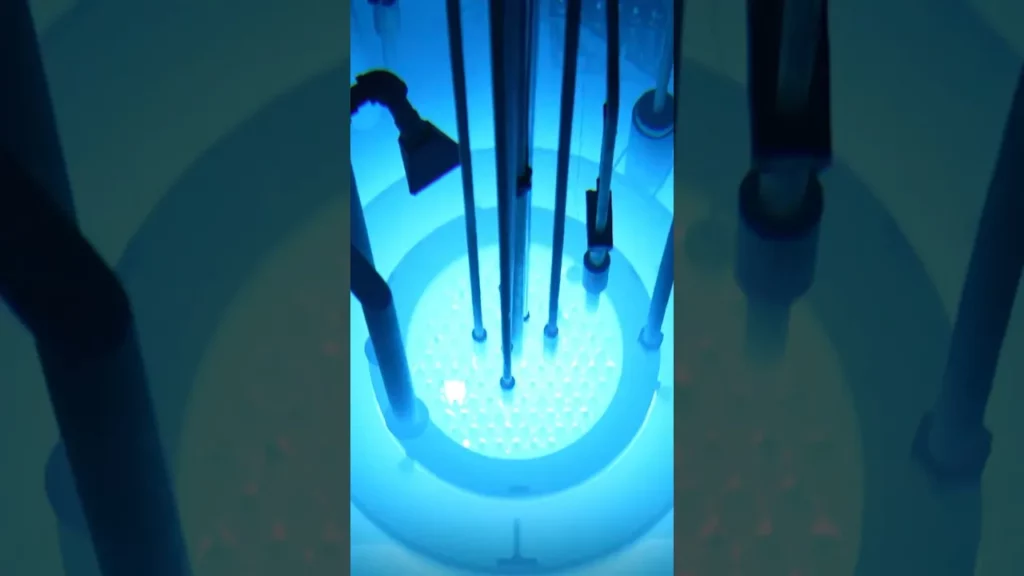
Cherenkov radiation is a fascinating phenomenon that occurs when charged particles, such as electrons, travel faster than the speed of light in a medium like water, resulting in a characteristic blue glow seen in nuclear reactors. This blue light is due to the emission of shorter wavelengths of light, which are more intense and visible to the human eye. Beyond its visual appeal, Cherenkov radiation serves as a valuable tool for scientific research, aiding in the study of particle behavior and finding applications in fields like particle physics and medical imaging.
The Law of Urination

The lesson discusses the “law of urination,” which reveals that most mammals, regardless of size, take approximately 21 seconds to empty their bladders. This phenomenon is attributed to the size and shape of the urethra, where larger animals benefit from gravity to expel urine more quickly, while very small animals, weighing less than 1 kilogram, experience different factors that lead to faster, droplet-like urination. The lesson encourages further exploration of fascinating scientific concepts.
This is how to tag a BLUE WHALE ???? with a drone (for science!!)

In this lesson, students explore the fascinating world of blue whales through a high-tech research mission involving drone technology. The team uses a drone to tag a blue whale with a robot camera that collects vital data about the whale’s movements, sounds, and health, while also gathering unique samples like whale snot for scientific research. This hands-on adventure highlights the importance of technology in marine biology and encourages curiosity about these magnificent creatures.
How far is a second?

This lesson explores the concept of nanoseconds, emphasizing that a nanosecond is one billionth of a second, and illustrates the incredible speed of light by explaining how far it can travel in just one second. It also provides relatable comparisons to help grasp the enormity of a billion, such as the time it would take to count a billion heartbeats or the distance covered by a billion micrometers. Ultimately, the lesson highlights the relationship between time and distance, encouraging further exploration of the universe’s wonders.