
Did we just figure out the whale alphabet?
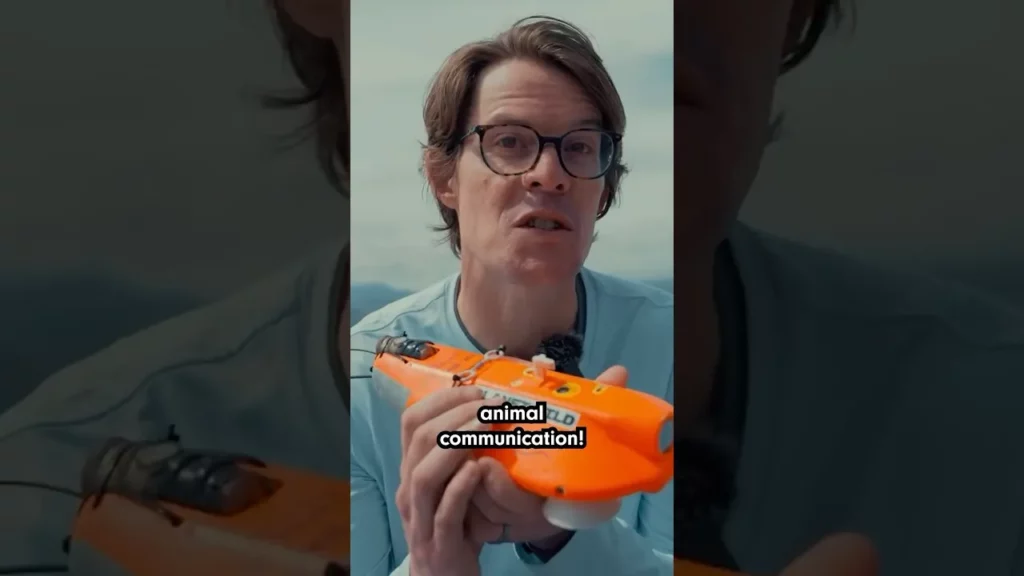
The lesson explores recent advancements in understanding sperm whale communication through the analysis of their unique rhythmic click sequences, known as codas, which function similarly to a “sound alphabet.” Researchers are utilizing artificial intelligence to decode these sounds, revealing the potential complexity of whale communication and its significance in their social structures. This groundbreaking work not only enhances our knowledge of sperm whales but also opens avenues for understanding communication in other animal species.
The line that no river can cross (except one)

The lesson on the Continental Divide explains how this natural boundary determines the direction of water flow, splitting the land into two major watersheds that lead to the Pacific and Atlantic Oceans. It highlights unique locations like Two Ocean Pass in Wyoming, where water can flow to either ocean, and Triple Divide Peak in Montana, where water can reach three oceans: the Pacific, Atlantic, and Arctic. Understanding these divides enhances our knowledge of the Earth’s water cycle and the intricate journey of water across the landscape.
These weird footprints ???? rewrite the history of North America
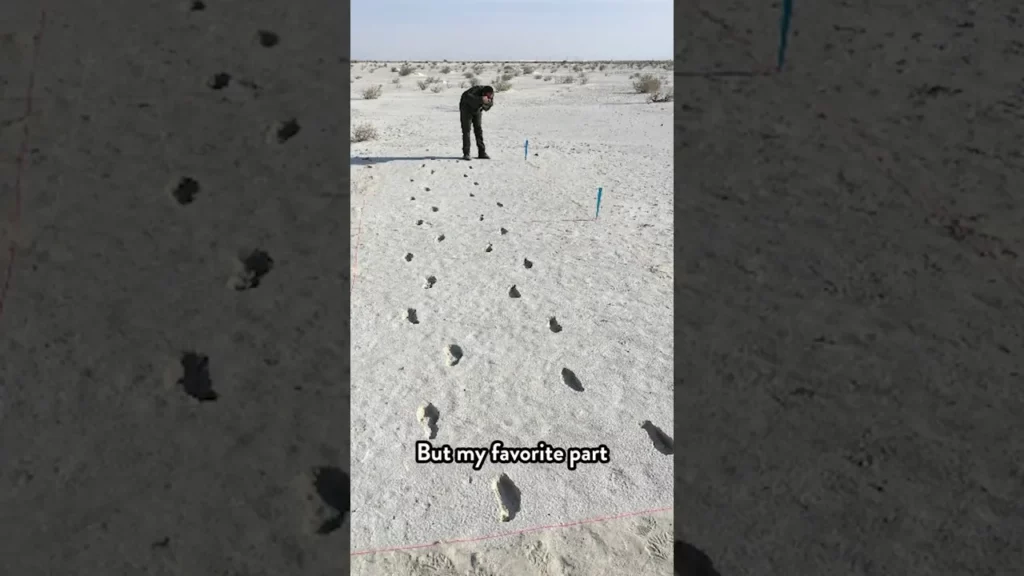
The lesson “Discovering Ancient Footprints: A Peek into the Past” explores the significant findings of ancient human and animal footprints at White Sands, New Mexico, which date back 20,000 to 23,000 years, suggesting that humans inhabited North America much earlier than previously believed. The footprints not only reveal the presence of early humans alongside giant creatures like mammoths and saber-toothed cats but also tell a poignant story of a family, highlighting the enduring nature of familial bonds. This discovery enhances our understanding of human history and migration, illustrating the curiosity and adaptability of our ancestors.
TRILLIONS of cicadas are emerging. Math can tell us why…
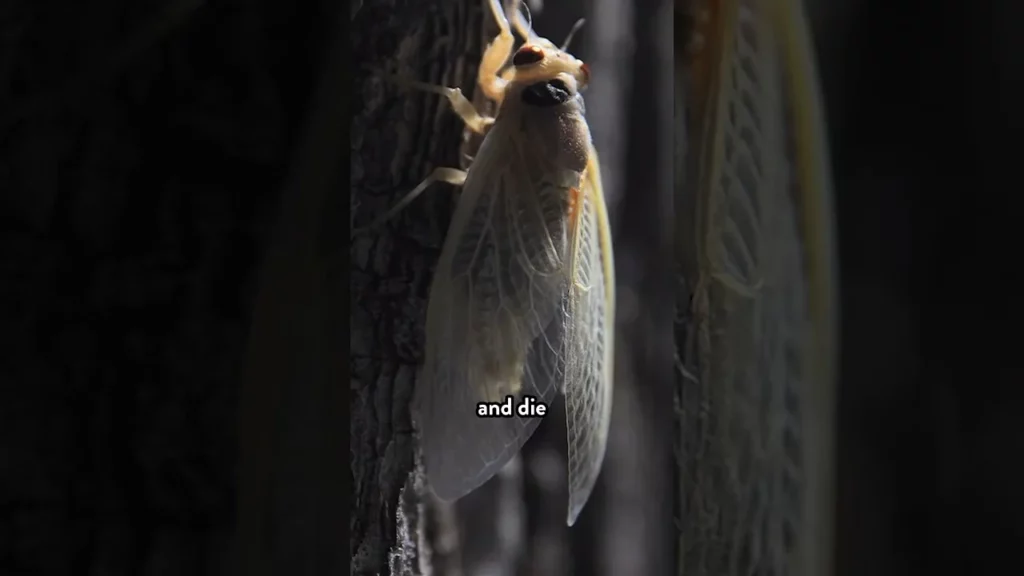
The lesson discusses the remarkable emergence of cicadas, specifically focusing on the unique life cycles of different broods that surface every 13 or 17 years. In 2024, two broods will emerge simultaneously, an event that occurs only once every 221 years, showcasing a clever evolutionary strategy against predators. The cicadas’ ability to time their emergence remains a scientific mystery, but their loud mating calls will serve as a reminder of this extraordinary natural phenomenon.
The Navy has video game-playing sea lions?! ???? ????
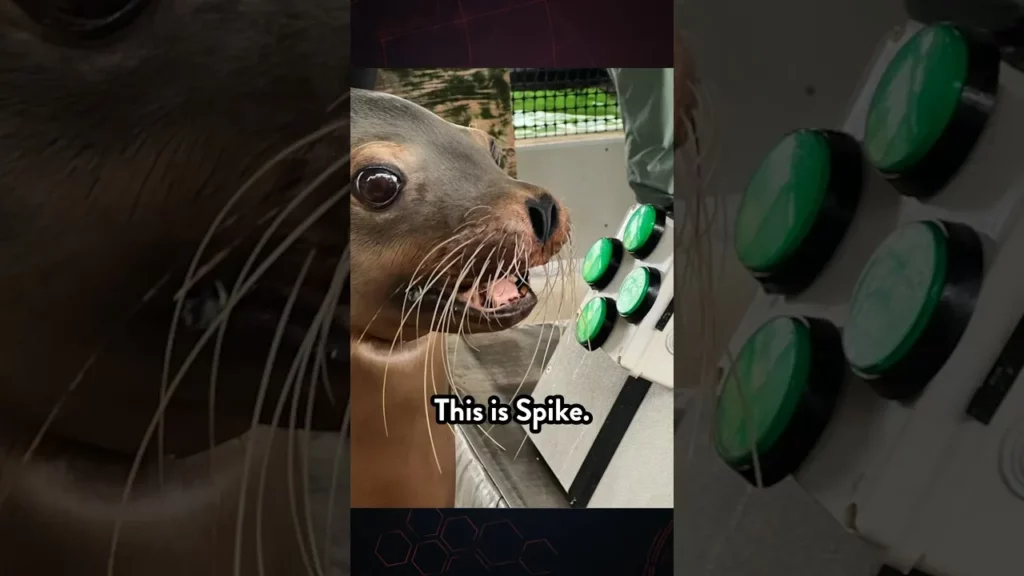
In this lesson, we learn about Spike, a sea lion in the US Navy’s Marine Mammal Program, who participates in video games designed to enhance his problem-solving skills. These games not only keep sea lions entertained and mentally stimulated but also help scientists understand their intelligence and capabilities, which are valuable for tasks like locating underwater mines. Overall, the lesson highlights the playful nature of sea lions and their important contributions to the Navy.
Who was the loneliest person ever?
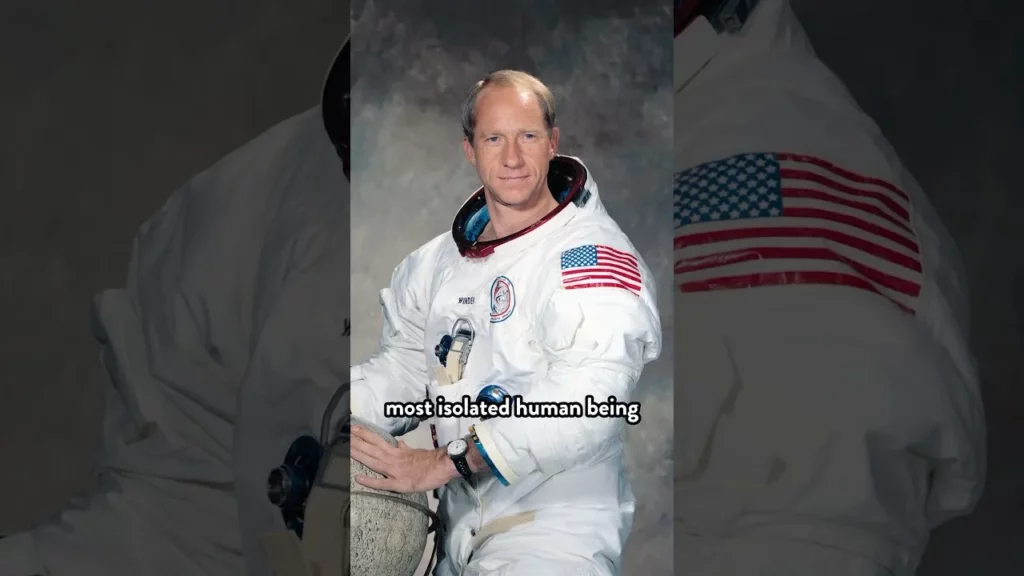
The lesson highlights the extraordinary experience of NASA astronaut Al Warden, who holds the record for being the most isolated human during the Apollo 15 mission in 1971. While his fellow astronauts explored the Moon, Warden orbited alone in the Command Module, reaching distances of over 2,200 miles from them and even farther from Earth, yet he found peace in his solitude, stating he was “alone, but not lonely.” This lesson emphasizes the challenges and adventures of space exploration, encouraging curiosity about the experiences of astronauts and the wonders of the universe.
This Apollo mission almost ended in MUTINY
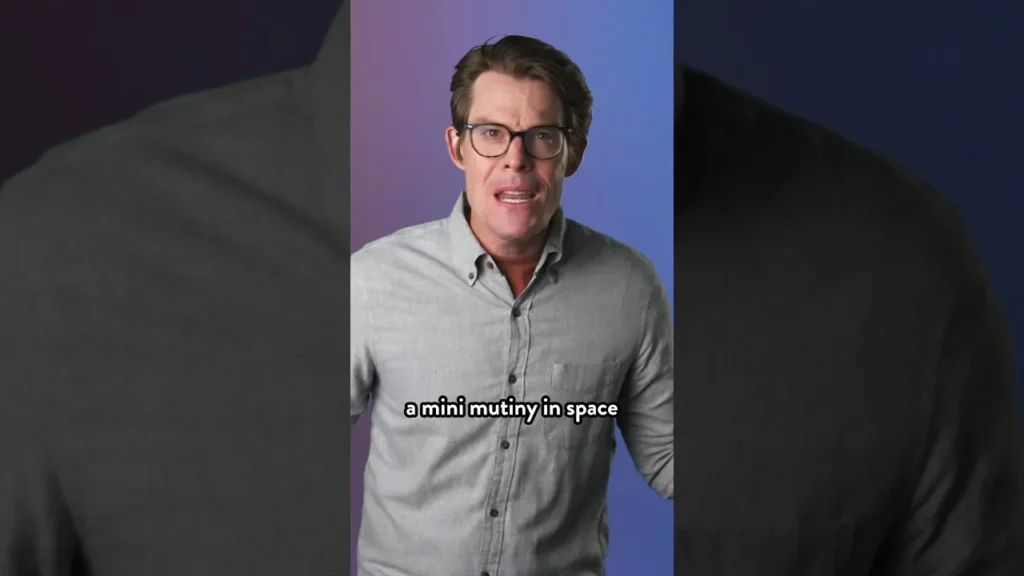
The lesson on Apollo 7 highlights the intense challenges faced by the crew during NASA’s first manned mission after the Apollo 1 tragedy. Tensions escalated due to poor weather conditions, a head cold affecting the commander, and the crew’s frustration with their circumstances, leading to a significant moment of defiance that resembled a mini mutiny in space. This incident underscored the human element of space exploration, reminding NASA that astronauts are not just machines to follow commands.
The most AMAZING thing about jumping spiders…
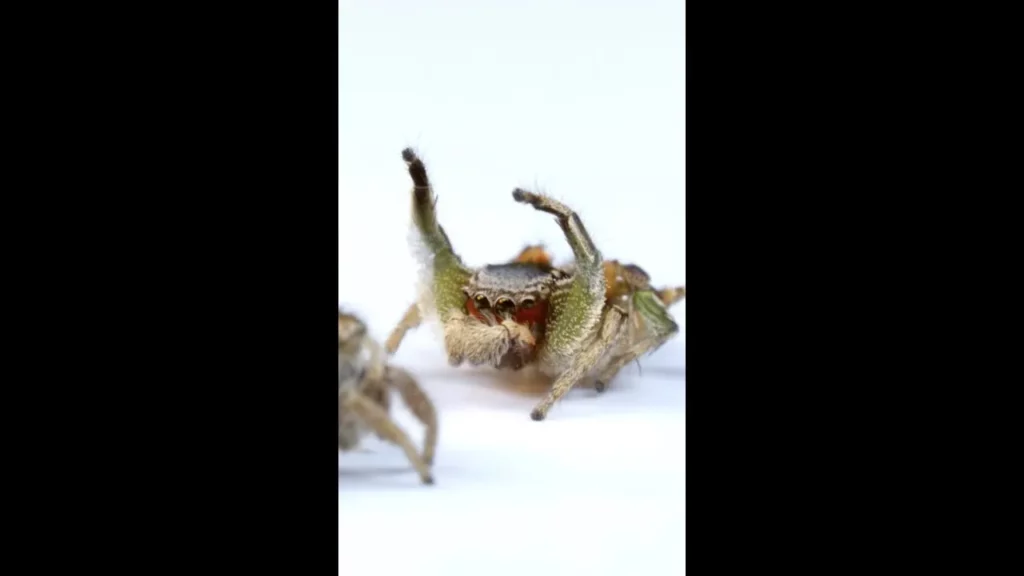
Jumping spiders are remarkable creatures known for their unique features and behaviors. They possess see-through bodies as juveniles, exceptional hunting skills that allow them to stalk and leap on prey, nearly 360-degree vision, and entertaining dance moves performed by males to attract females. These traits highlight the diversity and intrigue of the animal kingdom, making jumping spiders truly fascinating to observe.
This is why astronauts look so WEIRD in zero g
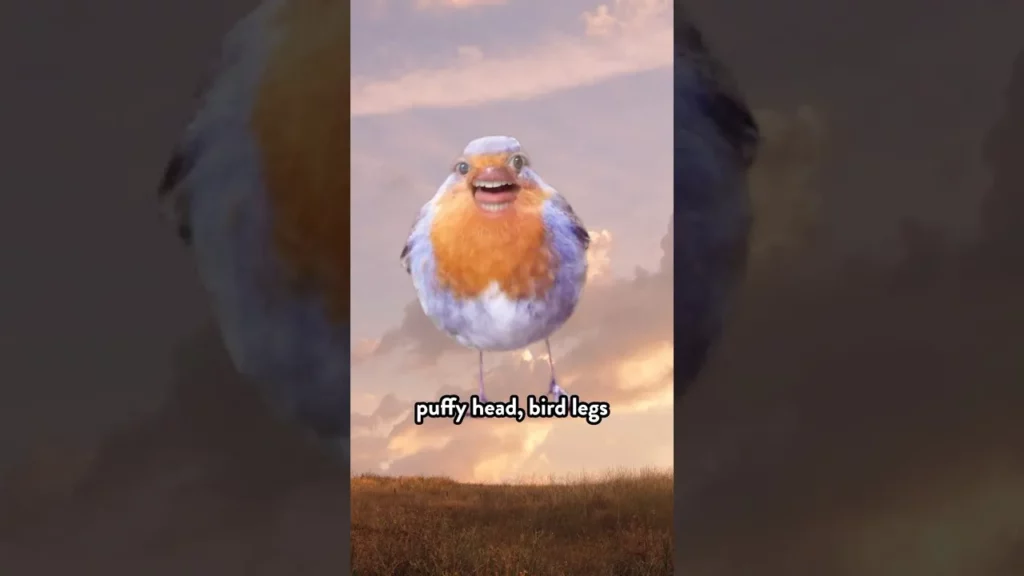
The lesson explores the effects of microgravity on astronauts, highlighting how fluid shifts within their bodies can lead to sensations similar to nasal congestion and changes in brain structure. MRI scans reveal that fluid accumulation around the brain can have long-term implications for astronauts’ health, raising concerns for future long-duration space missions. As research continues, understanding these effects is crucial for ensuring the well-being of astronauts during extended space travel.
Has AI Surpassed Human Creativity?

The lesson explores the comparison between human and AI creativity, particularly through a test measuring divergent thinking, where AI chatbots generally produced more unique ideas than most human participants. However, the most creative humans consistently outperformed AI, indicating that while AI is improving, it has not yet surpassed human imagination. The discussion raises important questions about the future role of AI in creative fields and its potential impact on the essence of human creativity.