
How Close Are We to Immortality?
The lesson explores the concept of a future where aging is redefined, allowing individuals to live significantly longer, healthier lives, potentially well into their 100s and beyond. It discusses the scientific quest for longevity, highlighting advancements in medicine and genetics that may slow or reverse aging processes, while also considering the societal implications of extended life. The lesson emphasizes the ongoing research into cellular aging and the potential for innovative treatments that could transform our understanding of health and longevity.
What Did Jesus Really Look Like?
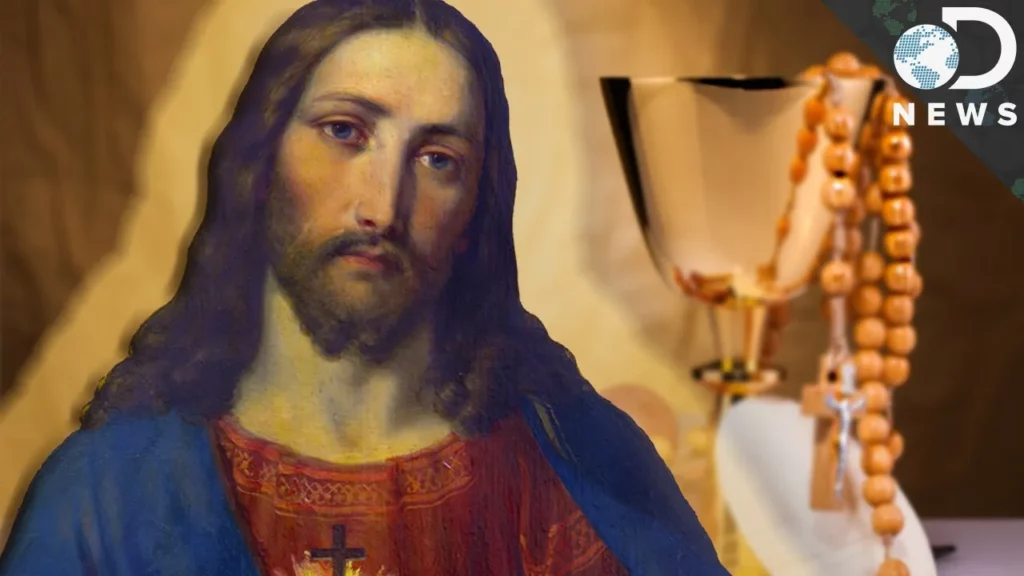
The lesson explores the historical and anthropological aspects of Jesus’s appearance, challenging the common depictions of him with fair skin and light hair. It highlights that the Bible does not provide a clear description of Jesus, and early representations were often imaginative, evolving over centuries. Forensic anthropologist Richard Neave’s reconstruction, based on skulls from Jesus’s time, offers a more accurate portrayal, suggesting that Jesus likely resembled a typical Jewish man of his era, while emphasizing the importance of focusing on his teachings and legacy rather than his physical appearance.
Why Do Nerds Wear Glasses?

The lesson explores the relationship between wearing glasses and intelligence, questioning whether glasses make individuals appear smarter or if intelligent people are simply more prone to needing them. A study from Mainz University Medical Center reveals that higher education levels correlate with increased rates of nearsightedness, suggesting that activities associated with education may contribute to this vision issue. While nearsightedness cannot be cured, spending more time outdoors and limiting close-up activities can help prevent its development, particularly in children.
What Happens if the Planets Align?
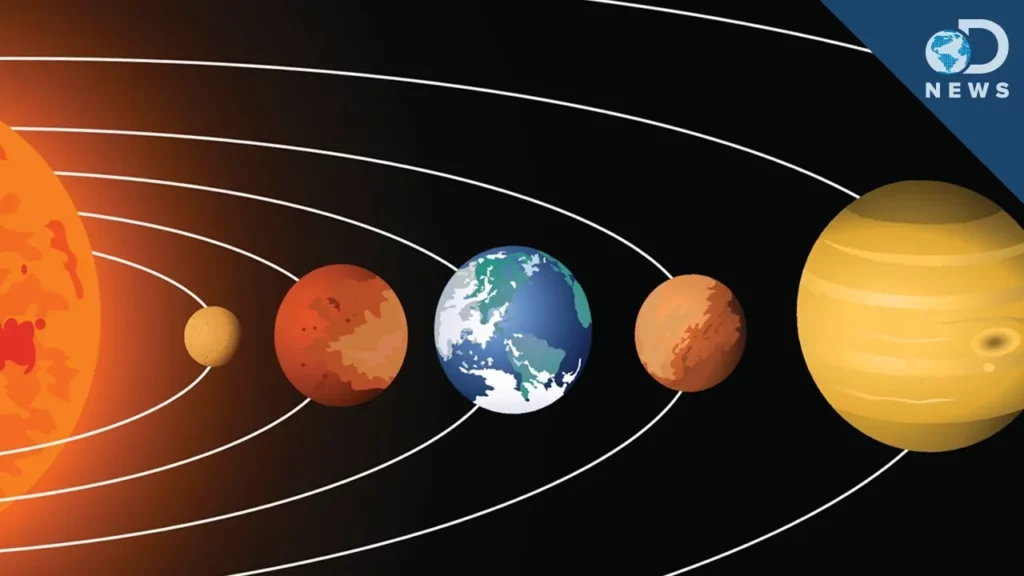
In this lesson, students learn about the upcoming triple planetary conjunction of Jupiter, Mercury, and Venus on May 26th, where the three planets will appear to form a triangle in the night sky. The lesson highlights the frequency of such alignments, noting that while three planets align every two years, four planets aligning is much rarer. Additionally, it clarifies that planetary alignments do not significantly impact Earth, encouraging viewers to enjoy the celestial event without concern.
There’s a Hidden Continent Lurking Beneath Europe
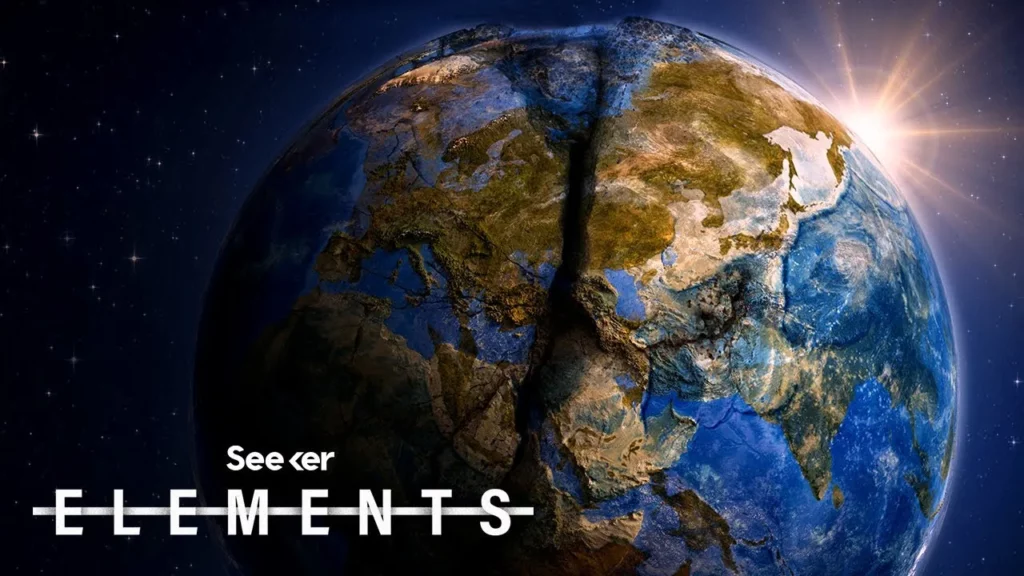
The lesson explores the fascinating history of Greater Adria, a lost continent that was once part of the Gondwana supercontinent and is now largely submerged beneath southern Europe. Through the processes of continental drift and subduction, Greater Adria became fragmented and contributed to the formation of the Apennine mountains, with remnants still found in the Mediterranean region. Researchers are utilizing advanced techniques, such as seismic imaging, to uncover the continent’s geological past and map its remnants deep within the Earth’s mantle.
Could a Fossilized Mosquito Resurrect Dinosaurs?
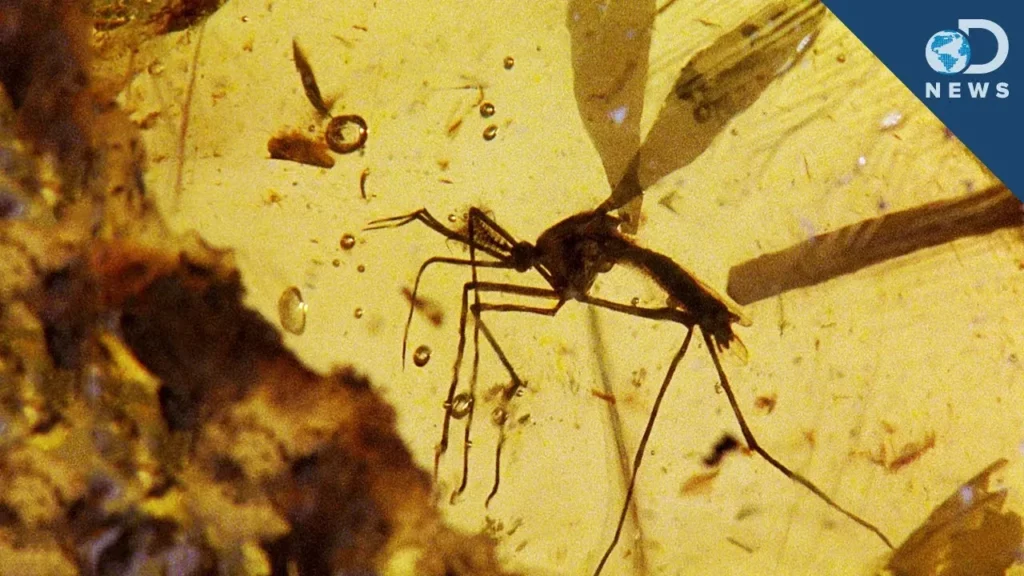
In this lesson, we explore the remarkable discovery of a fossilized mosquito containing blood, which is the first of its kind ever found. Although this find does not allow for the resurrection of dinosaurs as depicted in movies like “Jurassic Park,” it provides valuable insights into the evolution of blood-feeding insects through advanced scientific techniques. The fossil’s unique preservation in oil shale and the analysis of its ancient blood highlight the significance of this discovery in understanding the history of insects.
Why Can’t Different Species Mate With Each Other?
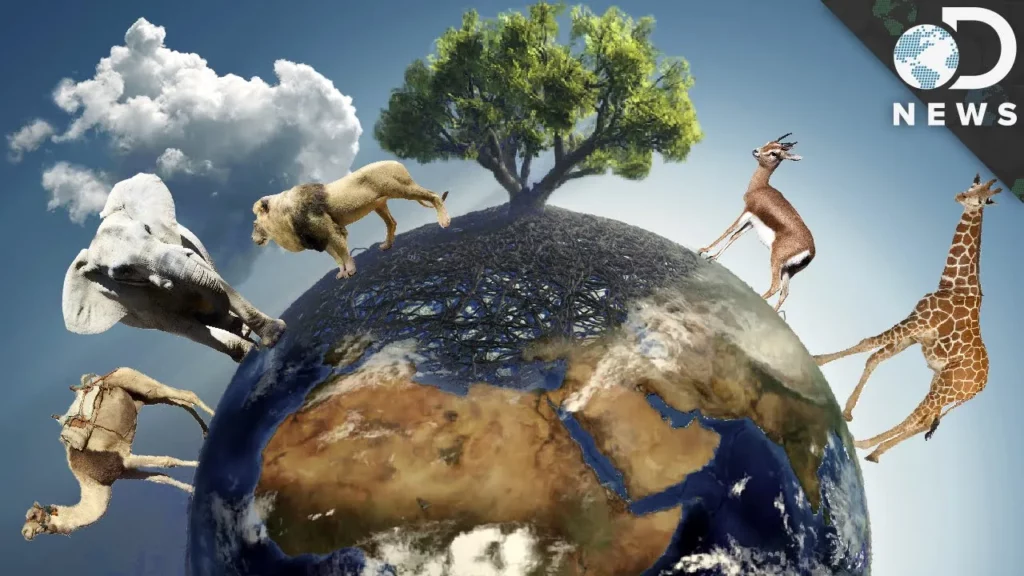
In this lesson, we explored the expansive “tree of life,” which now includes over 2.3 million species, highlighting the significance of evolution and speciation in understanding biodiversity. We examined different definitions of species, the challenges in classification, and the impact of molecular genetics on taxonomy, emphasizing the importance of accurately categorizing life forms to preserve our planet’s diversity. Additionally, we shared information about an upcoming live event in San Francisco related to this topic.
What Does Frostbite Do To Your Body?
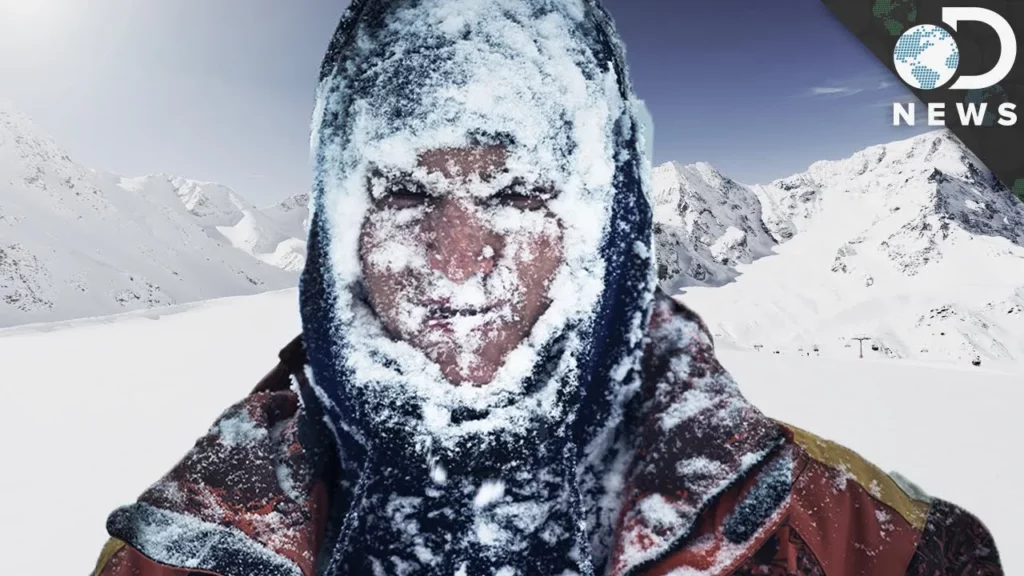
The lesson “Understanding Frostbite: A Chilling Adventure” explores the serious medical condition of frostbite, which occurs when skin and underlying tissues freeze due to extreme cold and wind exposure. Through the experiences of Everest Expedition leader Bob Hoffman, the lesson highlights the stages of frostbite, the challenges faced in extreme conditions, and the importance of proper gear and preparation for cold-weather adventures. It emphasizes that frostbite can occur even at lower altitudes and encourages awareness and caution during winter activities.
A Rare Look Inside The Doomsday Seed Vault Deep In The Arctic
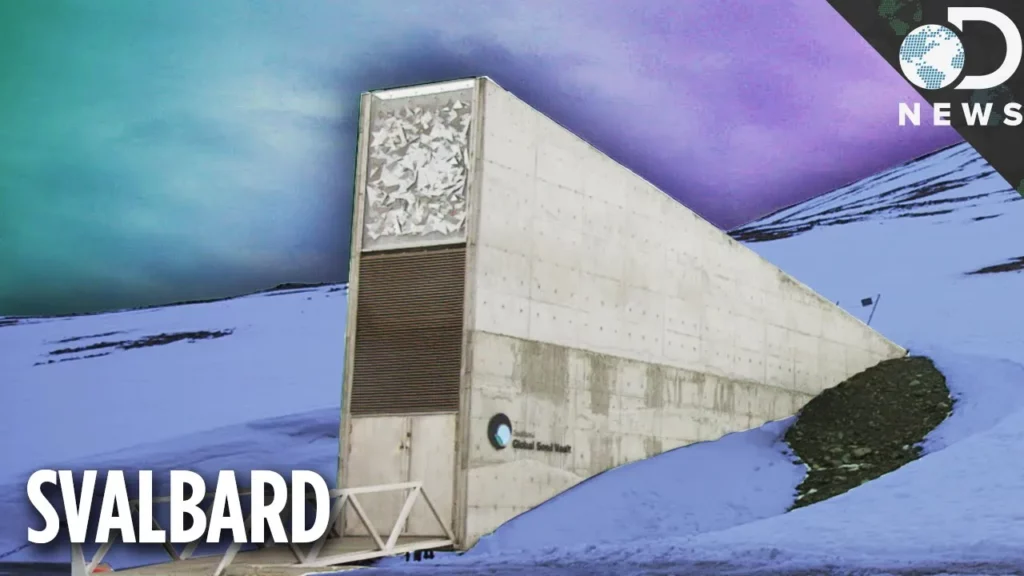
The Svalbard Global Seed Vault, located in a remote Arctic region, serves as a crucial backup for the world’s food supply by preserving seeds that represent 13,000 years of agricultural history. Its unique design takes advantage of the permafrost to maintain optimal storage conditions, ensuring the genetic diversity of vital crops is safeguarded against challenges like climate change and disease. This facility not only protects our agricultural heritage but also acts as a vital resource for future food security and biodiversity.
Why Do We All Have Different Hair?
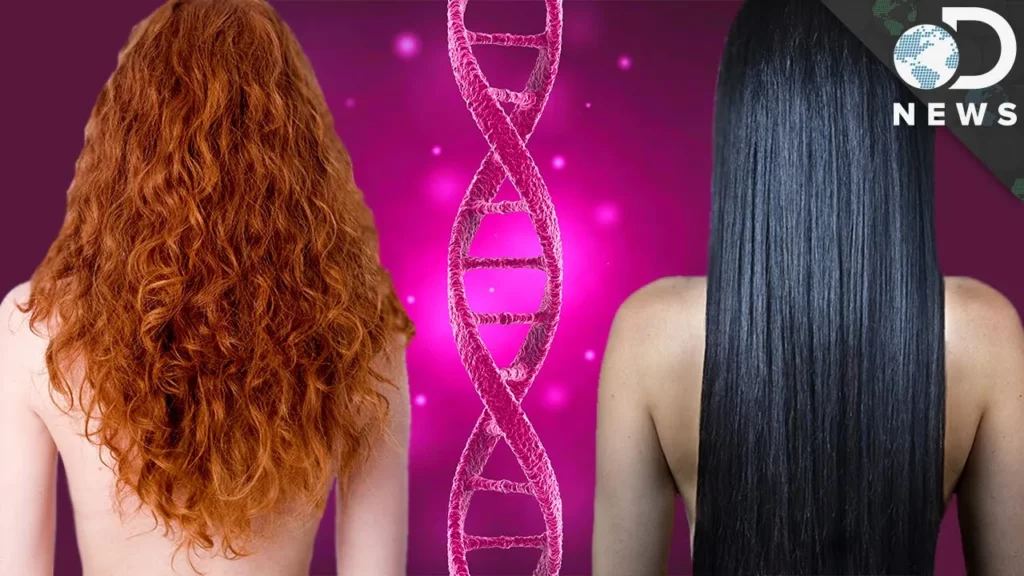
The lesson explores the intriguing characteristics and functions of hair, highlighting its biological composition, types, and evolutionary significance. It explains how hair varies among individuals due to genetic factors, the role of hormones during puberty, and the influence of hair follicle shape on texture. Additionally, the lesson touches on the potential functions of hair in social interaction, parasite detection, and protection from environmental elements, emphasizing the ongoing scientific interest in this complex topic.