
Why Does The Sound Of Chewing Drive Us Nuts?
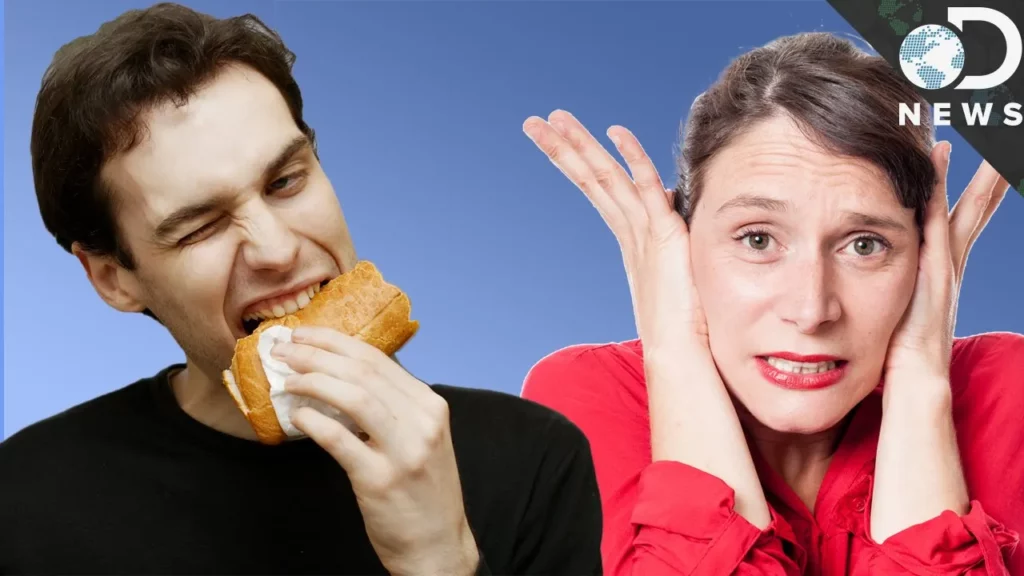
The lesson explores misophonia, a condition where everyday sounds trigger intense emotional and physical distress in certain individuals, distinguishing it from typical annoyances. Initially identified in 2001, misophonia has been linked to heightened brain-auditory system connections, and recent research highlights its significant impact on social interactions and daily life, often leading to aggression and isolation. The lesson emphasizes the need for further research and potential classification of misophonia as a distinct psychiatric condition to improve understanding and treatment options for those affected.
How Stephen Hawking Lived So Long With ALS
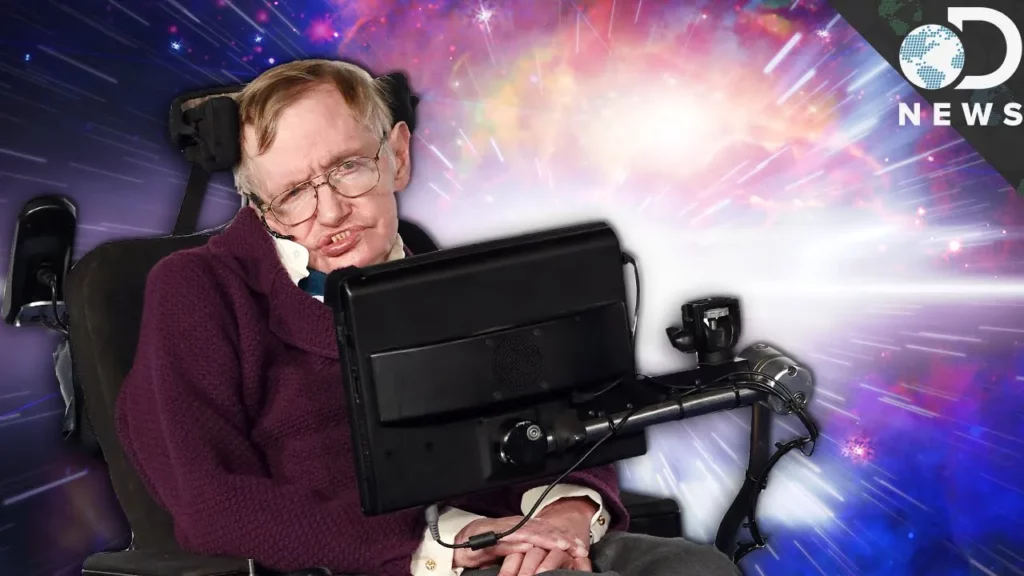
The lesson on Stephen Hawking highlights his remarkable achievements as a physicist despite living with ALS, a condition that severely limits physical abilities. Hawking’s groundbreaking theories on the universe, his ability to communicate through technology, and his positive outlook on life serve as an inspiration, demonstrating that resilience and determination can lead to extraordinary contributions, even in the face of significant challenges. His legacy encourages others to focus on their abilities and maintain a hopeful perspective.
Vaping vs. Smoking Pot: Which is Better For You?
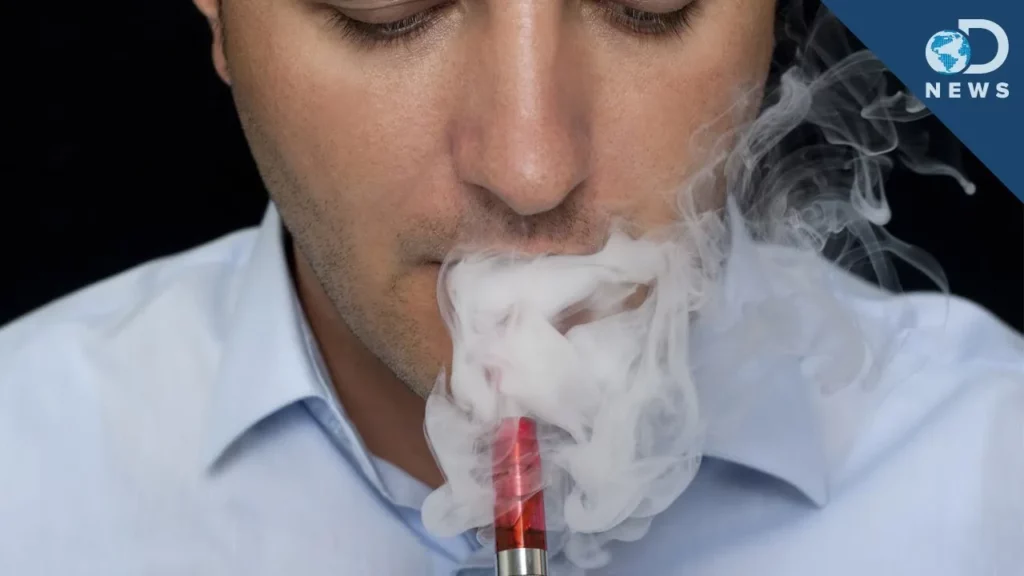
This lesson explores the evolving landscape of cannabis consumption, particularly focusing on the differences between smoking and vaping. While smoking involves combustion and can introduce harmful byproducts, vaping uses lower temperatures to activate THC without the same health risks, making it a potentially healthier alternative. As states like New York consider legalizing cannabis with an emphasis on non-smoking methods, the discussion around the benefits and implications of these consumption methods continues to grow.
These Terrifying Alien Worlds Actually Exist

The lesson “Exploring the Mysteries of Exoplanets” delves into the fascinating world of exoplanets—planets that orbit stars outside our solar system—highlighting their diverse characteristics and the advanced technology that allows astronomers to discover them. Notable examples include 55 Cancri e, a super-Earth with extreme temperatures and potential toxic fluids, and CoRoT-2a, a hot Jupiter losing material due to its proximity to its star. The lesson emphasizes the rapid advancements in exoplanet discovery over the past two decades, sparking curiosity about the potential for extraterrestrial life and the mysteries of the universe.
How Much Testosterone Do You Have?

The lesson “Understanding Testosterone: Beyond the Basics” explores the multifaceted role of testosterone, highlighting its production in both males and females and its significance beyond traditional associations with masculinity. It discusses variations in testosterone levels across different populations, the hormone’s influence on behavior, and its complex relationship with health and aging, particularly in women. Ultimately, the lesson emphasizes that while testosterone is crucial for various bodily functions and social dynamics, its effects are nuanced and not fully understood.
Why Do Some People Bruise So Easily?

The lesson explains that bruises occur when capillaries break under the skin due to impact, leading to internal bleeding that the body gradually heals. Factors such as age, body composition, and certain medications can influence how easily a person bruises. While most bruises are harmless, unusual or persistent bruising may indicate underlying health issues, warranting consultation with a healthcare professional.
Why Do Dogs And Cats Eat Grass?

The lesson explores the reasons why cats and dogs eat grass, despite being primarily carnivorous animals. It suggests that both pets may consume grass for digestive benefits, as it provides necessary fiber, and highlights that this behavior is normal for dogs, who may also enjoy the taste. Additionally, the lesson touches on the idea that pets can become bored with their food, leading them to seek out different flavors, such as those found in grass.
Can We See 3D Without 3D Glasses?

The lesson explores the advancements in 3D technology, particularly focusing on autostereoscopy, which allows for 3D displays without glasses. A startup named TriLite, in collaboration with the Vienna University of Technology, is developing a prototype that utilizes lasers to create dynamic outdoor 3D images visible from multiple angles, although it currently has limitations regarding viewing distance and image capture. The lesson highlights the evolution of 3D technology from historical methods to modern innovations, emphasizing its potential future impact on entertainment and visual experiences.
How Close Are We to Living in the Ocean?
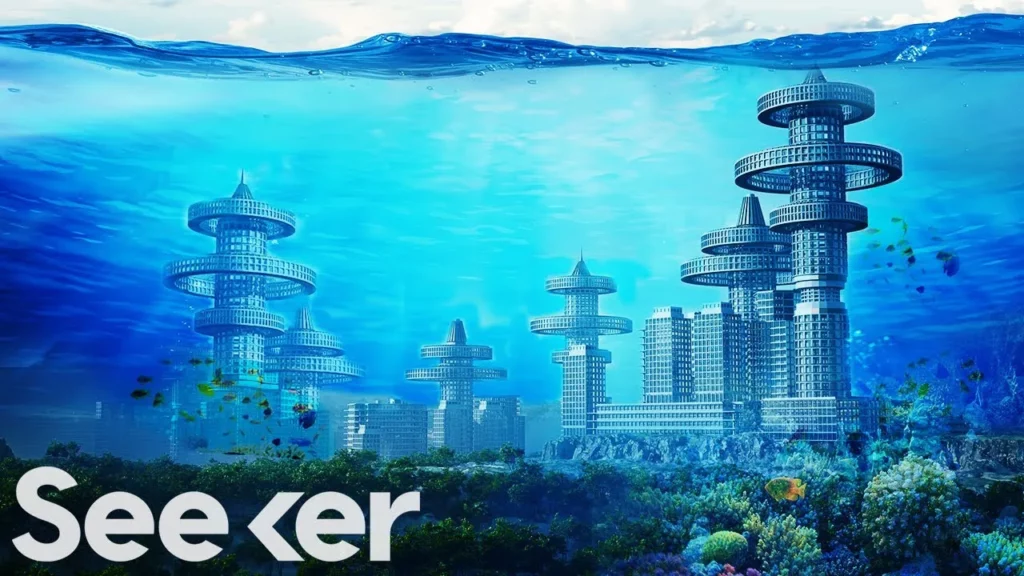
The lesson explores the innovative concept of floating cities as a sustainable solution to urban overcrowding and climate change challenges. Highlighting the Oceanix project, it discusses the design and functionality of these cities, which aim to support communities while minimizing environmental impact through renewable energy sources and sustainable practices. With the potential to adapt to rising sea levels and provide a unique connection to the ocean, floating cities could become a viable option for future living.
Inside the Lab Where Robots Run Their Own Experiments
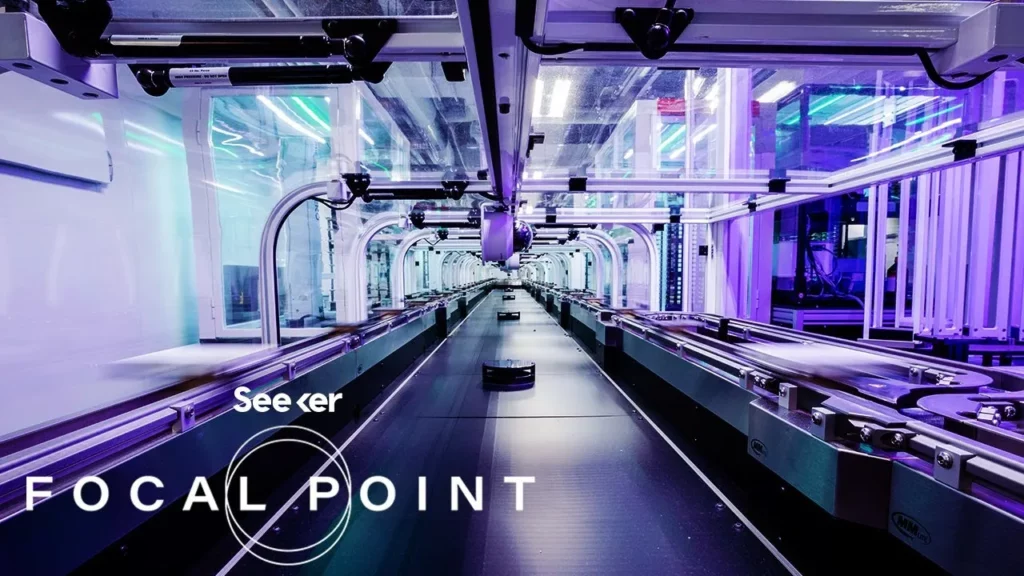
The lesson explores the transformative impact of robotic automation in scientific laboratories, highlighting how robots are revolutionizing drug discovery and experimental processes. By shifting from manual to automated science, researchers can enhance precision, efficiency, and consistency in experiments, allowing them to focus on creative tasks and innovative hypotheses. The integration of robotics, machine learning, and AI not only democratizes access to advanced scientific tools but also reshapes the role of human scientists, enabling them to achieve greater breakthroughs in their research.