
Why Do We Get Acne?
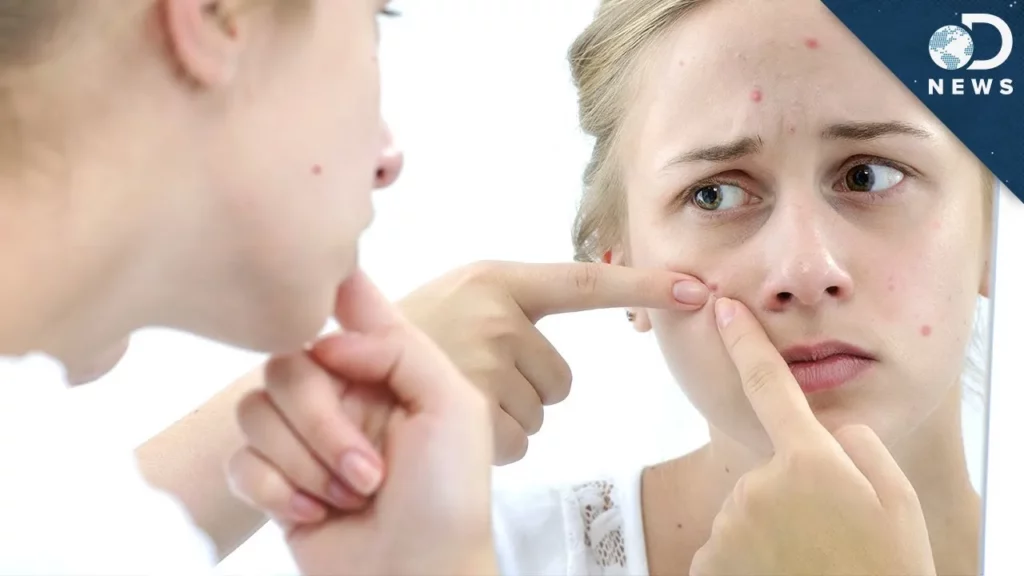
The lesson explores the various theories behind the causes of acne, highlighting both evolutionary and lifestyle factors. It discusses how the rapid loss of body hair may have led to clogged pores due to sebaceous glands not adapting quickly enough, and how acne during puberty might signal readiness for parenthood. Additionally, it examines the impact of modern diets and the possibility of over-washing on skin health, inviting personal experiences and insights from the audience.
There’s A Dinosaur That Survived Mass Extinction!
The lesson introduces the newly discovered dinosaur, Leikupal laticauda, found in Patagonia, which challenges previous beliefs about the extinction timeline of diplodocid sauropods. This fossil discovery, the first of its kind in South America, suggests that these dinosaurs survived longer than previously thought and provides insights into their migration patterns and evolution. Overall, it highlights the ongoing advancements in dinosaur research and the importance of understanding Earth’s prehistoric life.
Should You Let A Dog Lick Your Face?

The lesson explores the reasons behind dogs’ tendency to lick and the implications for human health. While many people enjoy dog kisses, it’s important to understand that both dogs and humans carry different types of bacteria in their mouths, which can pose health risks, particularly if there are open wounds. The lesson emphasizes the need for hygiene, such as washing hands after interacting with dogs, to minimize the risk of infections.
NASA Solved The Mystery Of The Moon’s Strange Glow!
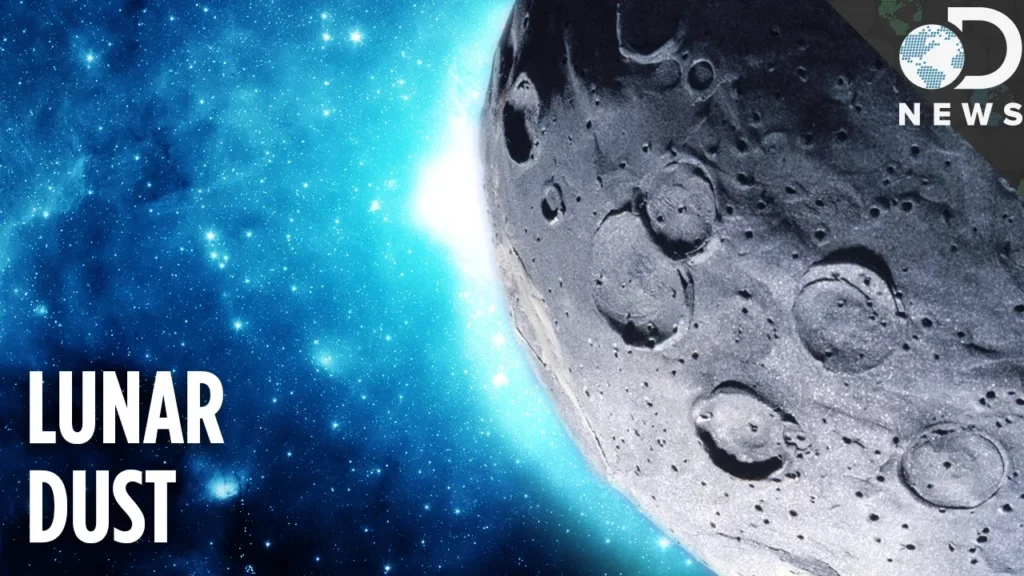
In this lesson, we explored the intriguing mysteries of the moon, particularly the phenomenon of its glow, which is caused by tiny dust particles known as “electric dust.” Unlike Earth, where air pressure keeps dust suspended, the moon’s glow results from electromagnetic forces created by ultraviolet light and plasma from the Sun, causing dust particles to float and emit light. This fascinating process not only occurs on the moon but also in other celestial bodies, such as Saturn’s rings, highlighting the wonders of space.
Inside the Giant Mech Suit Made for Racing
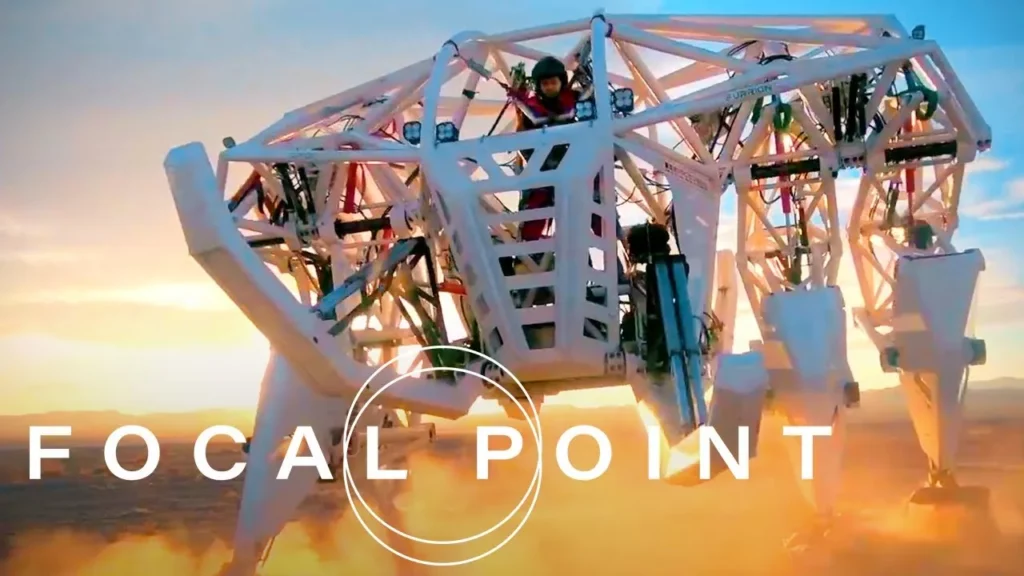
The lesson explores the innovative world of human-driven mech suits, specifically focusing on Prosthesis, a massive machine designed for competitive racing that emphasizes human control over automation. Created by Jonathan Tippett, Prosthesis showcases the potential of combining engineering with human skill, aiming to establish a new sport that celebrates piloting prowess. Despite initial skepticism, Tippett envisions a future where mech racing becomes a thrilling reality, with applications extending beyond sports to fields like search and rescue and space exploration.
Does An Apple A Day REALLY Keep The Doctor Away?
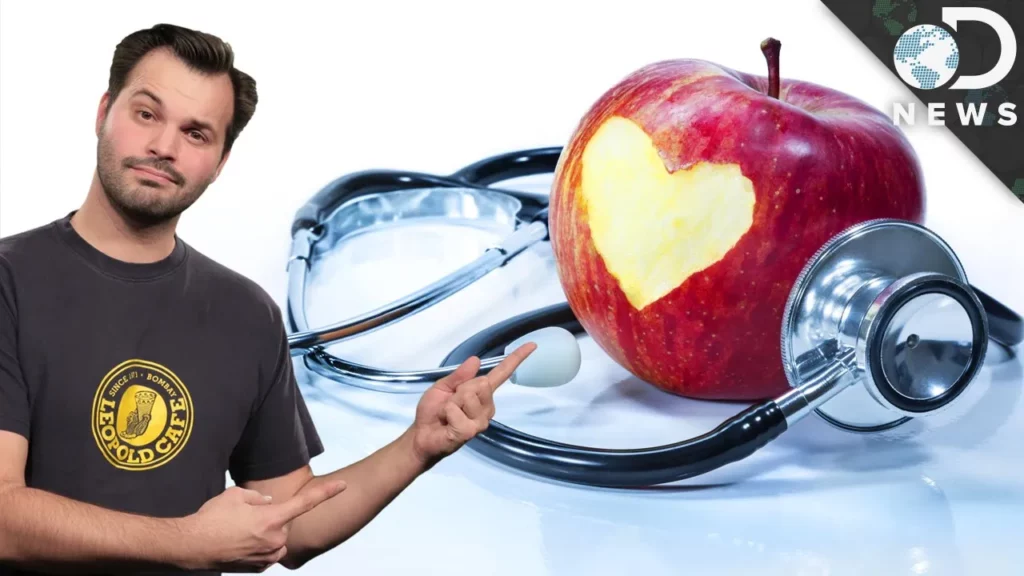
The lesson explores the saying “An apple a day keeps the doctor away,” tracing its origins and examining the health benefits of apples supported by scientific research. Apples are rich in beneficial components like pectin, boron, and vitamins, which contribute to heart health and may reduce the risk of certain diseases. While apples are nutritious, the lesson emphasizes the importance of a balanced diet that includes a variety of fruits for optimal health.
How Close Are We to Finding a Parallel Universe?

The lesson delves into the intriguing concept of parallel universes, exploring various multiverse theories such as the Type I multiverse, quantum multiverse, and mirror universe. It highlights recent advancements in cosmology and particle physics that bring us closer to understanding the nature of our universe and the potential existence of others, while also discussing the cosmic clues and mechanisms that could lead to their discovery. Ultimately, the lesson emphasizes the ongoing exploration in this field and the exciting possibilities that lie ahead in our quest to uncover the mysteries of the multiverse.
How Do Eels Make Electricity?
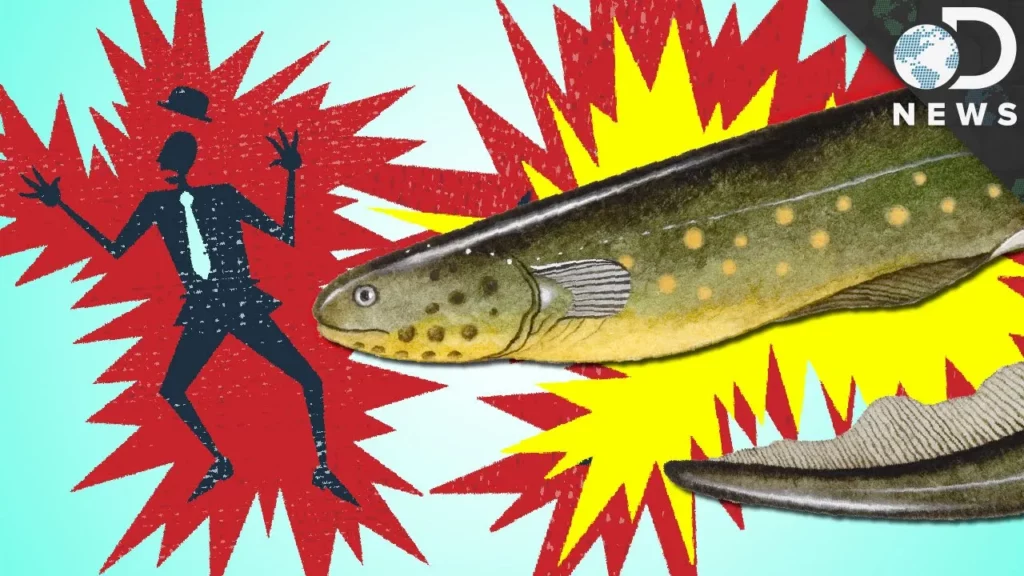
The lesson explores the unique characteristics and fascinating abilities of electric eels, which are actually a type of knife fish rather than true eels. These remarkable creatures can generate powerful electric charges using specialized muscle cells called electrocytes, allowing them to stun prey and navigate their environment. Additionally, electric eels utilize their electric shocks for both hunting and sensory purposes, showcasing their adaptability and intriguing biology.
Kids Who Draw Well Are Geniuses!
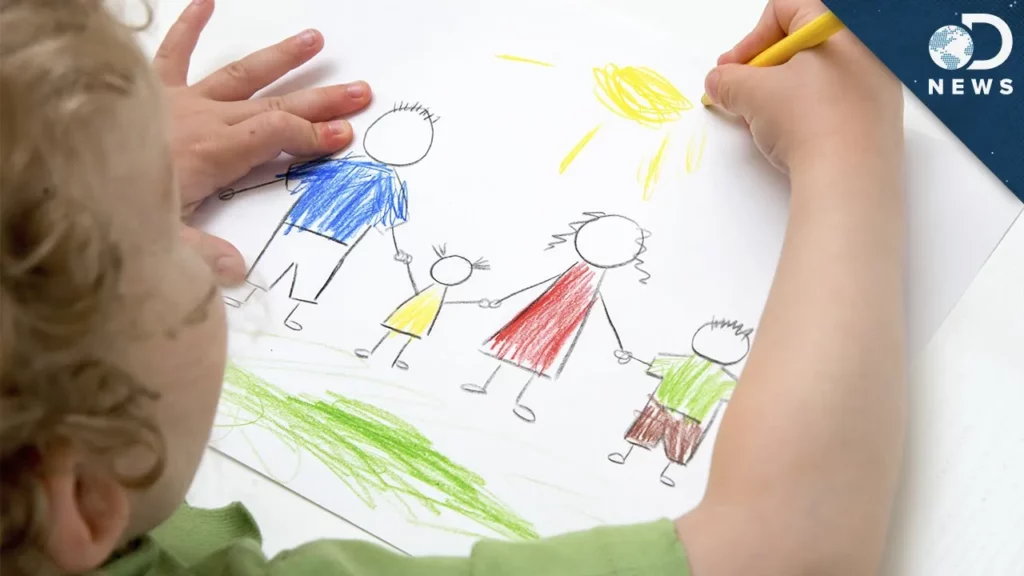
This lesson explores the intriguing connection between drawing skills in childhood and later intelligence, based on a study that assessed four-year-olds’ drawings and tracked their intelligence at age fourteen. The findings suggest that while there is a correlation between drawing ability and intelligence, it is just one of many factors influenced by both genetics and environment. Ultimately, drawing serves as a form of expression that reflects cognitive understanding and creativity.
How To Stop Shaking When You’re Nervous
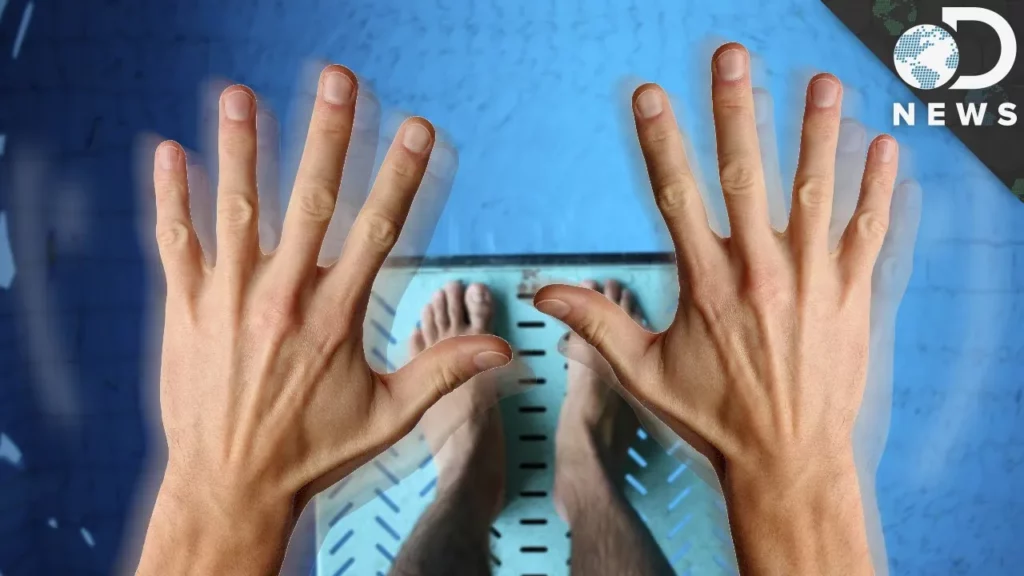
The lesson on “Understanding Adrenaline: The Body’s Natural Response to Stress” explains how adrenaline, a hormone released during stress, prepares the body for action by increasing heart rate, blood circulation, and metabolism. It highlights the brain’s role in regulating adrenaline release and introduces breathing techniques, such as tactical breathing, to help manage adrenaline responses and maintain calmness in stressful situations.