
How Colors Affect Your Mood

The lesson explores the profound impact colors have on our emotions and behaviors, highlighting how specific colors are associated with particular feelings—such as red with excitement and blue with calmness. It also discusses the physiological effects of colors, such as how they can influence the efficacy of medications and even our physical performance. By understanding these connections, individuals can strategically use colors in their environment to enhance their mood and well-being.
Why Do We Have Fingernails and Not Claws? #AskDNews

Fingernails, a trait inherited from our primate ancestors, evolved over 50 million years ago through natural selection, providing advantages for tasks like climbing and foraging. Made of keratin, nails protect the sensitive skin underneath, enhance our ability to handle small objects, and can even indicate health conditions. Beyond their practical functions, nails have also served as a means of personal expression and social status throughout history.
How Seaweed Could Slow Down Climate Change
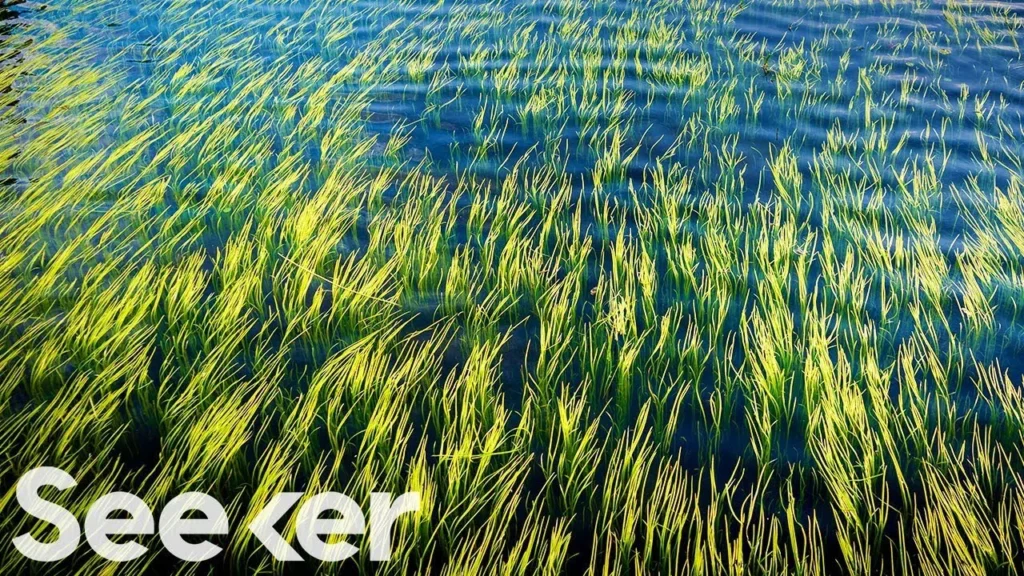
The lesson explores the significant environmental impact of meat consumption, particularly from cattle, which contribute to 14.5% of global greenhouse gas emissions primarily through methane production. Researchers at UC Davis are investigating the use of a seaweed supplement, specifically *Asparagopsis*, to reduce methane emissions in cattle diets, showing promising results with reductions of up to 60%. The study emphasizes the need for sustainable practices in animal agriculture to balance meat demand with environmental protection.
How Does Your Brain Learn To Read?
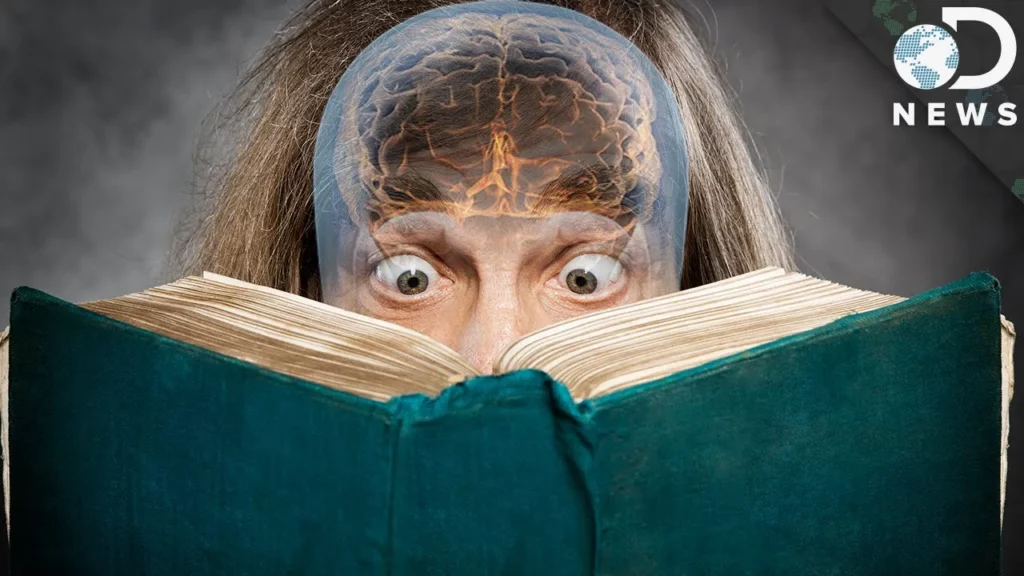
The lesson explores the intricate process of how our brains learn to read, beginning with the foundational skills acquired in early education, such as recognizing letters and sounds. It highlights the significance of automatic word processing, the brain’s ability to recognize whole words rather than individual letters, and the optimal learning period for reading development. Additionally, it discusses the challenges posed by the irregularities of the English language and the historical context of reading as a means of exploration and control.
Why Can’t We Vote Online?

The lesson explores the reasons why online voting is not currently feasible, highlighting significant security concerns and vulnerabilities associated with internet voting systems. While online transactions like banking and shopping are common, they are not as secure as they appear, and the risks of cyber attacks on voting could undermine the integrity of elections. Despite Estonia’s successful implementation of online voting, challenges such as the need for national ID systems and the complexity of securing anonymous ballots make traditional voting methods the safest option for now.
Moore’s Law Is Ending… So, What’s Next?
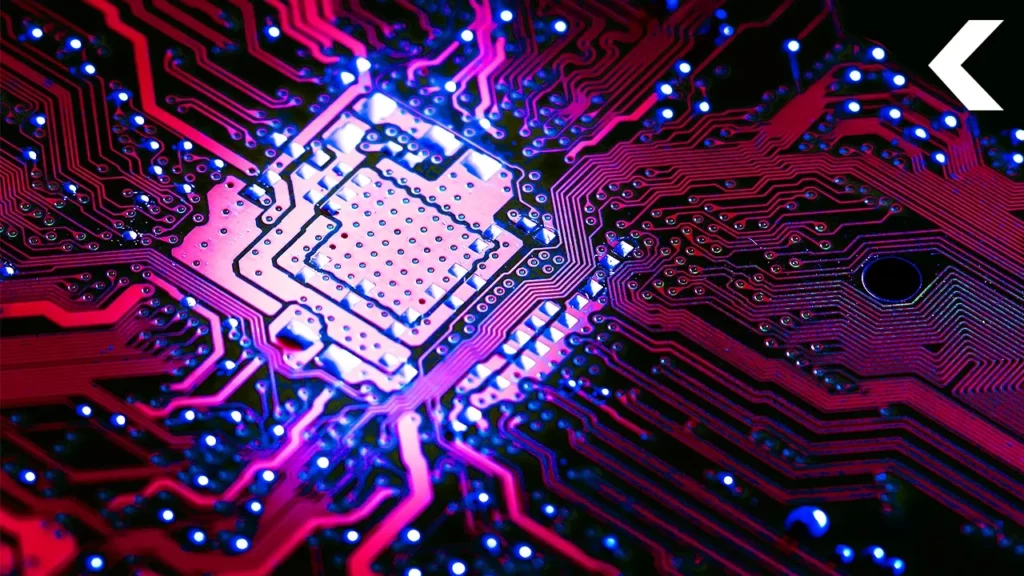
The lesson discusses the evolution of cellphones and the impact of Moore’s Law, which predicts that the number of transistors on a chip doubles approximately every two years, leading to more powerful and affordable technology. It highlights the transition from simple mobile devices to advanced smartphones and introduces emerging technologies like quantum and neuromorphic computing, which aim to create machines that can learn and adapt like the human brain. The lesson emphasizes the potential future applications of these technologies, such as intelligent robots and adaptive vehicles.
Jellyfish Lasers Are Revolutionizing Quantum Physics
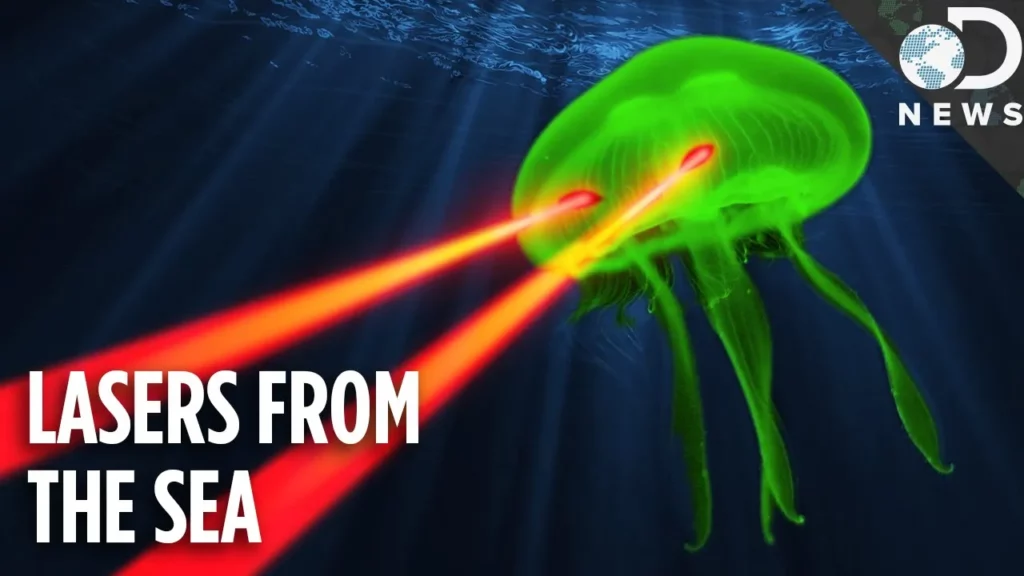
This lesson explores the innovative intersection of jellyfish proteins and laser technology, highlighting the creation of biological lasers. Scientists have successfully harnessed green fluorescent protein from jellyfish to produce lasers, leading to advancements like the polariton laser, which operates at room temperature. As research continues, the potential for new applications and colors in laser technology, inspired by other bioluminescent organisms, promises exciting developments in both bioengineering and quantum physics.
These College Students Built a Hyperloop Pod… Here’s What Happened
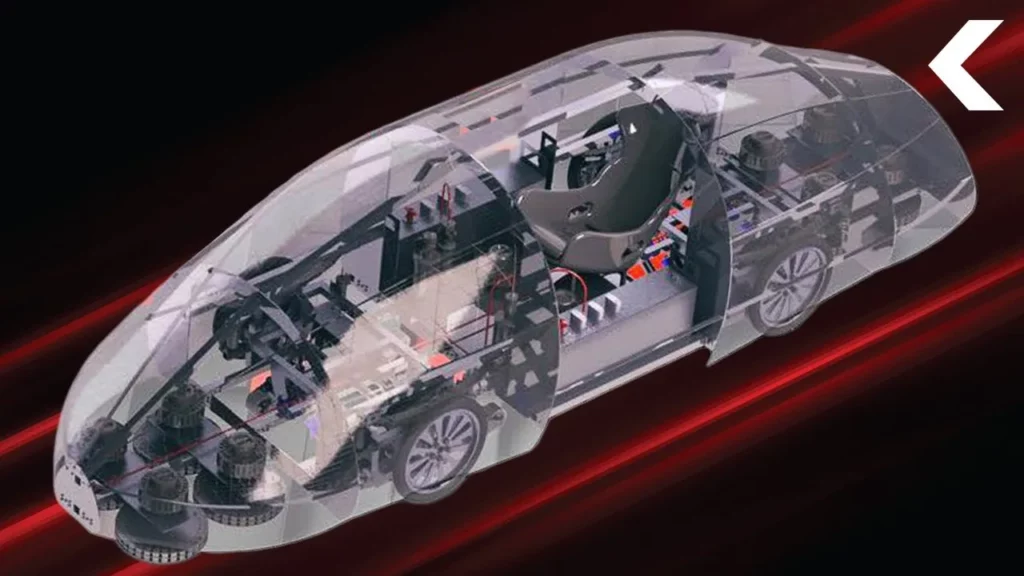
The Hyperloop Pod Competition serves as a global platform for engineering innovation, where teams like Badger Loop, inspired by Elon Musk’s vision, strive to design and build high-speed transportation pods. Despite facing technical challenges that prevented them from competing fully, Badger Loop’s innovative approach earned them the Innovation Award, highlighting their commitment to teamwork and progress in the field of engineering. This competition not only showcases cutting-edge designs but also inspires future generations to engage in transformative transportation projects.
What Color Were Dinosaurs… Really?
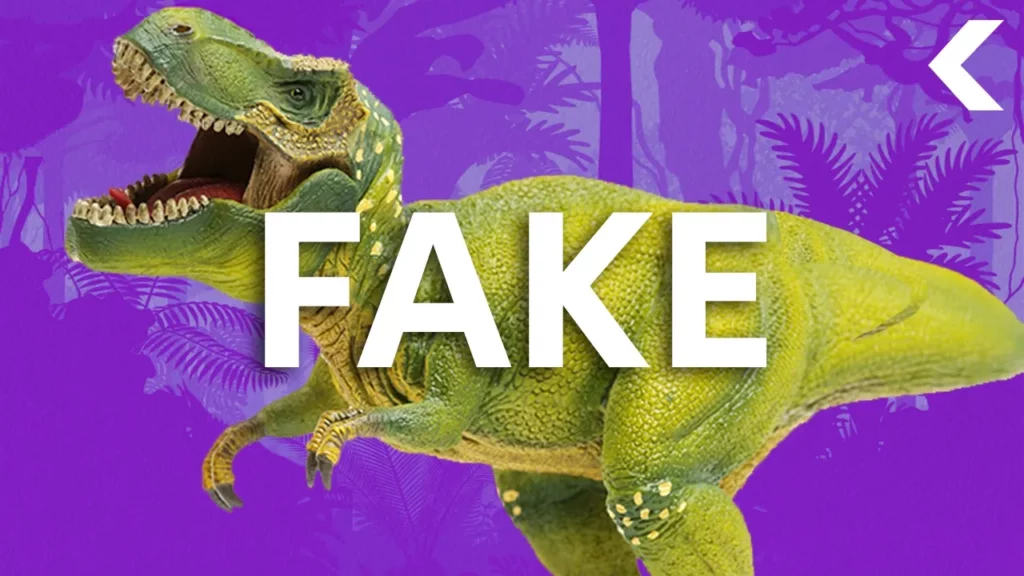
The lesson “Discovering Dinosaurs: The Art and Science of PaleoArt” explores the collaboration between scientists and artists in reconstructing the appearance of dinosaurs based on fossil evidence. It highlights the evolution of dinosaur depictions from early misconceptions to more accurate representations, emphasizing the challenges of determining their colors and features. Recent advancements, such as the discovery of a well-preserved nodosaur, illustrate the ongoing journey of understanding these prehistoric creatures through a blend of art and science.
Mini-Nuclear Reactors Are Coming, and They Could Reinvent the Energy Industry
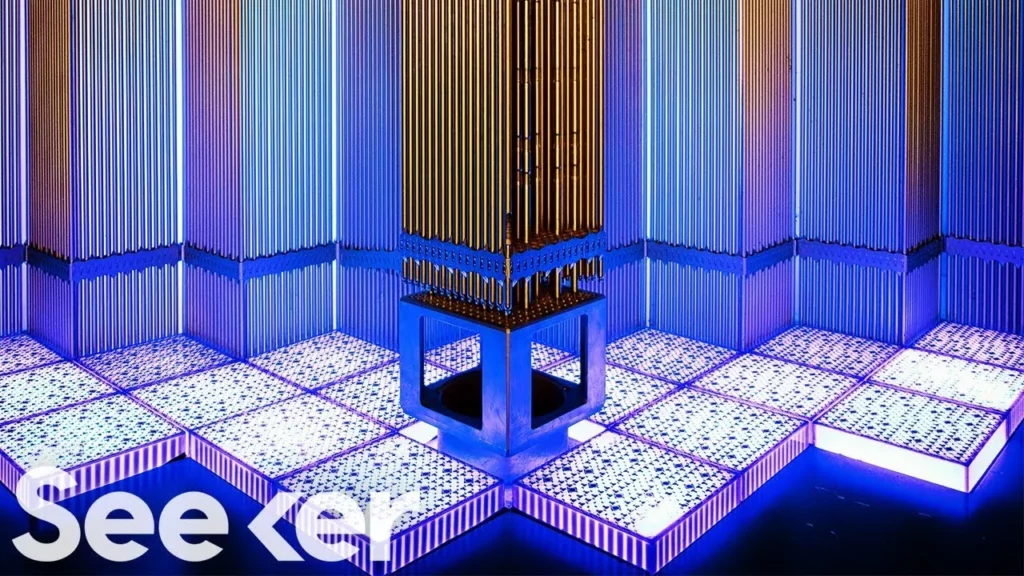
The lesson explores the potential of Small Modular Reactors (SMRs) as a transformative solution for the nuclear power industry, particularly in light of past safety incidents and the challenges faced by traditional large-scale reactors. NuScale’s innovative design emphasizes safety, efficiency, and reduced costs, positioning SMRs as a viable option for cleaner energy production. While the future of nuclear power with SMRs looks promising, concerns regarding waste management and operational effectiveness still need to be addressed.