
This Synthetic DNA Factory Is Building New Forms of Life
The lesson on “Exploring the Future of Synthetic Biology” highlights the collaborative efforts of biologists, engineers, and automated systems in creating synthetic DNA to engineer microorganisms into mini-factories for producing food, fuels, and medicines. It emphasizes the transformative potential of synthetic biology, which goes beyond traditional genetic modification by allowing for the design of entirely new genetic codes, while also addressing the ethical considerations and challenges associated with these advancements. The lesson underscores the importance of interdisciplinary collaboration to responsibly navigate the future of this rapidly evolving field.
We’re Using Stem Cells to Reverse Baldness and It’s Actually Working
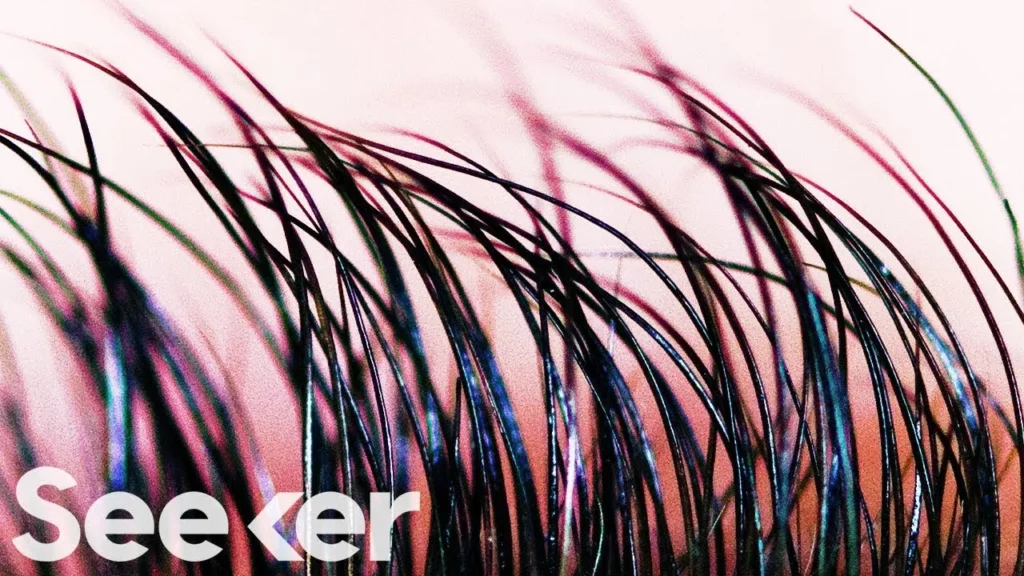
The lesson discusses recent advancements in hair regeneration science, highlighting the development of lab-grown hair follicles and innovative techniques for scalable production. Researchers have successfully cultivated hair follicle germs and created a mini-chip that can grow thousands of follicles simultaneously, showing promising results in trials with mice. The potential for using a patient’s own stem cells for personalized hair restoration treatments offers hope for those experiencing hair loss, although further development is needed before these methods can be applied to humans.
Why Aren’t Modern Animals As Large As Dinosaurs?
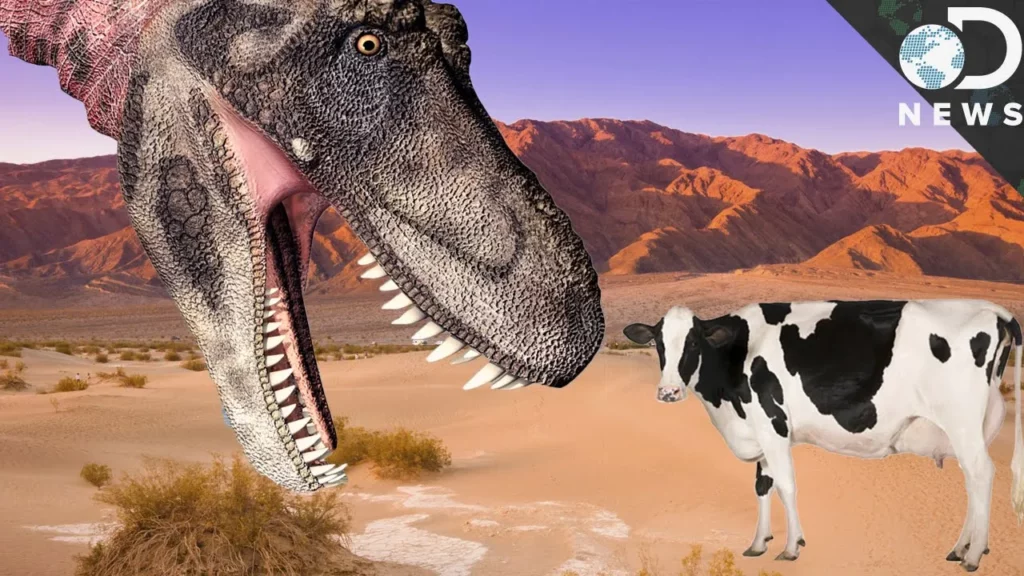
The lesson explores why giant pets like dinosaurs are no longer present today, highlighting the significant differences in Earth’s atmosphere and environment during the Mesozoic Era when dinosaurs thrived. Factors such as higher carbon dioxide levels, the supercontinent Pangea, and the availability of abundant vegetation contributed to the growth of these massive creatures. Additionally, the lesson discusses the evolutionary connection between dinosaurs and modern birds, emphasizing the ongoing scientific inquiry into the reasons behind the dinosaurs’ impressive size.
Do We Still Need Women To Make Babies?

The lesson explores the fascinating science behind human reproduction, detailing the process of fertilization where a sperm cell meets an egg cell to form an embryo. It highlights historical misconceptions about reproduction, significant scientific breakthroughs, and the ongoing research that suggests potential new methods of embryonic development, while emphasizing that both sperm and egg are still essential for creating a baby. The lesson encourages curiosity about reproductive science and invites further exploration through engaging resources.
Ancient Humans & Neanderthals Had Sex, Here’s How It Changed Us Forever
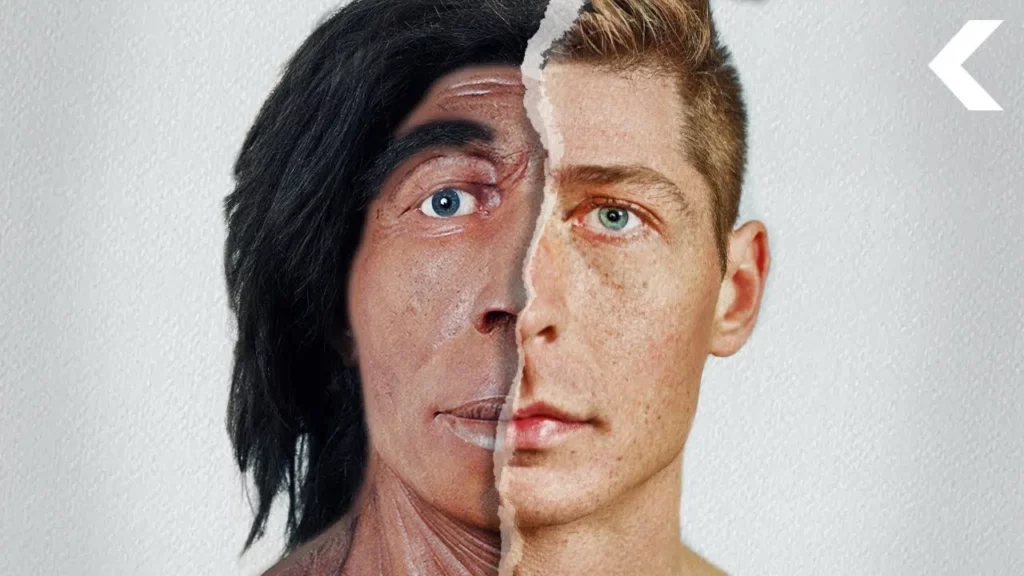
The lesson explores the genetic interactions between early humans and Neanderthals, highlighting how these encounters have left a lasting impact on modern human DNA. Research indicates that Neanderthal genes influence various traits, including skin characteristics, immune responses, and susceptibility to certain conditions, while also suggesting potential changes in brain structure due to this genetic mixing. Additionally, the lesson touches on the contributions of Denisovans to our genetic heritage, emphasizing the complex interplay of ancient DNA in shaping who we are today.
Why Do We Feel Phantom Phone Vibrations?

The lesson discusses the phenomenon of “phantom vibrations,” where individuals mistakenly perceive their phones vibrating when they are not. This sensation is common, especially among those who are frequently on alert for calls or messages, such as hospital workers and college students. Researchers attribute these experiences to the brain’s overload from constant connectivity, suggesting that taking breaks from phones can help alleviate the occurrence of phantom vibrations.
How To Win An Argument

In the lesson “Mastering the Art of Persuasion: Winning Arguments Effectively,” Jules from DNews explores the complexities of persuasion and the psychology behind arguing. Drawing on research, he highlights that effective persuasion requires moving away from traditional confrontational arguing and instead employing strategies such as active listening, empathy, and rapport-building, which can lead to more constructive outcomes. Ultimately, the lesson emphasizes that understanding emotional responses and fostering collaboration can significantly enhance one’s ability to win arguments.
Why Do Men Think Women Like Them When They Clearly Don’t?

The lesson on “Understanding the Art of Flirting” explores how individuals express attraction through subtle gestures rather than direct statements, highlighting the effectiveness of flirting in creating engaging interactions. It discusses the various motivations behind flirting, the challenges in interpreting signals between genders, and offers strategies for improving one’s flirting skills by reflecting on personal experiences and enhancing communication. Overall, the lesson emphasizes the nuanced nature of flirting and the importance of understanding body language and social cues.
Why Your Body Is Built To Run Long Distances

The lesson explores whether humans are naturally built for running, highlighting the health benefits and potential risks associated with the activity. It discusses the “Endurance Running Hypothesis,” which suggests that our ancestors were skilled endurance runners, supported by unique physiological adaptations such as sweating, specialized ligaments, and muscle structure. Ultimately, the lesson concludes that humans are indeed adapted for running, and many find joy in the activity, prompting reflection on personal exercise preferences.
Everything You Know About Planet Colors Is Wrong
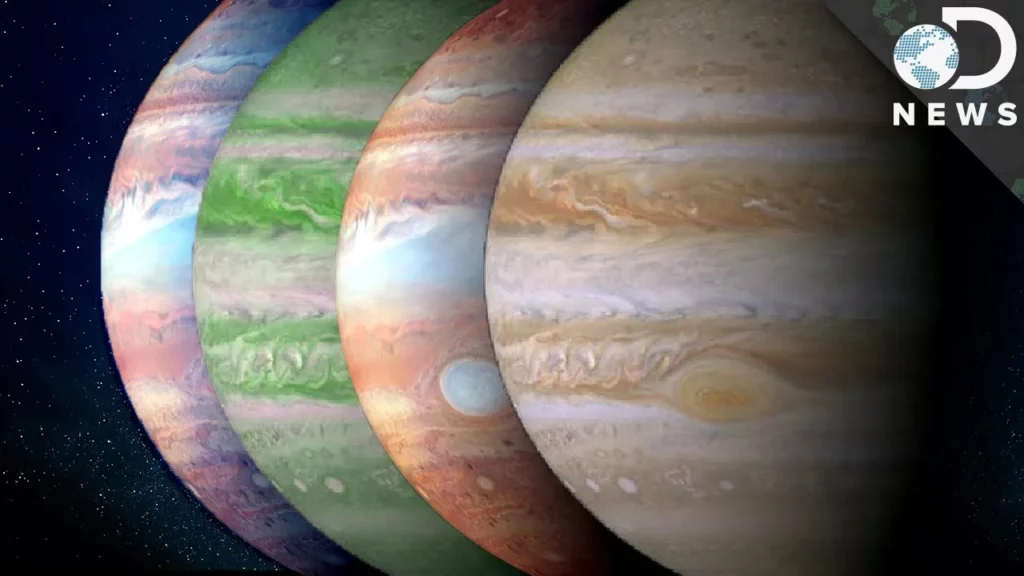
The lesson “Discovering the True Colors of Planets” explores how scientists use false-color imaging to reveal details about planets that are not visible to the naked eye. By capturing different wavelengths of light, such as infrared and ultraviolet, researchers can uncover hidden features and variations in planetary surfaces, enhancing our understanding of celestial bodies like Mars, Venus, and Titan. The lesson emphasizes the significance of space exploration and encourages curiosity about the universe beyond our immediate perception.