
The Science Of Surfboards
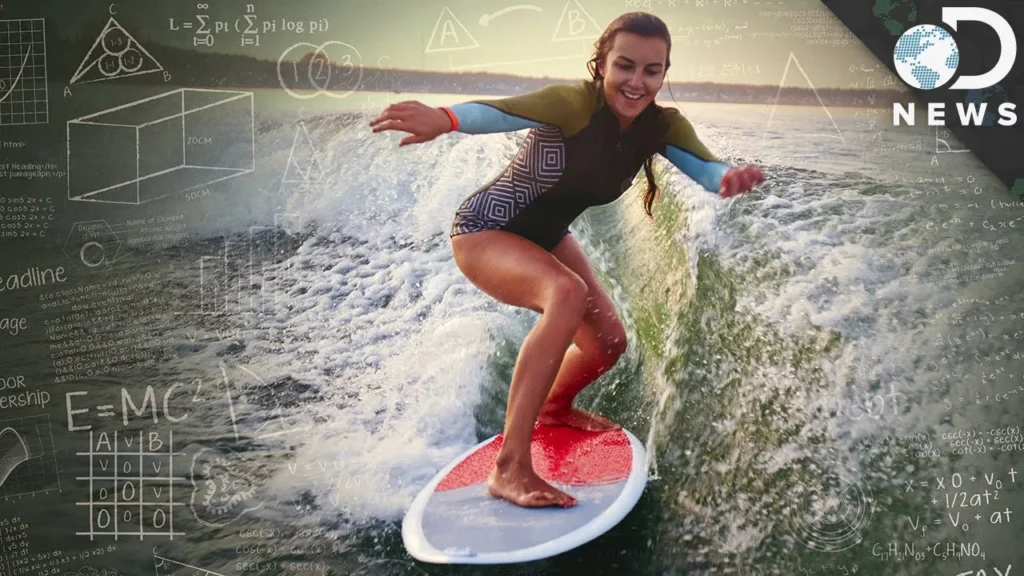
The lesson explores the science behind surfing, highlighting the physics concepts such as buoyancy and hydrodynamic forces that enable surfers to ride waves effectively. It traces the evolution of surfboards from heavy wooden designs to modern, lightweight materials enhanced by technology, including innovations inspired by rocket science. The lesson emphasizes how advancements in surfboard design improve performance and efficiency, showcasing the intersection of sports and scientific principles.
How Close Are We to a Complete Map of the Human Brain?
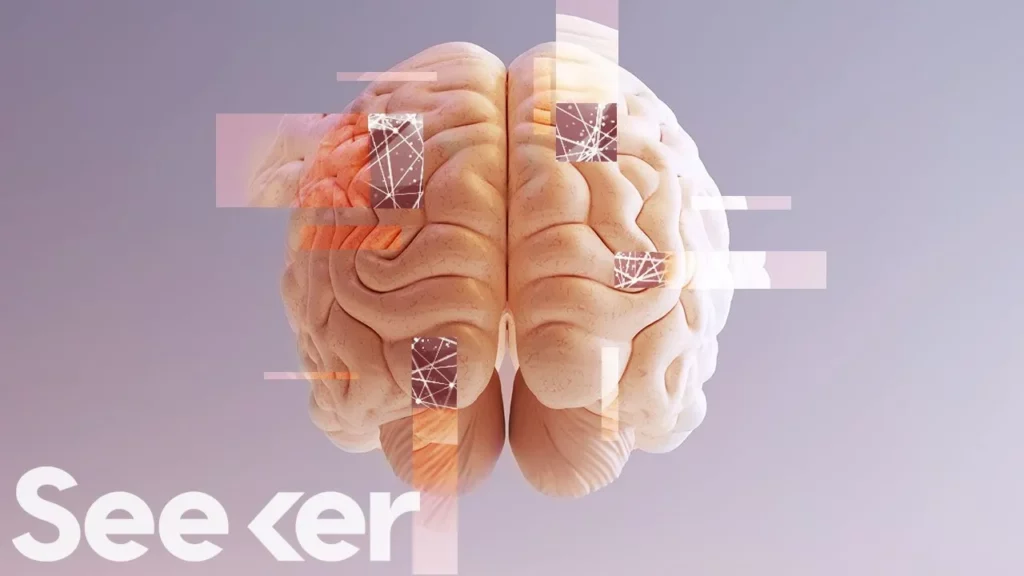
The lesson discusses the ongoing quest to map the human brain, highlighting its complexity and the challenges faced by scientists in creating a comprehensive “connectome.” This mapping effort, supported by global initiatives like the Brain Initiative and the Human Connectome Project, aims to unlock insights into mental illnesses, learning difficulties, and the nature of consciousness. Despite significant advancements, the complete mapping of the human brain remains a daunting task, pushing the boundaries of technology and scientific understanding.
Scientists Find Our World Could Be Ruled By Secret Patterns | A Natural Code
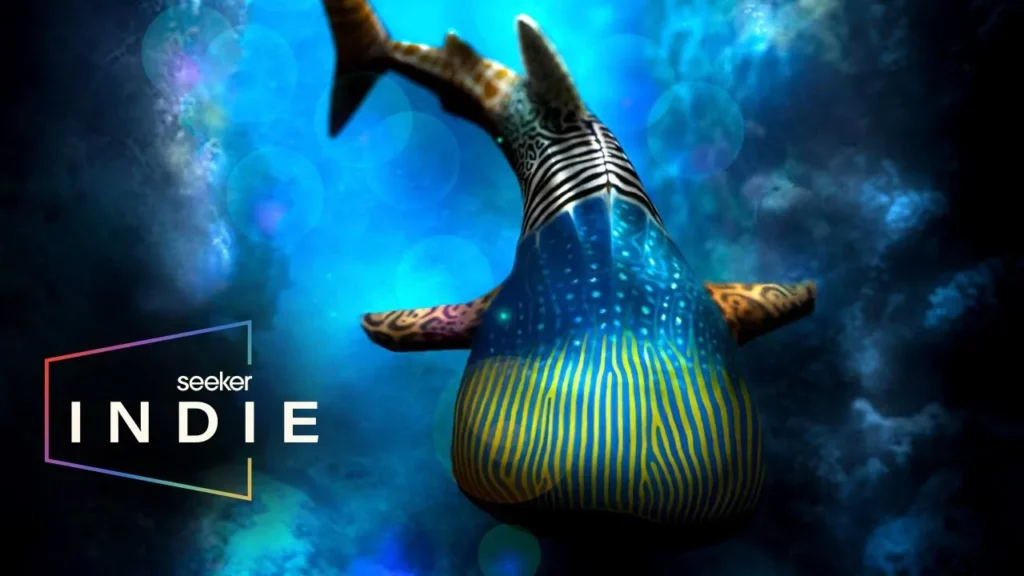
The lesson “Unveiling Nature’s Hidden Patterns: A Journey Through Mathematical Biology” explores the intricate patterns found in nature, revealing how they can be understood through mathematical principles, particularly those proposed by Alan Turing. By studying these patterns, such as the unique spot patterns of whale sharks, researchers can gain insights into animal behavior and conservation efforts, ultimately aiding in the protection of endangered species. The lesson emphasizes the importance of interdisciplinary collaboration in uncovering these natural codes and inspiring future generations to engage with mathematics and environmental science.
Does Turbulence Cause Planes To Crash?

This lesson explains airplane turbulence, a common phenomenon that can cause a shaky feeling during flights, primarily caused by jet streams and air mixing. While turbulence can be unsettling, it is generally not dangerous, as planes are designed to withstand it, and the best safety measure is to keep your seatbelt fastened. Pilots actively work to avoid turbulence by analyzing weather data, ensuring a smoother flying experience.
Why You Should ALWAYS Unplug Your Electronics
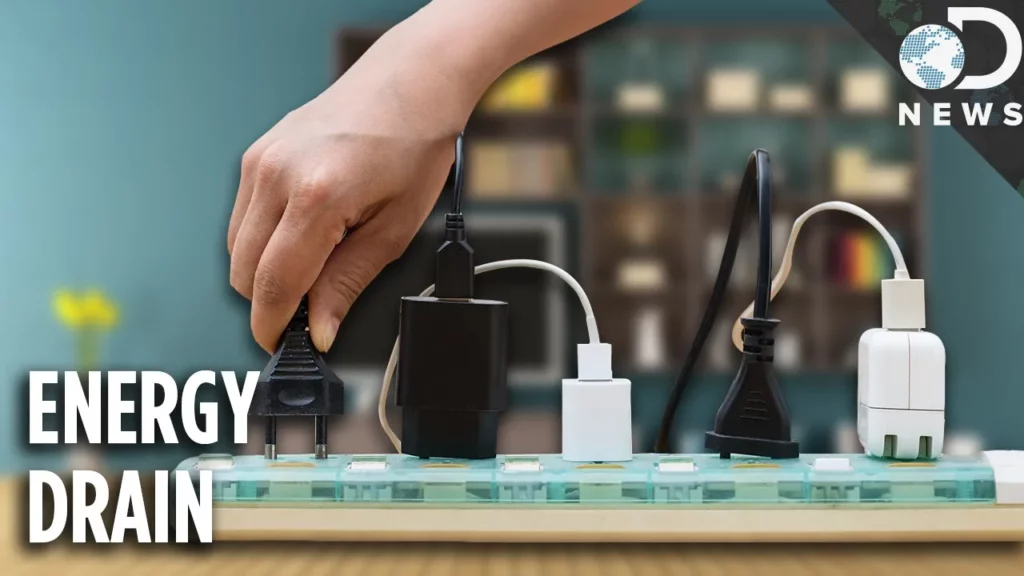
The lesson emphasizes the hidden energy consumption of devices left in standby mode, which can account for a significant portion of home energy use and contribute to unnecessary costs and environmental harm. It highlights that unplugging idle electronics can save money and reduce carbon emissions, encouraging individuals to be more mindful of their energy consumption habits. Taking action, such as using power strips and turning off devices when not in use, can lead to substantial savings and a positive impact on the environment.
The Ozone Layer Was Doomed Until a Handful of Scientists Stood Up to Power
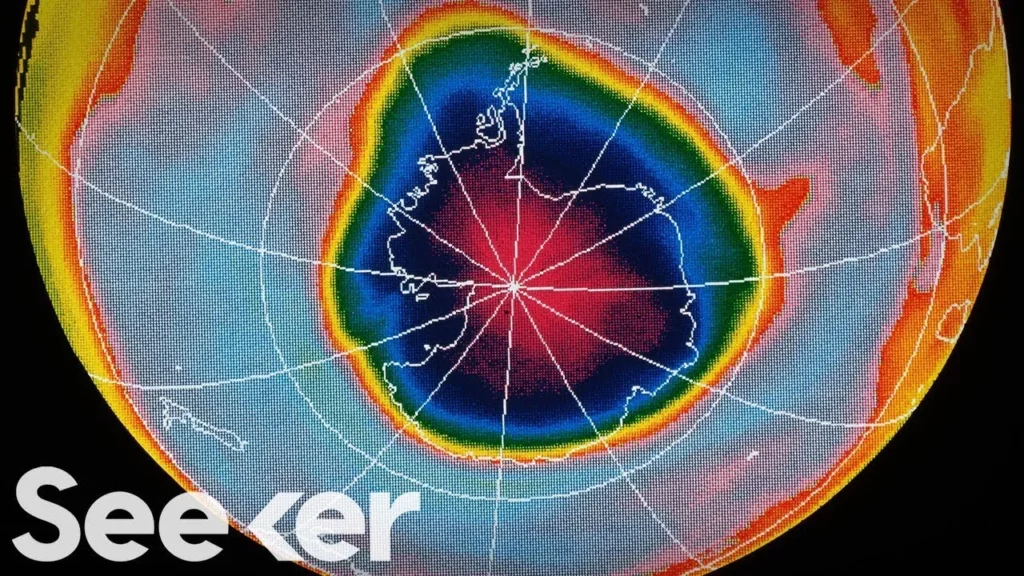
The Montreal Protocol is a landmark international agreement aimed at protecting the ozone layer by phasing out the use of harmful substances like chlorofluorocarbons (CFCs). Despite initial resistance from industry groups, the protocol has proven successful, leading to the healing of the ozone layer and significant reductions in greenhouse gas emissions. Its success underscores the importance of global cooperation in addressing environmental challenges and serves as a model for future climate agreements.
Should We Lower The Drinking Age?

The lesson explores the ongoing debate surrounding the legal drinking age in the U.S., highlighting arguments for both maintaining the age at 21 and lowering it. It discusses the historical context, the impact of the current age limit on public health and safety, and alternative perspectives from researchers, while also considering the cultural differences in alcohol consumption globally. Ultimately, the lesson encourages viewers to reflect on their own opinions regarding the drinking age and its implications for young adults.
Morning After Pill IS Safe for Teens

The lesson on emergency contraception, specifically Plan B, highlights its importance as a safe and effective option for individuals aged 15 and up to prevent unintended pregnancies. It clarifies that Plan B is not an abortion pill, but rather works by preventing ovulation and is crucial for reducing the high rates of unplanned pregnancies in the U.S. The lesson also emphasizes the need for better sex education and access to birth control to address this issue.
Why Are Peanut Allergies Becoming So Common?
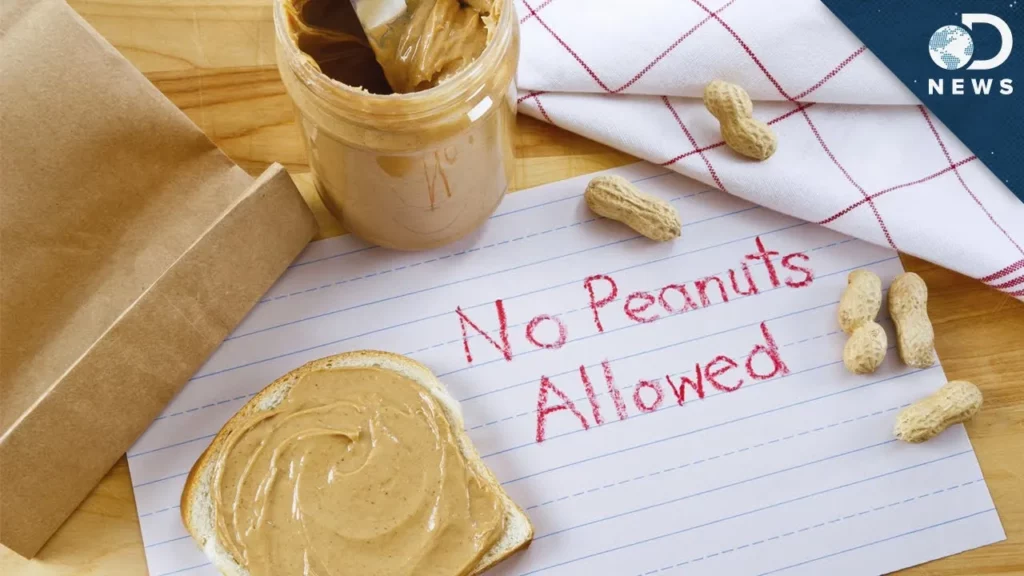
This lesson explores the increasing prevalence of peanut allergies, distinguishing between food allergies and intolerances. While only about 8 percent of children have food allergies, the number of peanut allergies has tripled since the late 1970s, prompting ongoing research into potential causes and solutions, such as early exposure during pregnancy and innovative treatments like pulsed UV light. The lesson emphasizes the importance of understanding and managing allergies rather than implementing blanket bans in schools.
What Exactly Is El Niño?
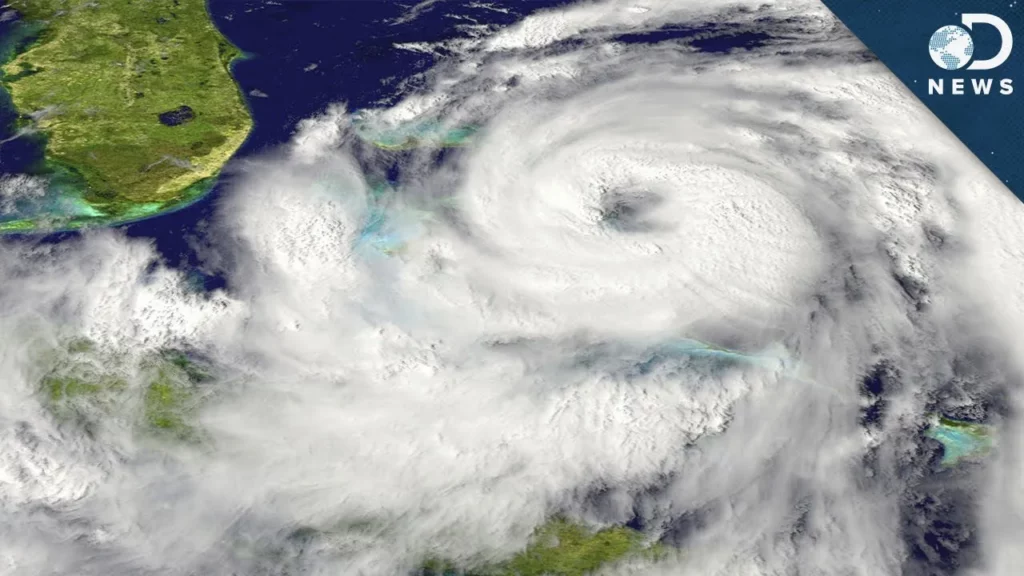
The lesson on El Niño explains that it is a natural climate cycle characterized by the warming of ocean waters in the Pacific, which disrupts typical weather patterns globally. This phenomenon can lead to significant weather changes, such as increased rainfall in the southeastern United States and droughts in Australia, while contrasting with La Niña, which brings cooler ocean temperatures and different weather effects. Understanding El Niño is crucial for preparing for its impacts on agriculture, flooding, and climate change, highlighting the interconnectedness of Earth’s systems.