
Why Pandas Suck At Being Pandas

The lesson explores the unique characteristics and challenges faced by giant pandas, highlighting their bamboo diet, reproductive difficulties, and the threats to their habitats. Despite their adorable appearance, pandas have specialized dietary needs and face significant obstacles in breeding and survival, with only about 1,000 remaining in the wild. Understanding these aspects emphasizes the importance of conservation efforts to protect these remarkable creatures.
How We Design Buildings To Survive Earthquakes

The lesson on “Understanding Earthquakes and Building Safety” explains that earthquakes are caused by the movement of tectonic plates, which release energy that shakes the ground and can damage buildings. Since the real danger comes from collapsing structures rather than the earthquakes themselves, engineers focus on making buildings earthquake-resistant through techniques like reinforced concrete, base isolation, and innovative technologies such as tuned mass dampers. Ongoing research aims to develop new protective methods, including underground shields that deflect shock waves, while the intensity of earthquakes is measured using the Richter scale.
Scientists Just Got One Step Closer to Solving an Antarctic Mystery
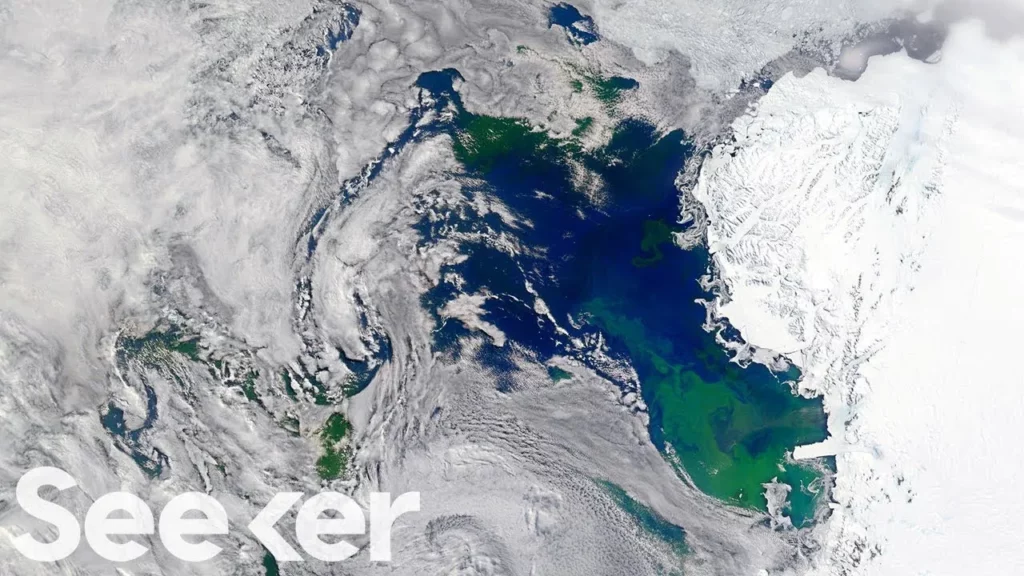
The lesson explores the intriguing phenomenon of polynyas—large, recurring holes in polar ice—through the collaborative efforts of floating robots and elephant seals. Researchers have identified key factors influencing polynya formation, such as increased salinity and underwater topography, while highlighting the ecological significance of these areas for marine life and their potential response to climate change. This study aims to enhance understanding of polar ecosystems and improve predictive models for future climate impacts.
Why Don’t We Launch More Rockets From Airplanes?
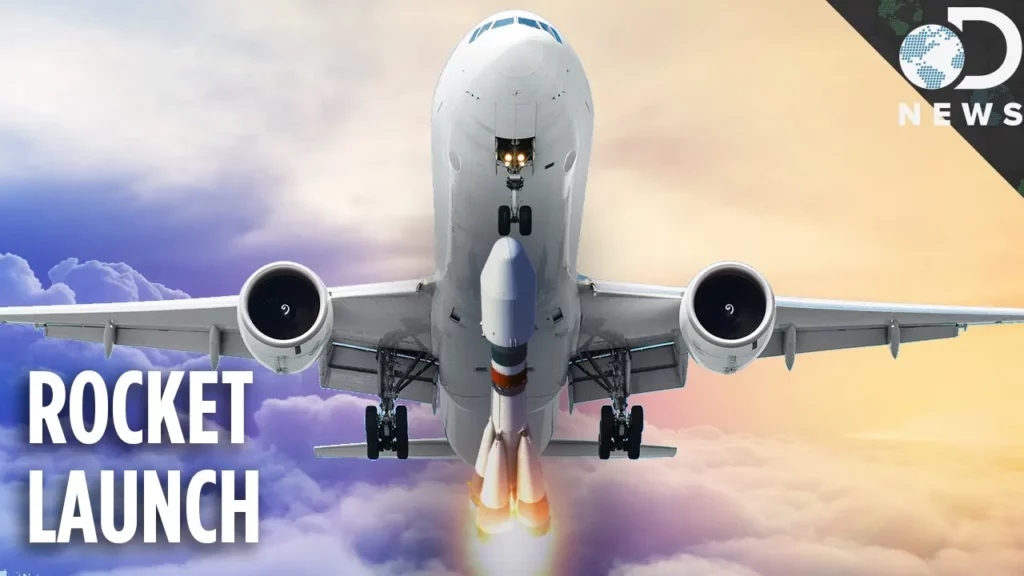
This lesson explores various methods of launching spacecraft, focusing on traditional vertical launches and alternative horizontal launches. While vertical launches are the most common due to their speed and capacity, horizontal launches, such as those using aircraft like the Pegasus system, offer benefits like reduced atmospheric friction and flexibility in avoiding weather. As technology advances, innovative launch methods may become more prevalent, paving the way for exciting developments in space travel.
Scientists’ Crazy Plan To Refreeze The Arctic

The lesson discusses innovative strategies to combat climate change, particularly focusing on the alarming decline of Arctic ice. A proposed solution involves using ten million wind-powered pumps to refreeze the Arctic by spraying seawater onto existing ice, potentially delaying ice loss significantly, though it comes with high costs and logistical challenges. Additionally, solar radiation management is explored as an alternative, which reflects sunlight to slow melting, but it poses environmental risks, emphasizing that no single solution can address the complex climate crisis.
The World’s First “Living” Robots Just Got an Upgrade, Meet Xenobot 2.0
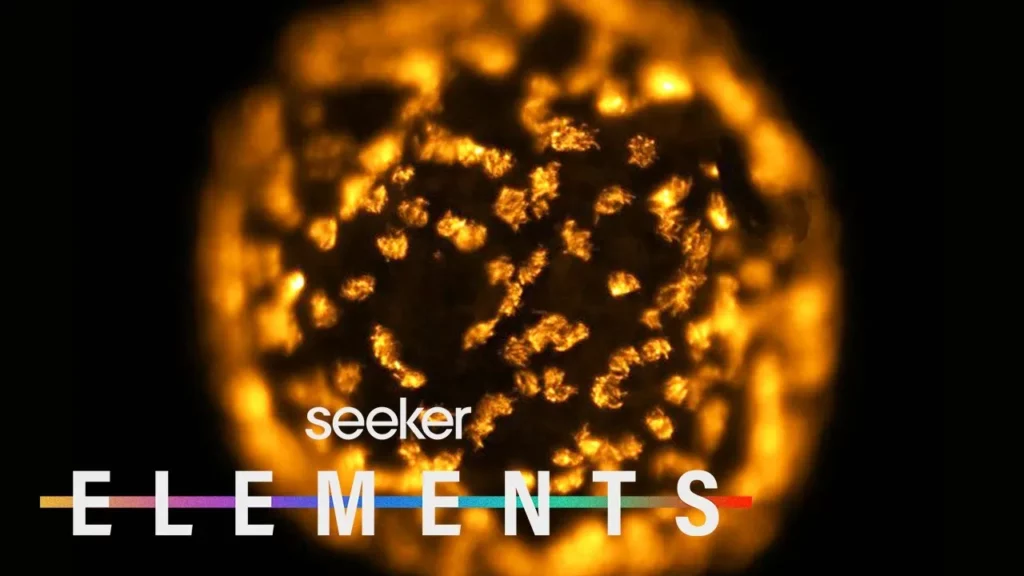
The lesson introduces xenobot 2.0, an advanced version of the original living robots created from frog cells, which now features enhanced movement, self-healing capabilities, and the ability to remember. Developed by researchers from Tufts University and the University of Vermont, these tiny organisms can swim using cilia and heal rapidly from injuries, while their memory function allows them to respond to environmental stimuli. The potential applications of xenobots range from environmental cleanup to advancements in regenerative medicine, paving the way for future innovations in living robotics.
What Is Sleep Apnea?

This lesson explores the causes and health implications of snoring and sleep apnea, highlighting that snoring affects around 90 million people in the U.S. While often harmless, snoring can be linked to health issues, and severe snoring may indicate sleep apnea, a condition that disrupts breathing during sleep and increases the risk of serious health problems. Treatment options, such as CPAP machines and monitoring apps, can help manage these conditions and improve overall health and sleep quality.
How Close Are We to Reinventing Plastic?
The lesson discusses the pervasive role of plastic in our lives, highlighting its advantages and significant environmental challenges, such as its carbon footprint and impact on ecosystems. It explores the quest for sustainable alternatives, particularly bioplastics like PLA and PHAs, which are derived from renewable resources and can biodegrade. The lesson emphasizes the need for improved infrastructure to support the production and use of these materials, suggesting that advancements in bioplastics could lead to a more sustainable future.
Why Attractive People Get Better Grades
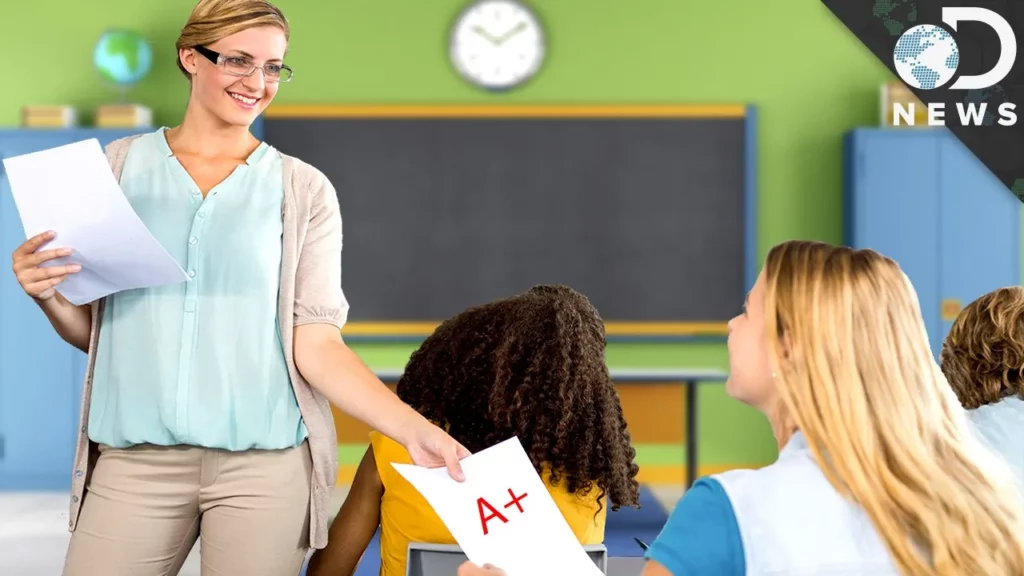
The lesson explores the impact of physical attractiveness on academic performance, highlighting research that shows attractive students, particularly women, tend to receive higher grades from professors. This grading disparity is attributed to factors such as increased attention from educators and social dynamics, with less attractive students often facing challenges that can hinder their academic success. While attractiveness can confer advantages in education and beyond, it also comes with its own set of challenges, emphasizing the importance of not judging individuals solely based on their appearance.
Artificial Leaf Technology Could One Day Power Our World
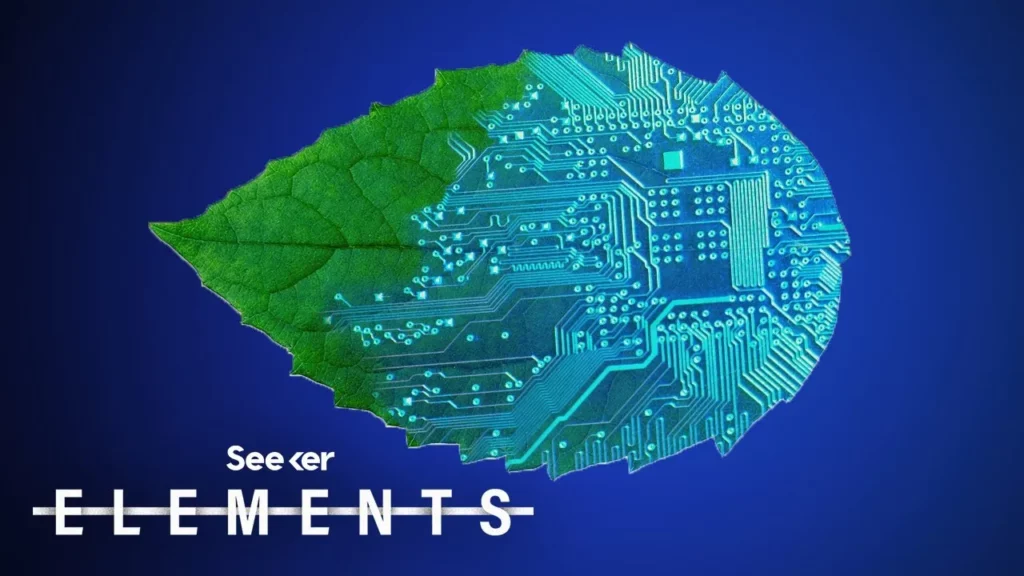
Researchers at the University of Waterloo have made significant strides in artificial leaf technology, which aims to produce cleaner-burning fuels by mimicking photosynthesis. This innovative approach utilizes cuprous oxide as a catalyst to convert carbon dioxide and water into methanol using light, offering a more efficient and environmentally friendly alternative to traditional fossil fuels. The technology not only captures carbon emissions but also has the potential to reduce reliance on petroleum, paving the way for a more sustainable energy future.