
Soy, Almond or Coconut: Which Non-Dairy Milk Is Best?

This lesson explores the history and alternatives to cow’s milk, highlighting the challenges many people face with lactose intolerance and the various plant-based options available. It discusses popular alternatives like soy, almond, and coconut milk, detailing their nutritional benefits and drawbacks. Ultimately, the lesson encourages individuals to choose the milk that best fits their taste preferences and dietary requirements.
We Can Power The World With Algae!
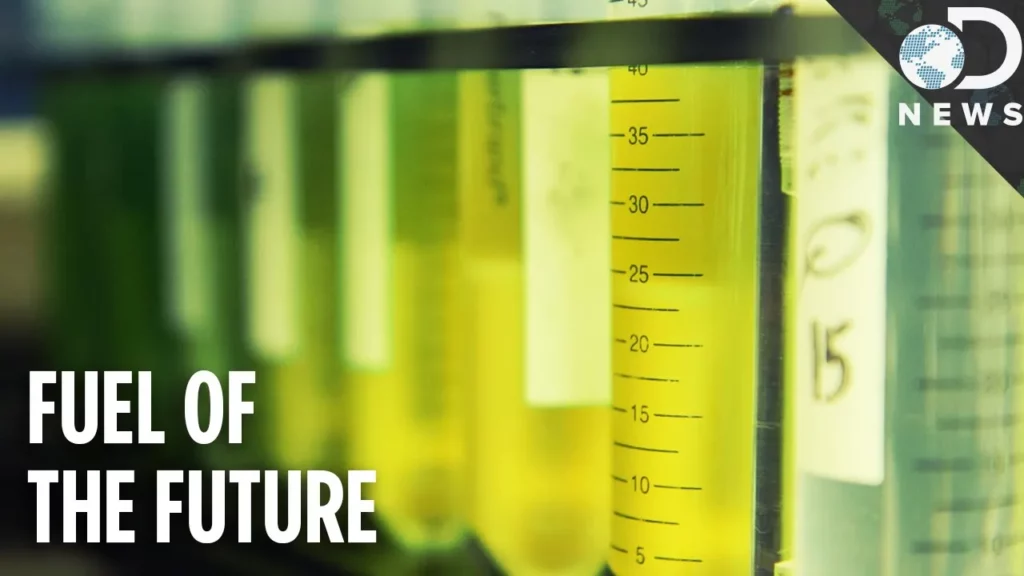
The lesson “Discovering the Power of Algae” explores the potential of algae as a renewable resource that can be transformed into biofuels, food, and a means to combat global warming. Algae, which thrive through photosynthesis and are rich in essential nutrients, can be cultivated efficiently to produce oils that serve as cleaner alternatives to fossil fuels. With advancements in technology, algae could play a crucial role in creating a sustainable future, offering both environmental benefits and new energy solutions.
The Secret To Balancing On A Tightrope
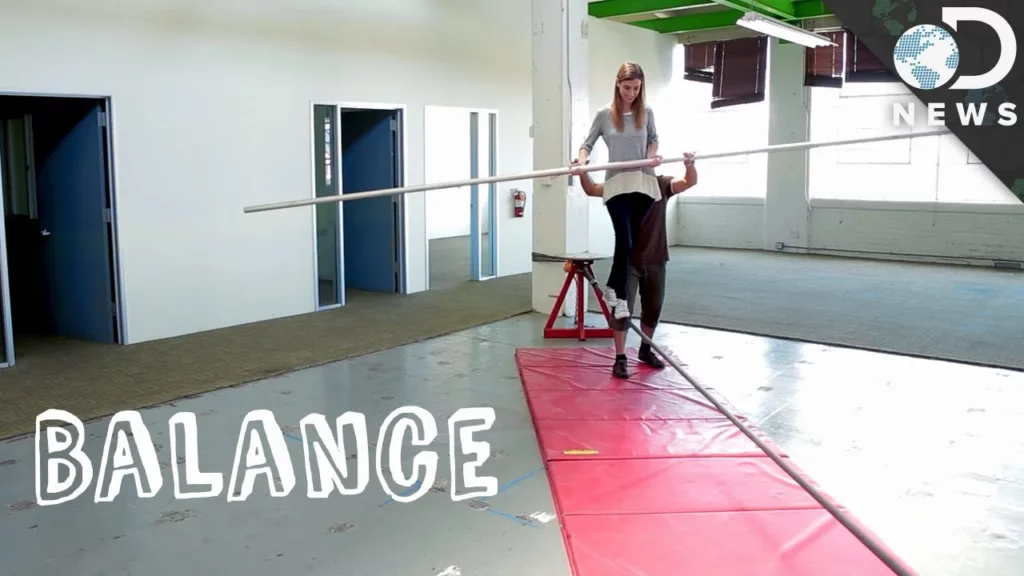
In this lesson, students learn how to perform a balancing trick using a fork, spoon, and toothpick, while exploring the concept of center of gravity. By understanding how to find the midpoint of the utensils and utilizing principles like rotational inertia, participants can successfully balance the items on a glass, demonstrating the application of scientific principles in a fun and engaging way. The lesson also draws parallels to human balance, highlighting how these concepts are relevant in activities like tightrope walking.
Cold vs. Flu: What’s The Difference?
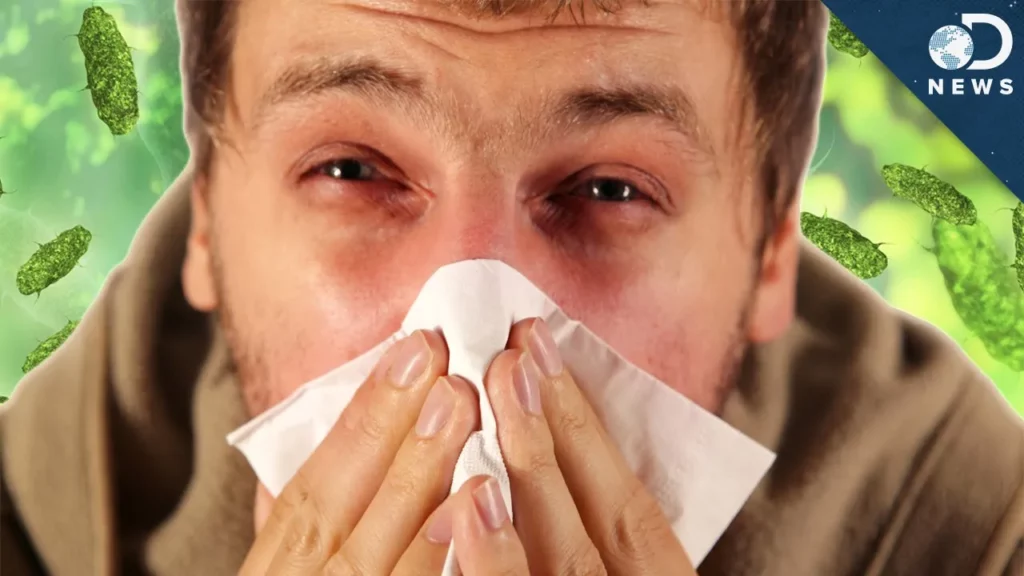
This lesson explains the key differences between colds and the flu, highlighting that they are caused by different viruses and exhibit varying symptoms and severity. It emphasizes the importance of recognizing symptoms, seeking timely treatment, and taking preventive measures such as getting vaccinated to reduce the risk of illness. Additionally, it offers tips for recovery, including rest, hydration, and proper nutrition.
WTF Are Shade Balls?
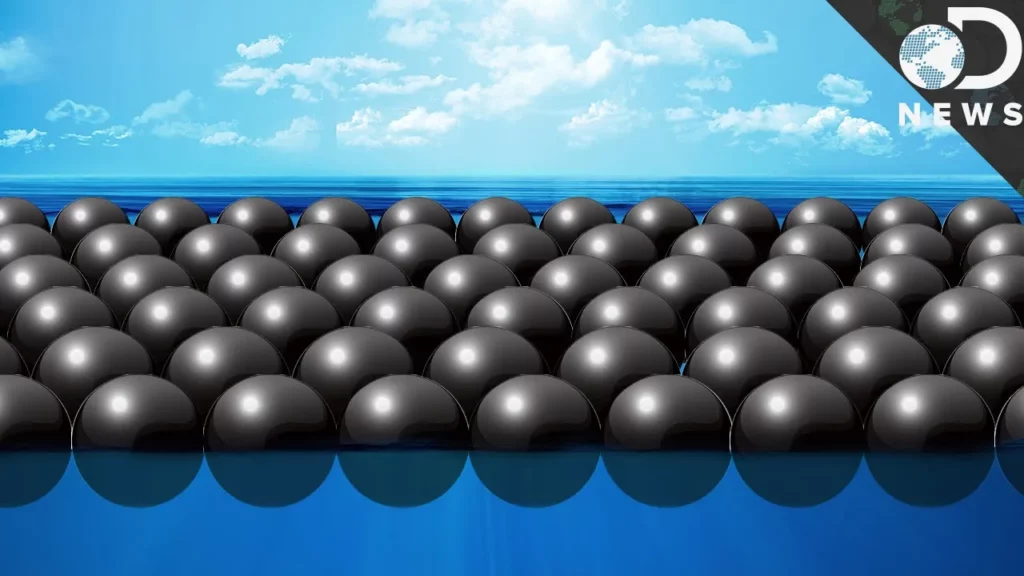
The lesson discusses the innovative use of shade balls in Los Angeles to protect the city’s drinking water stored in open reservoirs. These small black plastic balls help prevent contamination from pollutants and reduce evaporation, offering a cost-effective solution that saves the city approximately $250 million compared to traditional methods. By blocking sunlight, shade balls also minimize harmful chemical reactions and algae growth, demonstrating a creative approach to environmental protection and water conservation.
Do You Have ADHD Or Are You Just Hyper?

In this lesson, we explored the increasing prevalence of ADHD diagnoses among children, noting a significant rise from 2004 to 2011. We discussed the importance of proper diagnostic procedures, emphasizing that ADHD should be identified through comprehensive evaluations involving multiple sources, rather than solely relying on family reports. Additionally, we examined the distinction between typical childhood energy and ADHD symptoms, highlighting the need for careful consideration of various factors influencing children’s behavior.
Disney Invented A Room Where Your Phone Will Never Die
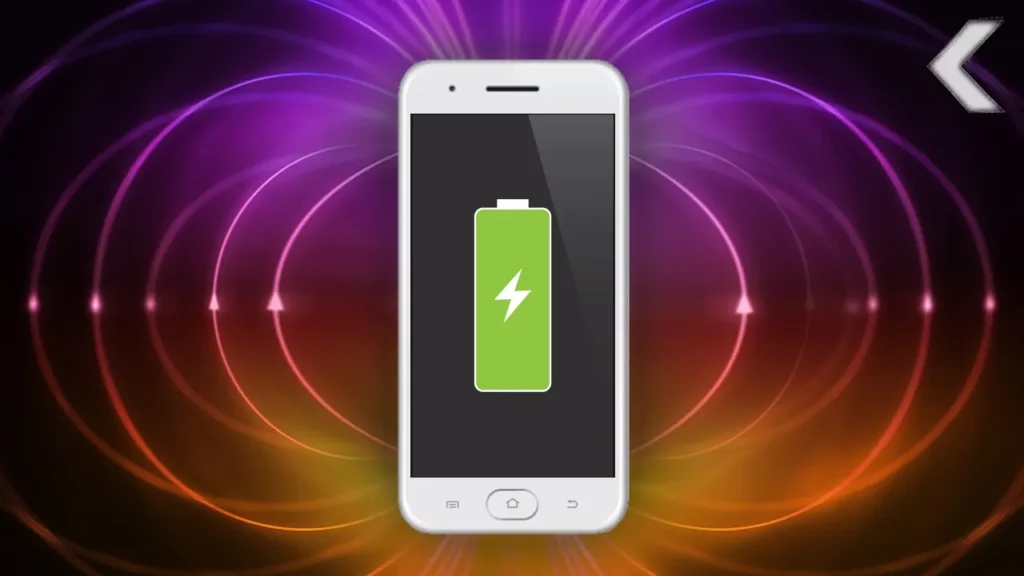
In this lesson, we explored the innovative concept of wireless charging, highlighting how researchers at Disney are inspired by Nikola Tesla’s vision of wireless power. The current technology allows for charging through pads, but the future may bring charging rooms that enable devices to charge anywhere within a designated space. While there are challenges related to alignment and safety, the potential for this technology to revolutionize how we power our devices is exciting.
This 3D Quantum Gas Clock Could Redefine Time

In the lesson “Exploring the Quantum World Through Atomic Clocks,” physicist Jun Ye highlights the significance of atomic clocks as tools for scientific discovery beyond mere timekeeping. His team at the University of Colorado has developed the world’s most precise atomic clock, utilizing the vibrations of atoms to define time with unprecedented accuracy. The lesson also discusses the evolution from microwave to optical clocks, which promise even greater precision and the potential to explore fundamental questions about the universe, including gravitational waves and dark matter.
The Big 5 Personality Traits
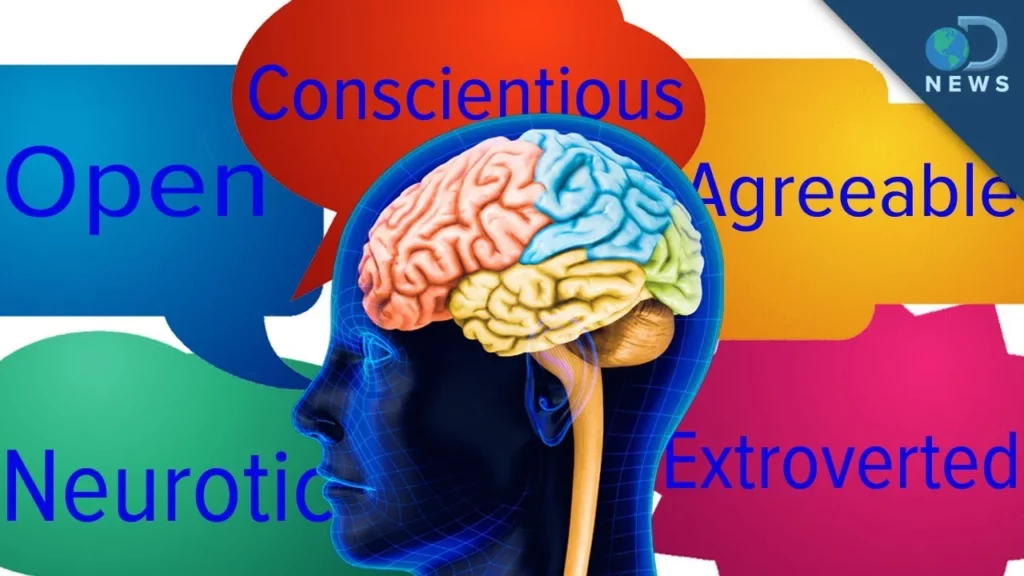
The lesson on the Big Five personality model highlights five key traits—Openness to Experience, Conscientiousness, Extroversion, Agreeableness, and Neuroticism—that define individual personalities. Each trait reflects different aspects of behavior and emotional stability, influencing how people interact with the world and others. Additionally, the lesson notes cultural variations in personality traits, suggesting that societal influences can shape how these traits are expressed, particularly in less developed communities.
What Solitary Confinement Does To The Brain

The lesson explores the detrimental effects of solitary confinement on inmates, highlighting its classification as a potential form of torture by the United Nations. It discusses the psychological and physical consequences of isolation, including increased anxiety, depression, and cognitive impairments, while questioning the effectiveness of solitary confinement in enhancing prison safety or reducing violence. The lesson also raises ethical concerns regarding the treatment of prisoners and emphasizes the need for alternative approaches to managing inmate behavior.