
NASA Wants to Send a Trident to Neptune’s Mysterious Moon
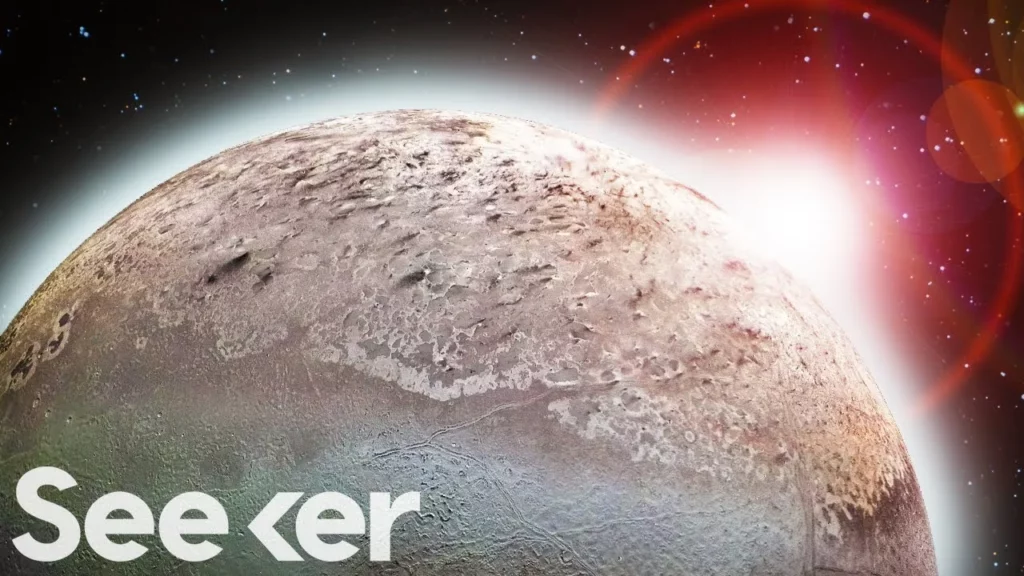
The lesson explores Triton, Neptune’s intriguing moon, which may possess an underground ocean capable of supporting life. With its youthful surface and signs of geological activity, Triton has become a prime target for the upcoming Trident mission, set to launch in 2025 and reach Triton by 2038. This mission aims to conduct detailed studies of Triton’s surface and subsurface features using advanced technology, highlighting the potential for significant scientific discoveries in our understanding of icy celestial bodies.
Can A Chicken Really Live Without A Head?
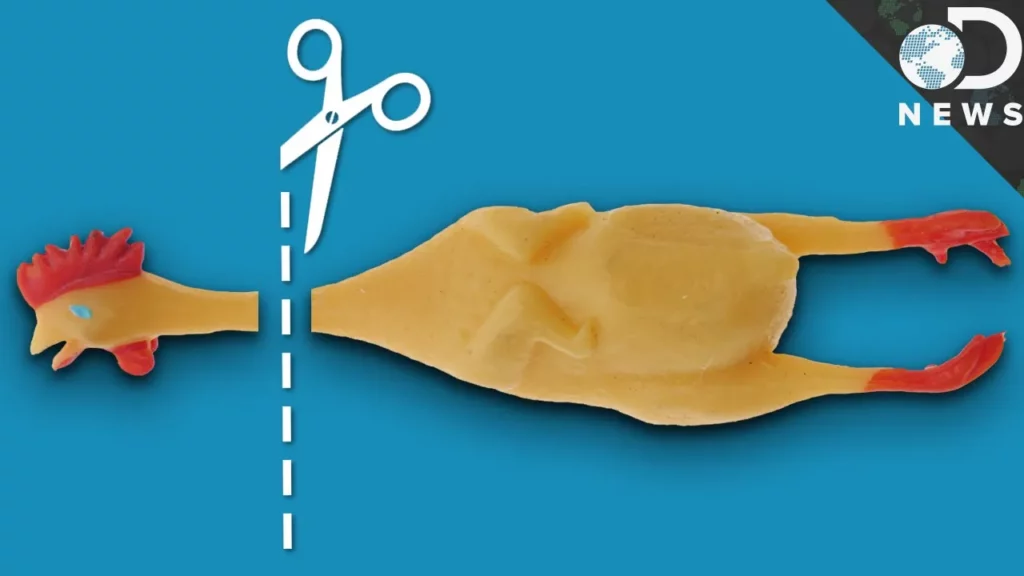
The lesson tells the fascinating story of Mike the Headless Chicken, who survived for 18 months after his head was accidentally chopped off due to the preservation of his brain stem, which controls essential life functions. It also explores the concept of survival without a head in both animals and humans, highlighting cases like Trevor Judge Waltrip, who lived with a rare brain condition, and the resilience of cockroaches, which can live for weeks without their heads. Ultimately, the lesson encourages curiosity about the remarkable capabilities of living beings and the science behind them.
What Does Nuclear Fallout Do To Your Body?
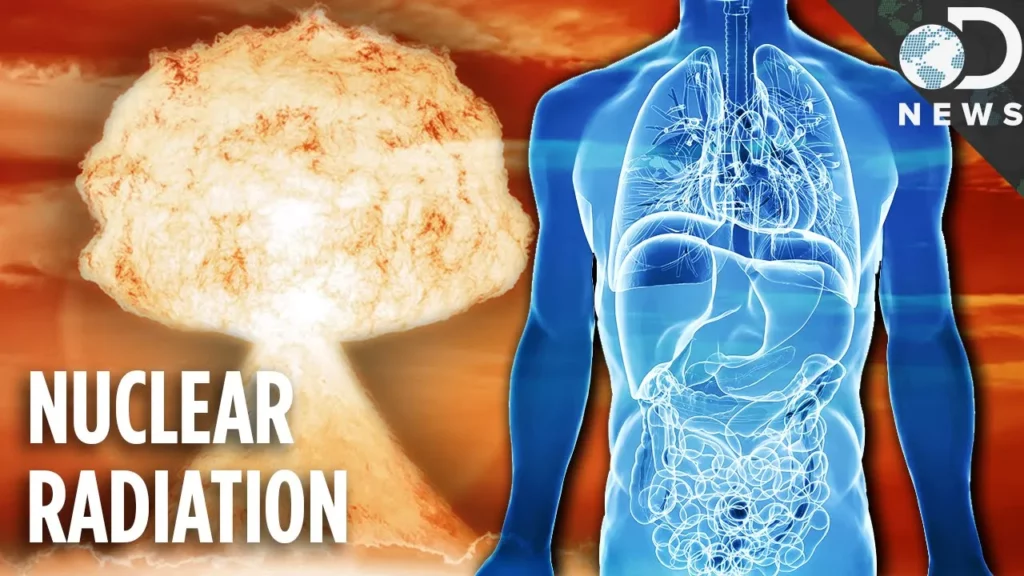
The lesson on nuclear fallout explains the consequences of nuclear disasters, highlighting how radioactive particles released into the atmosphere can travel long distances before settling back to Earth. It discusses the historical context of nuclear testing, the health impacts of exposure to fallout, and practical measures like building fallout shelters to mitigate radiation exposure. Additionally, it emphasizes the importance of understanding the long-term effects of radiation on health and the environment, while also noting how global radiation exposure has provided valuable scientific insights.
How Close Are We to Replacing Humans With Robots?
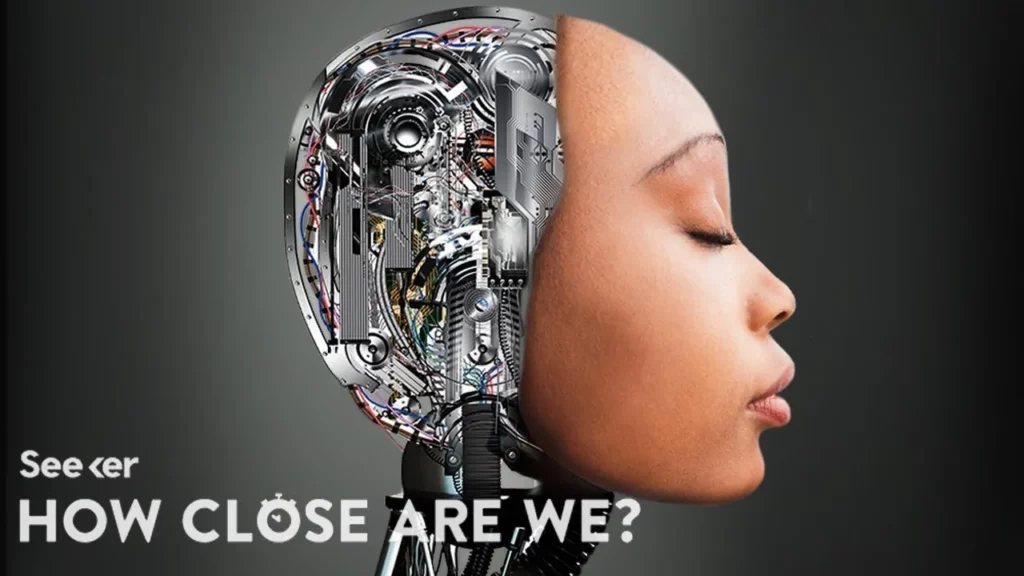
The lesson “Exploring the World of Robots” discusses the current state and future potential of humanoid robots, known as androids, highlighting the challenges in creating robots that can convincingly mimic human appearance and behavior. While advancements in artificial intelligence have improved robots’ capabilities, significant hurdles remain, particularly in delicate tasks and realistic sensory feedback. The lesson emphasizes that while we may not achieve fully functional androids for another decade or more, the future will likely feature a variety of specialized robots designed for specific tasks rather than a singular humanoid form.
Here’s What It Actually Takes to Be a NASA Astronaut
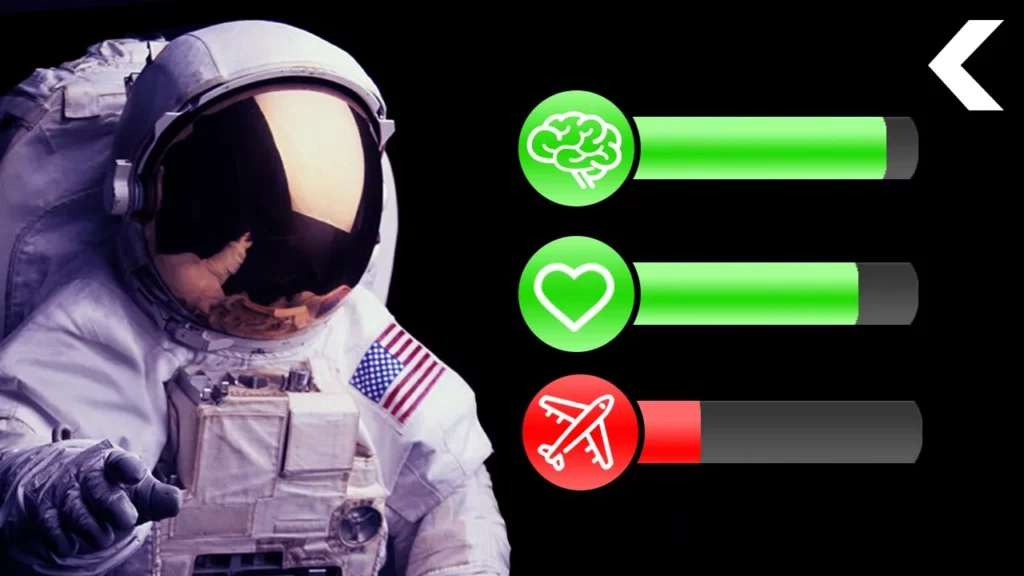
The lesson outlines the evolution of NASA’s astronaut selection process, beginning in 1959 with a focus on military test pilots due to the unknown effects of space travel. Over the years, the criteria shifted to include academic qualifications, leading to the recruitment of scientist-astronauts during the Apollo era and the current emphasis on a diverse skill set, including specialized training for various roles. Today, NASA requires candidates to have a bachelor’s degree in science or math, jet experience, and meet specific health standards, reflecting the agency’s ongoing adaptation to the demands of space exploration.
Should Doctors Prescribe Placebos?

The lesson on the placebo effect explores how belief in treatment can lead to real improvements in health, even when the treatment itself has no active ingredients. It discusses the science behind this phenomenon, including classical conditioning and subject expectancy, and highlights the common use of placebos in medical practice. Ultimately, the lesson encourages reflection on the implications of placebos for patient care and the potential benefits they offer without the side effects of traditional medications.
The Crazy Plan to Capture and Store CO2 Under the Ocean
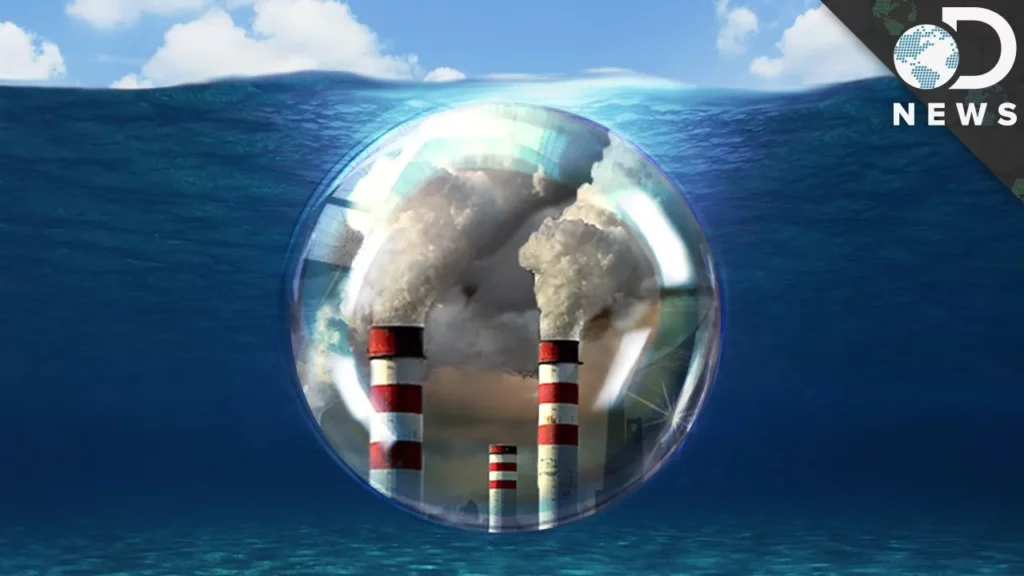
The lesson explores the significance of carbon dioxide (CO2) as a greenhouse gas produced by living organisms and industrial activities, highlighting its role in global warming. It discusses methods for capturing and storing CO2, including geologic and oceanic sequestration, while also addressing the associated risks and the importance of reducing carbon emissions to mitigate environmental impact. Ultimately, the lesson emphasizes the need for individuals and industries to consider their carbon footprint and take action to decrease fossil fuel consumption.
How Close Are We to Fusion Energy?
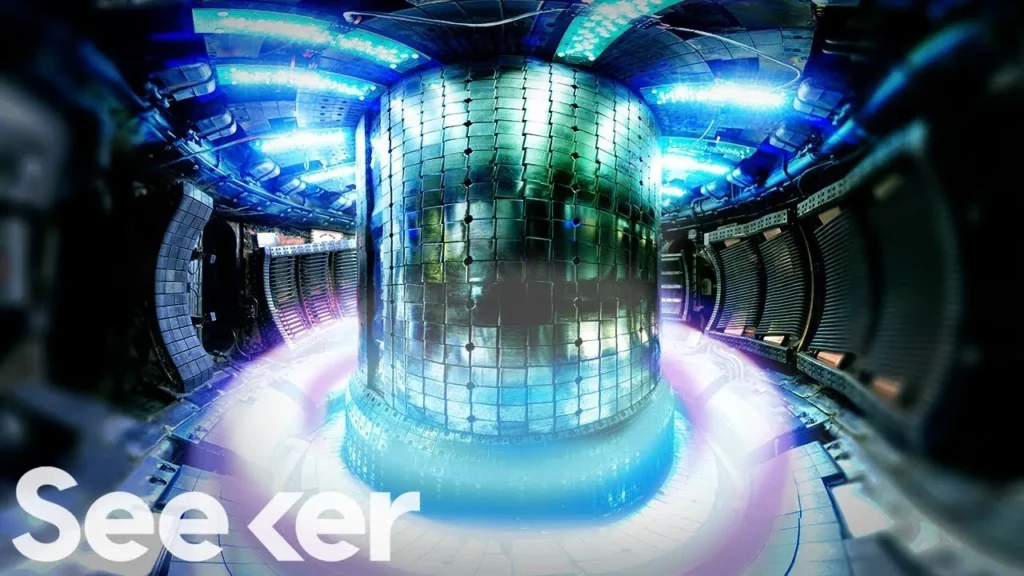
The lesson explores the potential of fusion energy as a clean, efficient, and reliable alternative to current energy sources, which face various environmental and logistical challenges. It explains the fundamental process of fusion, its advantages over fossil fuels, and the ongoing efforts, such as the ITER project, aimed at achieving practical fusion energy. While significant challenges remain, including achieving a net energy gain, there is optimism surrounding fusion’s future, emphasizing the importance of public support and engagement in advancing this promising technology.
Over 200 Bizarre, New Crystals Were Accidentally Created by Humans

The lesson “Discovering New Minerals: A Surprising Journey” explores the fascinating world of minerals, highlighting how both natural processes and human activities contribute to their formation. It reveals that while minerals typically form deep within the Earth, human actions in mining and industrial environments have led to the accidental creation of new, man-made minerals, which may signify a new geological age known as the Anthropocene. The lesson encourages reflection on the impact of human activity on Earth’s mineral diversity and the ongoing debate within the scientific community regarding the recognition of this new epoch.
Everything We Know About Dinosaur Evolution Just Changed, Here’s Why
The lesson explores the surprising history of dinosaur feathers, revealing that many dinosaurs likely had feathers long before birds evolved. Recent discoveries suggest that feathers may have appeared as early as 175 million years ago, challenging the previous belief that they evolved concurrently with birds. This new understanding not only reshapes our view of dinosaur evolution but also raises intriguing questions about the genetic origins and functions of feathers in various species.