
These New Black Holes Challenge Our Theories of Galactic Evolution
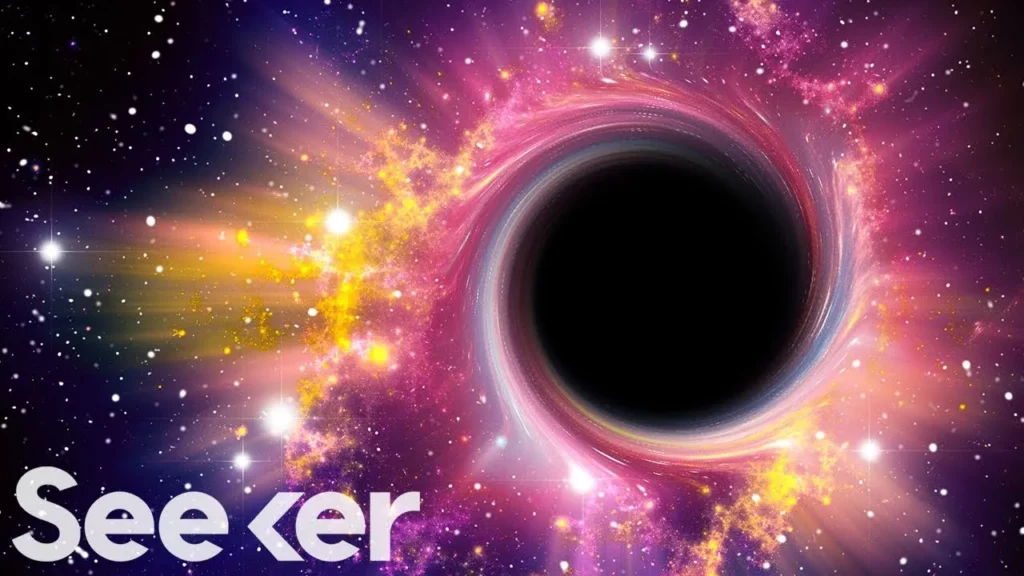
The lesson explores the intriguing nature of black holes, particularly focusing on the newly discovered intermediate-mass black holes and the oldest known supermassive black hole, which formed shortly after the Big Bang. These findings are essential for understanding the evolution of galaxies and the growth mechanisms of supermassive black holes, as they may serve as foundational seeds for their development. As astronomers continue to gather data, they aim to unravel the complexities of these cosmic entities and their role in shaping the universe.
New $100 Bill Is Crazy High-Tech

The lesson discusses the introduction of new $100 bills, highlighting the importance of updating currency designs to combat counterfeiting. Key security features, such as a blue 3D ribbon and a color-changing bell, are designed for easy verification by the public. Additionally, the bill incorporates historical elements, including Benjamin Franklin’s portrait and phrases from the Declaration of Independence, reflecting American history while enhancing security.
Can Low Frequency Sound Waves Make You Sick?
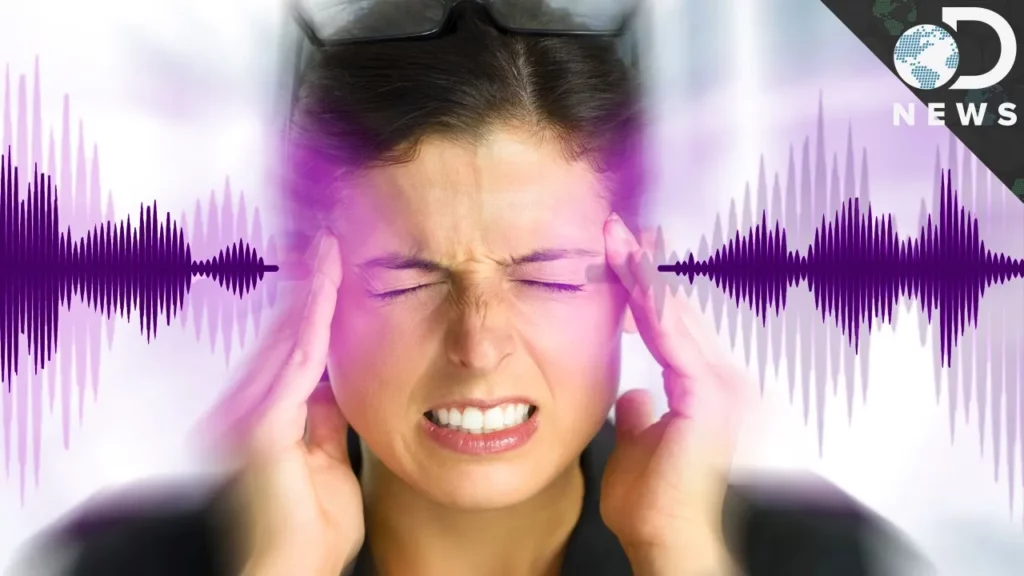
In this lesson, Julia explores the often-overlooked effects of sound, particularly focusing on infrasound—low-frequency sounds below 20 hertz that are inaudible to humans. She discusses how loud noises can impact health, leading to issues like anxiety and “sick-building syndrome,” and highlights the need for better regulation of infrasound exposure in various environments. Additionally, Julia touches on the intriguing connection between infrasound and eerie sensations, suggesting that our experiences of unease may sometimes be influenced by these unseen sound waves.
How The Blind See Race
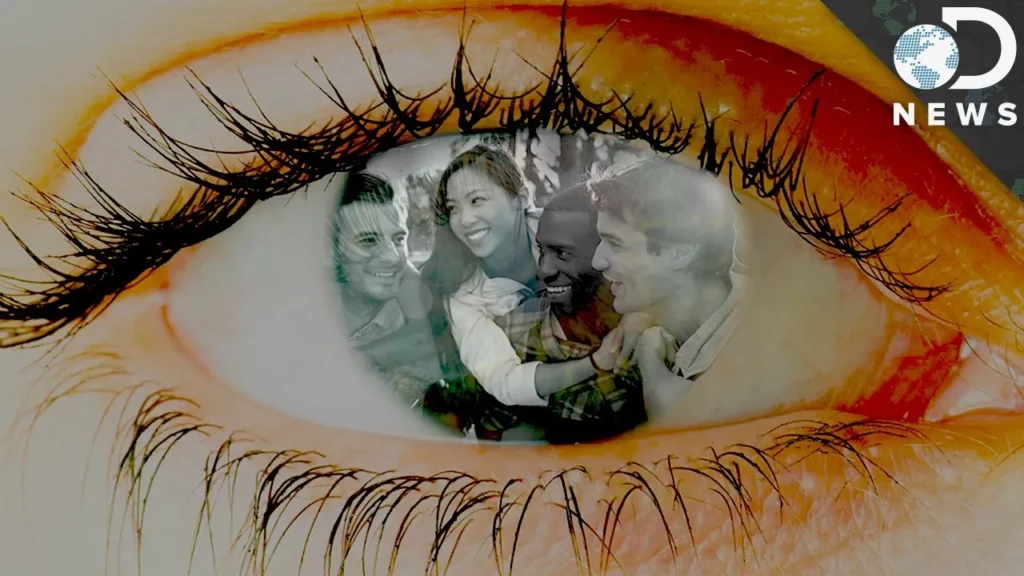
The lesson explores how individuals who are blind perceive race, revealing that their understanding is shaped by socialization rather than visual cues. Through interviews conducted by law professor Osagie K. Obasogie, it was found that blind individuals often rely on societal influences and learned behaviors to form their concepts of race, experiencing racial prejudice similarly to sighted people. This research underscores the idea that race is a social construct, deeply ingrained in our interactions and perceptions, regardless of visual ability.
NASA’s New Space Reactor Is Powered by Nuclear Fission
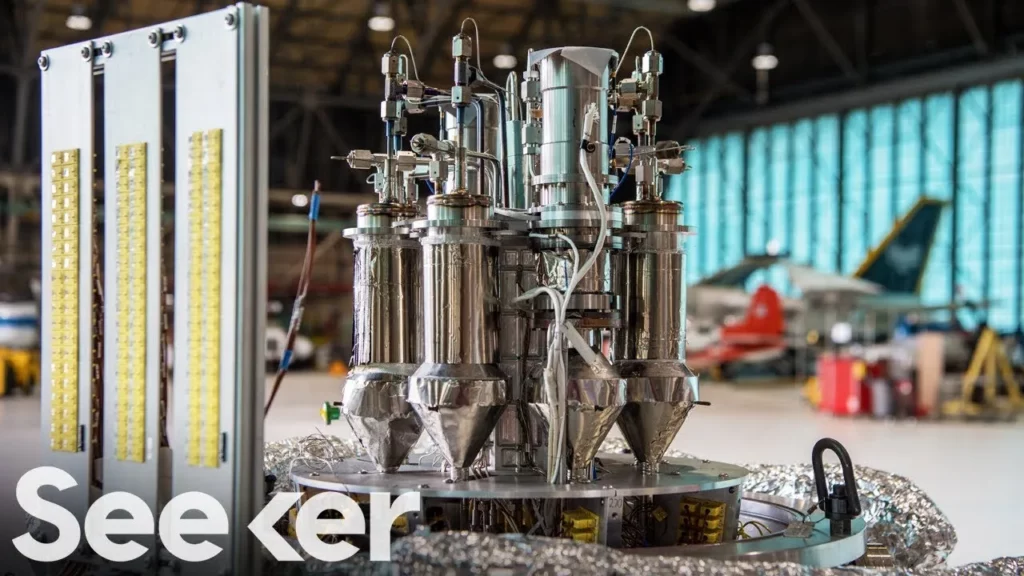
The lesson on “Nuclear Power in Space: Challenges and Innovations” explores the complexities and historical context of utilizing nuclear energy for space exploration, highlighting its advantages for deep-space missions where solar power is insufficient. It discusses the evolution of nuclear technologies, such as the SNAP program and the Kilopower project, which aim to provide reliable power sources for future missions to the Moon and Mars. Despite significant advancements, challenges remain in ensuring safety and political support for the deployment of nuclear systems in space.
This Is the Only Proven Way to Deter a Great White Shark | The Swim
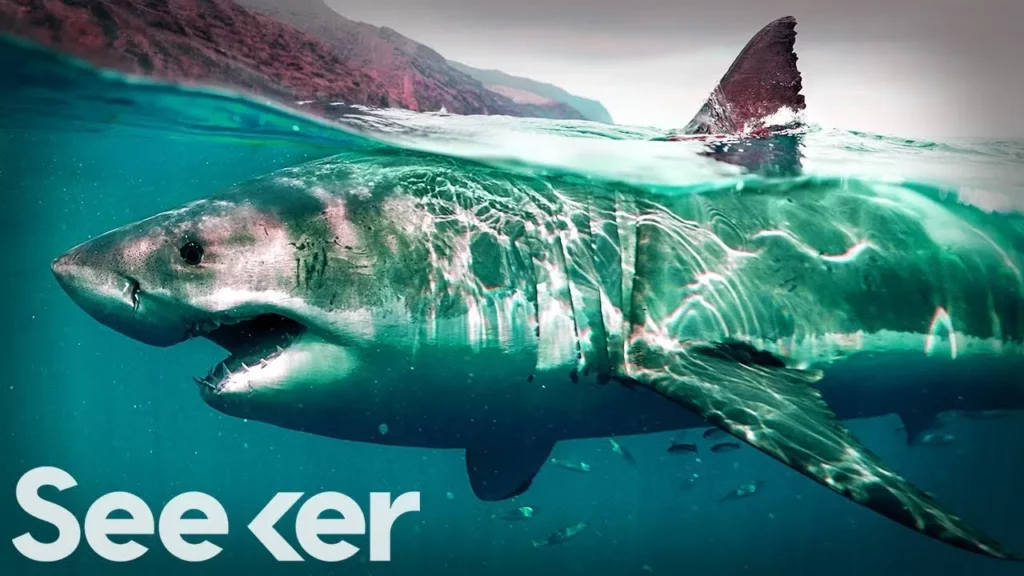
In “The Epic Ocean Adventure,” Ben embarks on a thrilling journey across the Pacific Ocean, where he encounters fascinating marine life, particularly sharks. With guidance from shark expert Dr. Charlie Huveneers, Ben learns about shark behavior and the importance of coexistence, while also testing various deterrents to ensure safety during his swim. The lesson emphasizes that sharks, often misunderstood, are curious creatures that play a vital role in the ocean ecosystem, and encourages a shift in perception towards these magnificent animals.
This Powerful X-Ray Laser Can See the Invisible World
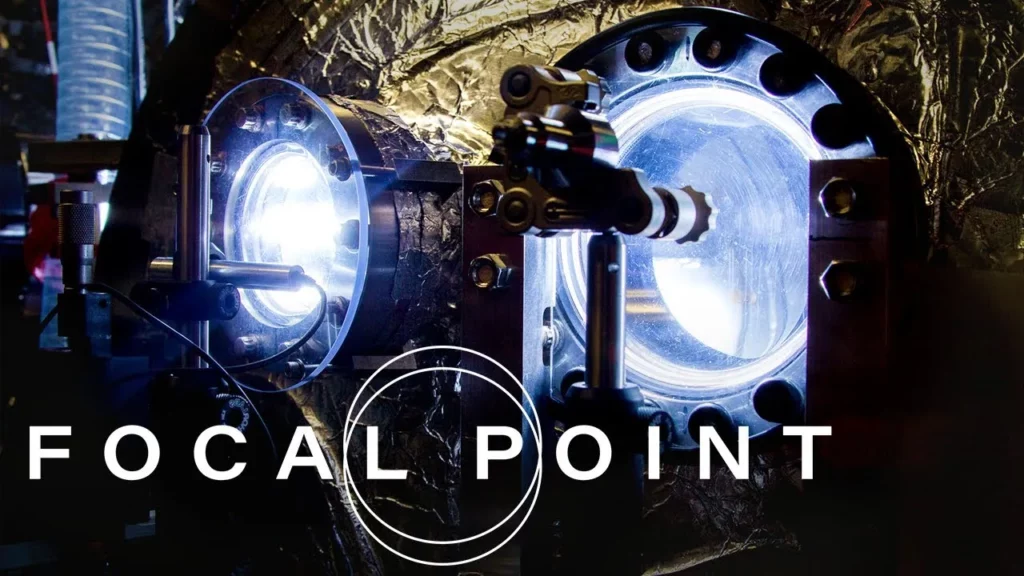
The lesson discusses the groundbreaking advancements in X-ray science with the introduction of the Linac Coherent Light Source (LCLS) and its successor, LCLS-II. The LCLS, the world’s first hard X-ray free electron laser, revolutionized scientific exploration by producing incredibly bright X-ray pulses, allowing for detailed imaging of molecular and atomic processes. The upcoming LCLS-II promises to enhance these capabilities significantly, delivering a staggering one million pulses per second, which will enable unprecedented insights into atomic and molecular dynamics, ultimately transforming research across various scientific fields.
The Wild Plan to Bring Back Woolly Mammoths
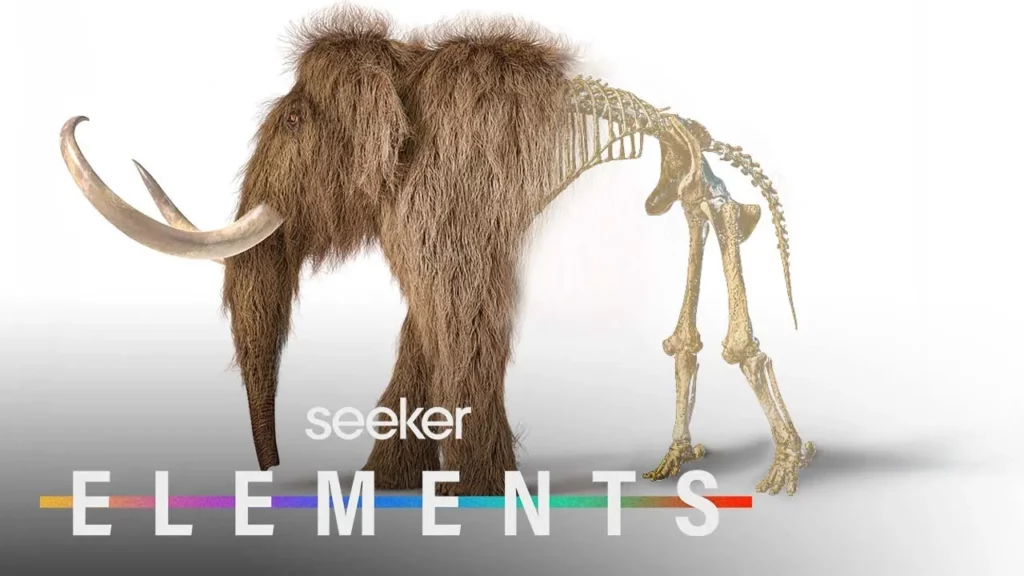
The lesson explores the ambitious scientific endeavor to bring back the woolly mammoth, a species that disappeared around 4,000 years ago, and how this could potentially address climate change issues related to melting permafrost. Scientists, led by the company Colossal, are using advanced genetic techniques to modify Asian elephant DNA to include mammoth traits, with the goal of creating a hybrid known as a “mammophant.” While this project raises significant ethical and technical questions, it also opens up possibilities for innovative solutions to environmental challenges.
Juno Has Arrived At Jupiter! Now What?
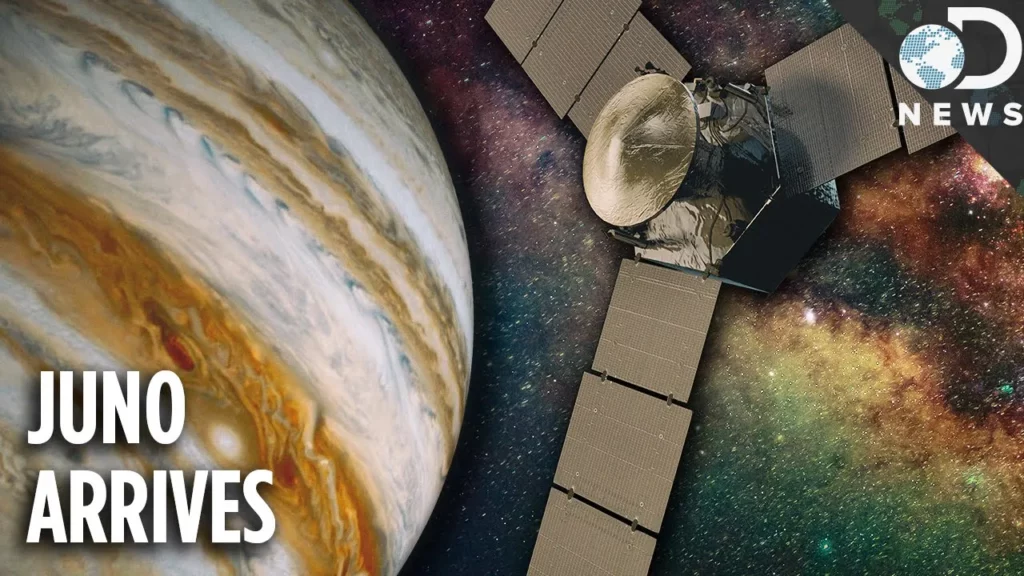
The lesson discusses NASA’s Juno spacecraft, which successfully entered orbit around Jupiter on July 4, 2016, after a five-year journey covering 1.7 billion miles. Juno’s mission aims to uncover the secrets of Jupiter’s formation and its atmospheric composition, providing insights into the origins of the solar system and the potential for life on other planets. Despite facing significant challenges, including intense radiation, Juno is set to conduct groundbreaking research that could enhance our understanding of planetary formation and the universe.
The New Dark Matter Particle on the Edge of Physics

The lesson on dark matter explores its elusive nature and the ongoing scientific efforts to understand it, particularly through the search for axions, a promising candidate particle. Researchers are employing advanced instruments, like haloscopes, to detect faint signals of dark matter by converting axions into detectable radio waves, akin to tuning an AM radio. Despite the challenges faced, the pursuit of dark matter research remains a testament to scientific curiosity and innovation, with the potential for groundbreaking discoveries that could reshape our understanding of the universe.