
Where Does All Our Oil Come From?

The lesson “Understanding Fossil Fuels: A Deep Dive” explores the formation, extraction methods, and significance of fossil fuels, including coal, oil, and natural gas, which are essential for various aspects of modern life. It highlights the processes that create these fuels from ancient organic matter, the rise of hydraulic fracturing as a major extraction technique, and the environmental concerns associated with fossil fuel consumption, particularly regarding climate change. The lesson encourages reflection on the global implications of fossil fuel use and the potential shift towards renewable energy sources.
Pluto Could Be Made A Planet Again, Along With 102 Other Celestial Bodies

In this lesson, we explored the classification of planets in our solar system, with a particular focus on Pluto and the ongoing debate surrounding its status as a dwarf planet. The discussion highlighted the 2006 definition by the International Astronomical Union (IAU) that redefined planets, excluding Pluto, and introduced a new proposal that could potentially reinstate Pluto as a planet along with other dwarf bodies. This debate underscores the evolving nature of our understanding of celestial bodies and the importance of scientific definitions in astronomy.
Why You Should NEVER Eat Snow Again

The lesson discusses the potential risks associated with eating snow, highlighting that snowflakes can collect harmful pollutants from the air, including dust, soot, and car exhaust. Research indicates that snow acts as a pollution magnet, and while some experts suggest that snow from clean, rural areas may be safe to eat, it is generally advisable to avoid consuming snow, especially from urban environments or during the first snowfall of the day. Additionally, the color of the snow can indicate contamination, with white snow being the safest option.
Why Can’t Chimpanzees Speak?
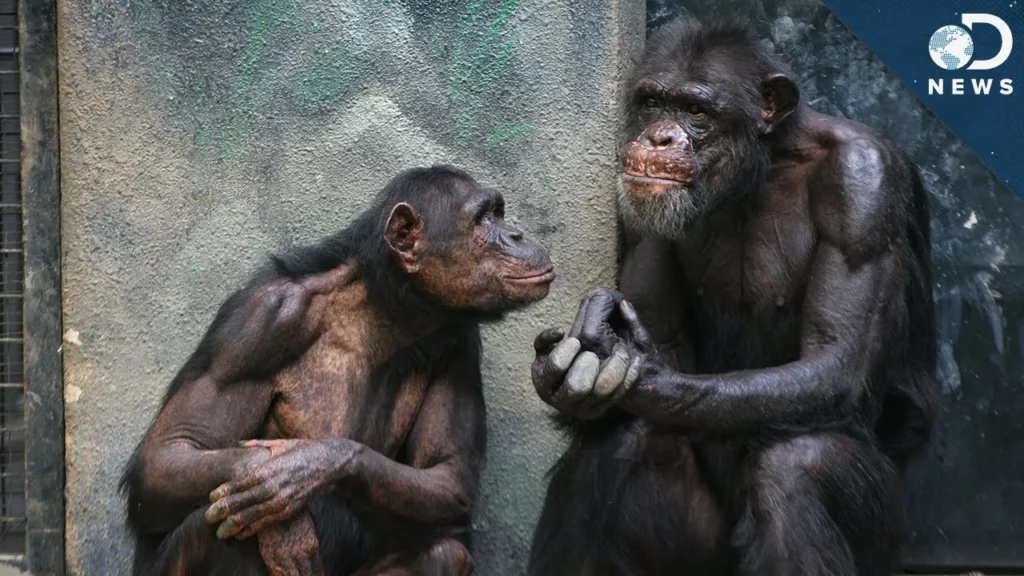
The lesson explores the reasons behind humans’ unique ability to speak compared to chimpanzees, highlighting the significance of the FoxP2 gene. A mutation in this gene, which occurred over half a million years ago, altered brain function in our ancestors, enabling the development of language skills. Through experiments, scientists have shown that this gene enhances learning abilities, crucial for language acquisition, while also pondering the possibility of other animals developing speech in the distant future.
Why Your Cute Cat Is Still A Vicious Killer

The lesson explores the semi-domesticated nature of house cats, highlighting their shared traits with wildcats, such as hunting skills and sharp senses. It discusses the historical relationship between humans and cats, which began around 9,000 years ago, and contrasts this with the longer domestication of dogs. Despite their domestication, cats retain a wild heart, exhibiting behaviors that reflect their ancestral roots.
The Pros & Cons Of Zoos

The lesson explores the complexities of zoos, highlighting their evolution from small cages to enriched environments that better mimic natural habitats. While zoos face challenges such as animal comfort, dietary needs, and financial constraints, they also provide valuable educational opportunities and contribute to conservation efforts for endangered species. Ultimately, well-managed and accredited zoos can foster a deeper connection to nature and play a significant role in wildlife preservation.
Is Hypnosis A Complete Hoax?

The lesson explores the concept of hypnosis, distinguishing it from mere entertainment and magic tricks. It explains that hypnosis is a genuine psychological state characterized by focused attention and reduced awareness, which can facilitate therapeutic changes in individuals. Research indicates that hypnosis can significantly improve outcomes in areas such as addiction and anxiety, demonstrating its potential as a valuable tool in hypnotherapy.
The Healthiest Diet In The World Isn’t Just About Food
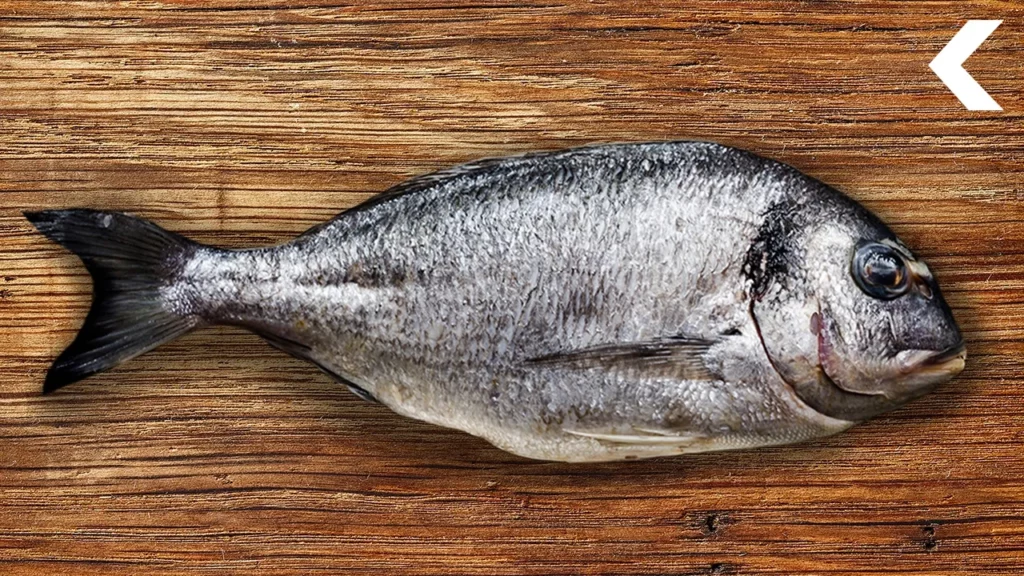
The lesson explores the Mediterranean Diet, recognized by UNESCO as a vital part of cultural heritage, emphasizing its health benefits and social significance. It promotes a lifestyle centered around plant-based foods, healthy fats, and communal meals, fostering social connections and well-being. By incorporating elements of this diet into daily life, individuals can enjoy delicious meals while reaping numerous health advantages.
What Are Coronaviruses?
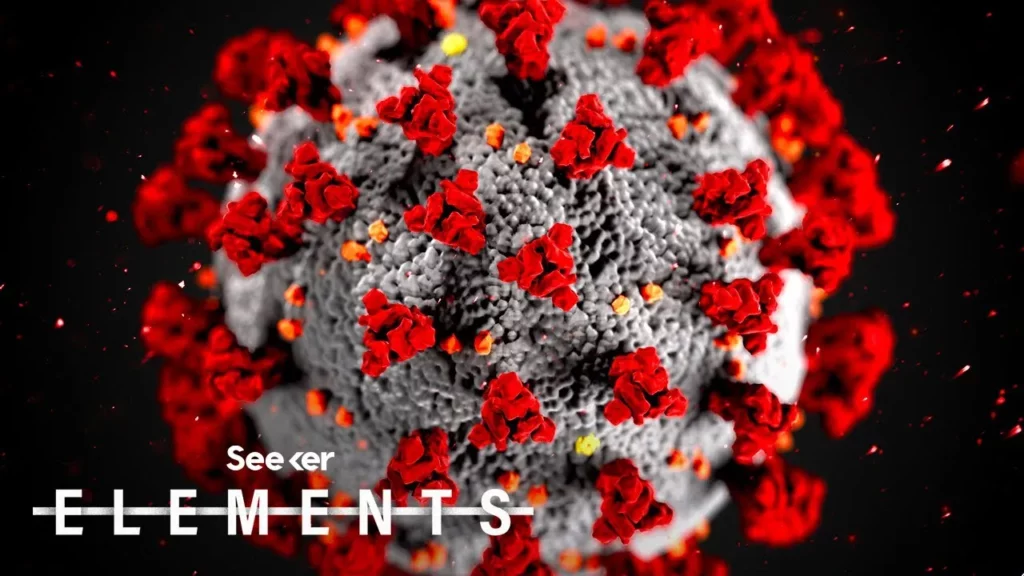
The lesson discusses the global impact of COVID-19, which emerged in late 2019 and rapidly spread worldwide, leading to significant health and economic challenges. It explains the nature of the virus SARS-CoV-2, its symptoms, and the importance of understanding its transmission, particularly among asymptomatic individuals. The lesson emphasizes ongoing research efforts to combat the virus through antiviral treatments and vaccines, while highlighting the necessity of maintaining good hygiene practices to mitigate its spread.
How Your Pee Could Help Billions Of People
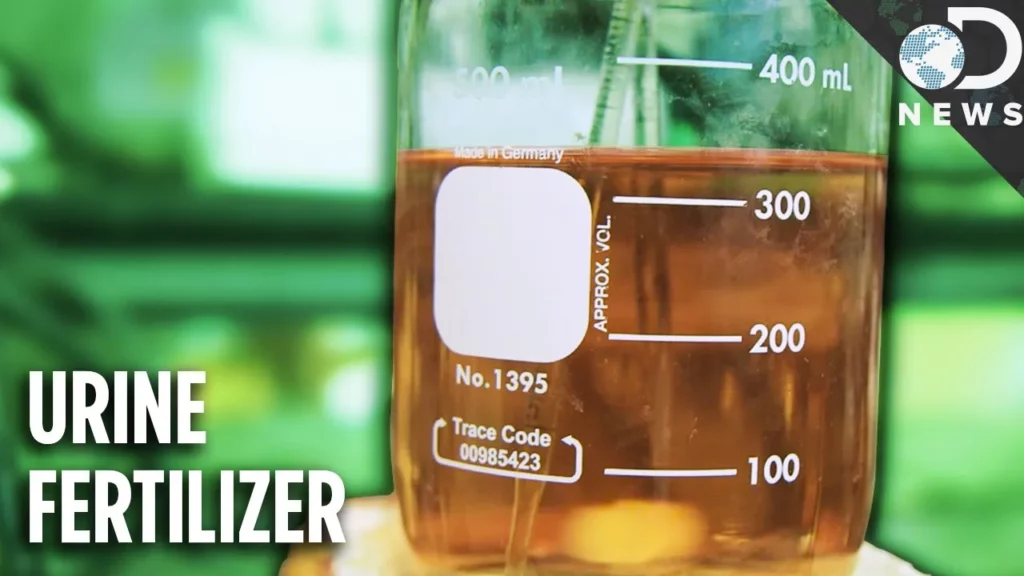
William Tarpeh, an Environmental Engineering PhD student at UC Berkeley, is pioneering the transformation of urine into liquid fertilizer, addressing critical sanitation and environmental challenges. By extracting nitrogen from urine through innovative methods, he aims to create a sustainable product that can fund the construction of toilets, particularly in underserved areas. His collaboration with Sanergy in Nairobi demonstrates the real-world application of his research, with the potential to significantly improve sanitation and resource management for billions globally.